


Primary sourceDocument1867
Reform Act 1867
1867
The law extending the vote to urban working men, passed by Disraeli's government with him steering it through the Commons.
Disraeli, as Chancellor, steered this landmark reform through the Commons, a defining achievement of his career.

About this source
What it is
The Representation of the People Act 1867, also called the Reform Act 1867, is a law passed by the British Parliament. It took effect over the following two years.
Why it matters
The act extended the vote from property-owning landowners to many leaseholders and tenants, roughly doubling the number of men able to vote. Benjamin Disraeli, as Chancellor of the Exchequer under Lord Derby, guided the bill through the House of Commons, outmanoeuvring the divided Liberal Party led by figures such as Robert Lowe. Disraeli hoped the reform would benefit the Conservatives, but his government instead lost the following general election. The act shows how political calculation and genuine reform could be intertwined in Victorian politics.
Look closer
- Why might a Conservative politician support expanding who could vote?
- What groups of people were still left out of the franchise by this act?
- What does the outcome of the 1868 election suggest about the risks of political reform?
This document is part of the curated material that grounds the AI version of Benjamin Disraeli on Humy.ai — when students ask about related events, the AI can quote it and cite it.
More Benjamin Disraeli sources
Browse all 94 →Primary source
Crystal Palace speech
Benjamin Disraeli · 24 June 1872
Primary source
Free Trade Hall speech, Manchester
Benjamin Disraeli · 3 April 1872
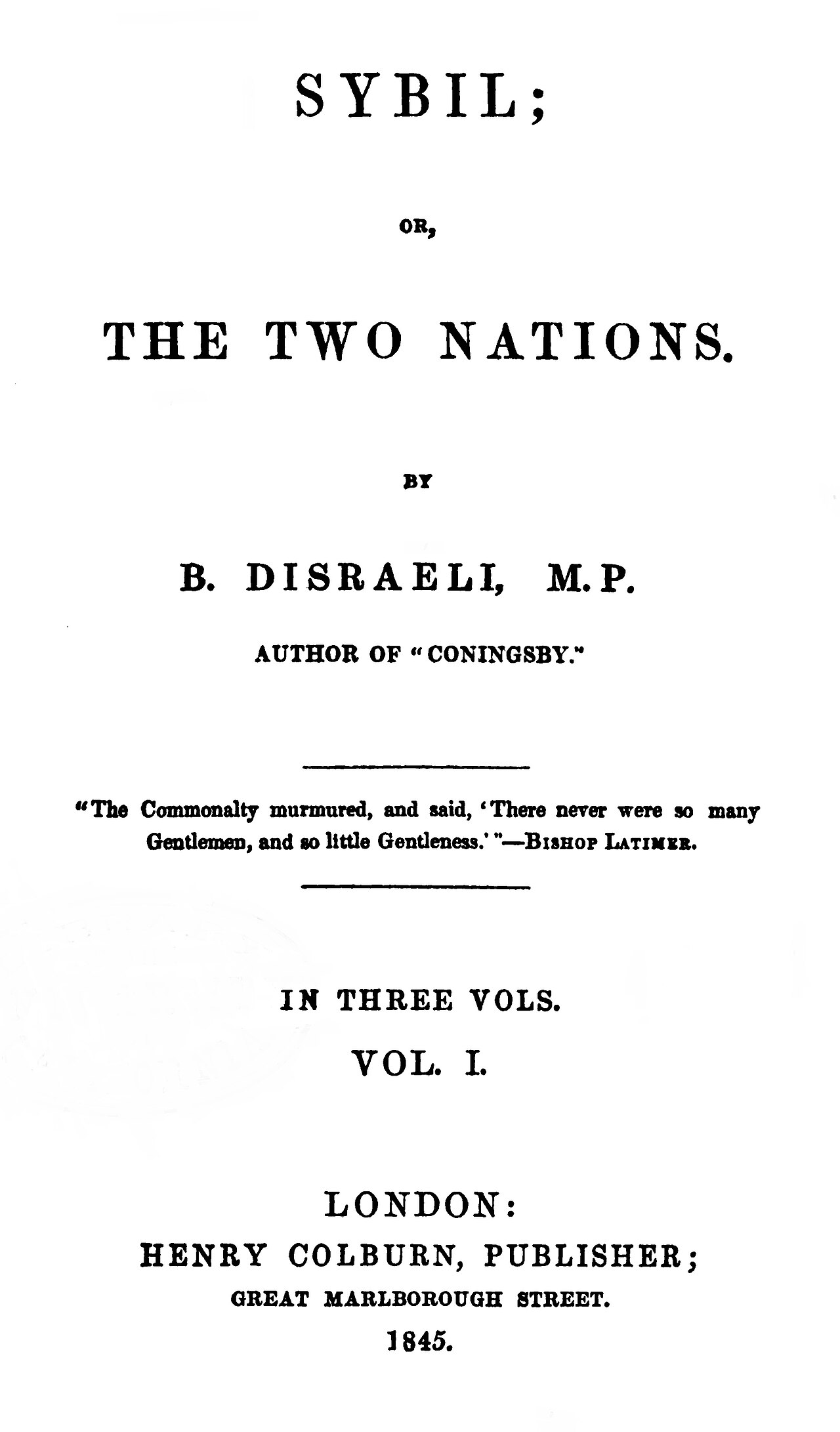 Book
Primary source
Sybil
Benjamin Disraeli · 1845
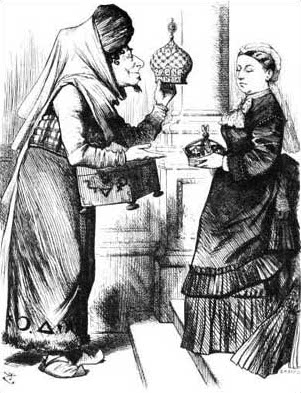 Painting
Primary source
New Crowns for Old Ones!
John Tenniel · 15 April 1876

Free account
Read every Benjamin Disraeli source
Sign up free →
Ready when you are
Start chatting with Benjamin Disraeli now.
20 messages free · No credit card · Available in 50+ languages.