


Primary sourceDocument25 February 1570
Regnans in Excelsis
Pius V · 25 February 1570
A 1570 papal bull by Pope Pius V that excommunicated Elizabeth I and declared her subjects free from obedience to her.
This bull excommunicated Elizabeth and declared her an illegitimate ruler, directly challenging her authority as queen.
About this source
What it is
Issued by Pope Pius V on 25 February 1570, this Latin papal bull excommunicated Queen Elizabeth I, calling her a heretic and 'pretended Queen of England', and released her subjects from loyalty to her. It followed a Catholic rebellion in the north of England and unrest in Ireland.
Why it matters
The bull turned Elizabeth's Protestant religious settlement into an international political struggle, making Catholic loyalty to her a matter of suspicion. It hardened the English government's treatment of Catholics and was later tied to plots against Elizabeth's life, showing how religion and politics were intertwined in her reign.
Look closer
- Why might the Pope have waited eleven years after Elizabeth's accession to issue this bull?
- What does the document reveal about how the papacy viewed its authority over rulers?
- How might English Catholics have been caught between loyalty to their queen and their faith?
This document is part of the curated material that grounds the AI version of Elizabeth I on Humy.ai — when students ask about related events, the AI can quote it and cite it.
More Elizabeth I sources
Meet the AI Elizabeth I →Primary source
Speech to the Troops at Tilbury
Elizabeth I of England · 1588
 Painting
Secondary source
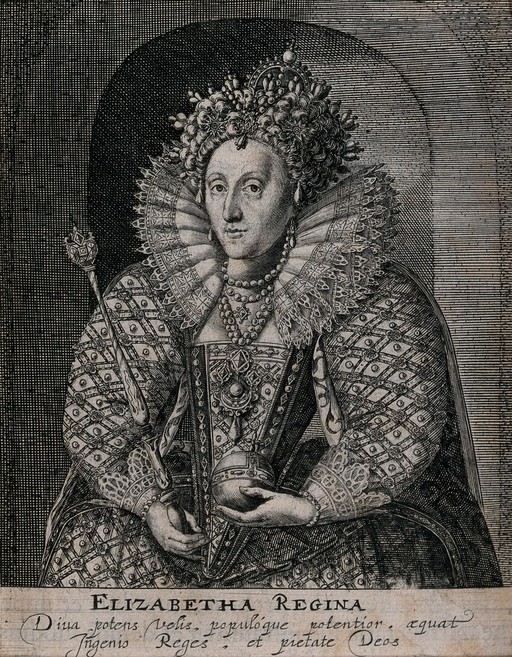
Queen Elizabeth I of England by Isaac Oliver
Isaac Oliver · 1620
 Painting
Primary source
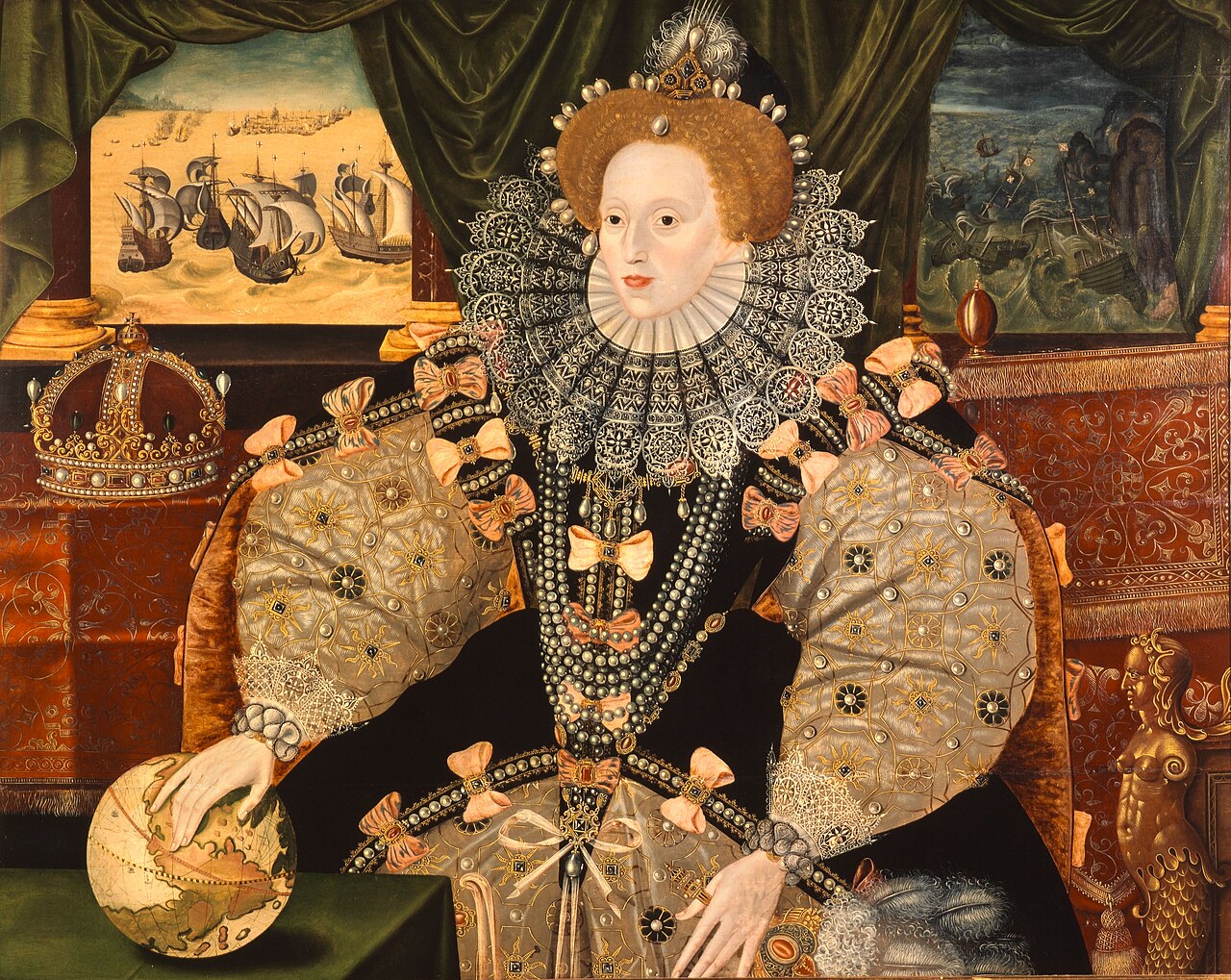
Armada Portrait
Unknown English artist · 1588
 Painting
Secondary source
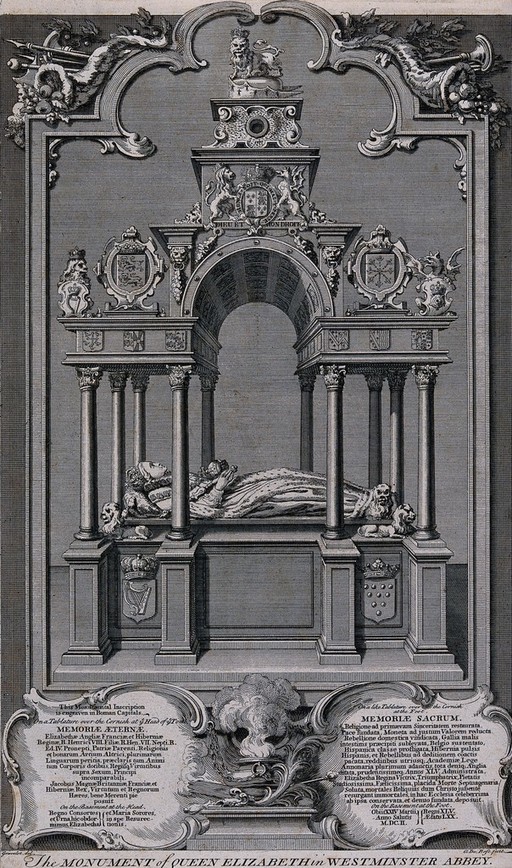
Monument to Queen Elizabeth I in Westminster Abbey
Hubert Francois Bourguignon d'Anville Gravelot
 Painting
Secondary source
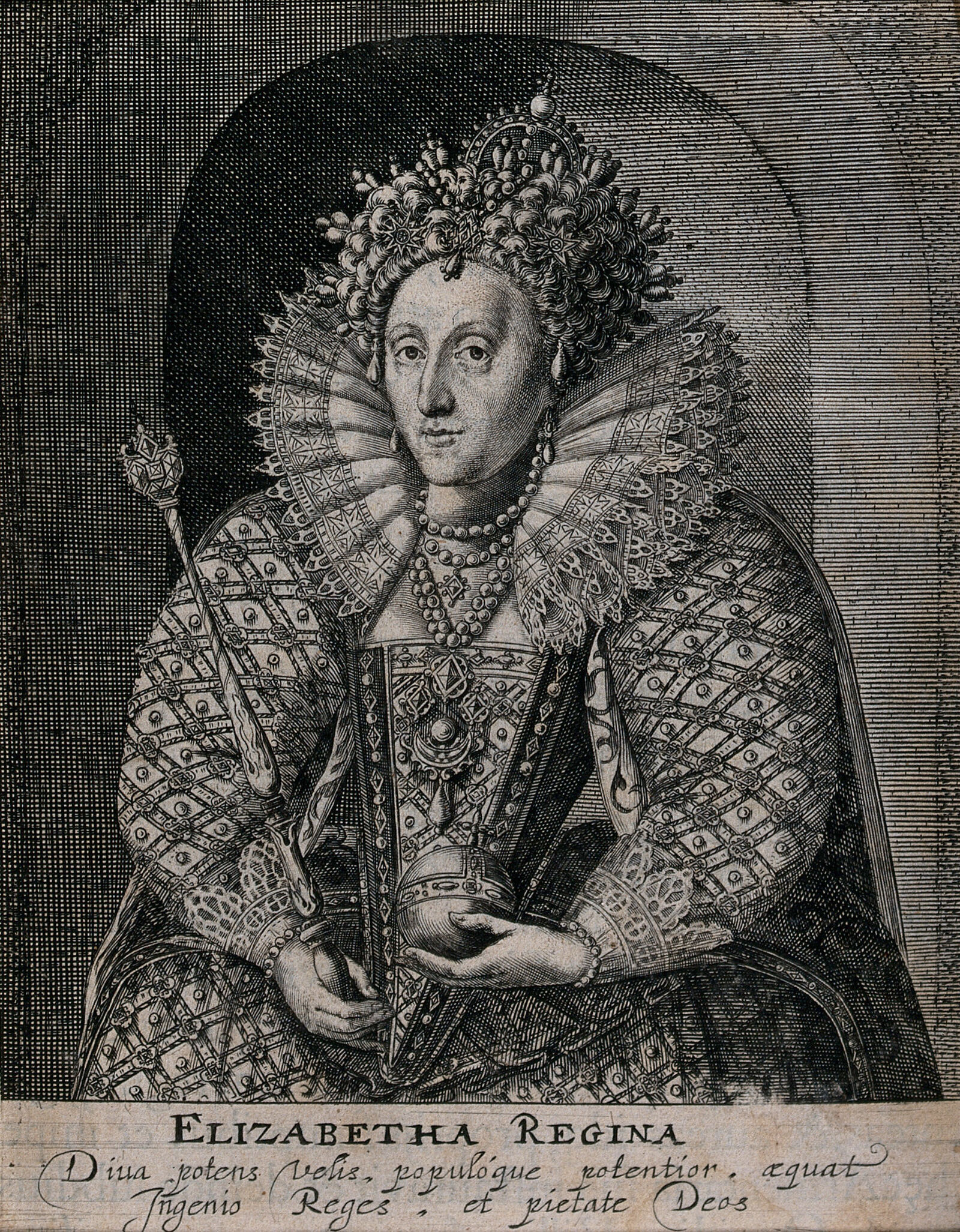
Queen Elizabeth I in parliamentary robes
Isaac Oliver · 1600-1699
Ready when you are
Start chatting with Elizabeth I now.
20 messages free · No credit card · Available in 50+ languages.