


Secondary sourceSculpture1829
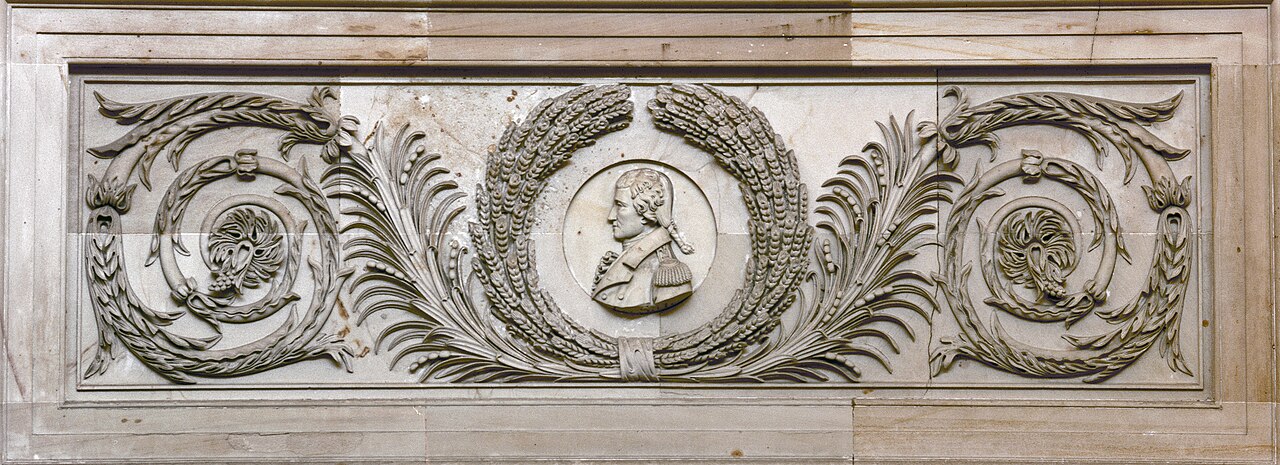
Relief of René-Robert Cavelier, Sieur de La Salle, US Capitol Rotunda
Francisco Iardella · 1829
A sandstone relief medallion in the US Capitol honoring La Salle as one of America's founding explorers.
This relief in the US Capitol Rotunda honors La Salle as one of the explorers celebrated in America's founding narrative.
About this source
What it is
This sandstone relief panel, carved by Francisco Iardella in 1829, is set in the Rotunda of the United States Capitol, above the painting Embarkation of the Pilgrims. It shows a profile bust portrait of La Salle framed by a laurel wreath, with decorative foliage around it.
Why it matters
Placed in the heart of the US Capitol, this relief shows how the early American republic chose to honor La Salle, a French explorer, as part of its founding story. It reveals how 19th-century Americans linked their national identity to earlier European explorers who had crossed and claimed parts of the continent.
Look closer
- Why might the US Congress in 1829 choose to honor a French explorer in its Capitol building?
- What does the laurel wreath framing the portrait suggest about how La Salle was regarded?
- What story does this relief tell about exploration, and whose stories might it leave out?
This sculpture is part of the curated material that grounds the AI version of Robert de La Salle on Humy.ai — when students ask about related events, the AI can quote it and cite it.
More Robert de La Salle sources
Meet the AI Robert de La Salle →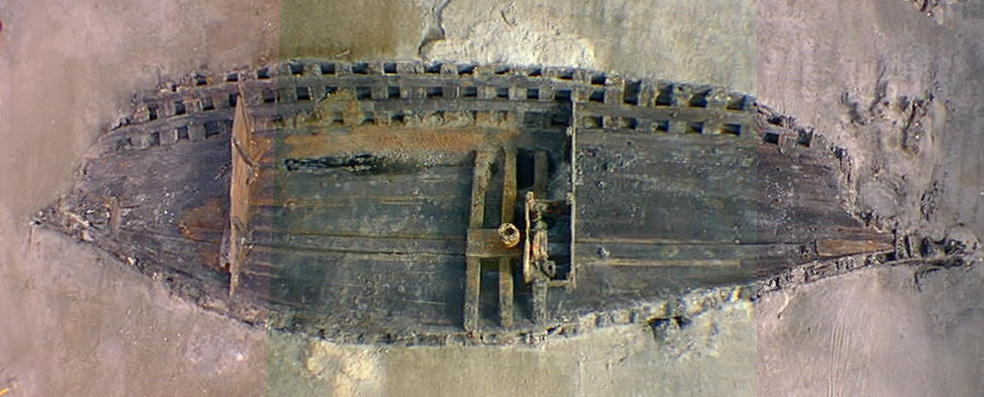 Artifact
Primary source
La Belle Shipwreck and Recovered Hull
French royal navy (built at Rochefort) · 1684 (built); sunk 1686; excavated 1995-97
 Book
Primary source
Description de la Louisiane
Louis Hennepin · 1683
 Document
Primary source
Signature of René-Robert Cavelier, Sieur de La Salle
René-Robert Cavelier, Sieur de La Salle
 Document
Primary source
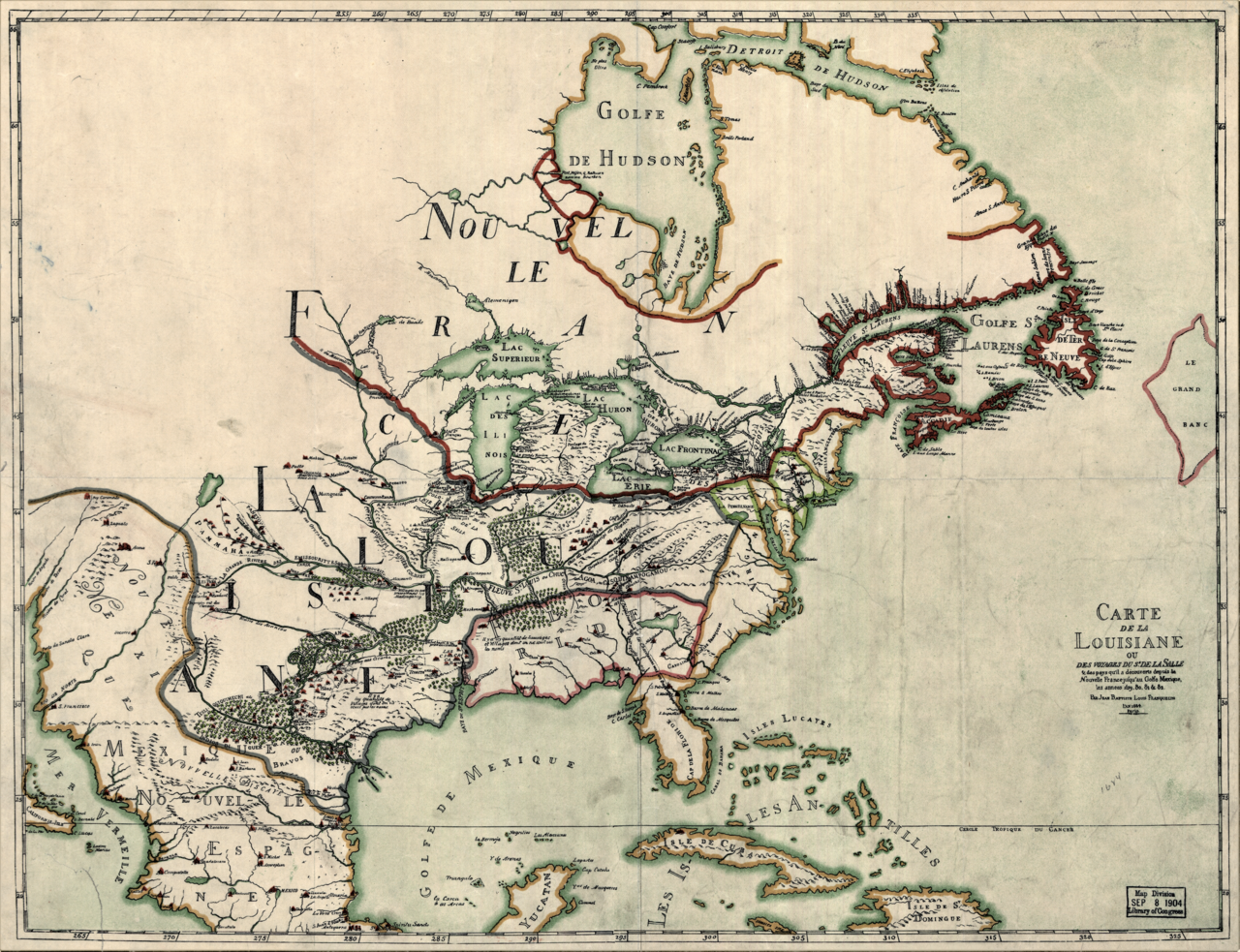
Carte de la Louisiane ou des voyages du Sr. de La Salle
Jean-Baptiste-Louis Franquelin · 1684
 Document
Primary source
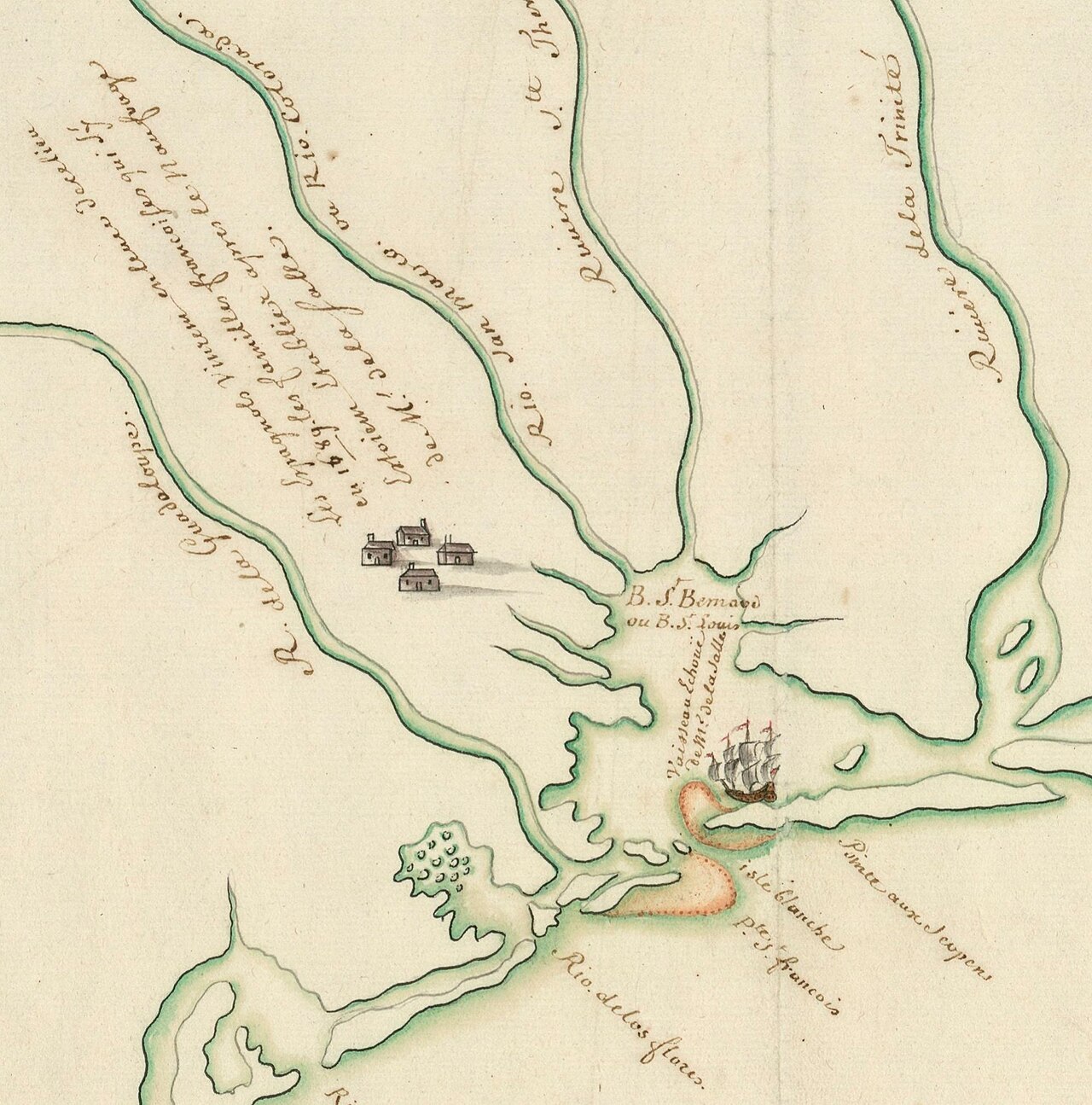
Plan présentant le naufrage d'un navire de Cavelier de La Salle en 1686
Unknown, possibly François Le Maire · late 17th or early 18th century
Ready when you are
Start chatting with Robert de La Salle now.
20 messages free · No credit card · Available in 50+ languages.