


Tertiary sourceBook1902
Renoir, Auguste, entry in The New International Encyclopaedia (1902)
1902
A short encyclopedia entry describing Renoir as a French figure and landscape painter who worked with the Impressionists. It is a brief reference summary rather than a primary source.
Gives a contemporary reference summary of Renoir's career, subjects and key paintings as they were described in 1902.
Free Humy account · No credit card · 120,912 sources to read
About this source
What it is
This is a short entry on Renoir in The New International Encyclopaedia, an edition published in 1902. It describes him as a French figure and landscape painter born in Limoges, who studied with Gleyre and worked with Monet and the other Impressionists. It says he exhibited at the first Impressionist Salon in 1874 and that he painted portraits of young women and children, as well as landscapes, fruit and flowers.
Why it matters
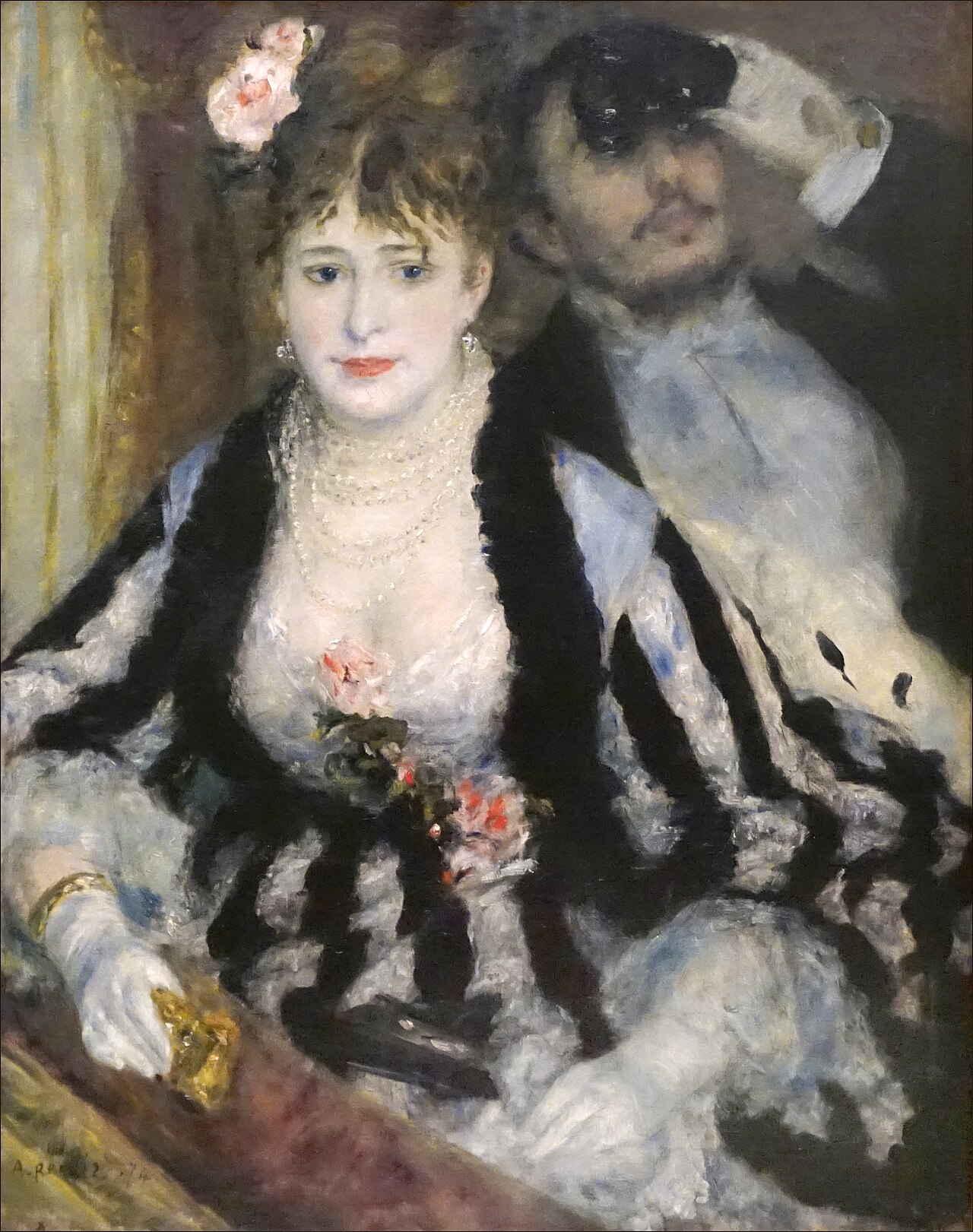
Encyclopedias of this period shaped how readers understood painters, and this entry places Renoir within the Impressionist group alongside Degas. It also lists paintings such as La loge and Le dejeuner a Bougival, and mentions a portrait of Wagner and one of Claude Monet. The entry is short and, according to its curator's note, largely repeats other encyclopedia articles, so it shows the common view of Renoir at the time rather than new research.
Look closer
- Which words does the entry use to describe Renoir's subjects, and what do they suggest about how he was seen?
- Why might an encyclopedia link Renoir closely with Monet and the other Impressionists?
- What important details about his life or later career are missing from this short summary?
This book is part of the curated material that grounds the AI version of Pierre-Auguste Renoir on Humy.ai — when students ask about related events, the AI can quote it and cite it.
More Pierre-Auguste Renoir sources
Browse all 97 →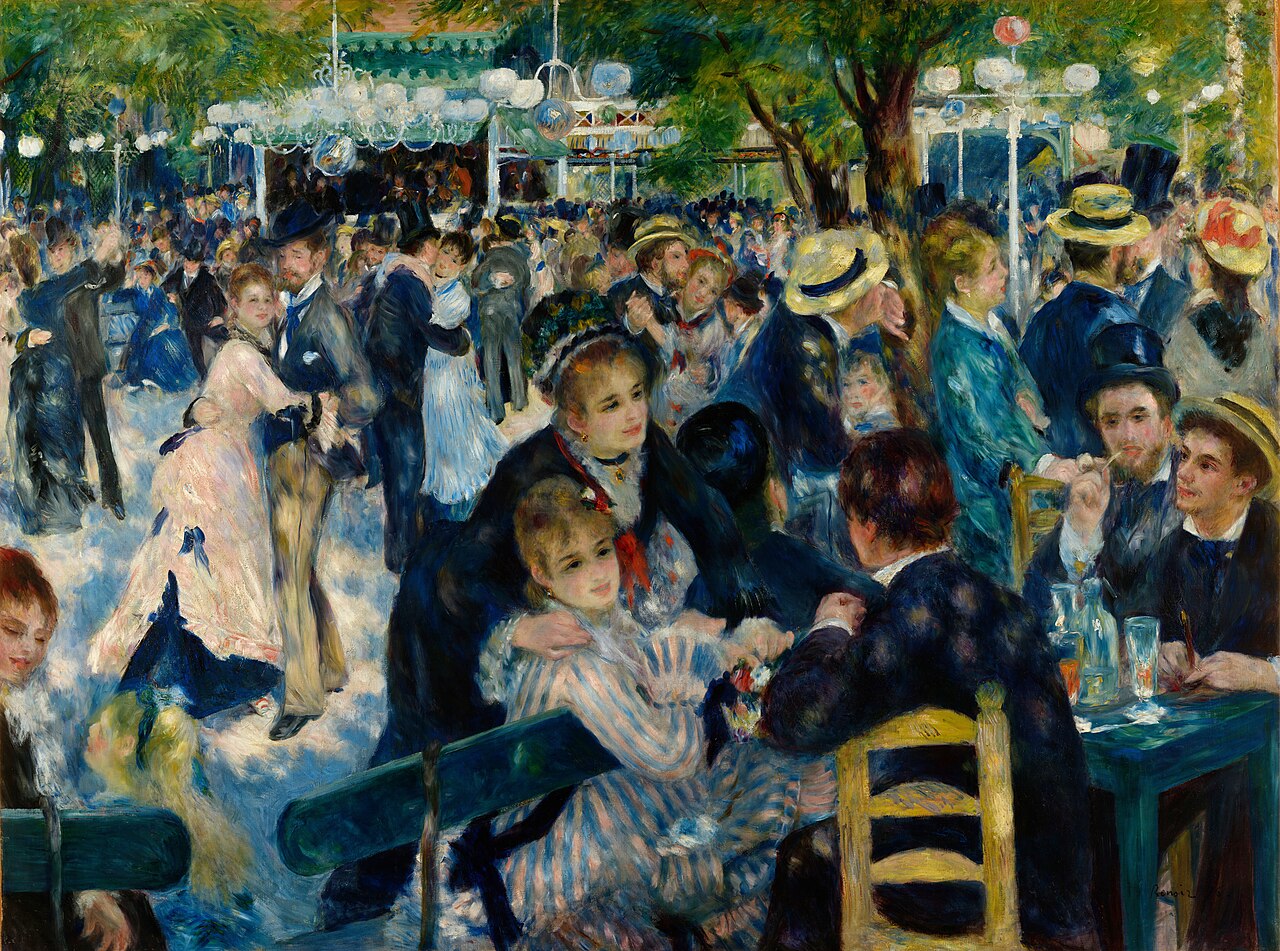 Painting
Primary source
Bal du moulin de la Galette
Pierre-Auguste Renoir · 1876
 Painting
Primary source
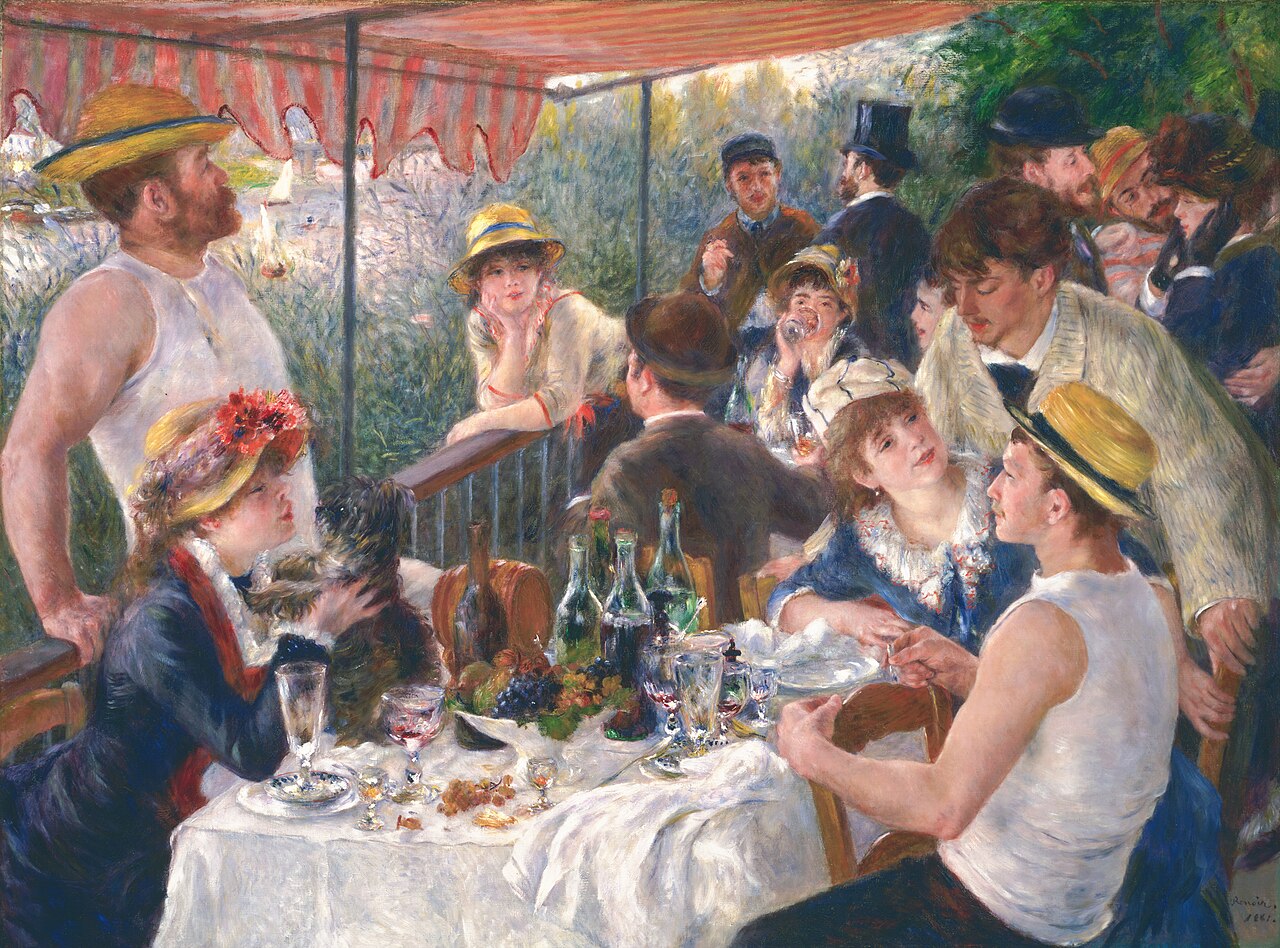
Luncheon of the Boating Party
Pierre-Auguste Renoir · 1880-1881
 Painting
Primary source
La Loge
Pierre-Auguste Renoir · 1874
 Painting
Primary source
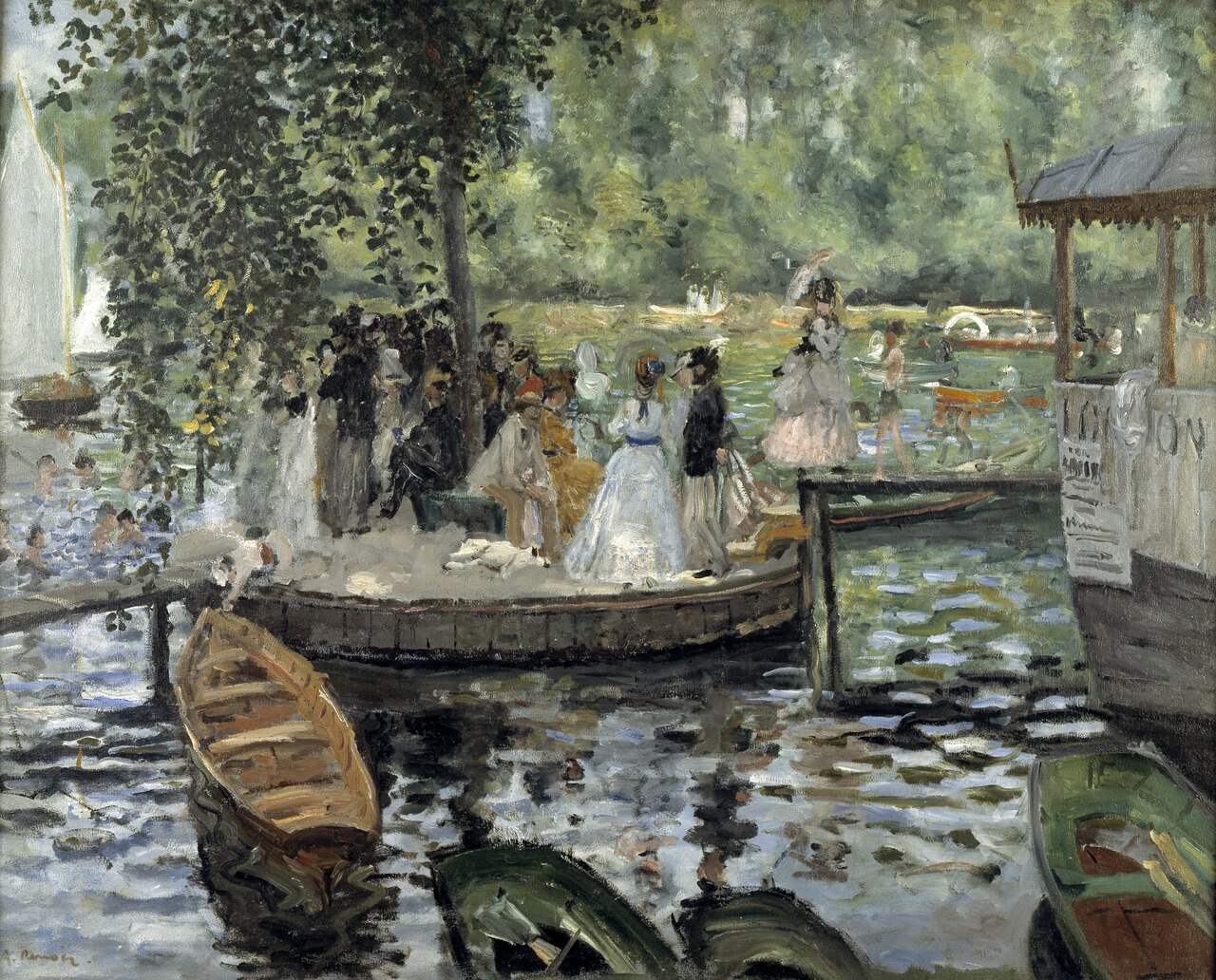
La Grenouillère
Pierre-Auguste Renoir · 1869
Free account
Read every Pierre-Auguste Renoir source
Sign up free →
Ready when you are
Start chatting with Pierre-Auguste Renoir now.
20 messages free · No credit card · Available in 50+ languages.