


Primary sourceDocument1712
Renunciation of Philip V to the throne of France
Philip V of Spain · 1712
Philip V's formal 1712 renunciation of his rights to the French crown, a condition required for the peace settlement at Utrecht.
Philip V personally renounced his claim to the French throne in this document, a key step toward ending the War of the Spanish Succession.
Free Humy account · No credit card · 124,282 sources to read
About this source
What it is
This is Philip V's formal renunciation of his claim to the French throne, made before the Cortes of Spain in 1712. It is held at the Archivo Histórico Nacional in Madrid. The renunciation was a legal precondition for the peace settlement that followed, confirmed in the Treaty of Utrecht between Philip and Queen Anne of Great Britain.
Why it matters
Philip's claim to both the Spanish and French thrones had worried other European powers, who feared the two kingdoms uniting under one Bourbon ruler. By giving up his French rights, Philip helped end the long War of the Spanish Succession and secured recognition of his rule in Spain from Britain and other powers.
Look closer
- Why would other countries care so much about who might rule both Spain and France?
- What does it mean for a king to give up a claim to a throne in writing?
- How might this document connect to the wider peace agreements signed at Utrecht?
This document is part of the curated material that grounds the AI version of Philip V of Spain on Humy.ai — when students ask about related events, the AI can quote it and cite it.
More Philip V of Spain sources
Browse all 93 →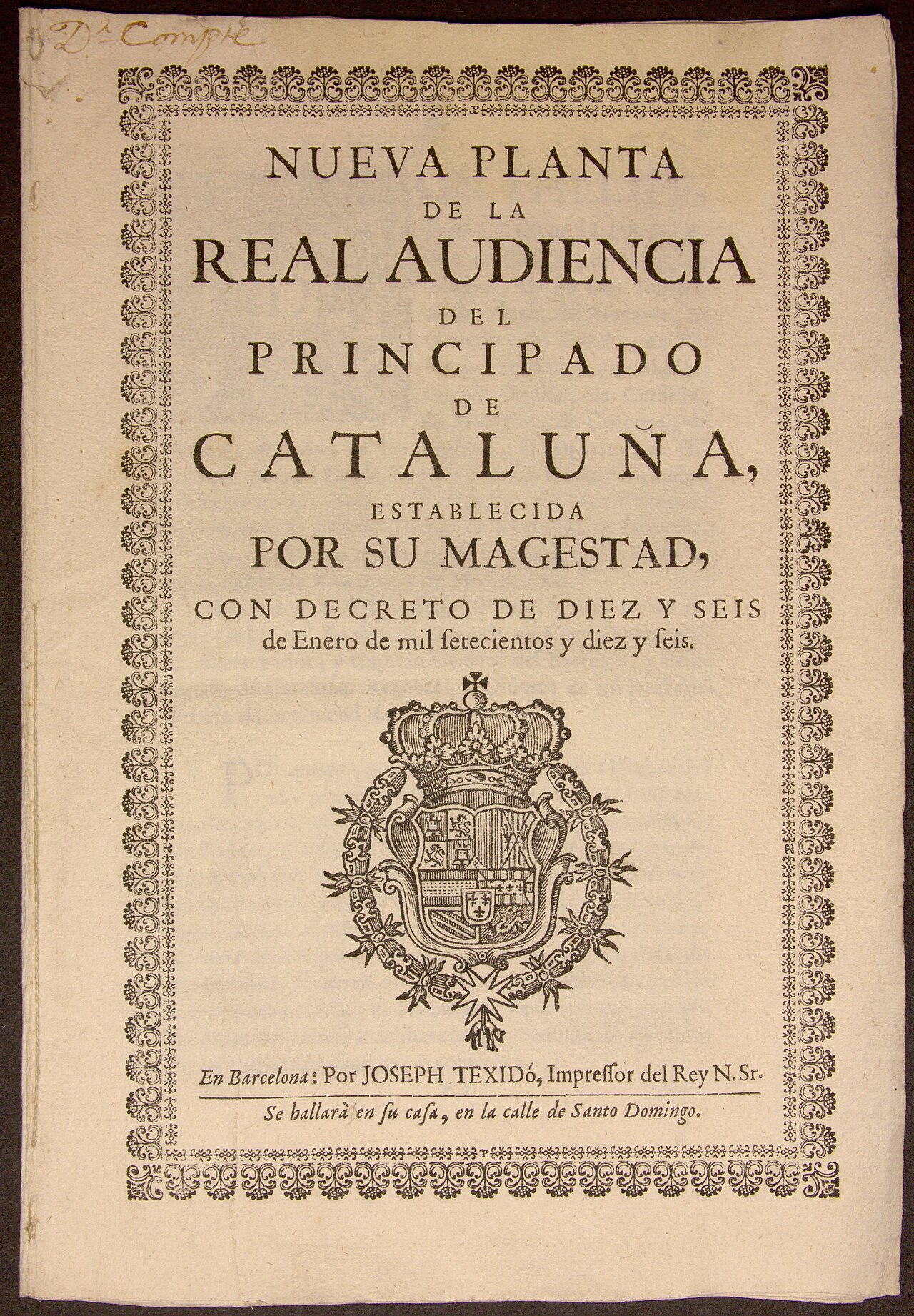 Document
Primary source
Nueva Planta Decrees
Philip V of Spain · 1707–1716
DocumentPrimary source
Nueva Planta Decree of the Principality of Catalonia
Philip V of Spain · 1716
 Document
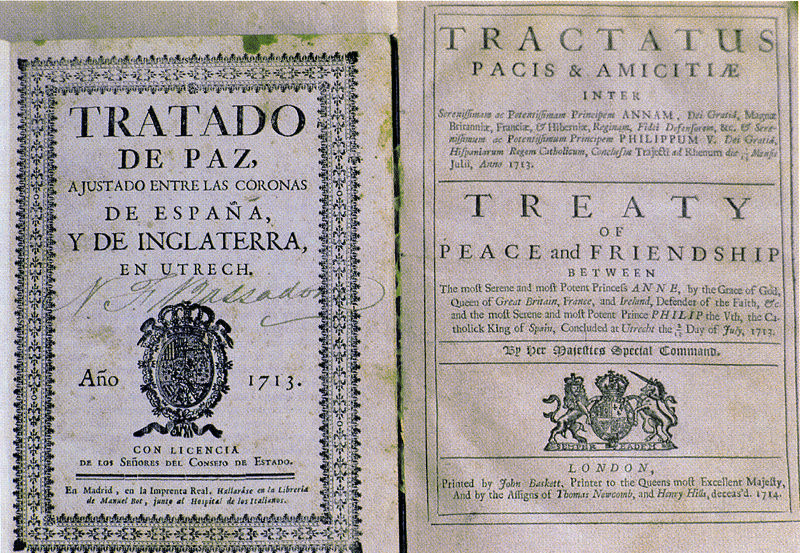
Primary source
Peace of Utrecht
1713-1715
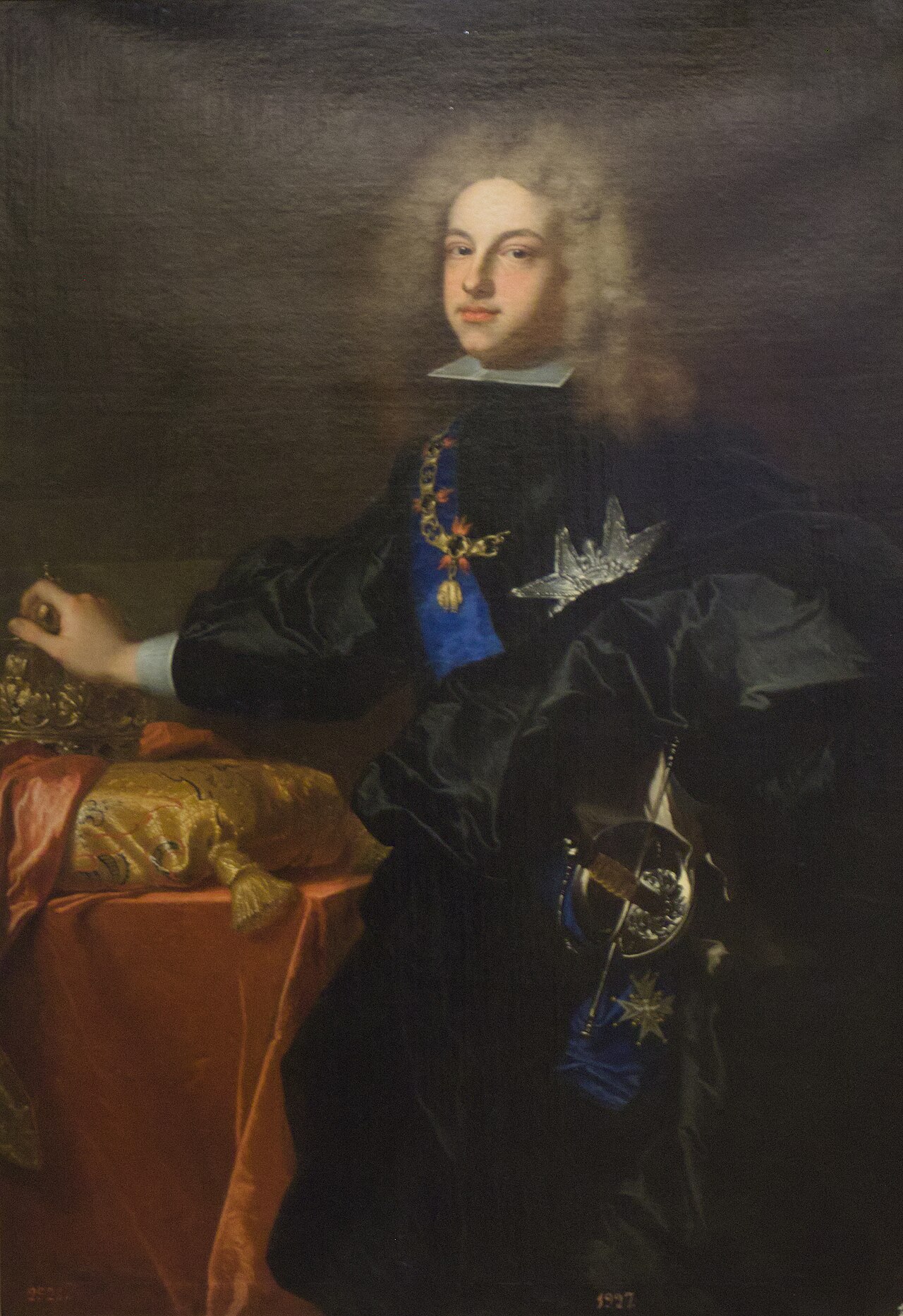 Painting
Primary source
Philip V, King of Spain
Hyacinthe Rigaud · 1701

Free account
Read every Philip V of Spain source
Sign up free →
Ready when you are
Start chatting with Philip V of Spain now.
20 messages free · No credit card · Available in 50+ languages.