


Secondary sourcePainting1914
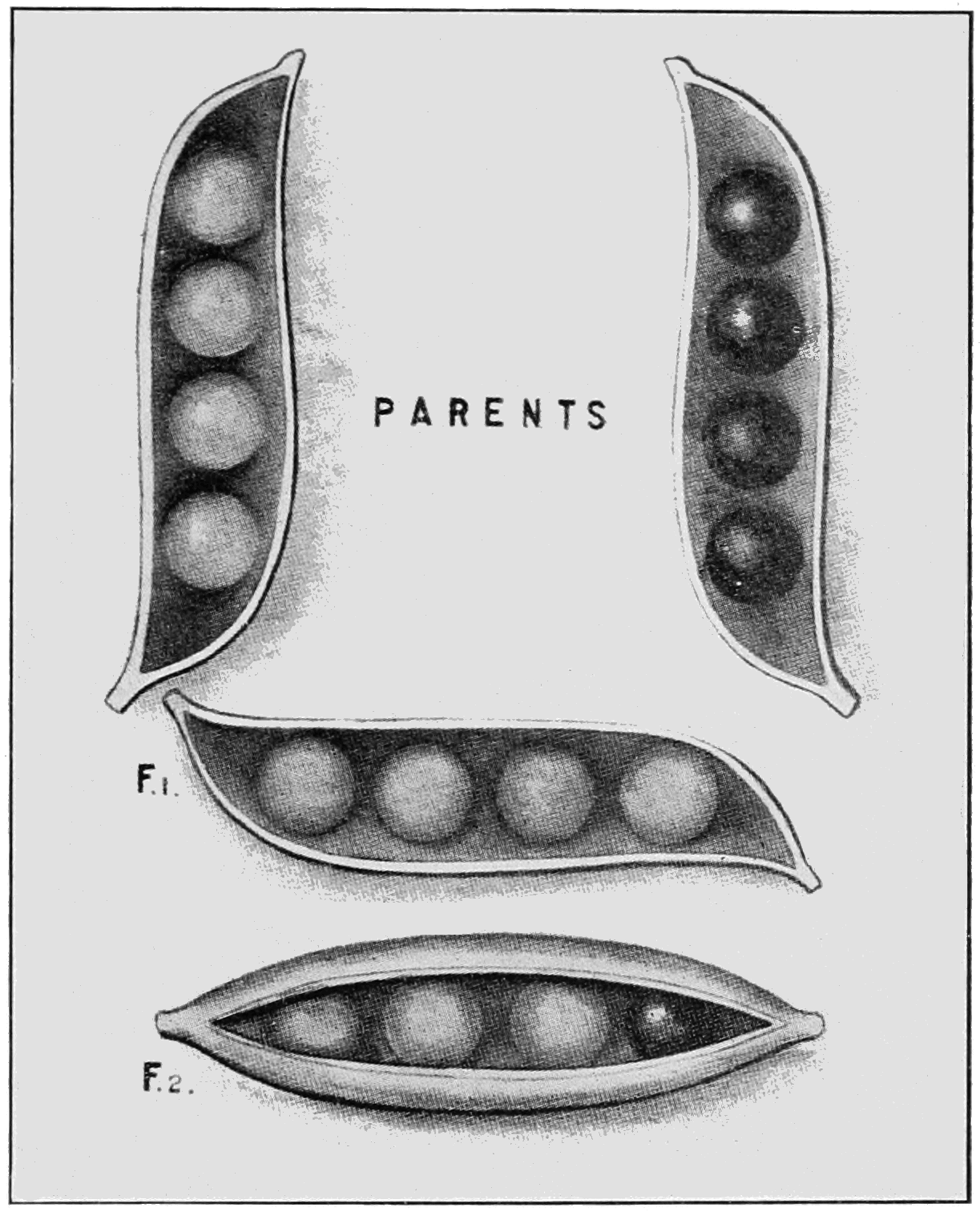
Results of Crossing Yellow and Green Seeded Peas
1914
A 1914 magazine illustration showing Mendel's classic experiment crossing yellow and green pea seeds.
This 1914 diagram illustrates one of Mendel's key pea-breeding experiments that established the laws of inheritance.
About this source
What it is
This black-and-white illustration appeared in a 1914 issue of Popular Science Monthly. It shows pea pods labelled Parents, F1, and F2, demonstrating the results of crossing yellow-seeded and green-seeded peas.
Why it matters
This diagram illustrates one of Mendel's most famous experiments, which helped him uncover the basic rules of inheritance decades before genetics became a formal science. The fact that this appeared in a popular science magazine in 1914 shows how his ideas were being explained to the public long after his death.
Look closer
- What pattern do you notice in the colours of peas across the Parent, F1, and F2 generations?
- Why might this kind of simple cross have been easier to analyse than more complex traits?
- What does the fact that this appeared decades after Mendel's death tell you about his influence?
This painting is part of the curated material that grounds the AI version of Gregor Mendel on Humy.ai — when students ask about related events, the AI can quote it and cite it.
More Gregor Mendel sources
Meet the AI Gregor Mendel →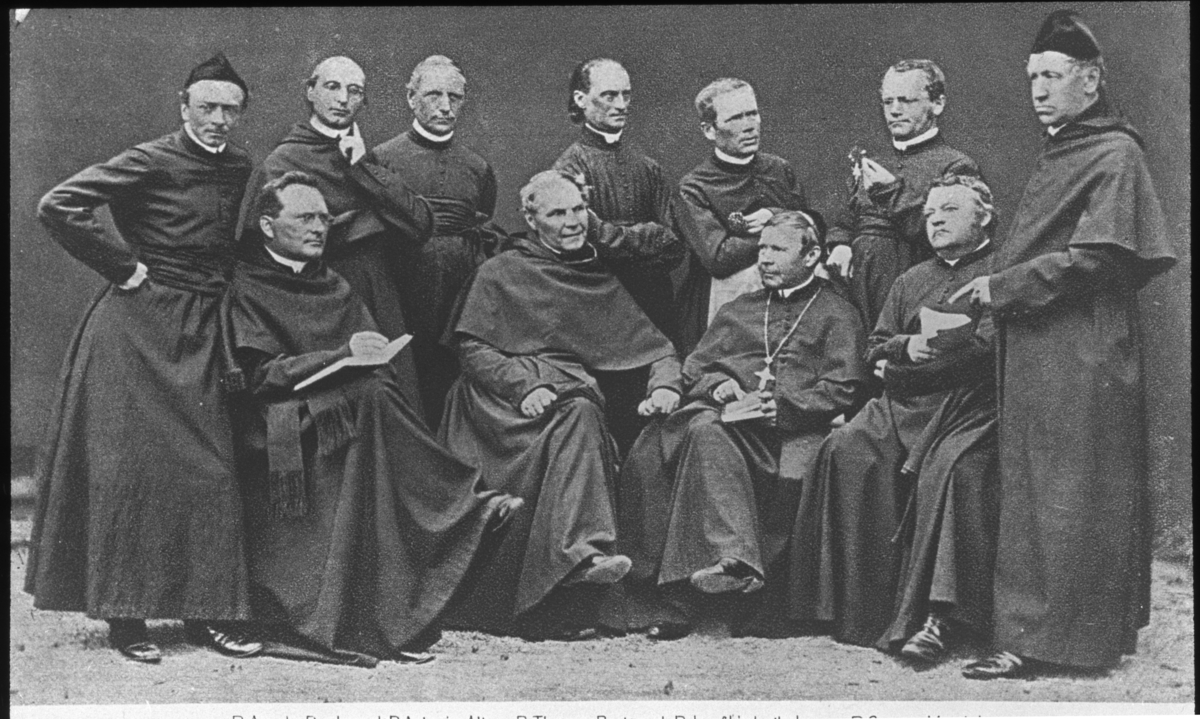 Photograph
Primary source
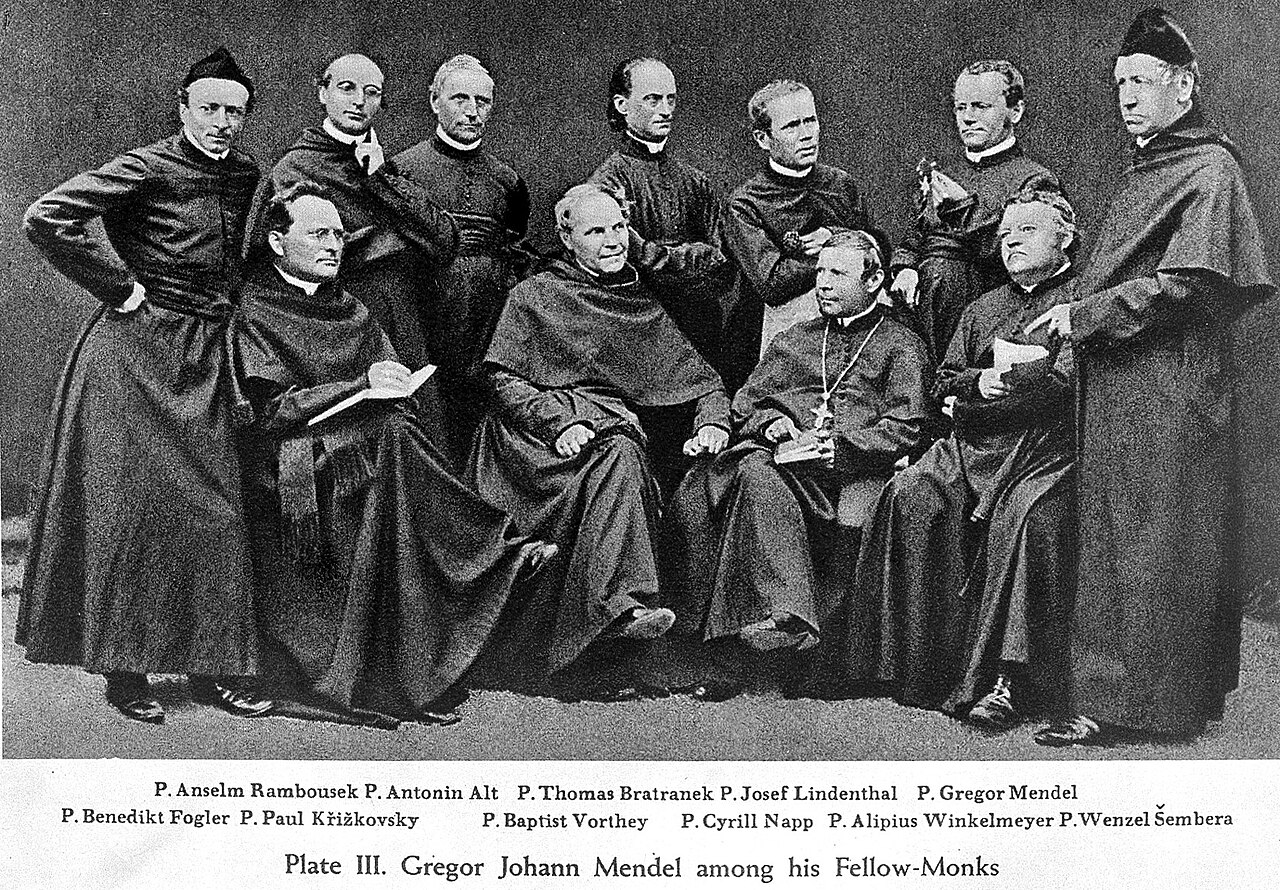
Mendel among his fellow monks
c. 1861-1864
 Book
Primary source
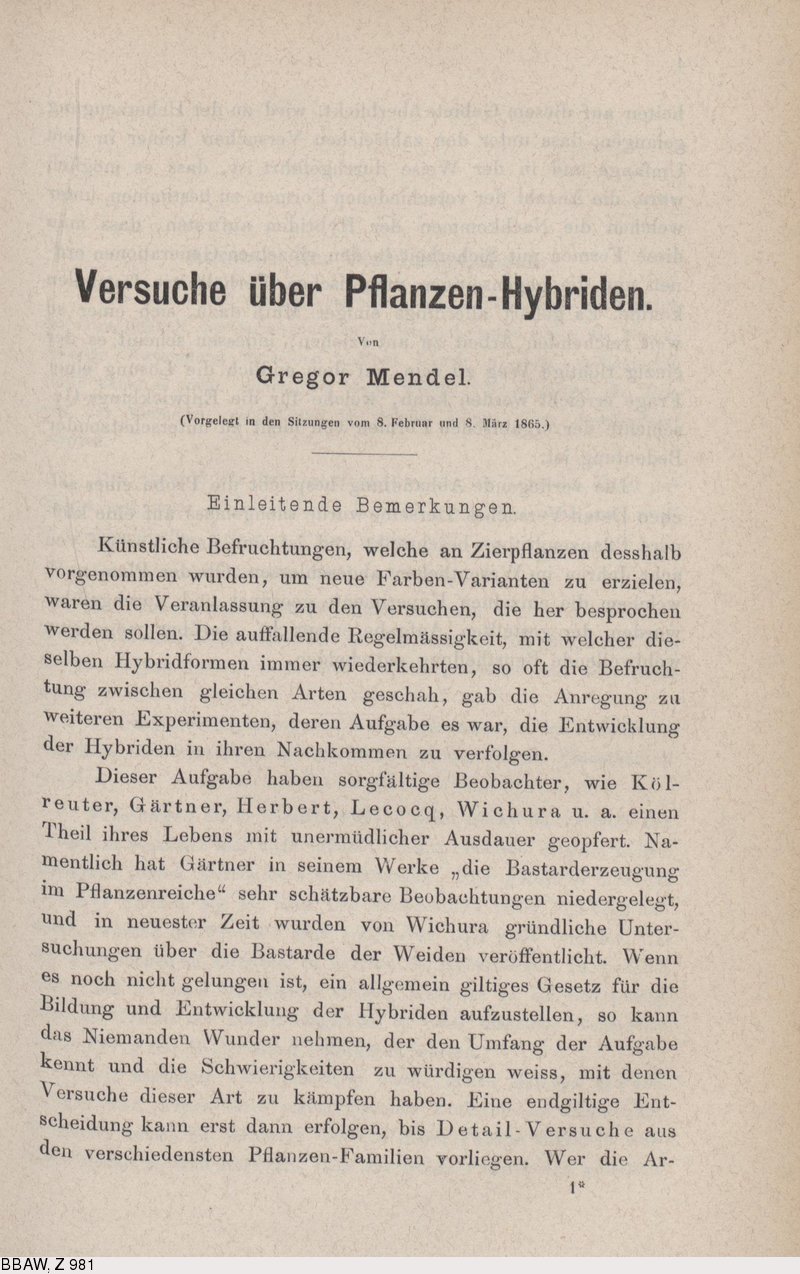
Versuche über Pflanzen-Hybriden
Gregor Mendel · 1866 (read 1865)
 Photograph
Primary source
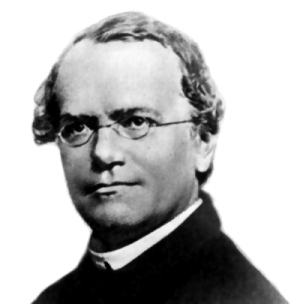
Gregor Mendel
Unknown
 Photograph
Primary source
Mendel with other monks
Unknown
 Photograph
Primary source
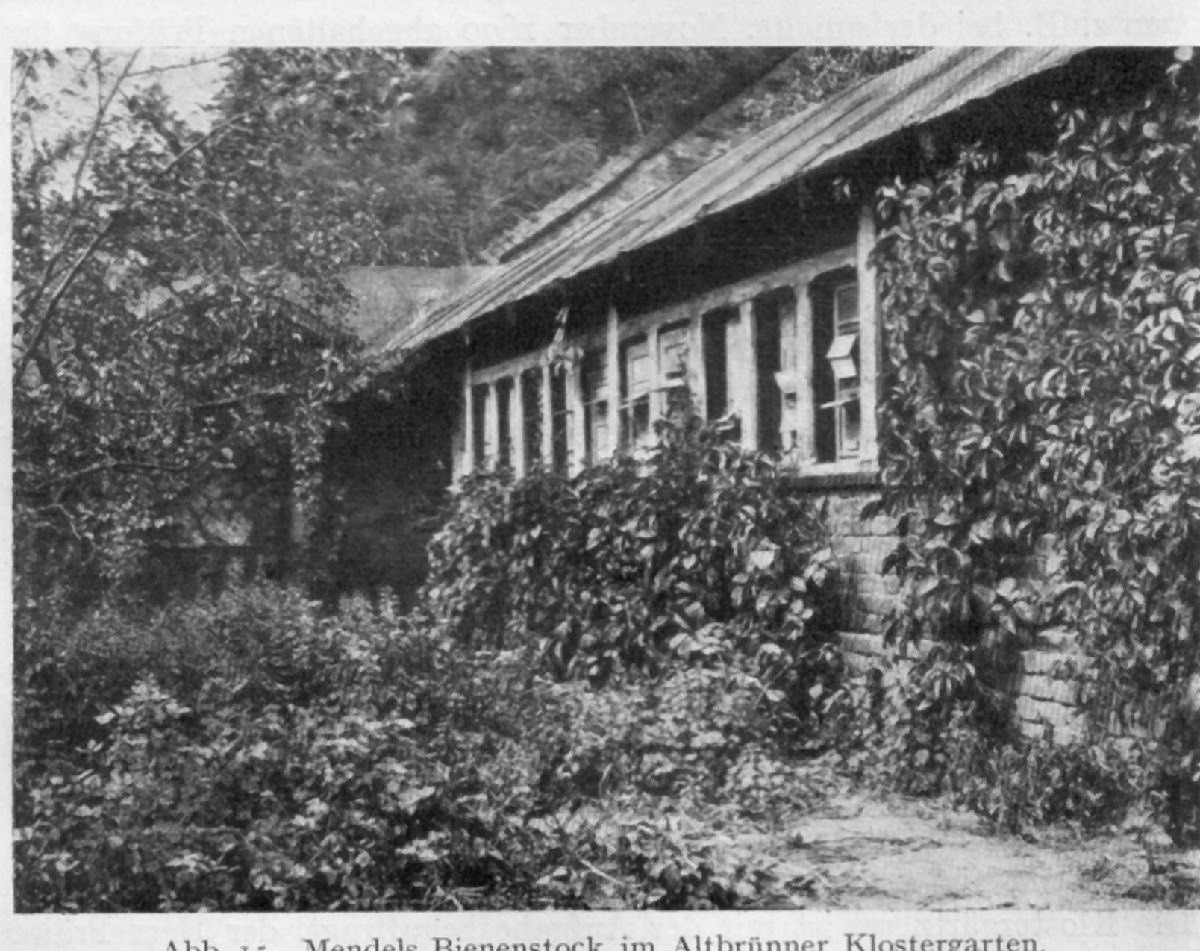
Mendel's Beehouse
Unknown · before 1909
Ready when you are
Start chatting with Gregor Mendel now.
20 messages free · No credit card · Available in 50+ languages.