


Primary sourceBook1899
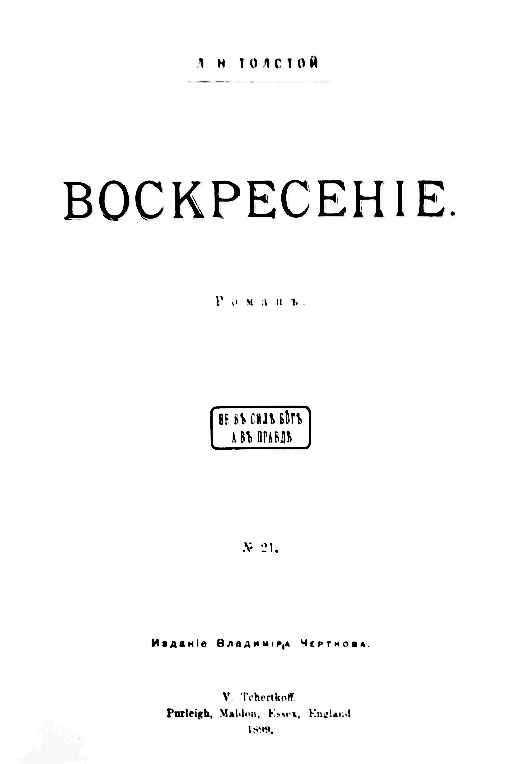
Resurrection
Leo Tolstoy · 1899
Tolstoy's last novel, attacking courts, prisons, the Church and private landownership; its proceeds helped the persecuted Doukhobors emigrate.
Tolstoy's last novel, written to fund the emigration of the Doukhobors and leading to his excommunication.
About this source
What it is
Resurrection is a novel by Leo Tolstoy, first published in December 1899. It was the last novel he wrote and published in his lifetime.
Why it matters
Tolstoy meant the novel as a panoramic view of Russian society and an attack on man-made laws and the hypocrisy of the institutional Church. Its publication led to his excommunication from the Russian Orthodox Church in 1901. Tolstoy finished the book quickly so he could use its proceeds to help the persecuted Doukhobors emigrate from Russia to Canada, showing how he used his writing for direct political and humanitarian action. The story was inspired by a real case told to Tolstoy by his friend Anatoly Koni, and the character Toporov is a caricature of the real official Konstantin Pobedonostsev.
Look closer
- Why might a novel lead to a writer's excommunication from his church?
- What does it mean that Tolstoy used money from this book to help a persecuted group emigrate?
- How might basing a novel on a real court case change how readers judge its fairness?
This book is part of the curated material that grounds the AI version of Leo Tolstoy on Humy.ai — when students ask about related events, the AI can quote it and cite it.
More Leo Tolstoy sources
Meet the AI Leo Tolstoy →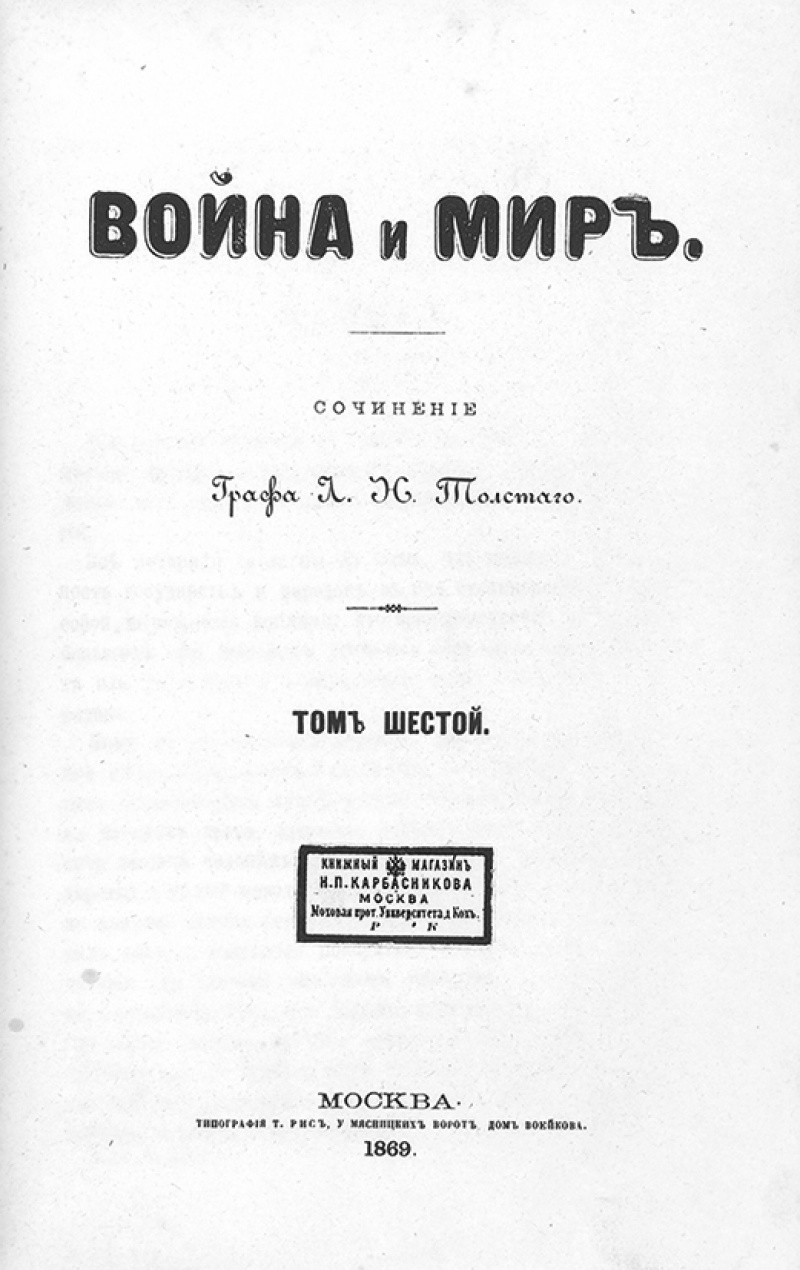 Book
Primary source
War and Peace
Leo Tolstoy · 1863–1869
 Photograph
Secondary source
Alice Verden as Lisa in The Living Corpse
Hugo Erfurth · 23 December 1913
 Book
Primary source
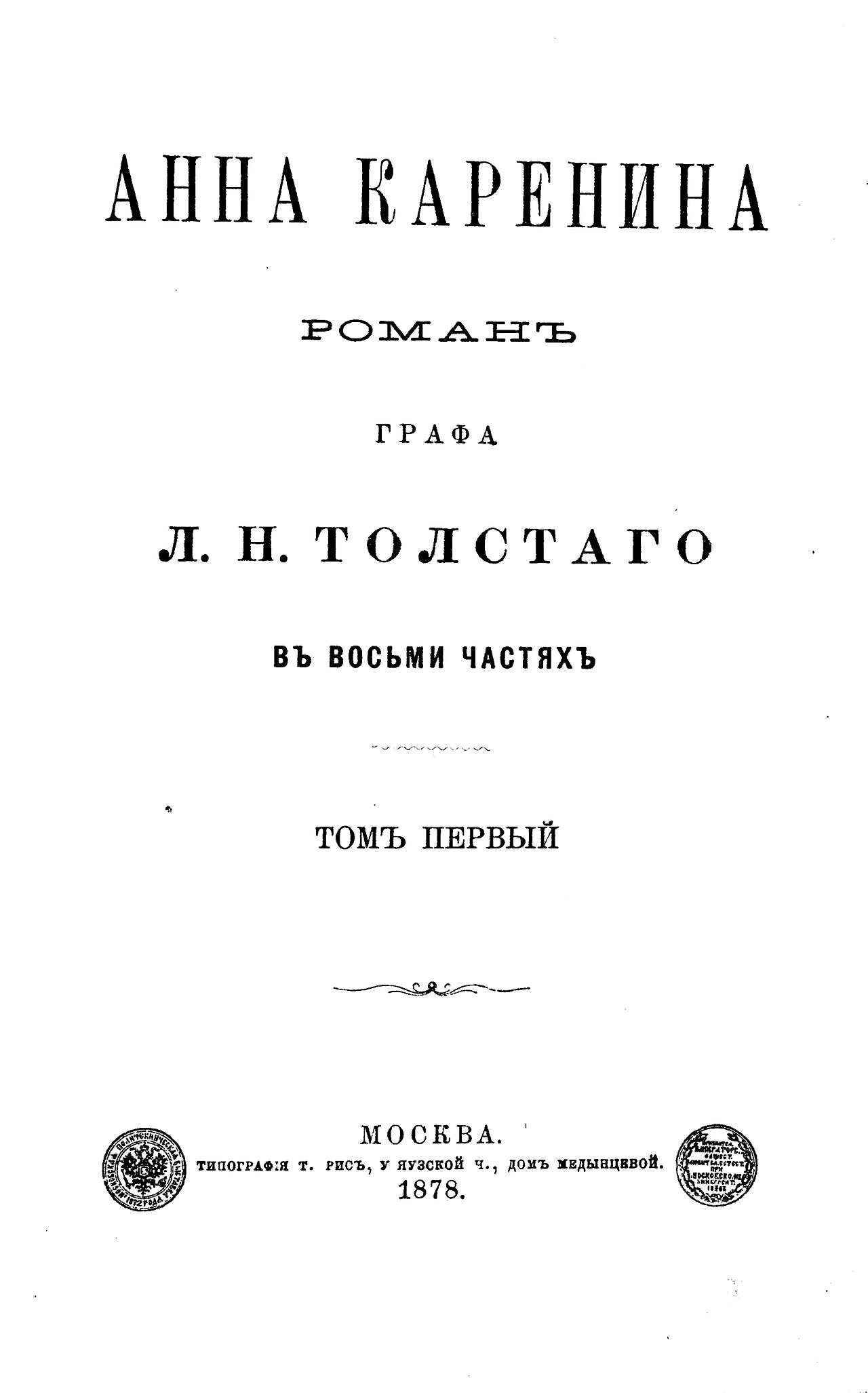
Anna Karenina
Leo Tolstoy · 1875–1878
 Book
Primary source
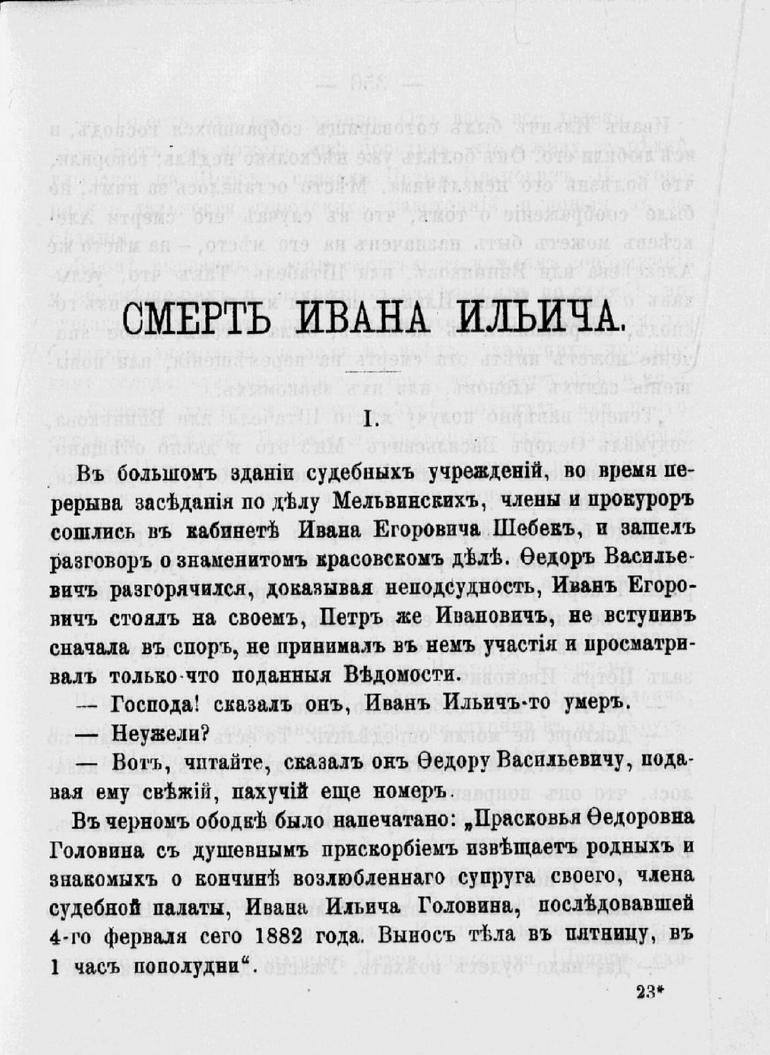
The Death of Ivan Ilyich
Leo Tolstoy · 1886 (written 1882)
Primary source
A Confession
Leo Tolstoy · written 1879–1880, published 1882
Ready when you are
Start chatting with Leo Tolstoy now.
20 messages free · No credit card · Available in 50+ languages.