


Secondary sourcePainting1852
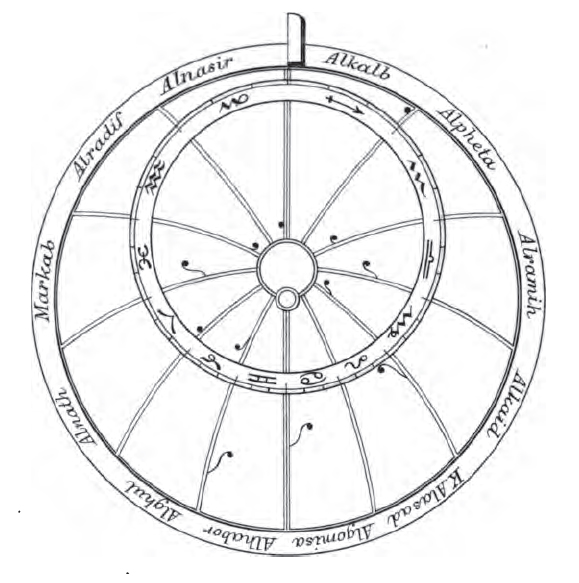
Rete or zodiac of Chaucer's astrolabe
J.R. Smith · 1852
An 1852 engraving by J.R. Smith of the rete, the star-and-zodiac plate of an astrolabe. It illustrates the instrument described in Chaucer's treatise.
It shows the astrolabe rete that Chaucer's treatise describes, so it links his written instructions to a picture of the instrument.
About this source
What it is
This is an 1852 engraving by J.R. Smith showing the rete, or zodiac, of an astrolabe. The rete is the openwork plate with star pointers and zodiac ring. The image is labeled with Arabic star names such as Alkalb, Alphekta, Markab, Algenib and Alnasir.
The engraving illustrates the instrument described in Chaucer's treatise on the astrolabe. It was made more than four centuries after Chaucer's death, so it is a later picture, not an object he held.
Why it matters
Chaucer wrote a treatise explaining how the astrolabe worked, and many readers have needed pictures to follow his written description. This engraving shows how a 19th-century publisher presented a medieval scientific instrument to readers of its time.
Look closer
- Which parts of the rete would a user need to find a particular star?
- Why did an 1852 publisher include Arabic star names in a picture connected to an English poet's treatise?
- What does this single drawing leave out about how the instrument was actually used?
This painting is part of the curated material that grounds the AI version of Geoffrey Chaucer on Humy.ai — when students ask about related events, the AI can quote it and cite it.
More Geoffrey Chaucer sources
Browse all 95 →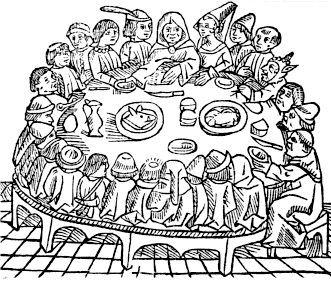 Book
Primary source
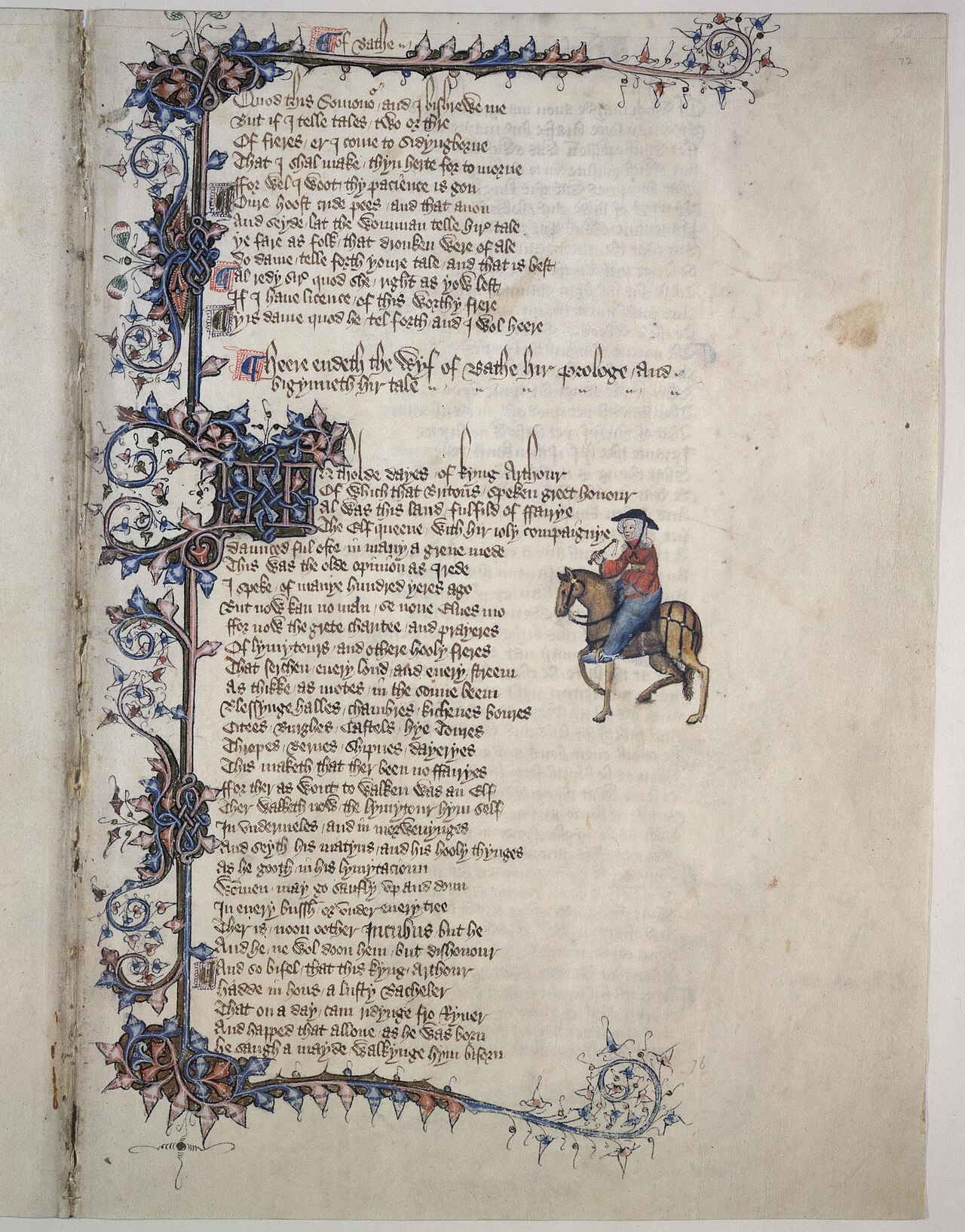
The Canterbury Tales
Geoffrey Chaucer · 1387-1400
 Book
Secondary source
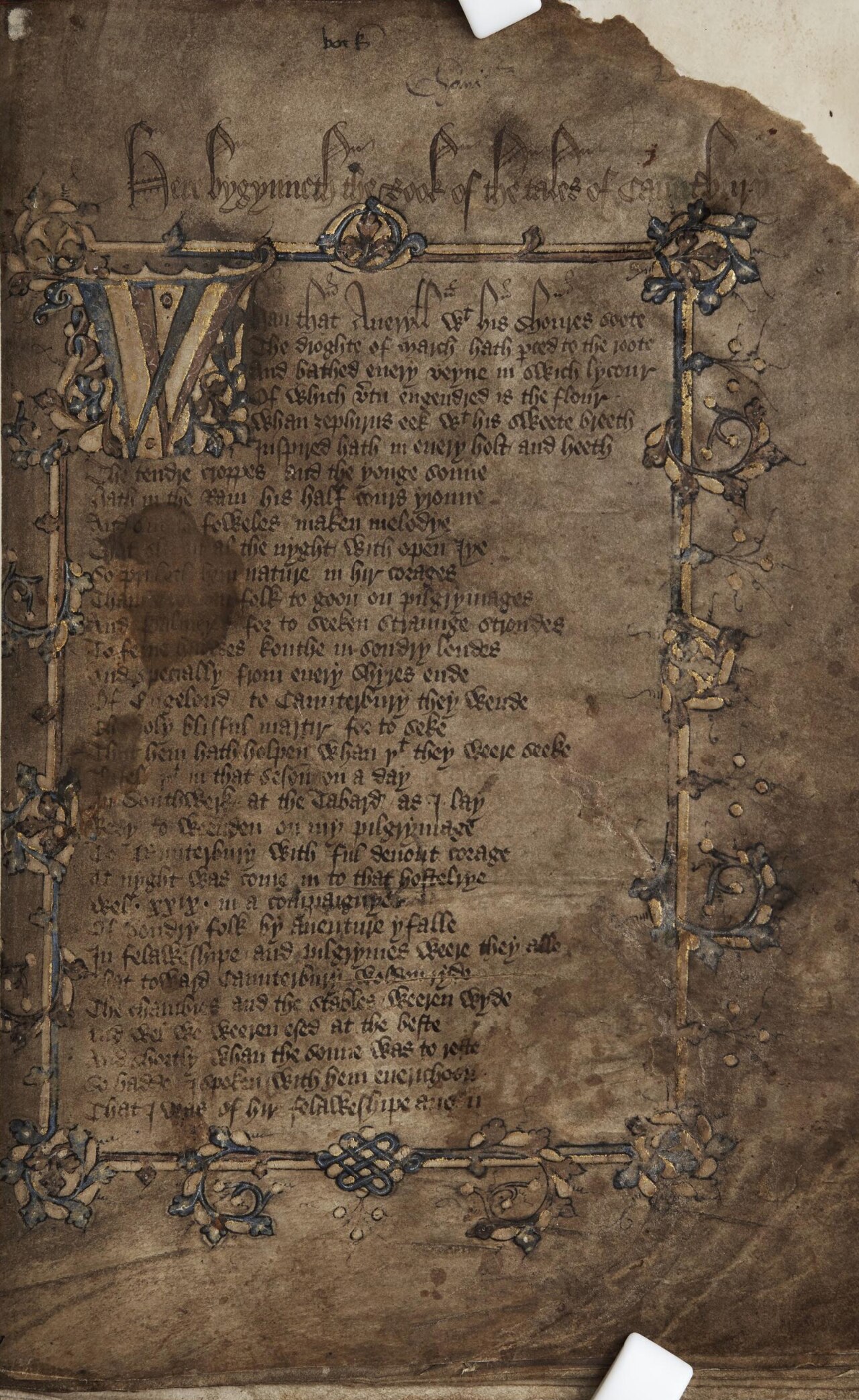
General Prologue
Geoffrey Chaucer · 1389
 Book
Secondary source
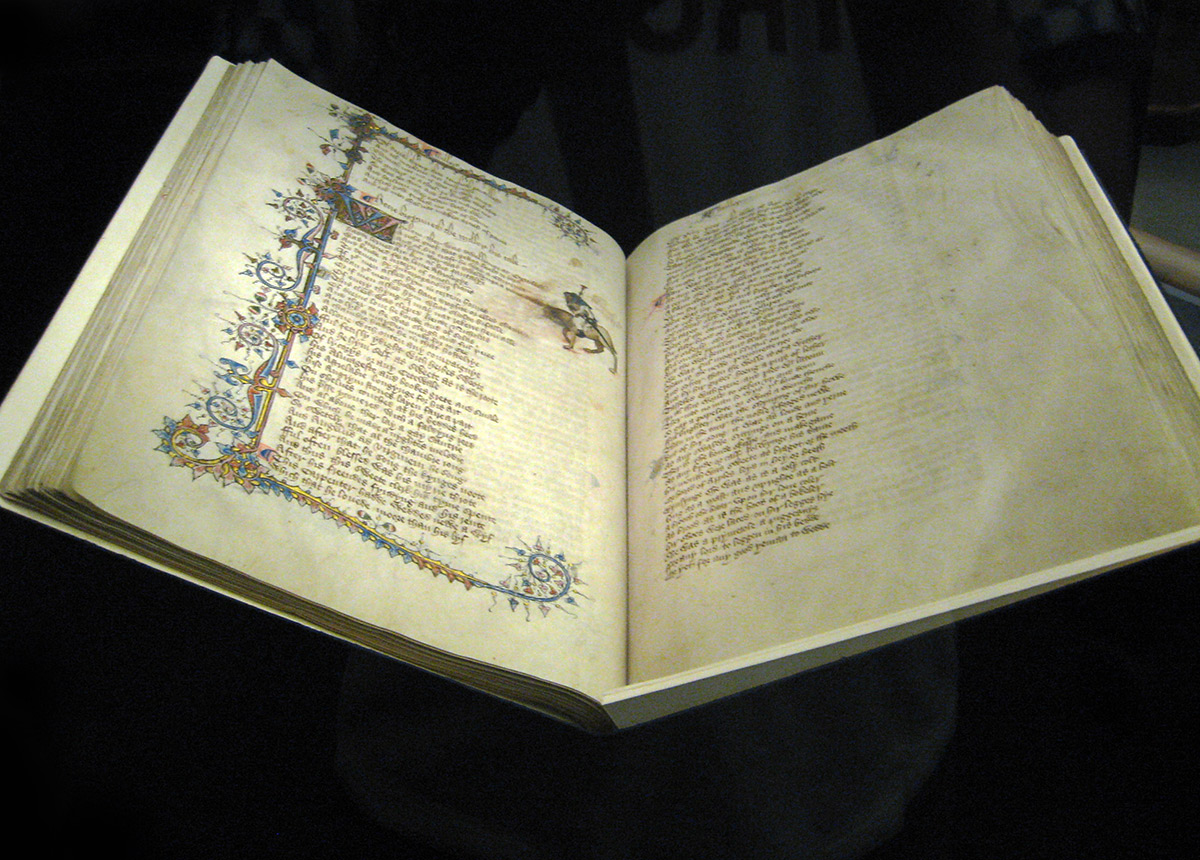
Ellesmere Chaucer
c. 1405
BookPrimary source
Hengwrt Chaucer
Geoffrey Chaucer · c. 1400
Free account
Read every Geoffrey Chaucer source
Sign up free →
Ready when you are
Start chatting with Geoffrey Chaucer now.
20 messages free · No credit card · Available in 50+ languages.