


Primary sourceArtifact1733
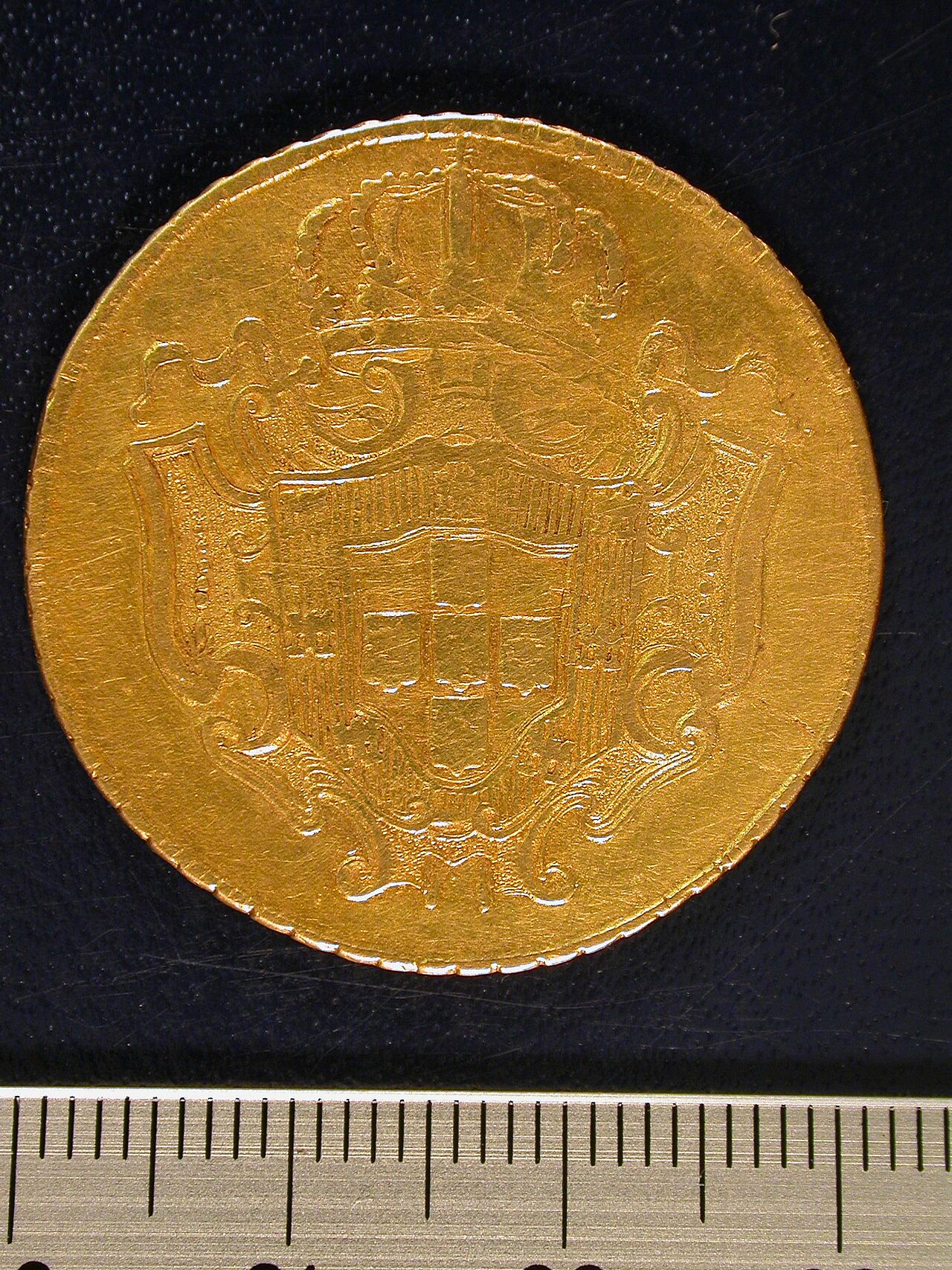
Reverse of Gold 4-Escudo Coin of João V
1733
The reverse side of a 1733 Portuguese gold coin minted in Minas Gerais, showing the royal arms, linked to the colonial economy Tiradentes rebelled against.
This coin's Minas Gerais mintmark ties it to the gold economy whose taxation sparked the uprising Tiradentes led.
About this source
What it is
This is the reverse side of a gold 4-escudo coin (also called a peça or dobra) of King João V of Portugal, issued in 1733. The 'M' mintmark shows it was struck in Minas Gerais, Brazil. These coins also circulated in England and Wales, where they were nicknamed 'Joes'.
Why it matters
This coin shows how Brazilian gold flowed out of the colony and even into European economies. The heavy taxes Portugal demanded on this gold contributed to the resentment that led to the Inconfidência Mineira, the failed independence conspiracy for which Tiradentes was executed.
Look closer
- What does the crowned coat of arms tell you about who controlled this gold?
- Why might this coin have been valuable far from Brazil, in places like England?
- What story about colonial labor does a coin like this not tell?
This artifact is part of the curated material that grounds the AI version of Tiradentes on Humy.ai — when students ask about related events, the AI can quote it and cite it.
More Tiradentes sources
Browse all 56 →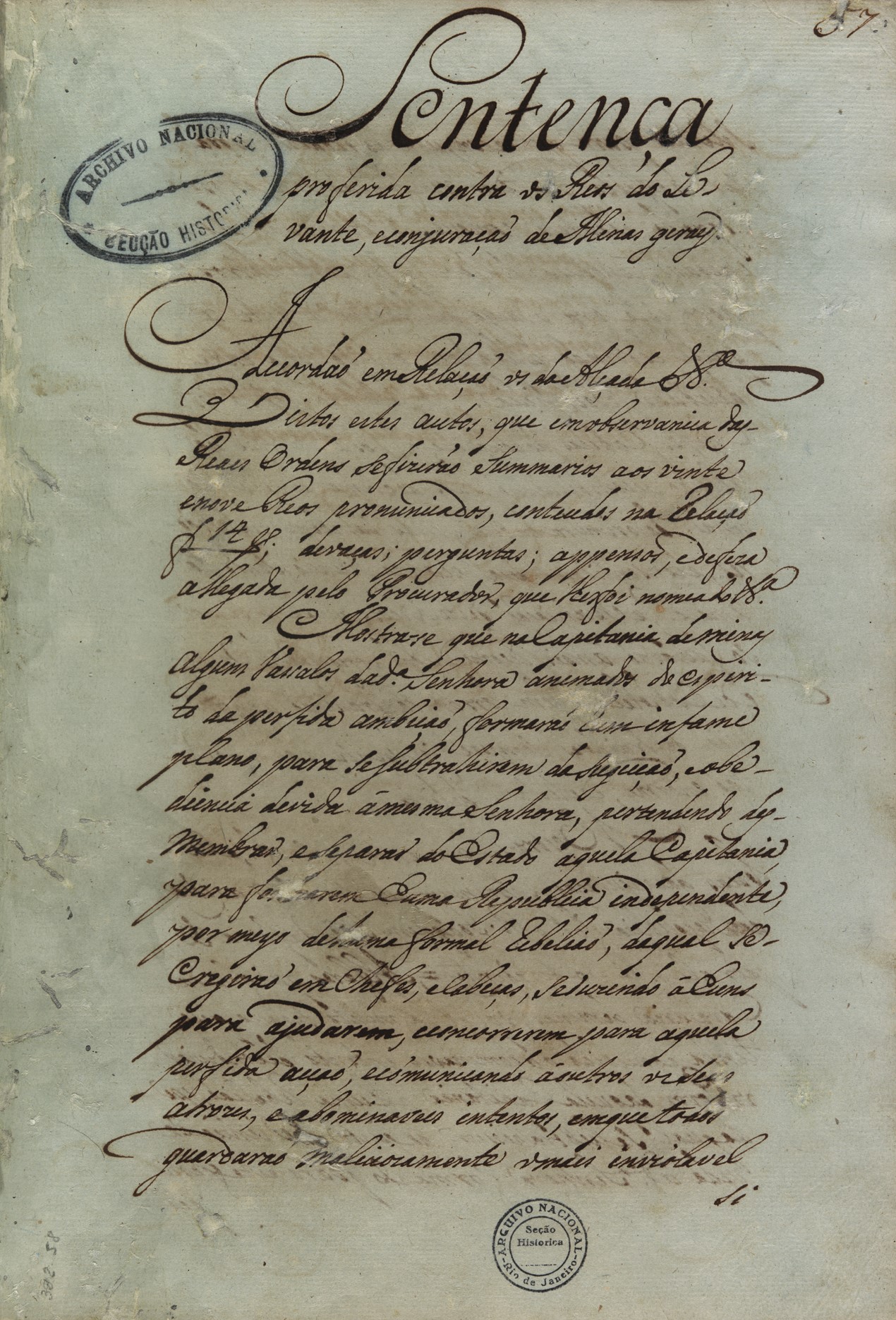 Document
Primary source
Autos de Devassa da Inconfidência Mineira
Portuguese colonial judiciary (Devassas of Vila Rica and Rio de Janeiro) · 1789–1792
 Painting
Secondary source
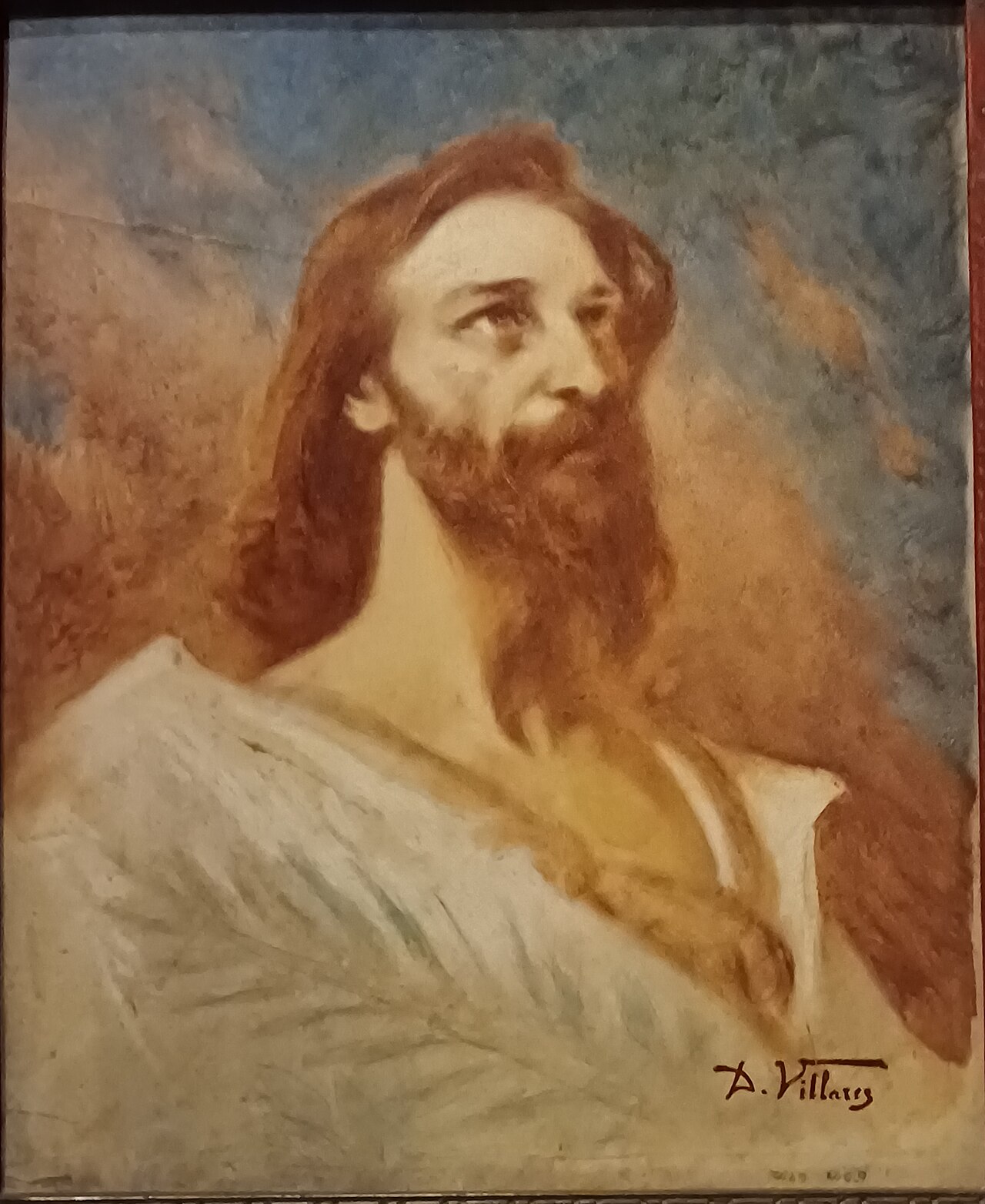
Tiradentes
Décio Villares
 Painting
Secondary source
Alferes Tiradentes
José Wasth Rodrigues
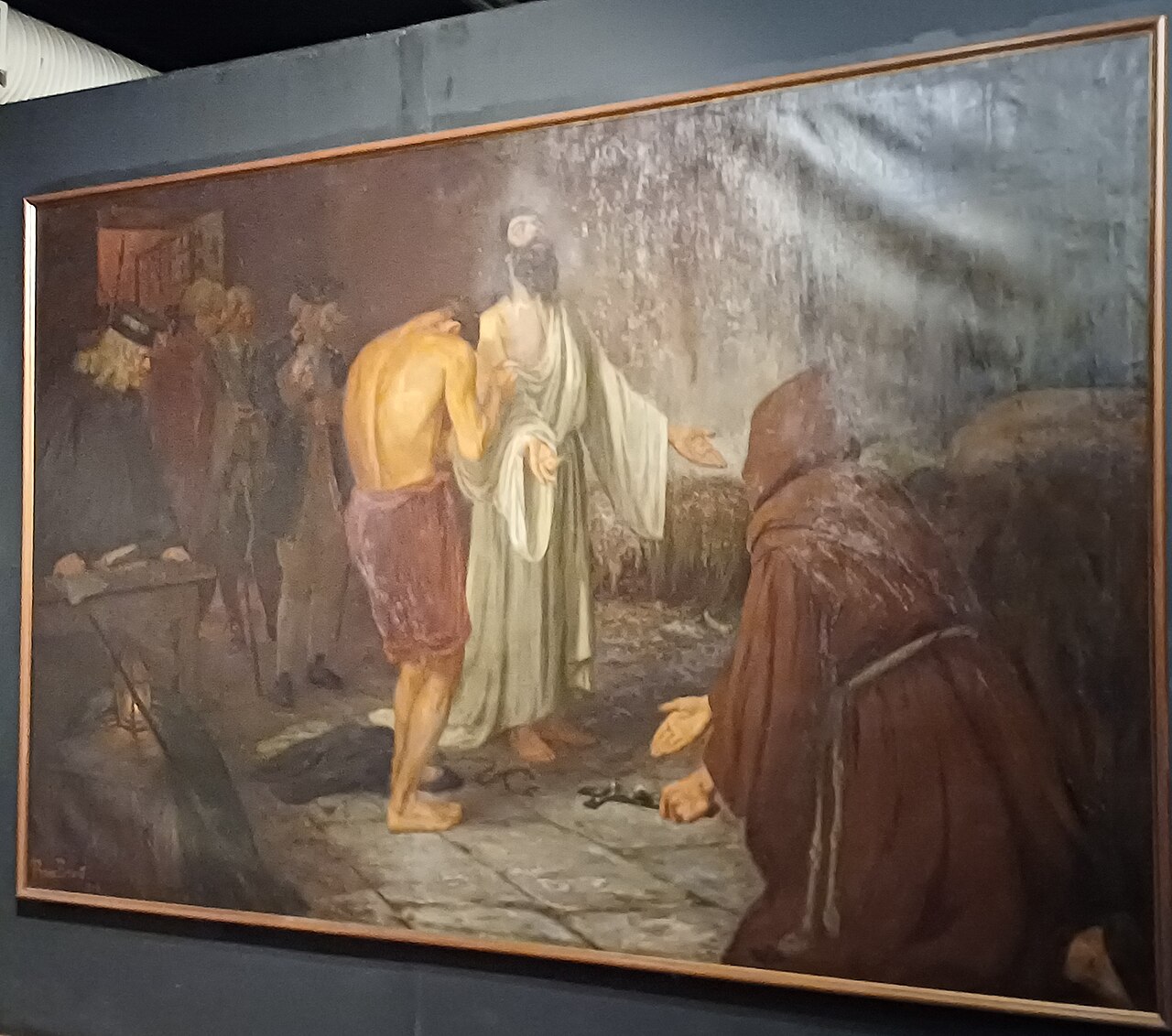 Painting
Secondary source
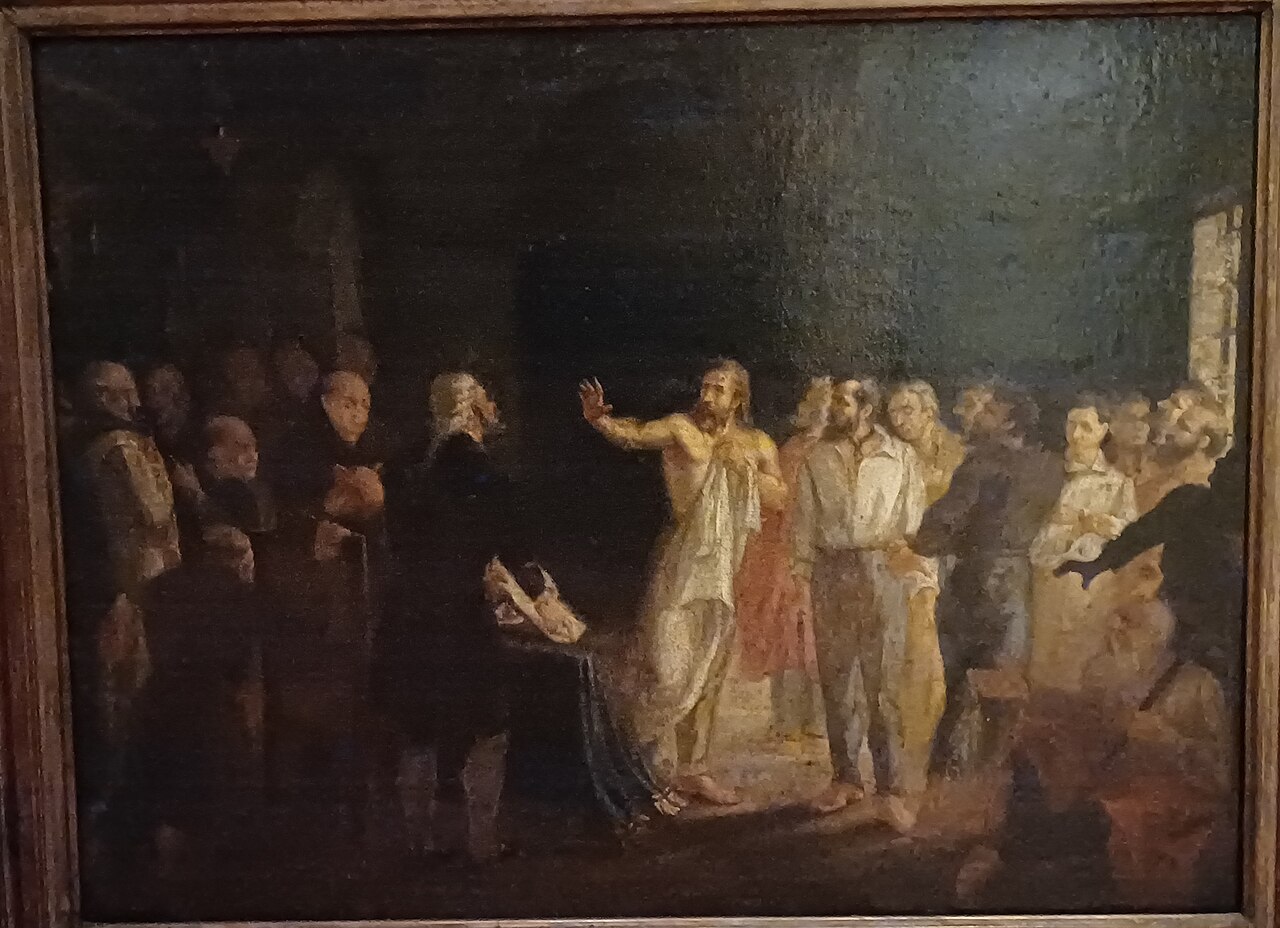
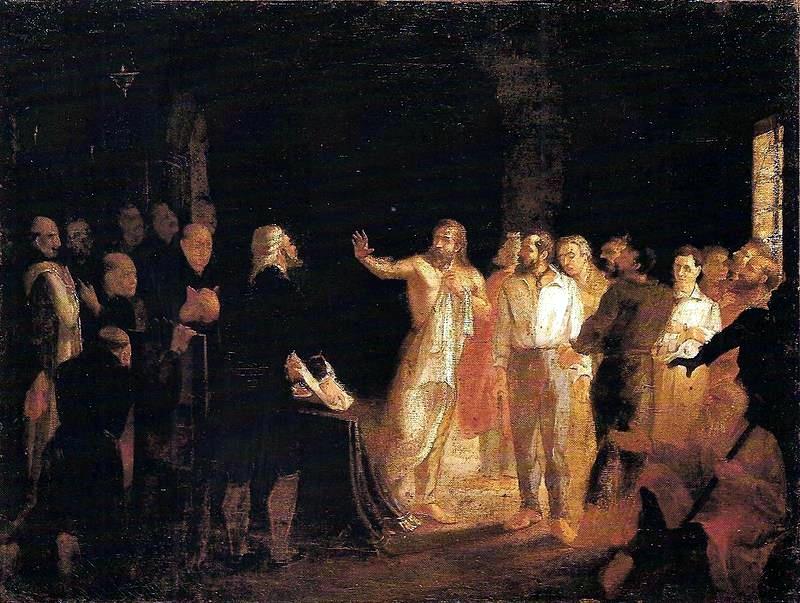
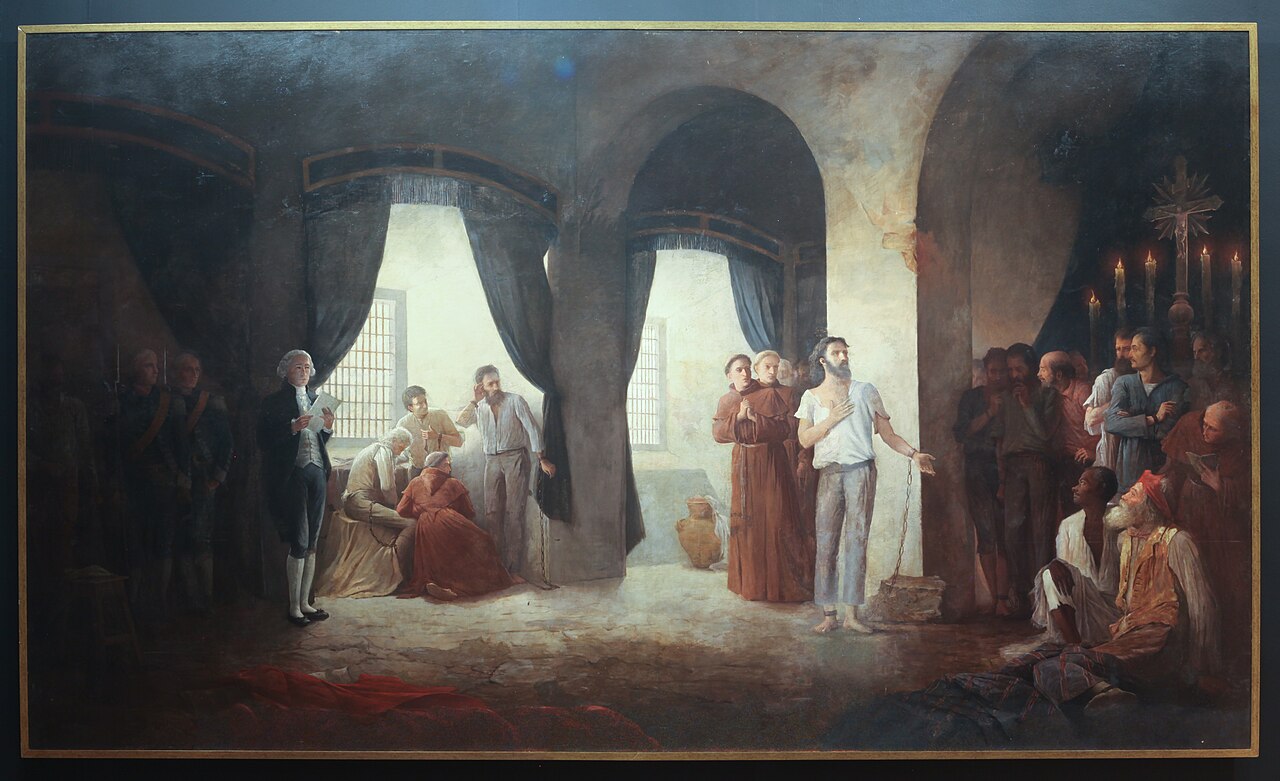
O Precursor
Pedro Bruno · 1922
Free account
Read every Tiradentes source
Sign up free →
Ready when you are
Start chatting with Tiradentes now.
20 messages free · No credit card · Available in 50+ languages.