


Secondary sourceDocument1934
Rhapsody on a Theme of Paganini
Sergei Rachmaninoff · 1934
A 1934 orchestral work by Sergei Rachmaninoff built from variations on the theme of Paganini's famous 24th Caprice.
This later work by Rachmaninoff is built on Paganini's own Caprice theme, showing his lasting musical influence.

About this source
What it is
The Rhapsody on a Theme of Paganini, Op. 43, is a work for piano and orchestra written by Sergei Rachmaninoff in 1934 at his home in Switzerland. It consists of 24 variations on the theme of Paganini's last Caprice for solo violin, and Rachmaninoff himself played the piano part at its premiere.
Why it matters
Paganini's violin theme inspired many later composers, and Rachmaninoff's Rhapsody is the most famous example. It shows how Paganini's musical ideas outlived him, shaping the work of a very different composer nearly a century later. The piece also quotes a medieval "day of wrath" melody, linking Paganini's showmanship to older ideas about fate and mortality.
Look closer
- Why might a composer in the 20th century still want to use a theme written over a hundred years earlier?
- What does it suggest about Paganini's reputation that his melody could inspire such a famous later work?
- Listening to the excerpt shown, can you find the original theme hidden inside the variation?
This document is part of the curated material that grounds the AI version of Niccolò Paganini on Humy.ai — when students ask about related events, the AI can quote it and cite it.
More Niccolò Paganini sources
Browse all 93 →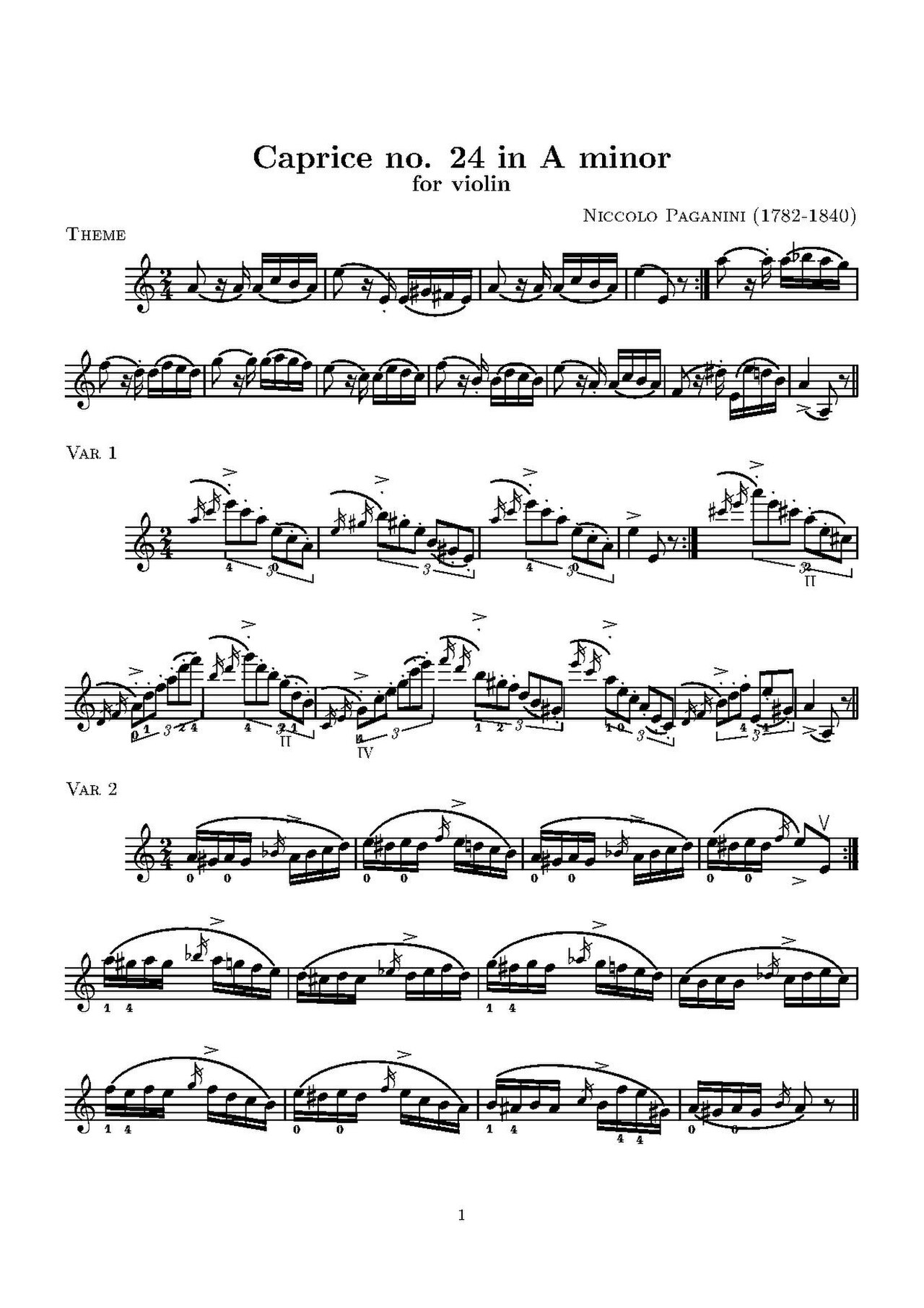 Book
Primary source
24 Caprices for Solo Violin
Niccolò Paganini · 1802–1817
 Artifact
Primary source
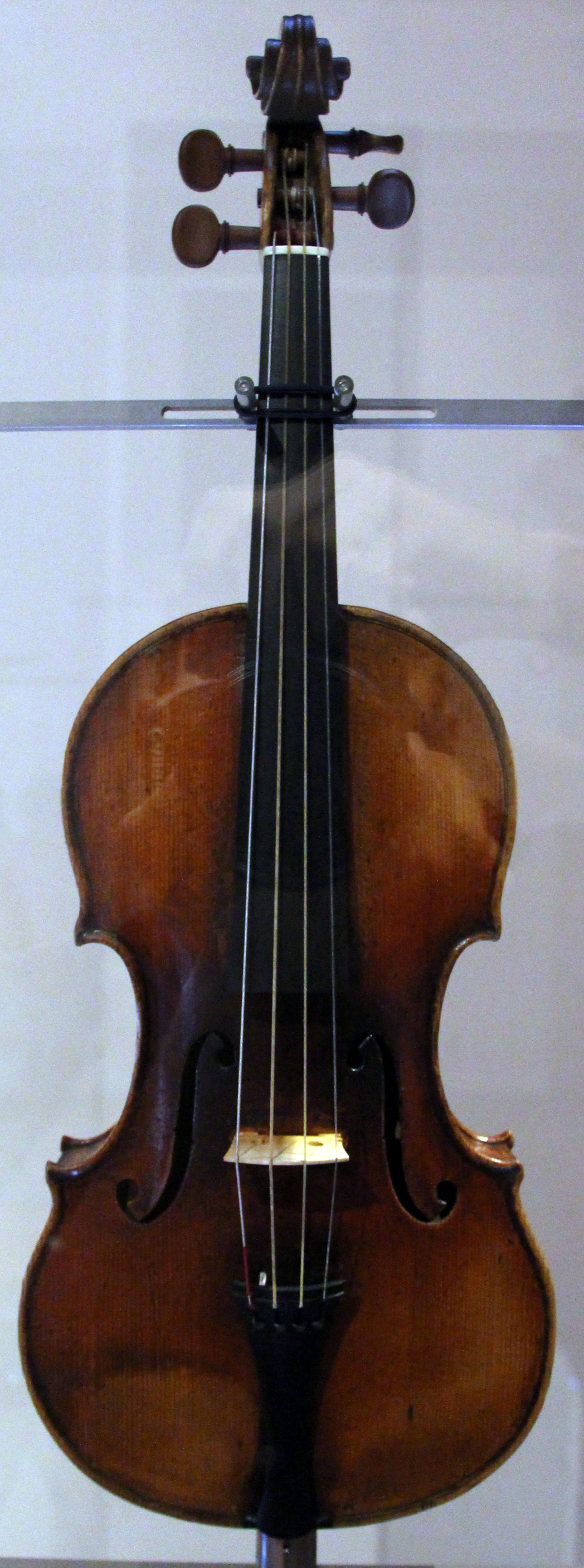
Il Cannone Guarnerius
Giuseppe Guarneri · 1743
 Document
Primary source
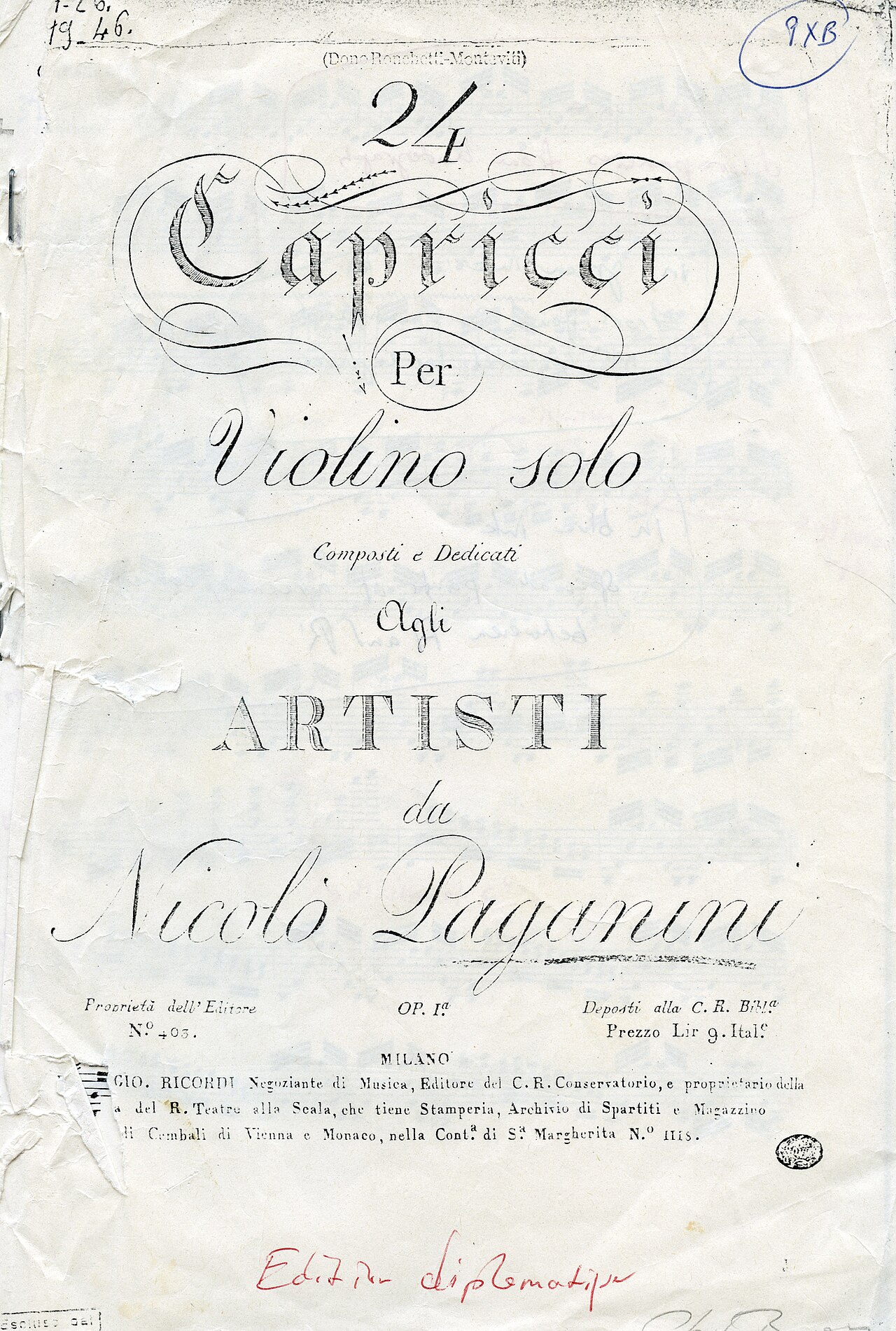
24 Capricci, prima edizione, Ricordi 1820
Niccolò Paganini · 1820
 Painting
Primary source
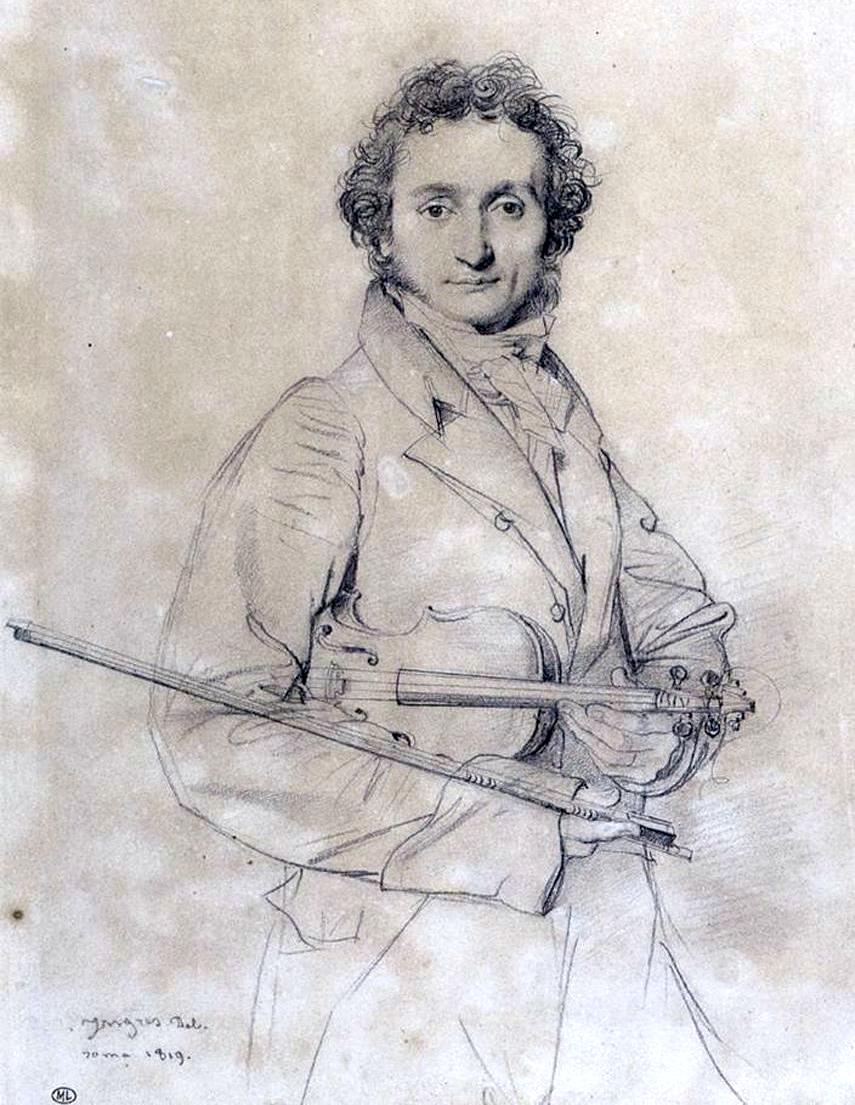
Portrait of Niccolò Paganini
Jean-Auguste-Dominique Ingres · 1819
Free account
Read every Niccolò Paganini source
Sign up free →
Ready when you are
Start chatting with Niccolò Paganini now.
20 messages free · No credit card · Available in 50+ languages.