


Primary sourceDocument30 November 1094
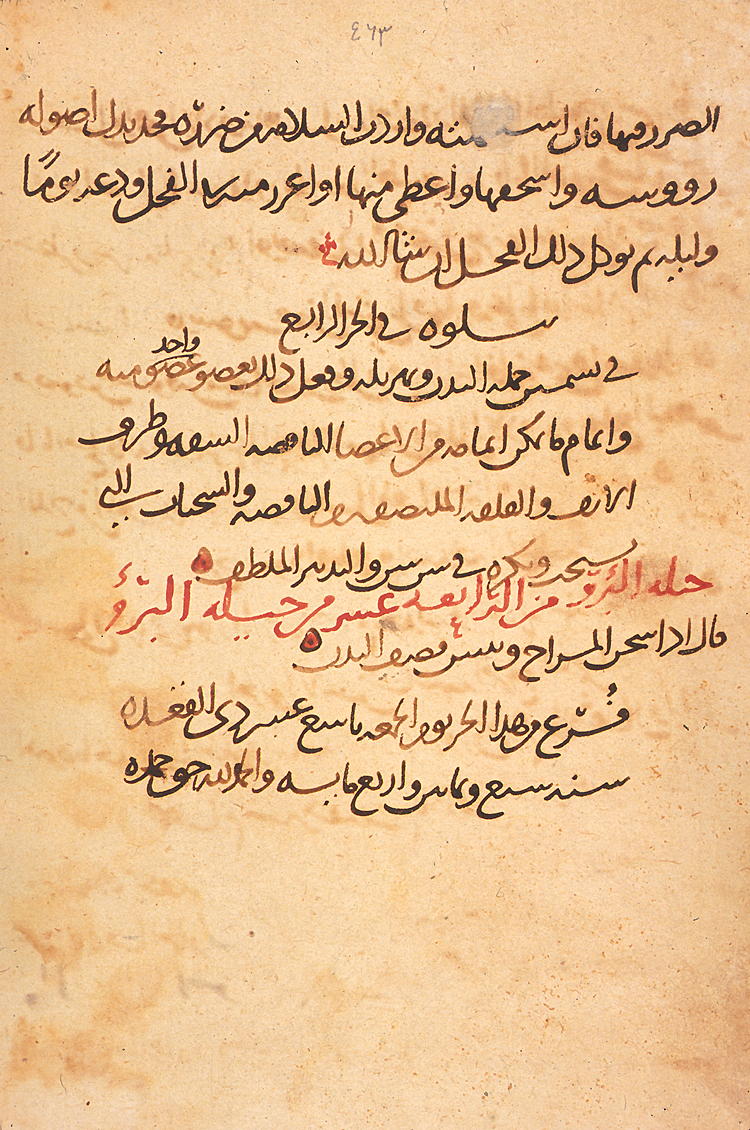
Rhazes NLM Manuscript Colophon
Unknown 10th century scribe · 30 November 1094
The final page of an early Arabic manuscript copy of al-Razi's al-Hawi, dated by its scribe to 1094, held by the US National Library of Medicine.
A manuscript copy of al-Razi's al-Hawi, showing how his medical text was preserved and transmitted after his death.
About this source
What it is
This is the last page of an early handwritten Arabic copy of al-Razi's al-Hawi. It was written out by an unnamed scribe who added a colophon noting the date he finished copying the text. It is now held by the US National Library of Medicine.
Why it matters
According to the library, this is their oldest volume and the third oldest Arabic medical manuscript known to survive. It shows how al-Razi's work was copied and passed down by hand for generations before printing existed, carrying his medical knowledge across the Islamic world.
Look closer
- Why would a scribe bother to record the exact date he finished copying?
- What does the survival of this single page tell us about how fragile old manuscripts can be?
- Why might historians value a copy made almost two centuries after al-Razi's death as evidence of his work?
This document is part of the curated material that grounds the AI version of Al-Razi on Humy.ai — when students ask about related events, the AI can quote it and cite it.
More Al-Razi sources
Meet the AI Al-Razi →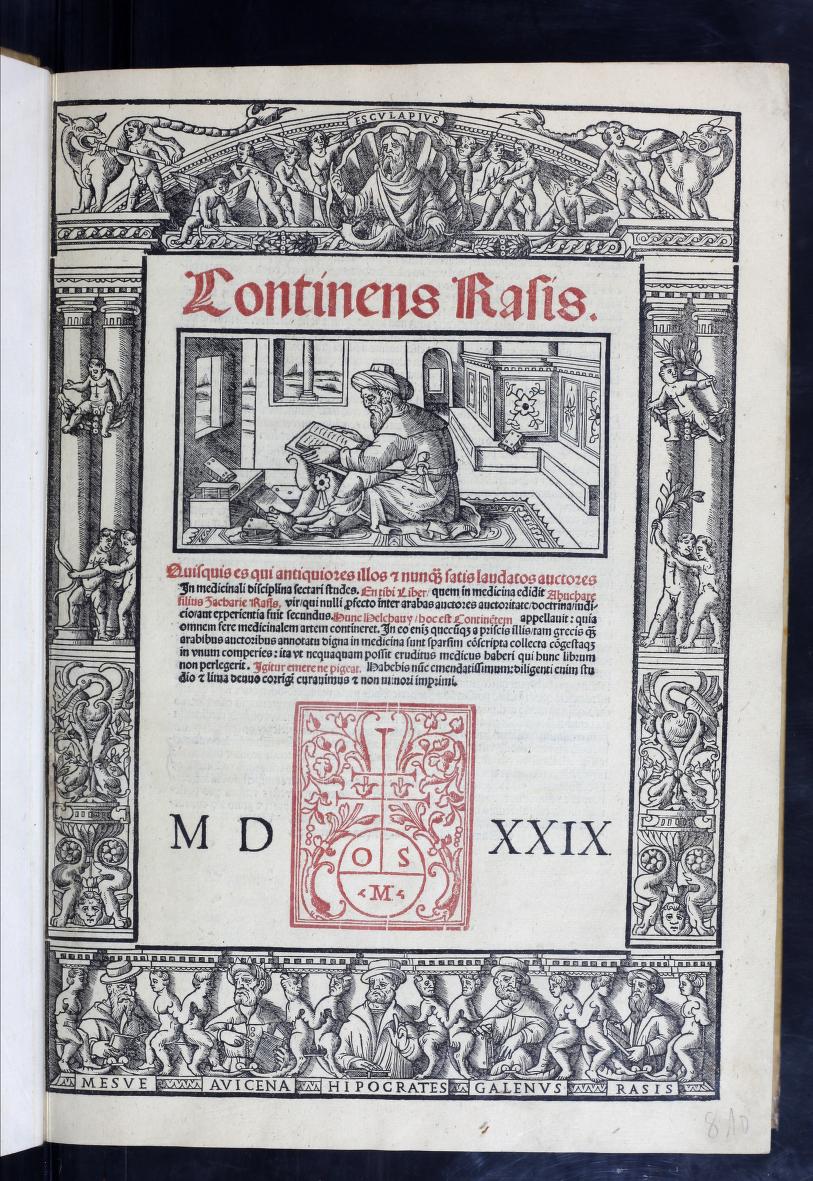 Book
Primary source
The Comprehensive Book on Medicine
Abu Bakr al-Razi · c. 900 (this edition: 1529)
Primary source
The Spiritual Physick
Abu Bakr al-Razi · c. 900s
Primary source
The Philosophical Life
Abu Bakr al-Razi · c. 900s
 Book
Primary source
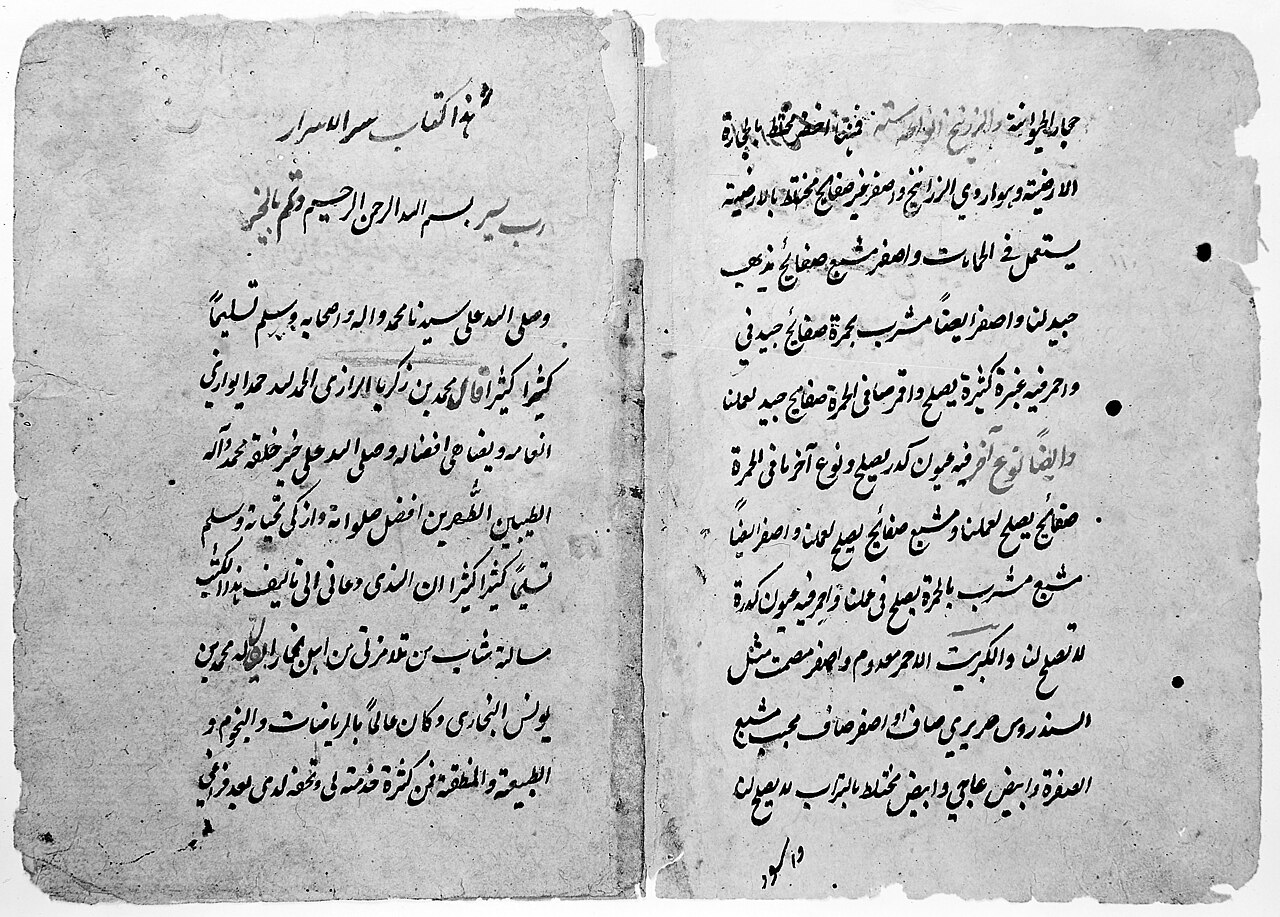
Arabic Manuscript on Alchemy by Razes
Abu Bakr al-Razi
 Book
Secondary source
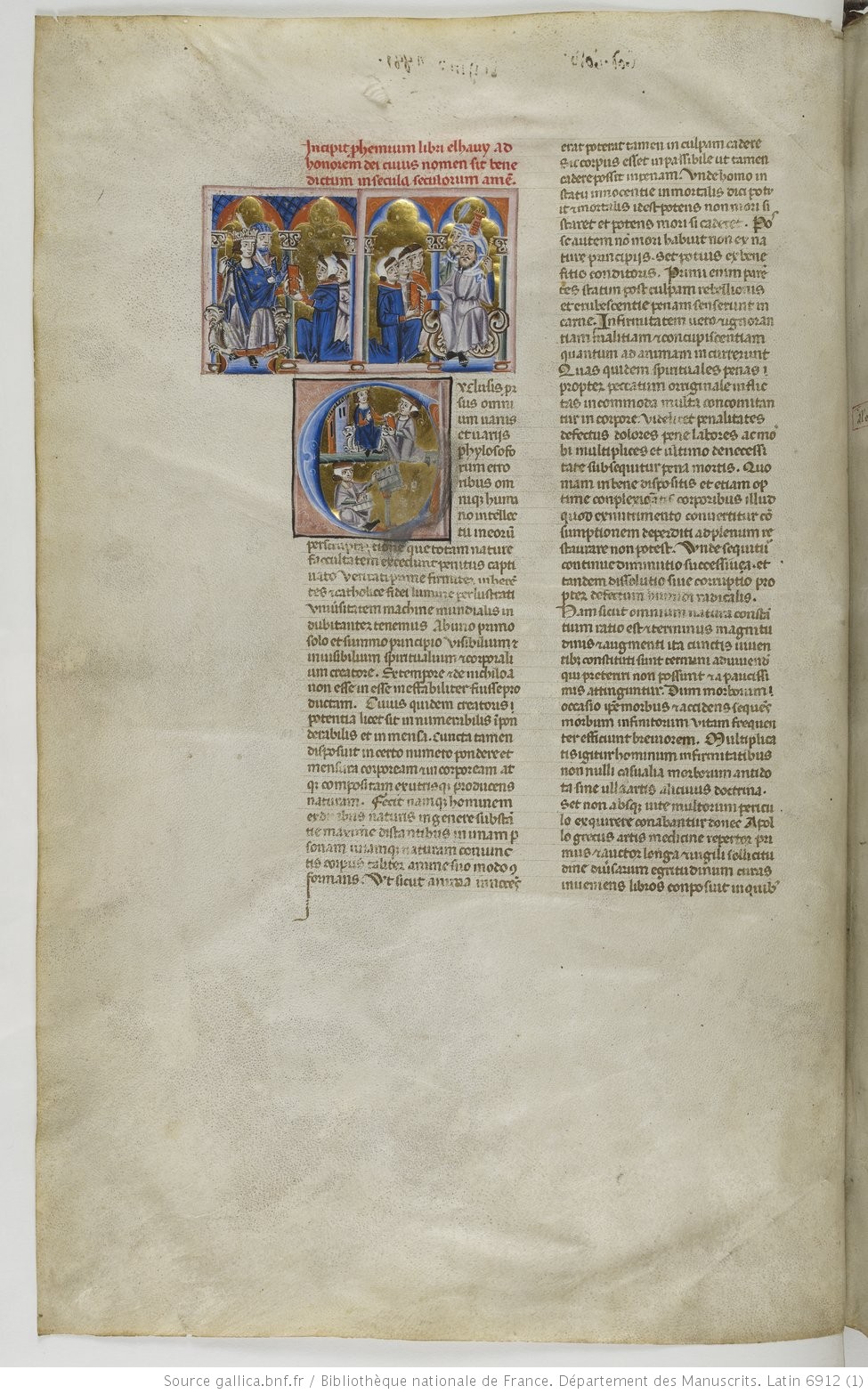
Liber Elhavy (Latin Translation of al-Hawi)
Faraj ben Salim · 1279 (translation)
Ready when you are
Start chatting with Al-Razi now.
20 messages free · No credit card · Available in 50+ languages.