


Secondary sourcePainting1764
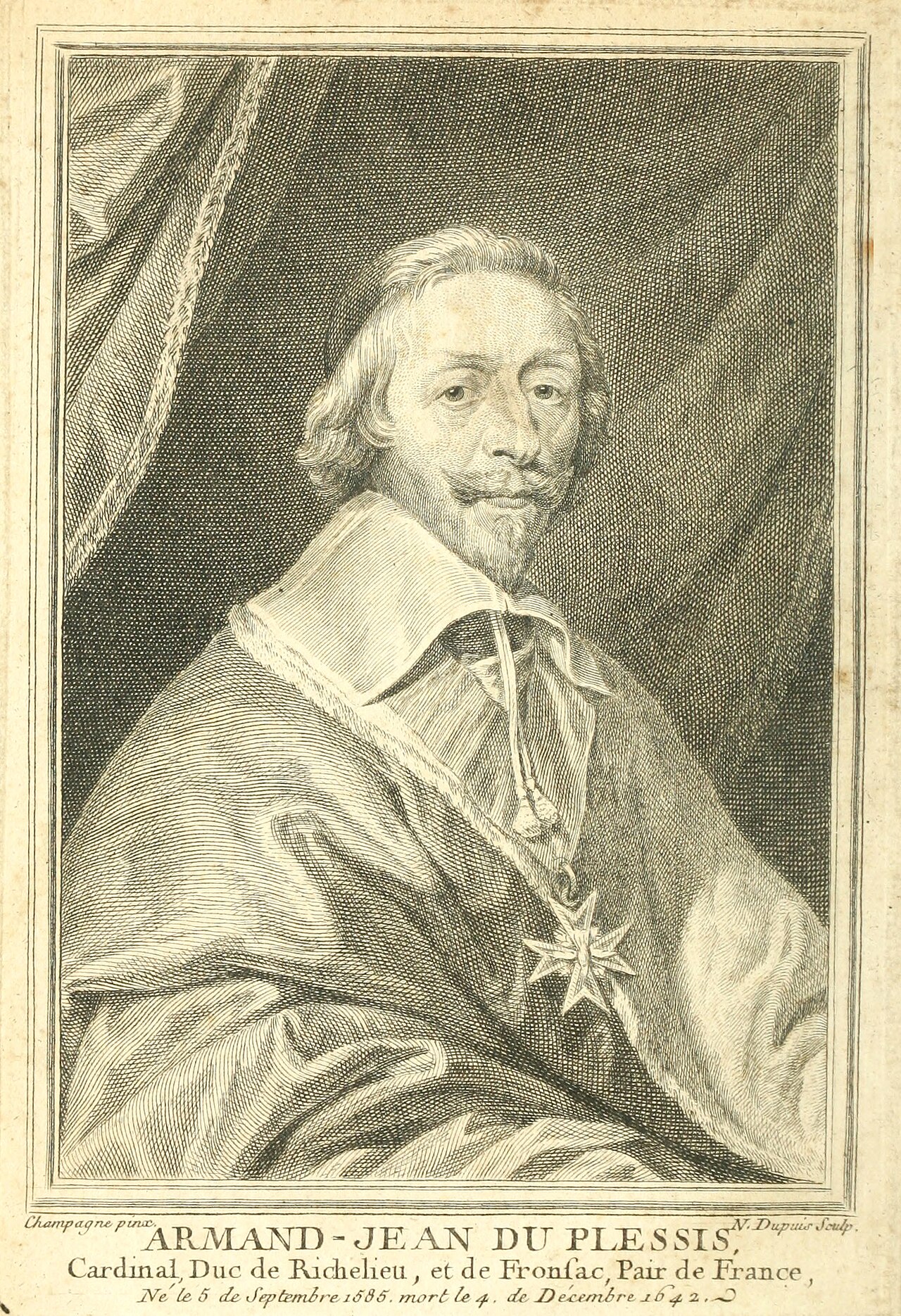
Richelieu portrait after Philippe de Champaigne
Philippe de Champaigne (painter); N. Dupuis (engraver) · 1764
An engraved portrait of Richelieu after a painting by Philippe de Champaigne, printed in a 1764 edition of his political testament.
Shows how Richelieu's portrait, painted by Champaigne, was reproduced for readers of his political testament.
About this source
What it is
This is an engraved portrait of Cardinal Richelieu, made after a painting by Philippe de Champaigne. It was published as an illustration in the 1764 edition of Richelieu's political testament, Maximes d'Etat ou Testament politique. The engraving shows a man with shoulder-length wavy hair, a moustache and a pointed beard, wearing a white lace collar, a cape with fur trim and a star-shaped cross on a cord. A curtain is draped at the left. The printed caption gives his full name and dates and credits Champagne as painter and N. Dupuis as engraver.
Why it matters
Champaigne painted Richelieu during his lifetime, so the portrait connects to an image made by someone who knew the cardinal. The engraving itself dates from 1764, more than a century later, and was printed to accompany a book of Richelieu's political writings. Such reproductions helped spread the image of a statesman to readers who never saw the original painting, and show how his political ideas were kept in print.
Look closer
- What clothing and symbols in the portrait suggest Richelieu's rank and status?
- Why might an 1764 publisher have wanted to include a portrait in a book of political writings?
- What does a printed portrait leave out compared with the original painting?
This painting is part of the curated material that grounds the AI version of Cardinal Richelieu on Humy.ai — when students ask about related events, the AI can quote it and cite it.
More Cardinal Richelieu sources
Browse all 89 →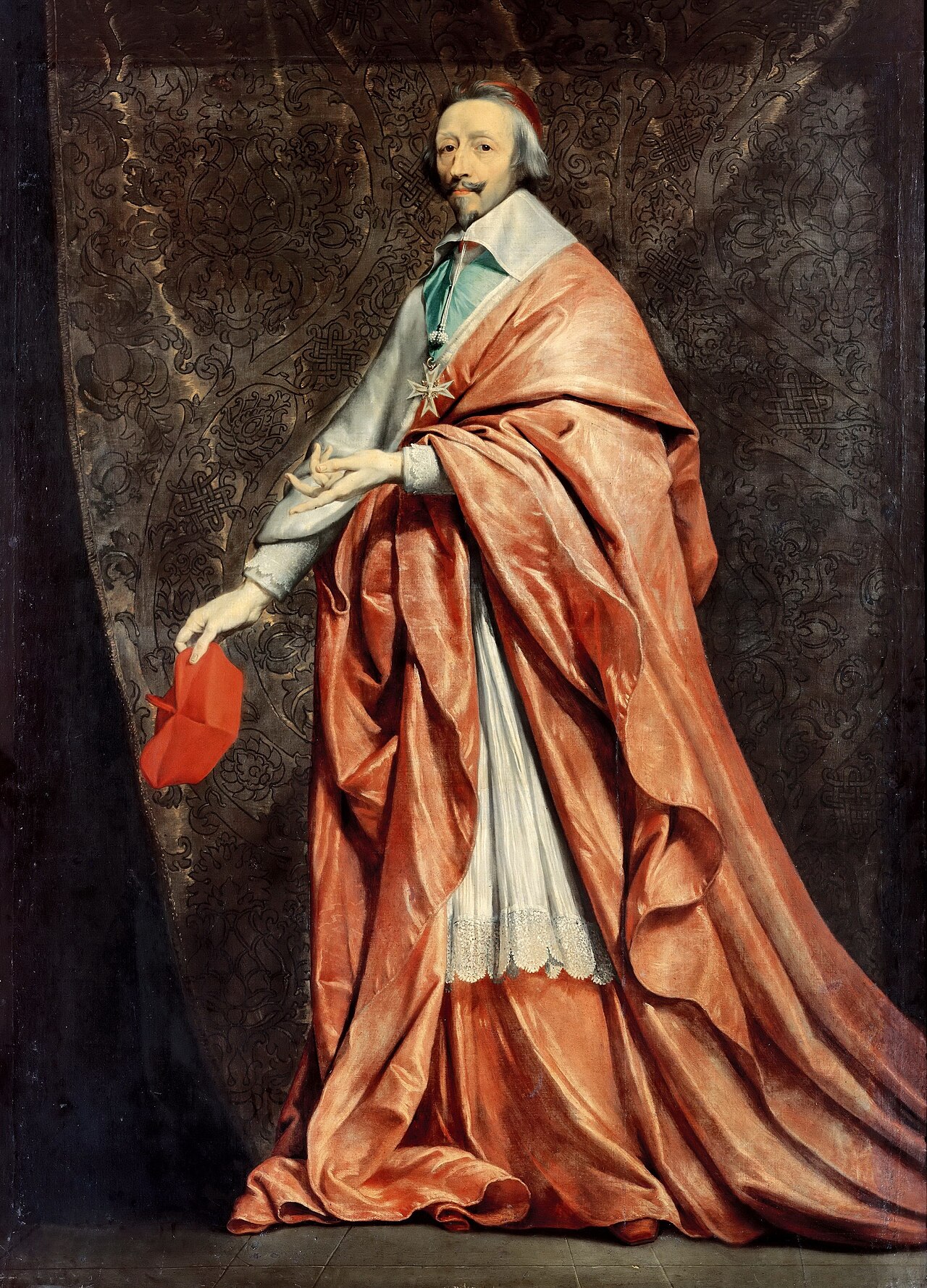 Painting
Primary source
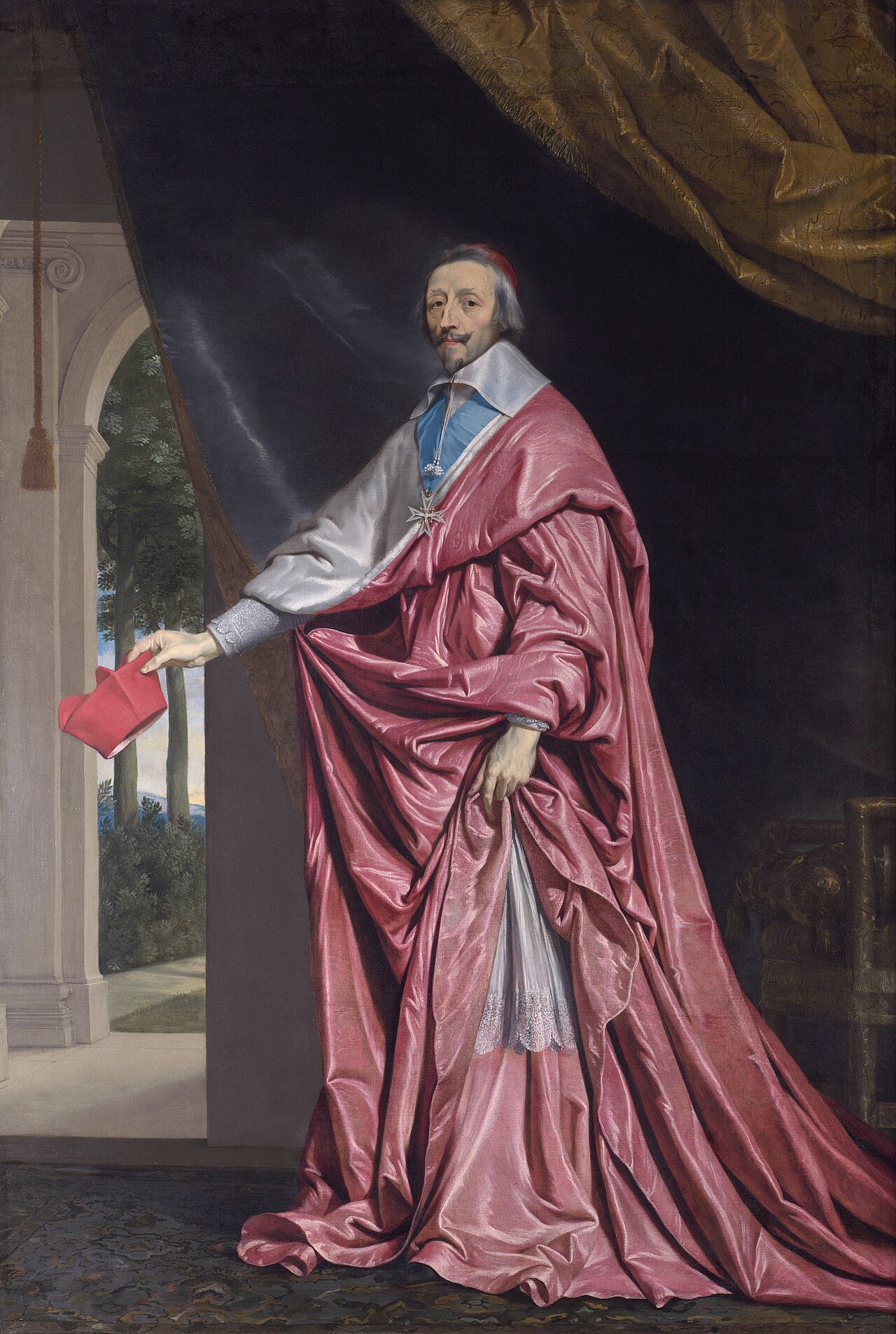
Portrait of Cardinal Richelieu
Philippe de Champaigne · 1637
 Painting
Primary source
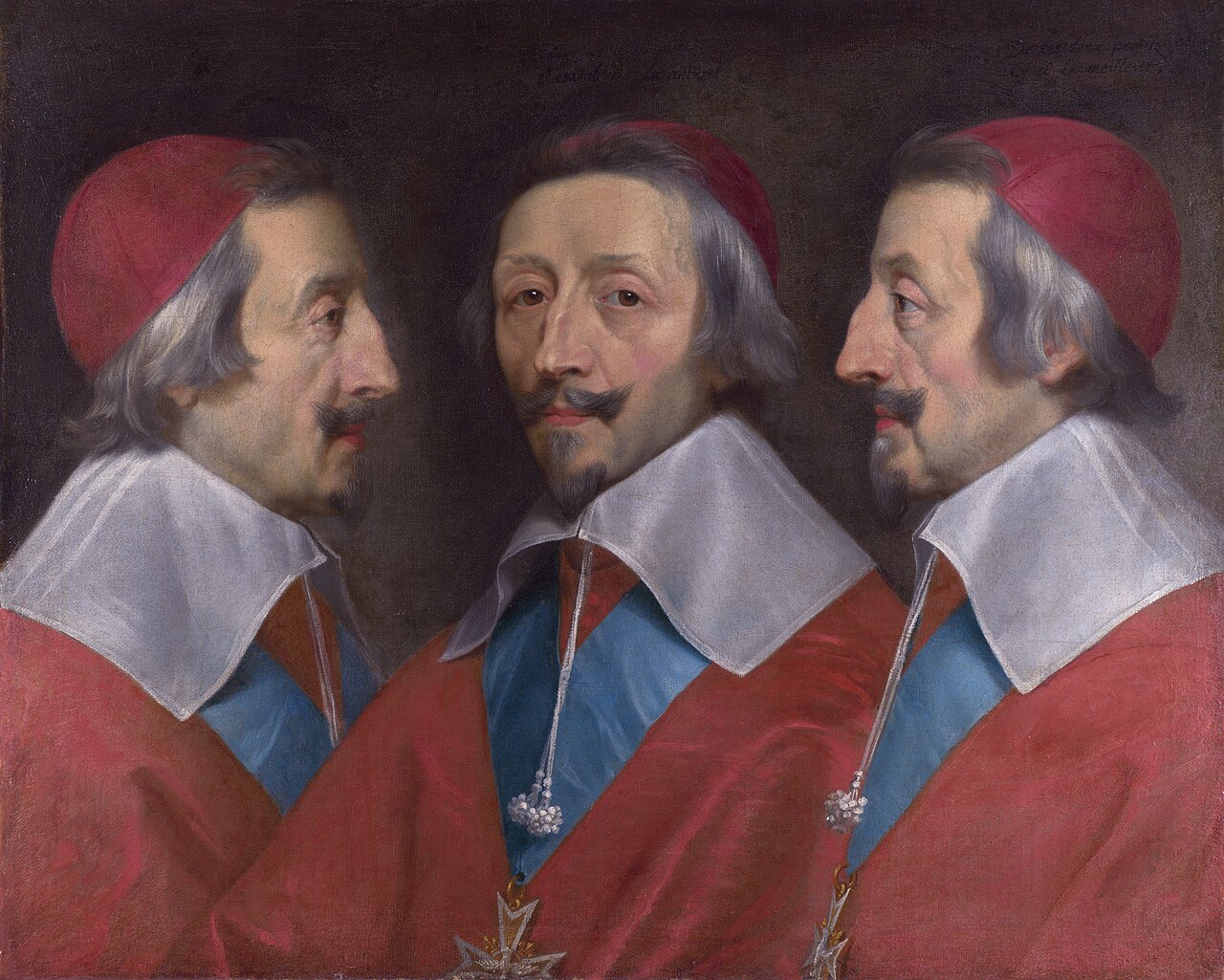
Triple Portrait of Cardinal de Richelieu
Philippe de Champaigne · 1642
 Sculpture
Primary source
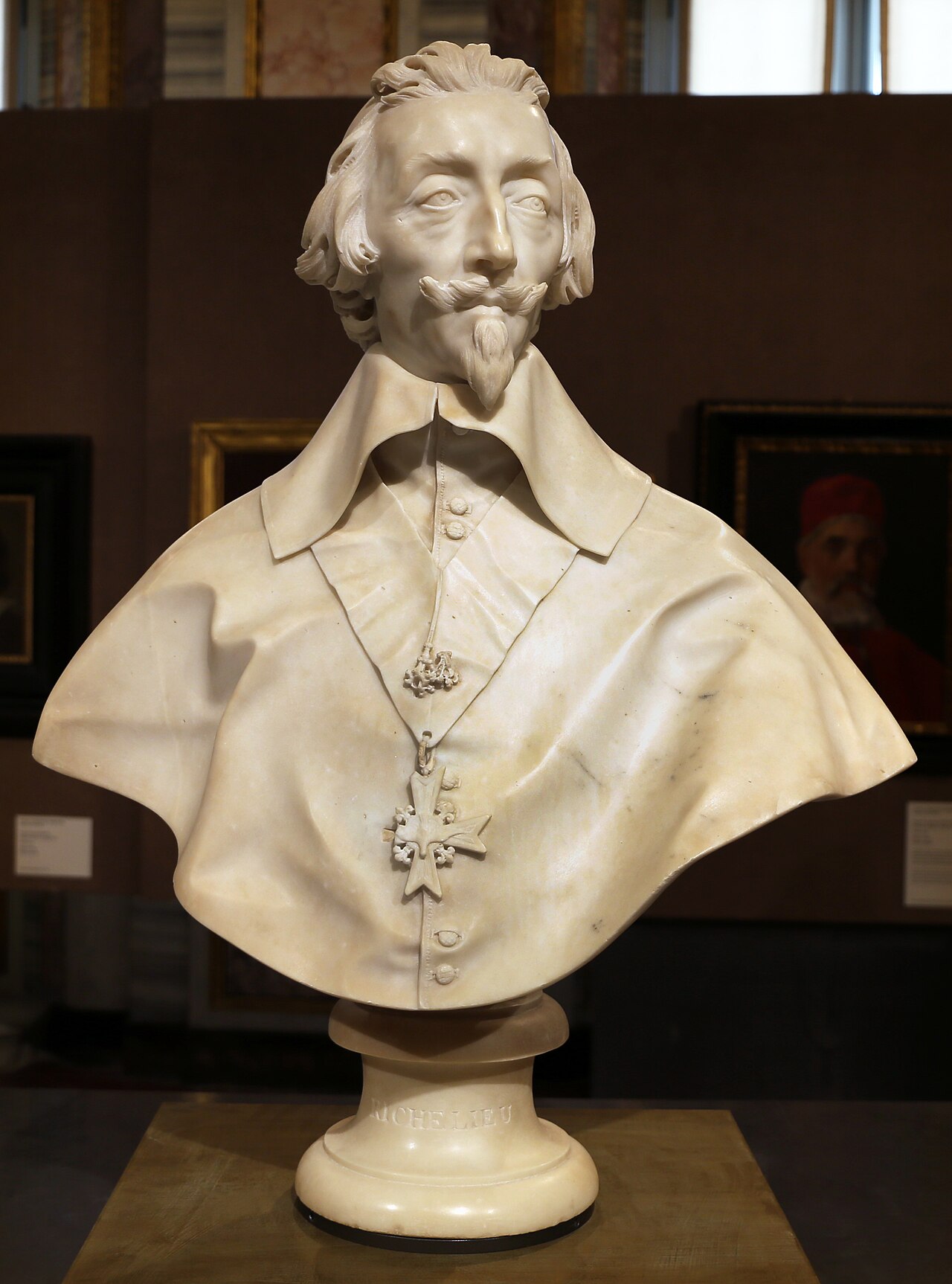
Bust of Cardinal Richelieu
Gian Lorenzo Bernini · 1641
 Artifact
Secondary source
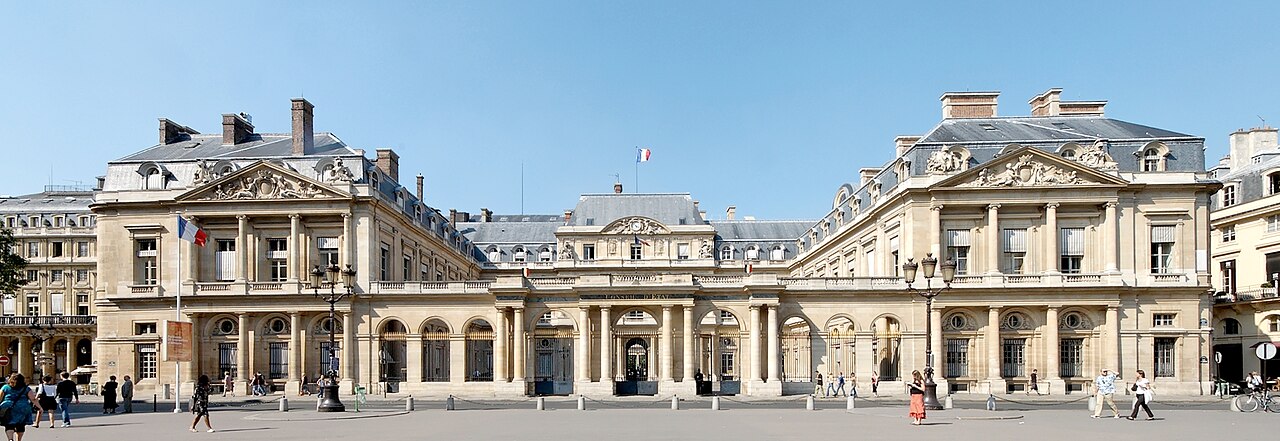
Palais-Royal
Jacques Lemercier · 1628
Free account
Read every Cardinal Richelieu source
Sign up free →
Ready when you are
Start chatting with Cardinal Richelieu now.
20 messages free · No credit card · Available in 50+ languages.