


Primary sourceArtifact1865 (built); restored to 1886 condition
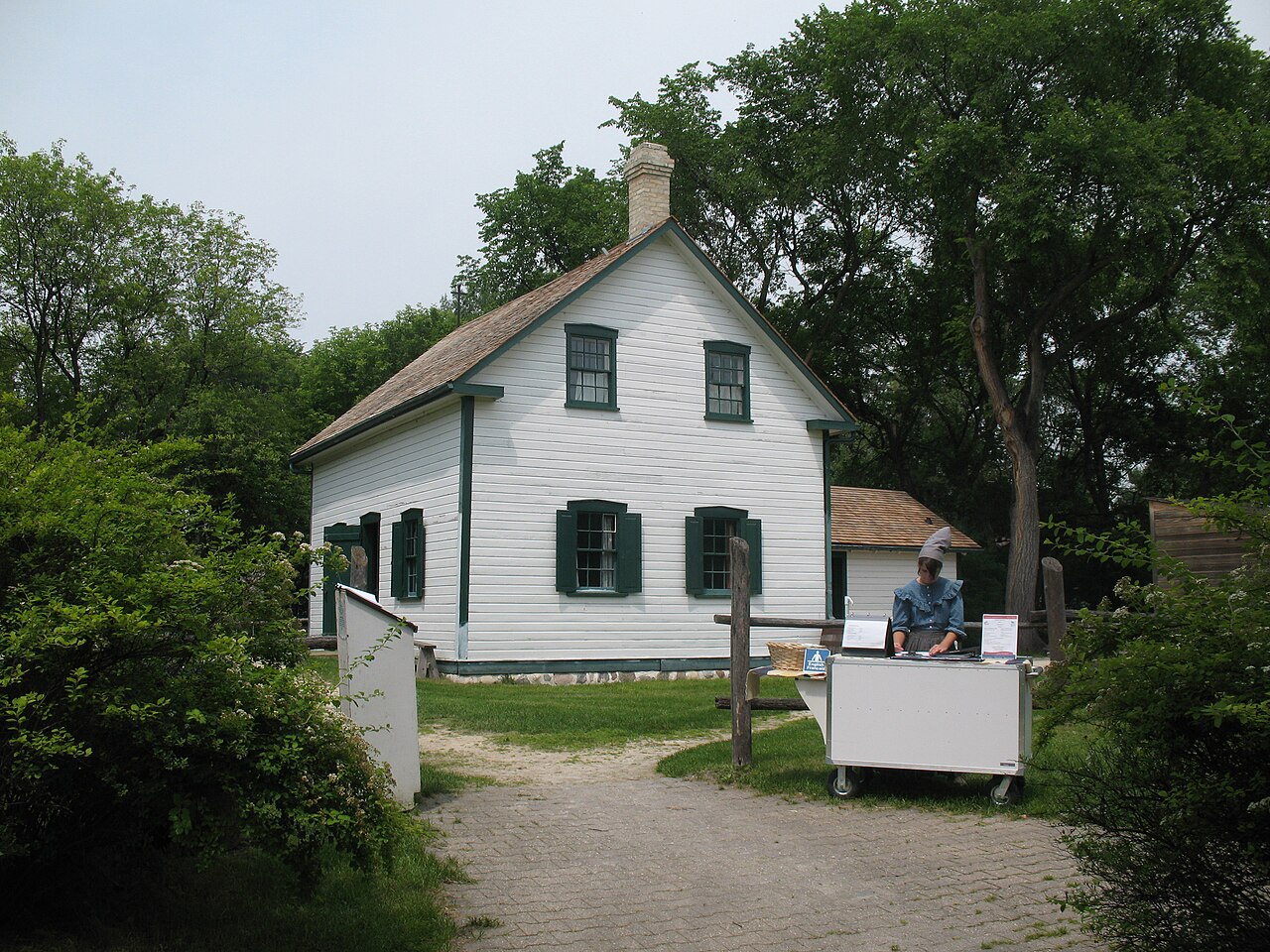
Riel House
1865 (built); restored to 1886 condition
The Riel family home in St. Vital, Winnipeg, where Louis Riel lived before his exile and where his body lay in state after his execution.
Riel's family home, where he lived before exile and where his body lay in state after his execution.
About this source
What it is
Riel House is a wooden two-story home in the historic St. Vital parish of Winnipeg, Manitoba. From 1865 it belonged to Louis Riel's mother, Julie Riel, and housed his brothers and their families. Riel himself lived there from 1868 until his exile in 1870. The house is now a museum, designated a National Historic Site and Federal Heritage Building, administered by Parks Canada with programming by the Louis Riel Institute.
Why it matters
This house was not only Riel's family home but also the place where his body lay in state for two days in December 1885, after his execution, before burial in St. Boniface. It also shows the daily life of Métis families in the Red River Settlement, connecting Riel's story to the wider Métis community of his time.
Look closer
- Why might a family home become a National Historic Site?
- What does the choice to display Riel's body there say about his importance to his family and community?
- What might this ordinary house reveal about Métis daily life that a political document could not?
This artifact is part of the curated material that grounds the AI version of Louis Riel on Humy.ai — when students ask about related events, the AI can quote it and cite it.
More Louis Riel sources
Meet the AI Louis Riel →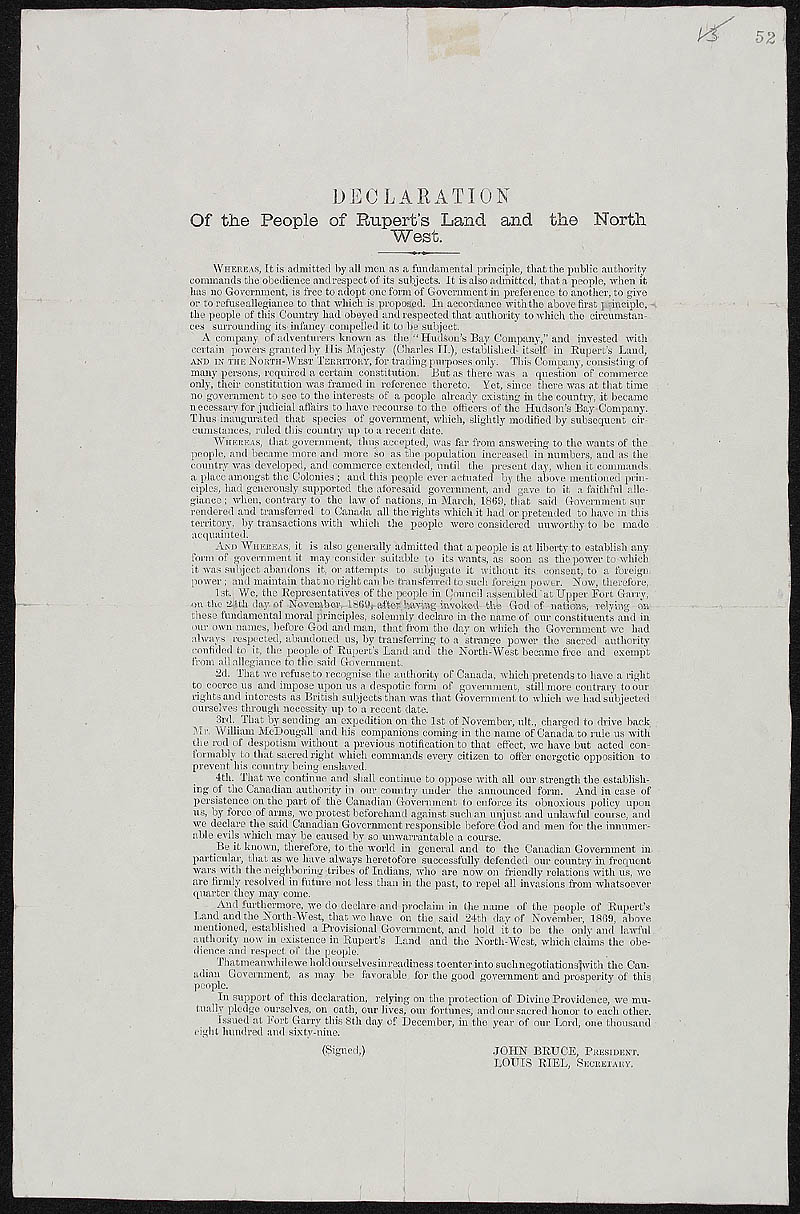 Document
Primary source
Declaration of the People of Rupert's Land and the North-West
Louis Riel · 8 December 1869
 Photograph
Primary source
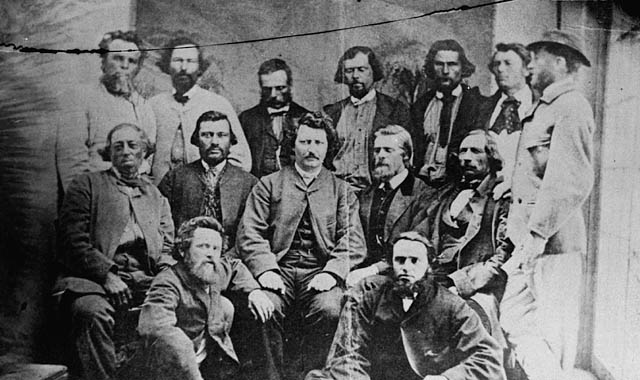
Councillors of the Provisional Government of the Métis Nation
Unknown, possibly Joseph Langevin · 1870
 Photograph
Primary source
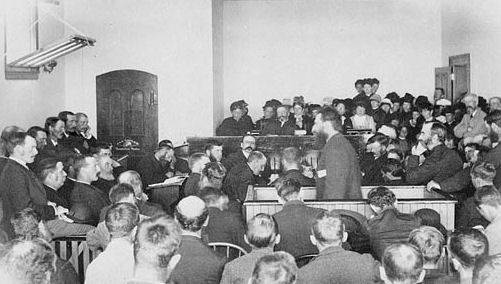
Louis Riel Addressing the Jury During His Trial for Treason
Oliver B. Buell · 1885
 Photograph
Primary source
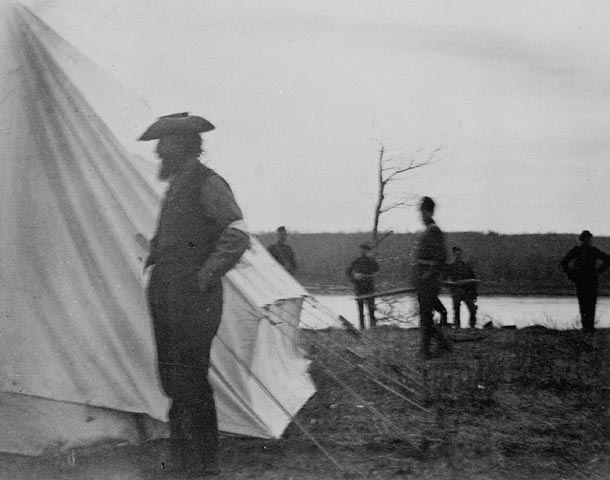
Louis Riel, a Prisoner, in the Camp of Major-General F.D. Middleton at Batoche
James Peters · 16 May 1885
Primary source
Poem Written to His Jailer
Louis Riel · 27 October 1885
Ready when you are
Start chatting with Louis Riel now.
20 messages free · No credit card · Available in 50+ languages.