


Primary sourceBook1818-1819
Rip Van Winkle
Washington Irving · 1818-1819
Irving's best-known short story about a Dutch-American villager who sleeps through the American Revolution and wakes to a changed world.
Irving wrote this story, his most famous, making it a cornerstone of his literary legacy.
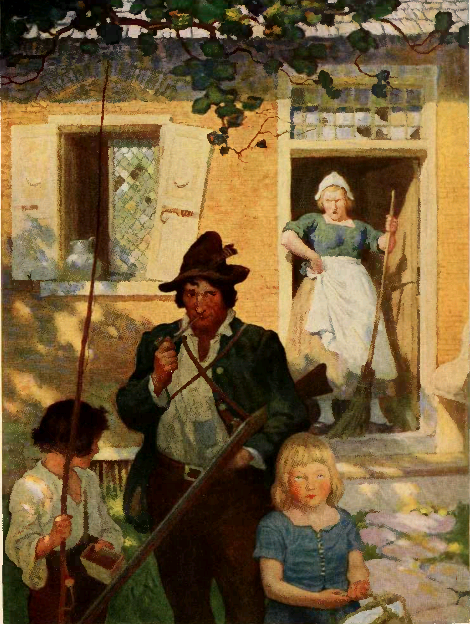
About this source
What it is
A short story by Washington Irving, written in 1818 while he was living in Birmingham, England, and published in his collection The Sketch Book of Geoffrey Crayon, Gent. It tells of Rip Van Winkle, a Dutch-American villager who falls asleep in the Catskill Mountains and wakes twenty years later having missed the American Revolution.
Why it matters
The story turned Hudson Valley Dutch folklore into one of the first widely loved pieces of American fiction, helping to build a national literature at a time when the young United States had few stories of its own. It reveals Irving's gift for blending humour, nostalgia and local legend, and his skill at inventing a fictional historian, Diedrich Knickerbocker, as the supposed source of the tale.
Look closer
- Why might Irving have chosen a man who sleeps through the Revolution, rather than one who fights in it?
- What does the illustrated scene suggest about Rip's relationship with his wife and family?
- Why did Irving invent a fictional author, Diedrich Knickerbocker, instead of publishing under his own name at first?
This book is part of the curated material that grounds the AI version of Washington Irving on Humy.ai — when students ask about related events, the AI can quote it and cite it.
More Washington Irving sources
Meet the AI Washington Irving →Primary source
The Legend of Sleepy Hollow
Washington Irving · 1819-1820
 Book
Primary source
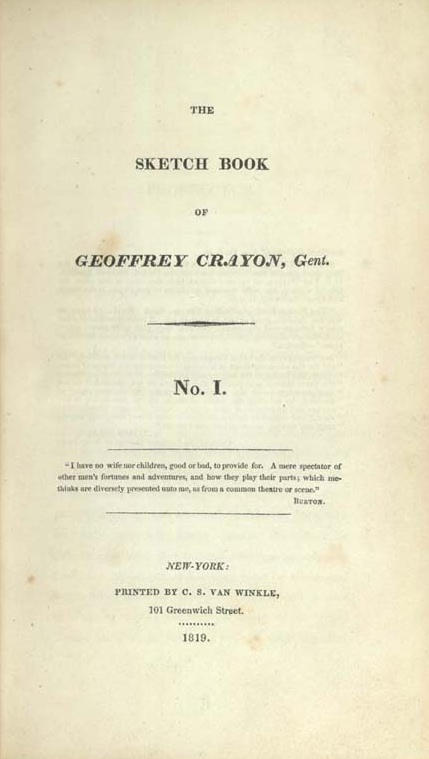
The Sketch Book of Geoffrey Crayon, Gent.
Washington Irving · 1819-1820
 Book
Primary source
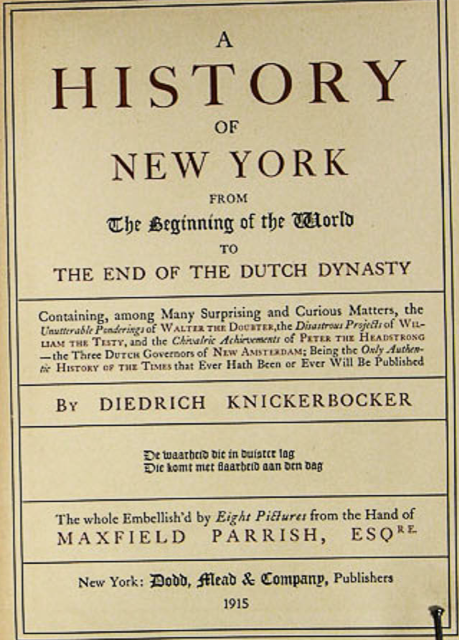
A History of New York
Washington Irving · 6 December 1809
 Book
Primary source
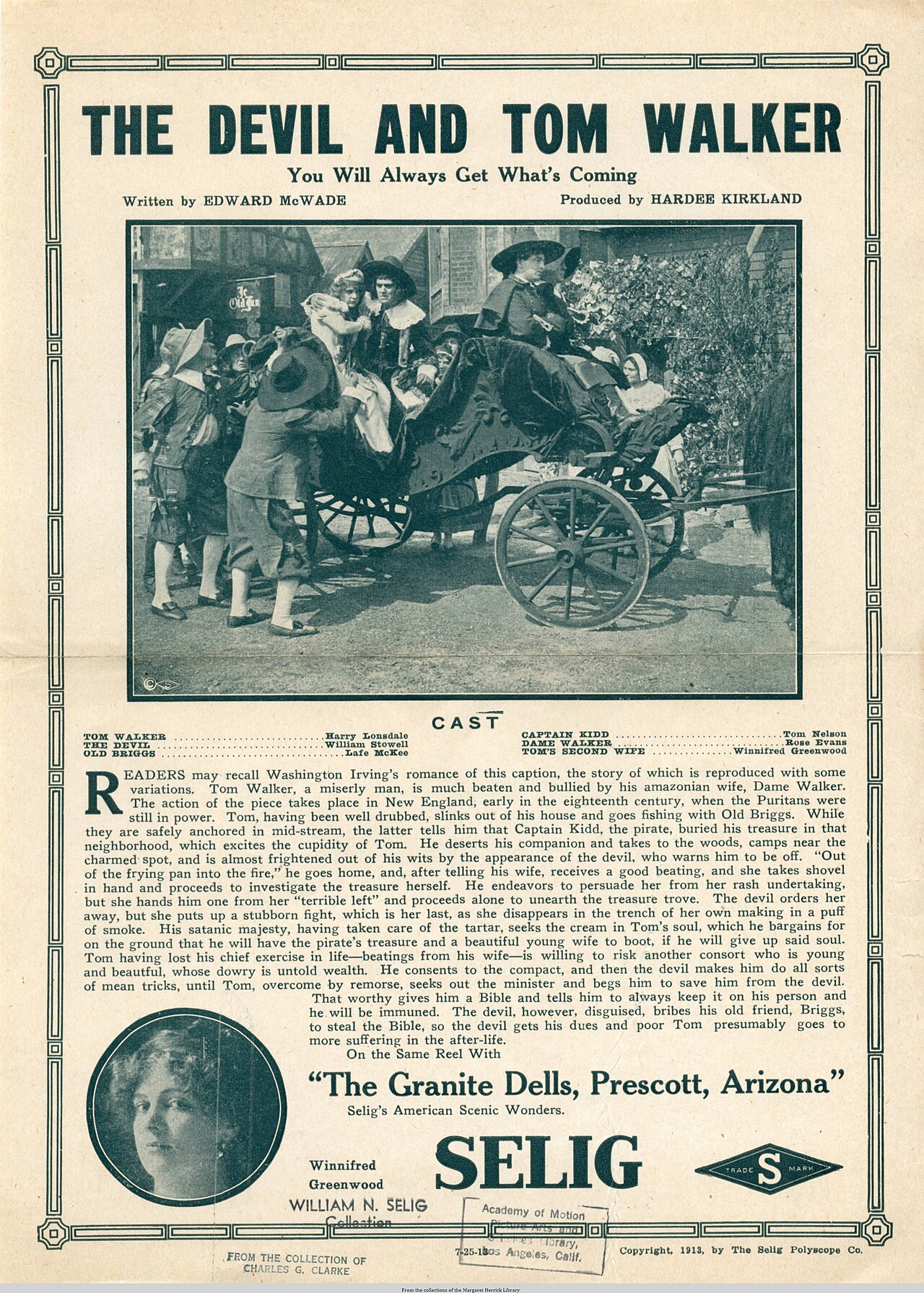
The Devil and Tom Walker
Washington Irving · 1824
 Photograph
Primary source
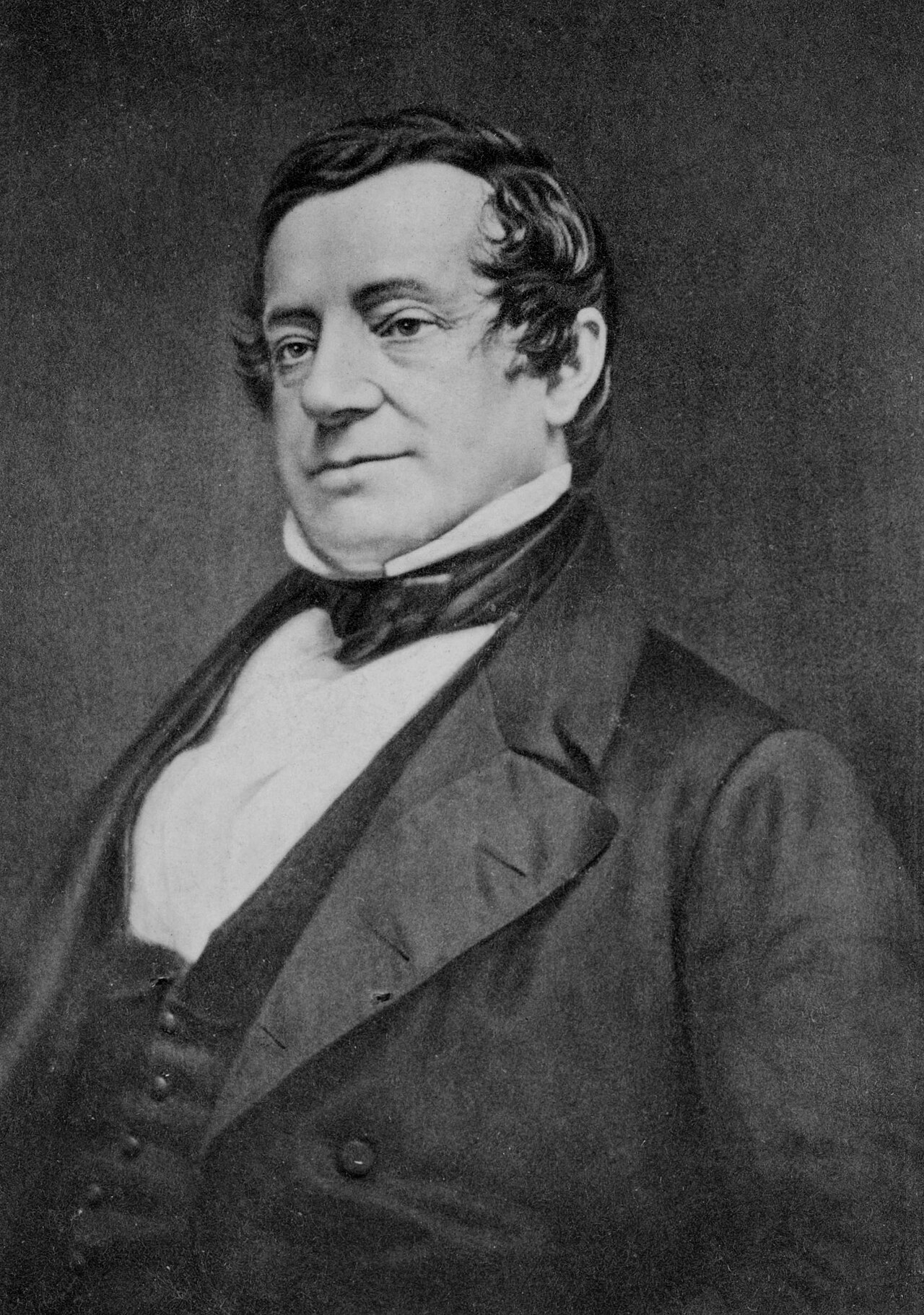
Portrait of Washington Irving
Mathew Benjamin Brady / John Plumbe
Ready when you are
Start chatting with Washington Irving now.
20 messages free · No credit card · Available in 50+ languages.