


Secondary sourcePainting1892
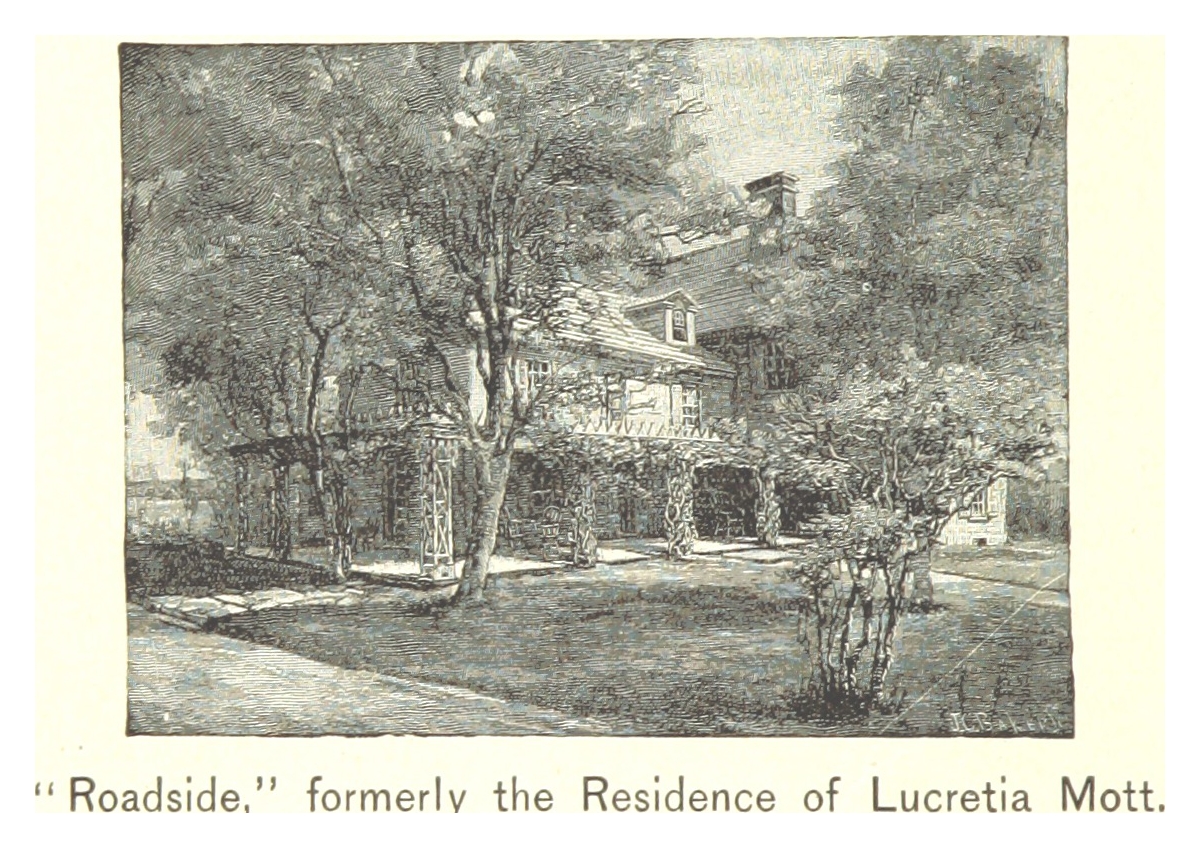
Roadside, Residence of Lucretia Mott
1892
An 1892 engraving of Roadside, the Mott family home outside Philadelphia, which served as an Underground Railroad stop.
Depicts Roadside, Mott's home and an Underground Railroad stop, central to her antislavery work.
About this source
What it is
This is an engraved illustration printed in 1892, showing a two-story house called Roadside, with a covered porch, dormer window, and shading trees. It was published long after Lucretia Mott lived there, as part of a history of Philadelphia-area homes. The house itself no longer stands.
Why it matters
Roadside was the home of Lucretia Mott and her husband James Mott. It was known as a stop on the Underground Railroad, where people escaping slavery could find shelter. The illustration shows how the house looked to a later generation, preserving the memory of a place tied to activism against slavery.
Look closer
- Why might an 1892 publisher want to show this particular house to readers?
- What does the peaceful, ordinary appearance of the house hide about the risks taken by people who sheltered there?
- What is missing from this image that you might want to know about the house's history?
This painting is part of the curated material that grounds the AI version of Lucretia Mott on Humy.ai — when students ask about related events, the AI can quote it and cite it.
More Lucretia Mott sources
Meet the AI Lucretia Mott →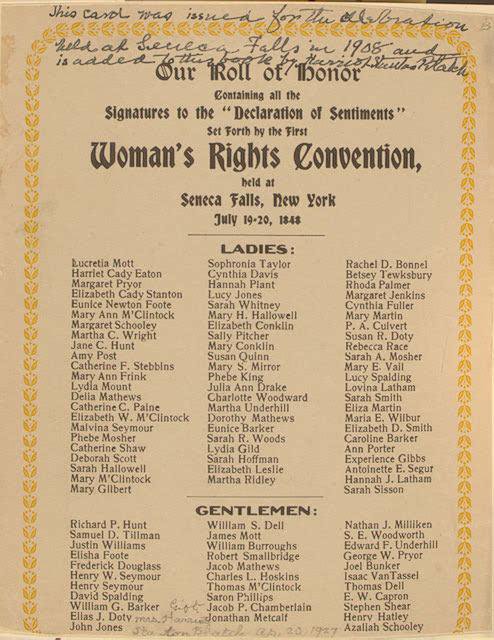 Document
Primary source
Declaration of Sentiments
Elizabeth Cady Stanton · 1848
 Painting
Primary source
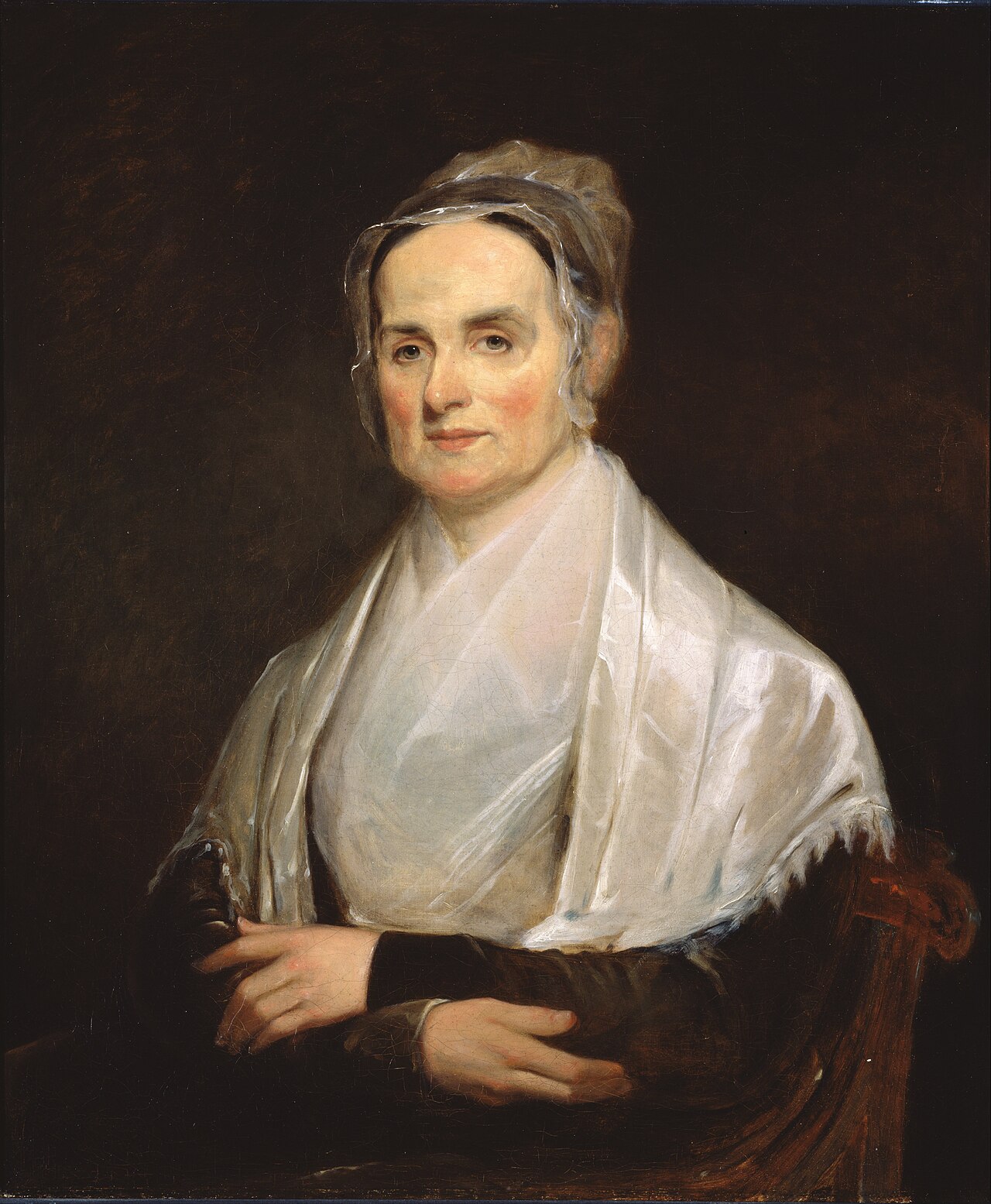
Lucretia Coffin Mott
Joseph Kyle · 1842
 Painting
Primary source
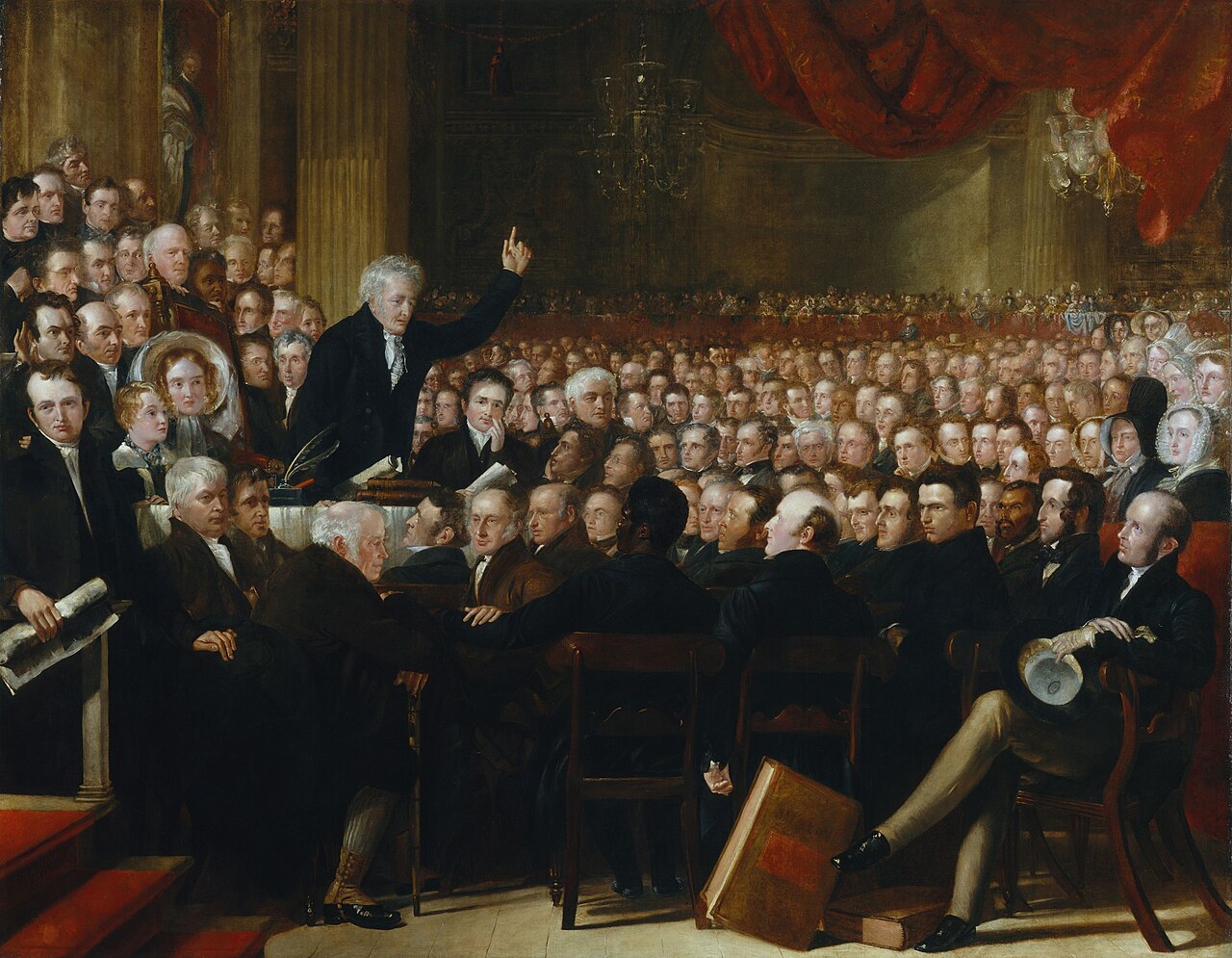
The Anti-Slavery Society Convention, 1840
Benjamin Robert Haydon · 1841
 Photograph
Primary source
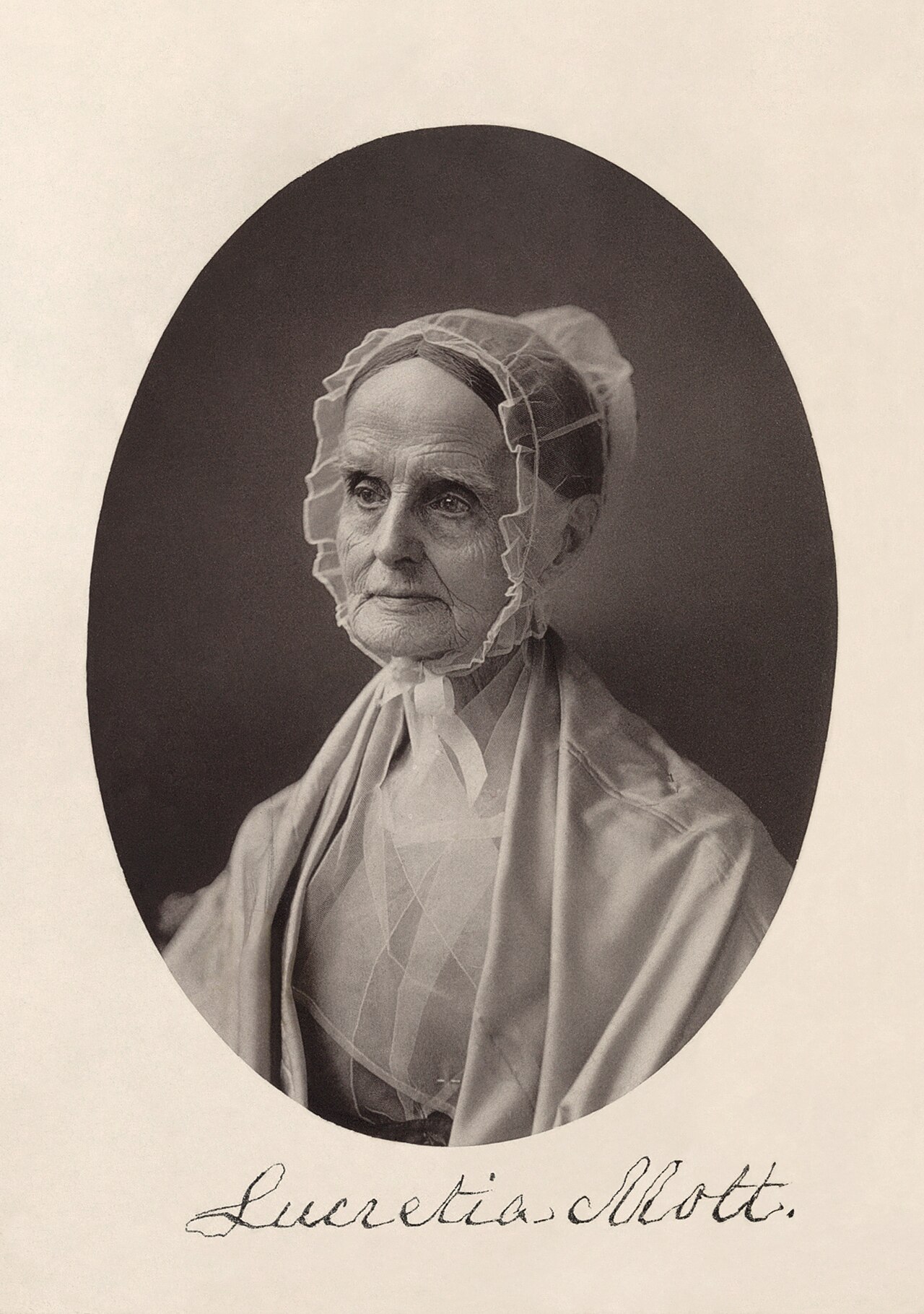
Lucretia Mott, signed photo
Frederick Gutekunst
 Photograph
Primary source
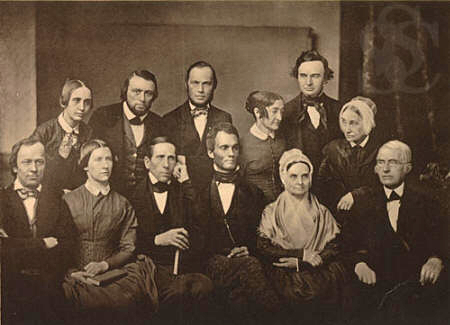
Executive Board of the Pennsylvania Anti-Slavery Society, 1851
1851
Ready when you are
Start chatting with Lucretia Mott now.
20 messages free · No credit card · Available in 50+ languages.