


Primary sourcePainting1680
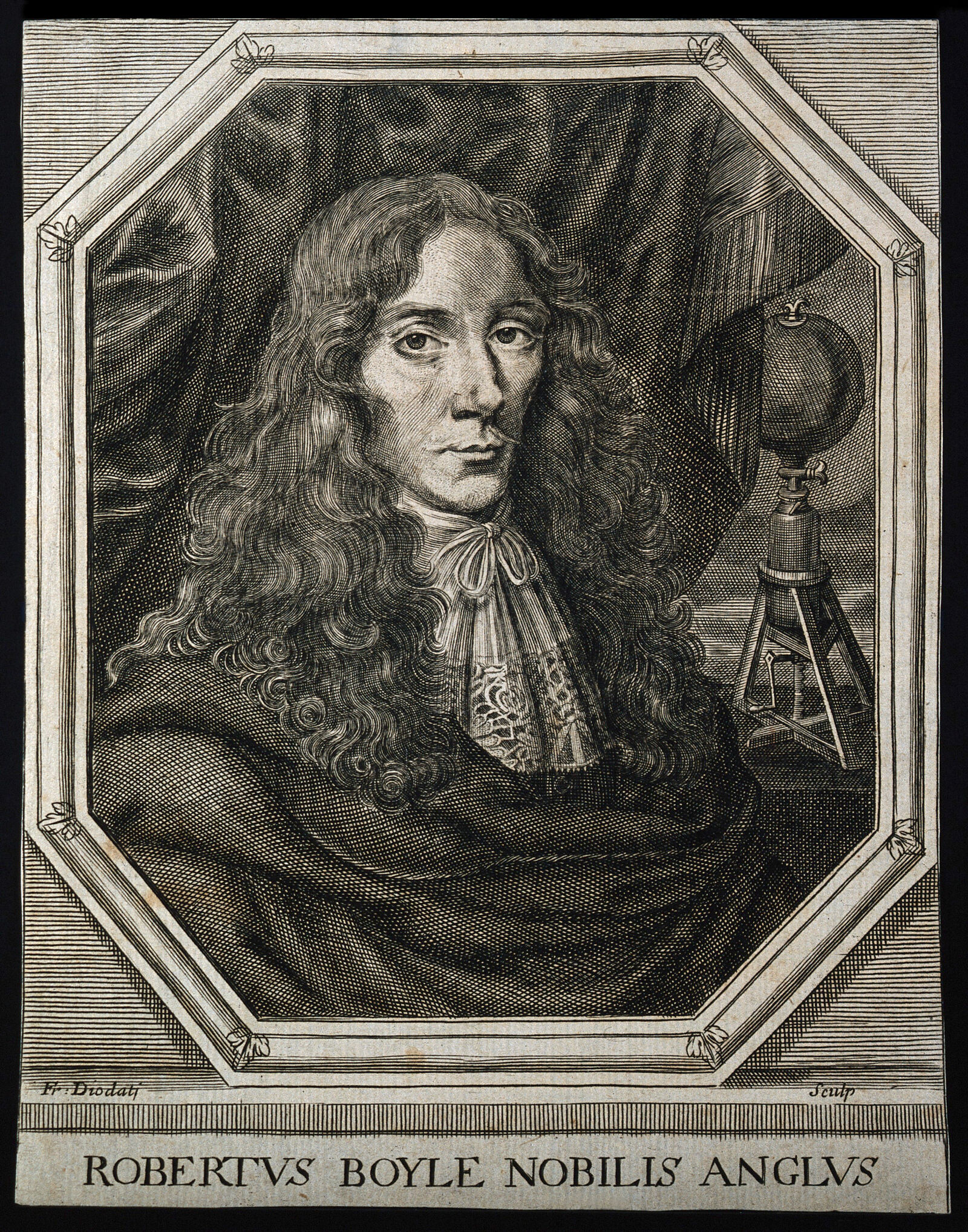
Robert Boyle, Line Engraving after William Faithorne, 1680
William Faithorne (engraved by F. Diodati) · 1680
One of the earliest engraved likenesses of Robert Boyle, made in 1680 after a portrait by William Faithorne.
An early, lifetime likeness of Boyle, paired with scientific apparatus to show his role as a natural philosopher.
About this source
What it is
This 1680 line engraving by F. Diodati, after an original by William Faithorne, shows a man with long wavy hair and a lace collar, beside a glass globe apparatus on a tripod stand. An inscription names him 'ROBERTVS BOYLE NOBILIS ANGLVS'. It is held by the Wellcome Collection.
Why it matters
Made during Boyle's lifetime, this is one of the earliest surviving likenesses of him, and it pairs his portrait with scientific apparatus, emphasising his identity as a natural philosopher and experimenter.
Look closer
- Why might the engraver have included scientific apparatus alongside Boyle's face?
- What does the Latin inscription tell us about how Boyle was presented to the public?
- How does this early portrait compare with later ones made after his death?
This painting is part of the curated material that grounds the AI version of Robert Boyle on Humy.ai — when students ask about related events, the AI can quote it and cite it.
More Robert Boyle sources
Browse all 67 →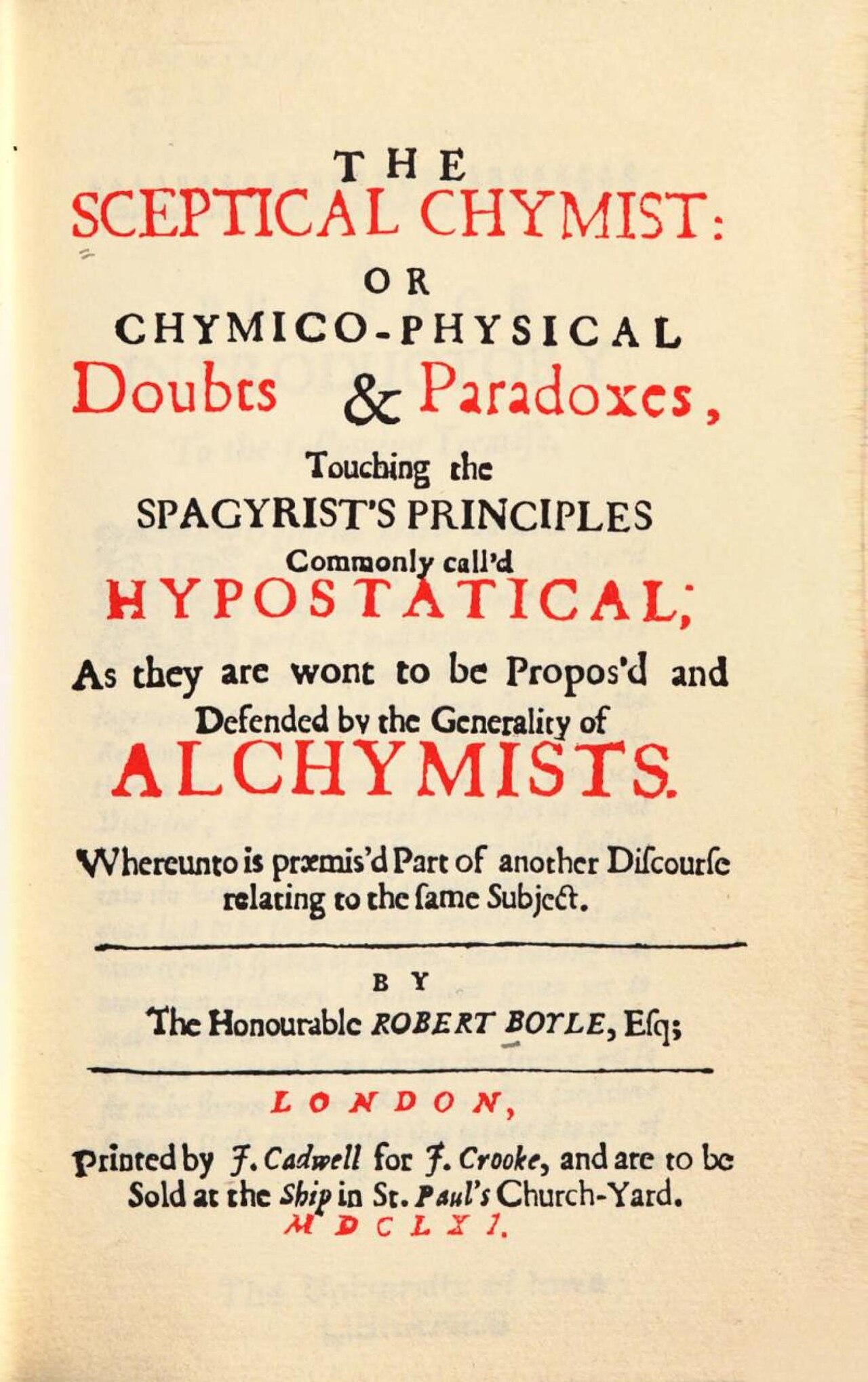 Book
Primary source
The Sceptical Chymist
Robert Boyle · 1661
 Painting
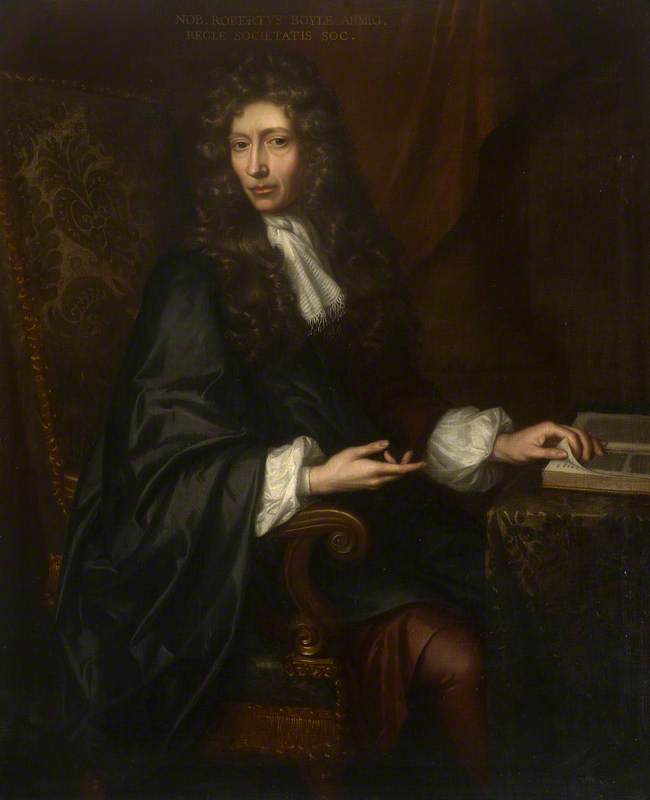
Primary source
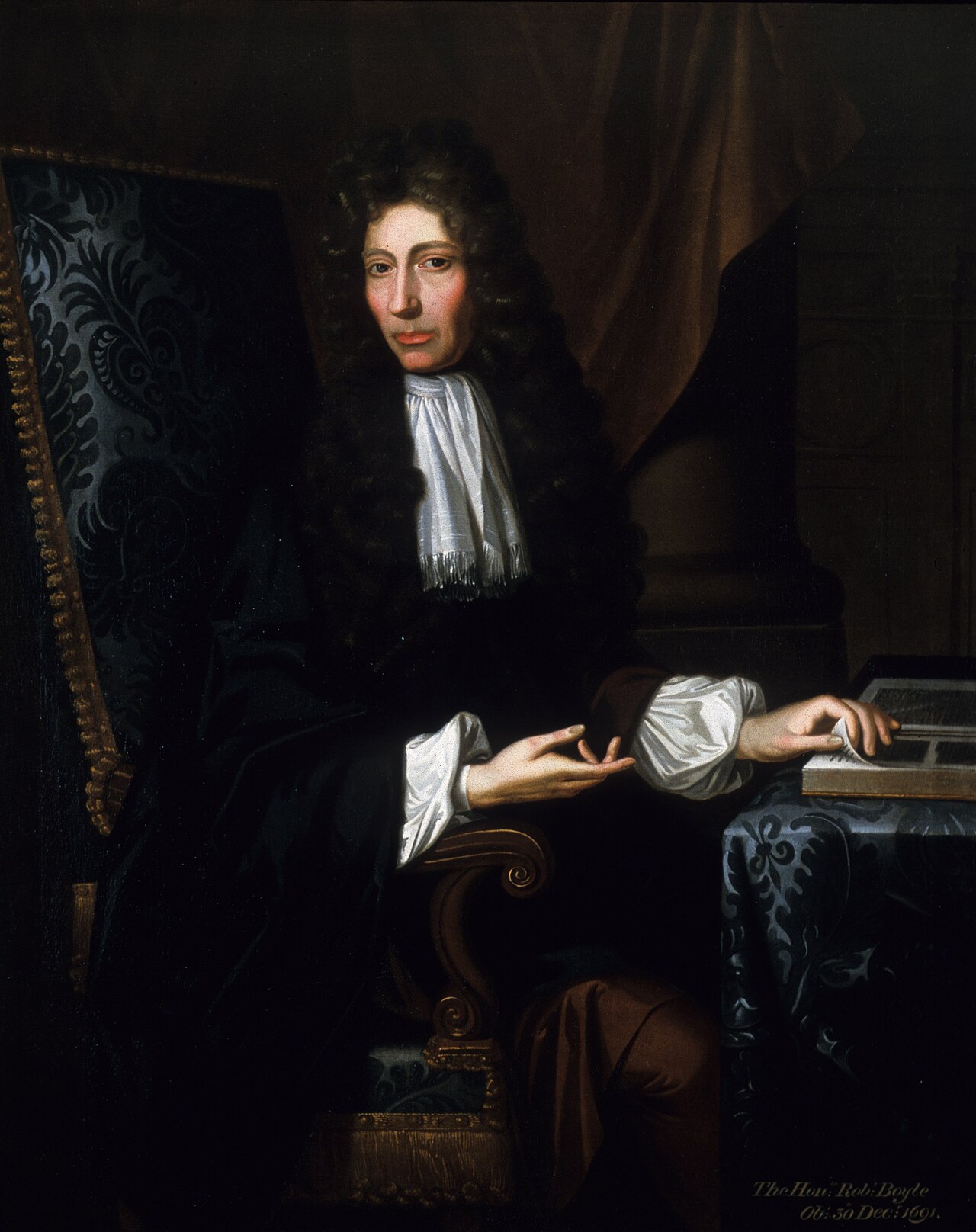
The Shannon Portrait of the Hon. Robert Boyle
Johann Kerseboom · 1689
 Document
Primary source
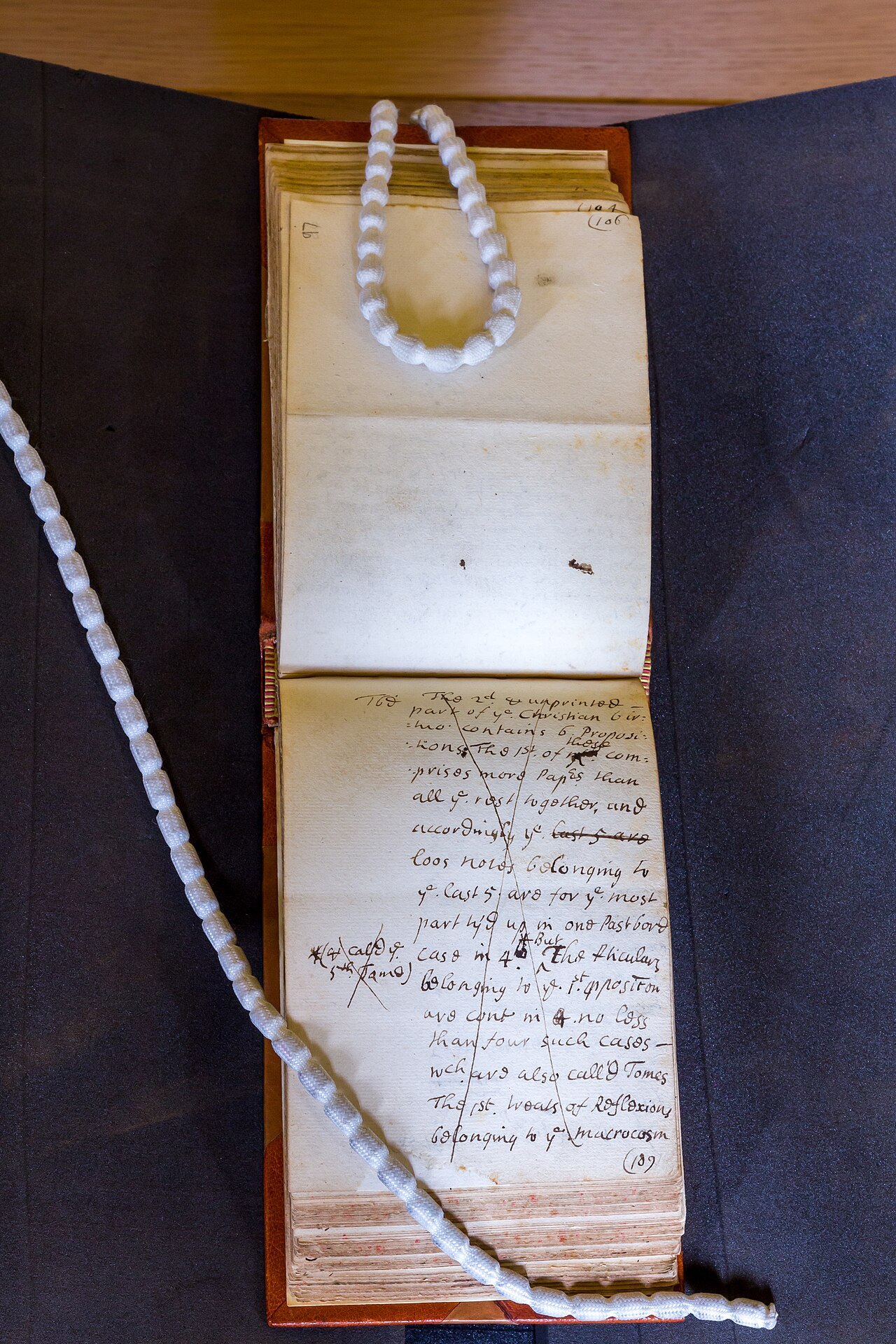
Boyle Papers
Robert Boyle · c. 1645-1691
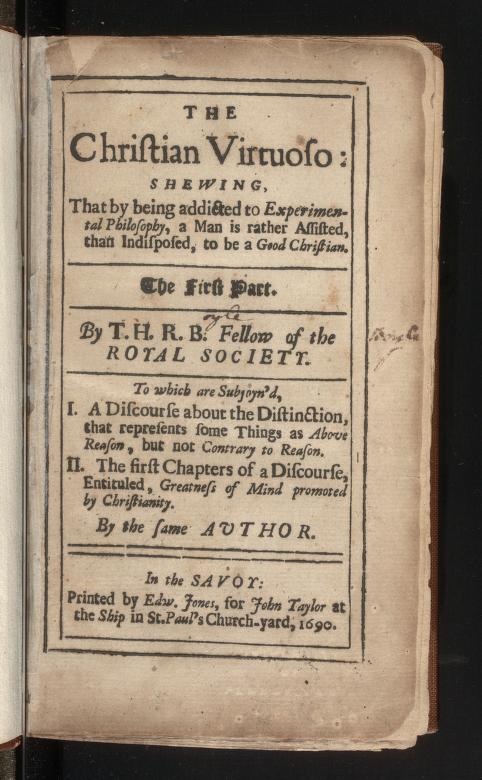 Book
Primary source
The Christian Virtuoso
Robert Boyle · 1690
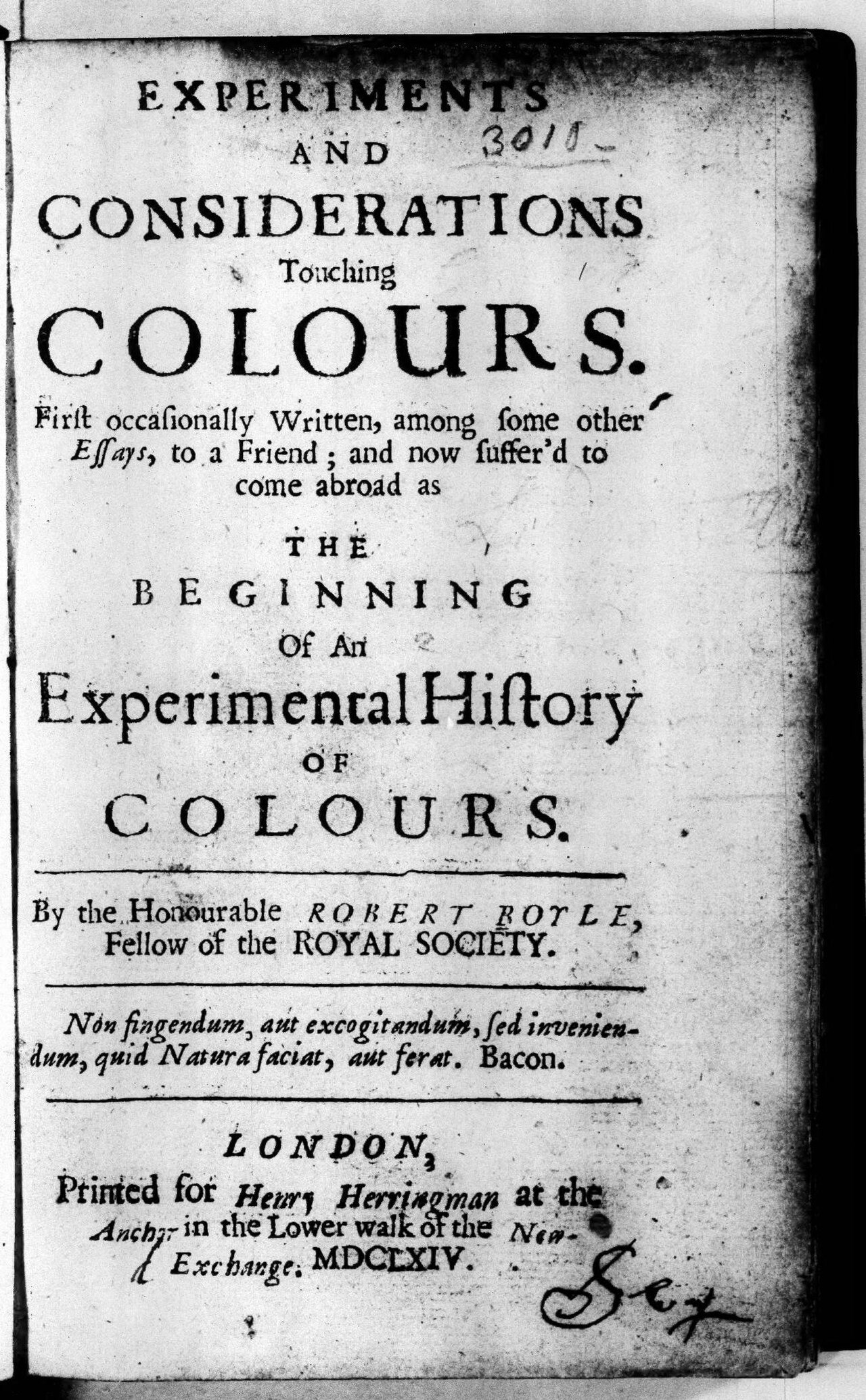
Free account
Read every Robert Boyle source
Sign up free →
Ready when you are
Start chatting with Robert Boyle now.
20 messages free · No credit card · Available in 50+ languages.