


Primary sourceArtifactc. 20-19 BCE
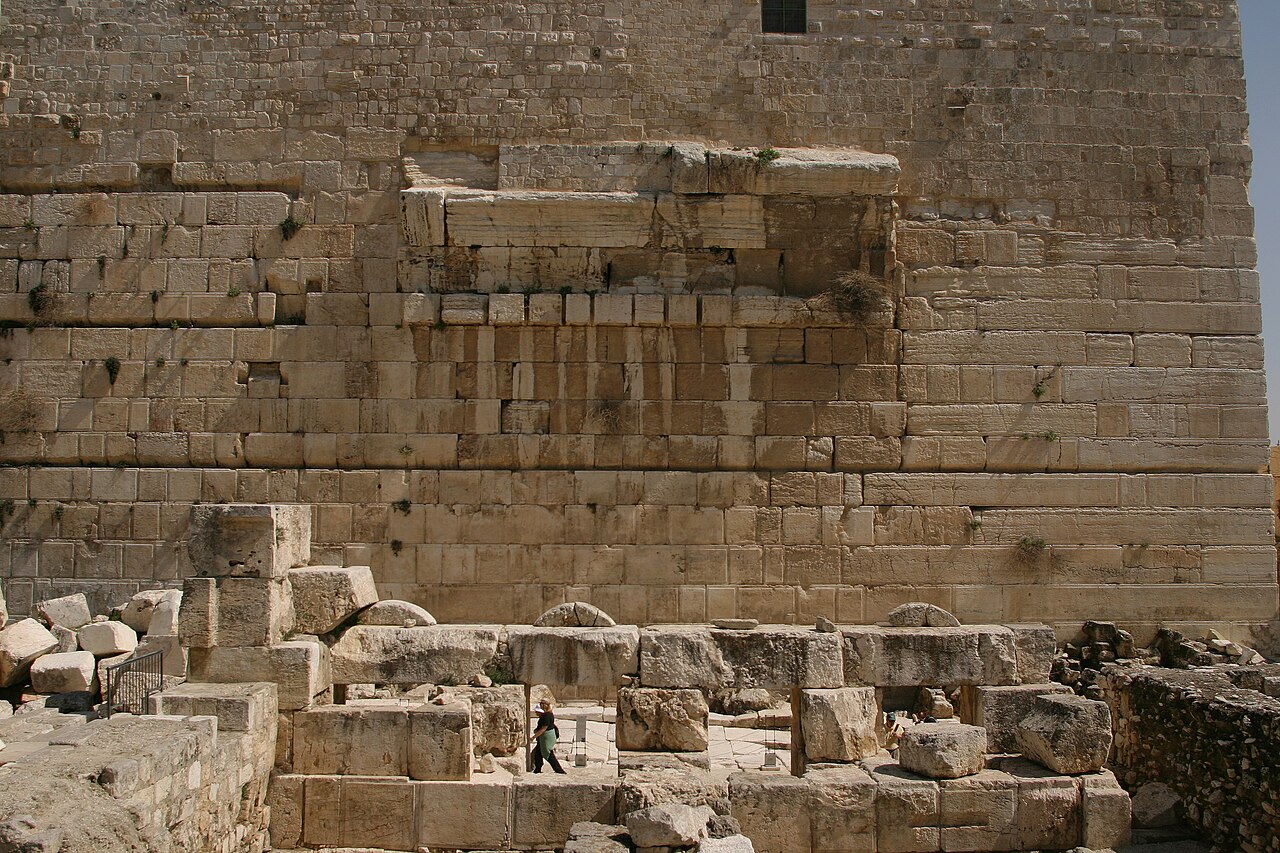
Robinson's Arch
Herod the Great · c. 20-19 BCE
The remains of a monumental stairway and arch built as part of Herod's expansion of the Second Temple in Jerusalem.
Herod commissioned this monumental stairway as part of his expansion of the Second Temple complex.
About this source
What it is
Robinson's Arch was a wide stone arch carrying a monumental staircase up to the Temple Mount, built as part of Herod the Great's renovation and expansion of the Second Temple. It linked the city's lower market street to the Royal Stoa on top of the Temple platform. It is named after the scholar Edward Robinson, who identified its remains in the 19th century.
Why it matters
The arch shows the scale of Herod's building projects and how he reshaped Jerusalem's Temple Mount for huge crowds of pilgrims and traders. The ancient historian Josephus described similar structures, helping archaeologists match the ruins to his account. The arch and the area around it were destroyed only decades after completion, during the Jewish-Roman war.
Look closer
- Why would a king build such a wide staircase and overpass next to a temple?
- What does the mix of sacred and commercial activity around the Temple tell us about life in Herod's Jerusalem?
- How do ruins like this help historians check what ancient writers like Josephus described?
This artifact is part of the curated material that grounds the AI version of Herod the Great on Humy.ai — when students ask about related events, the AI can quote it and cite it.
More Herod the Great sources
Browse all 87 →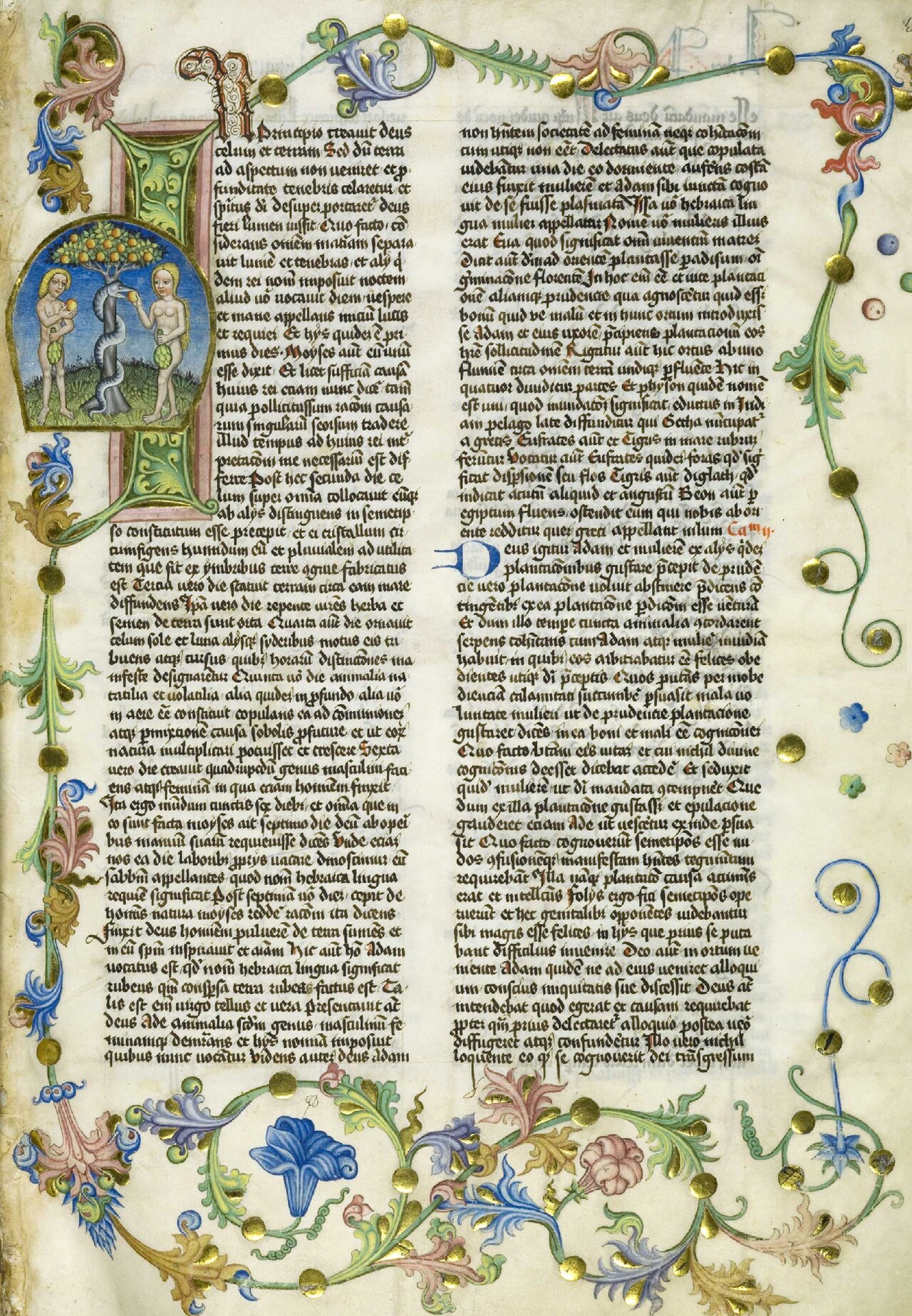 Book
Secondary source
Antiquities of the Jews
Josephus · 94 CE
 Book
Secondary source
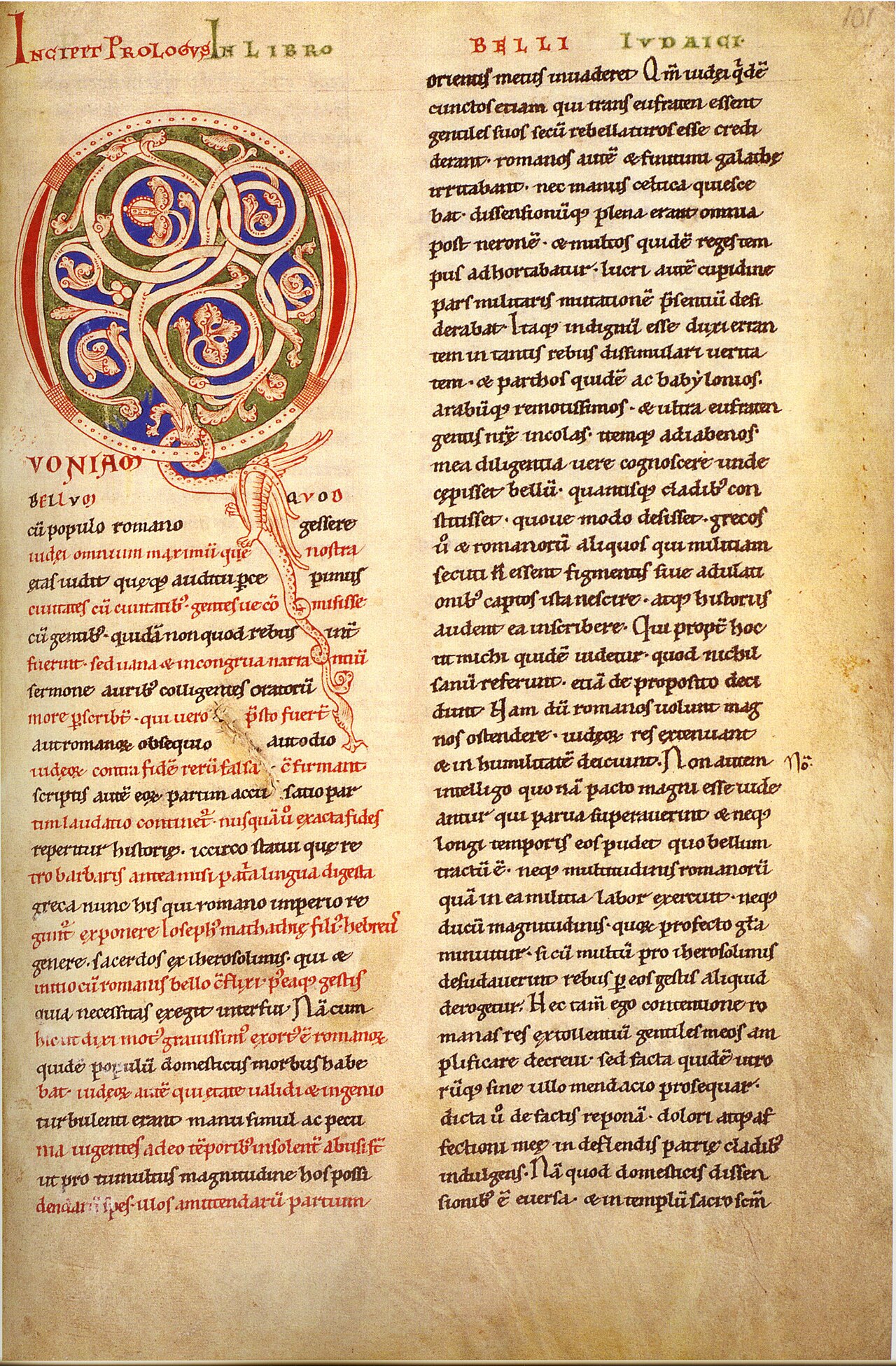
The Jewish War
Josephus · c. AD 75
 Artifact
Primary source
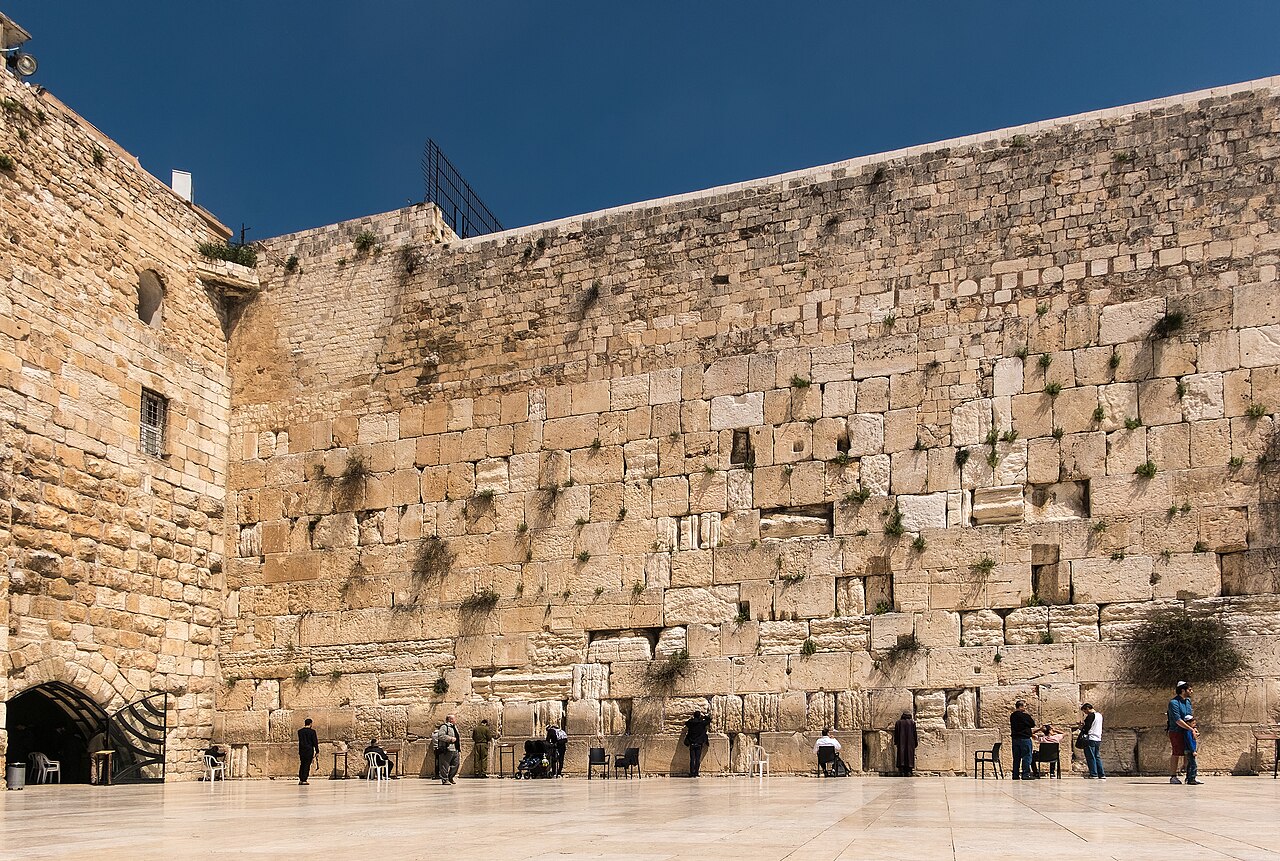
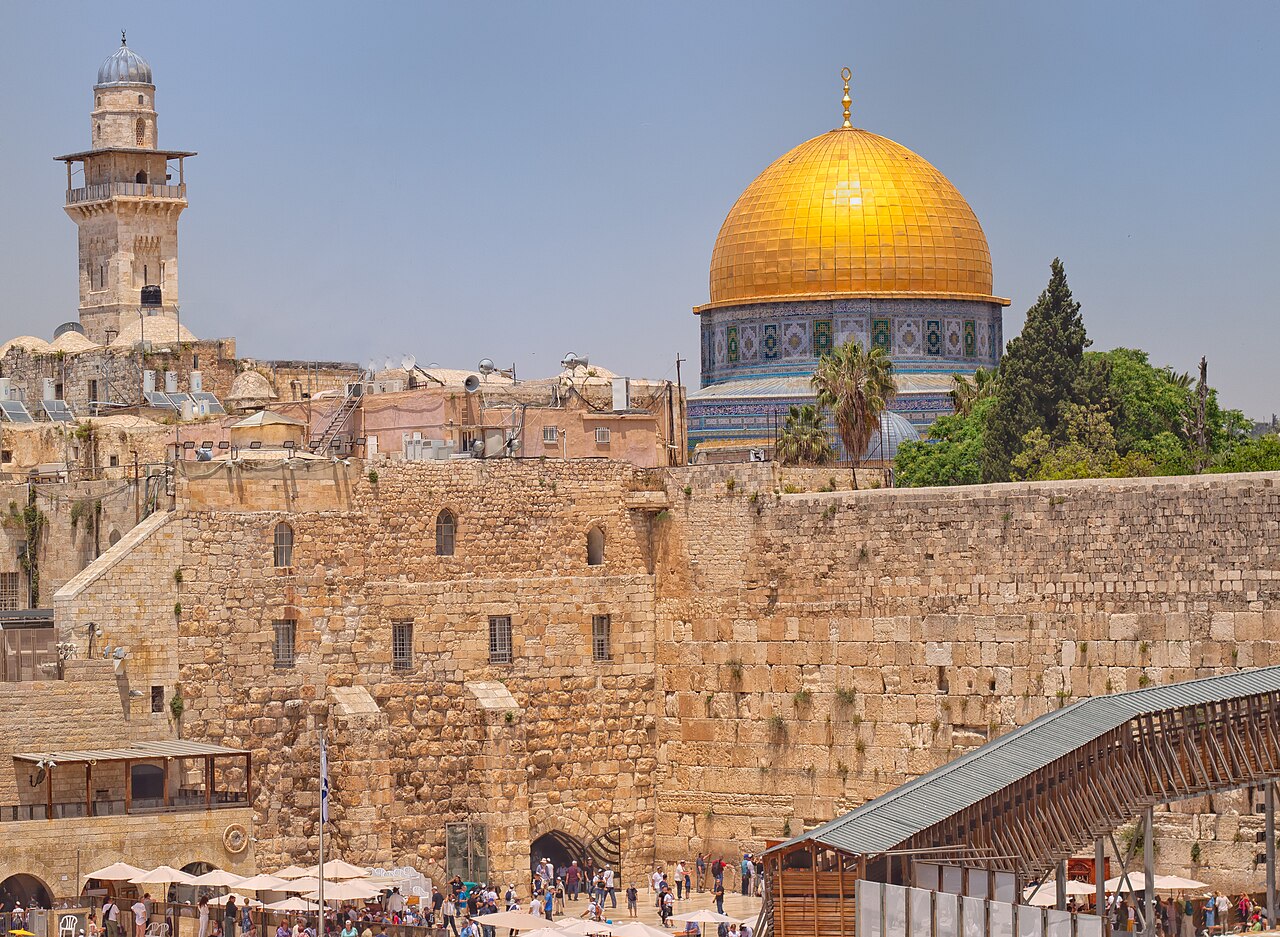
Western Wall
begun 18 BCE
 Artifact
Primary source
Herod's Temple
Builders of Herod the Great · begun c. 20-19 BCE
Free account
Read every Herod the Great source
Sign up free →
Ready when you are
Start chatting with Herod the Great now.
20 messages free · No credit card · Available in 50+ languages.