


Primary sourceDocument1725 (printed libretto 1734)
Rodelinda
George Frideric Handel · 1725 (printed libretto 1734)
An opera seria composed by Handel for the Royal Academy of Music, first performed in London in 1725, showing his skill at musical drama.
Rodelinda is one of Handel's operas composed for the Royal Academy of Music, showing his dramatic mastery as a composer.
About this source
What it is
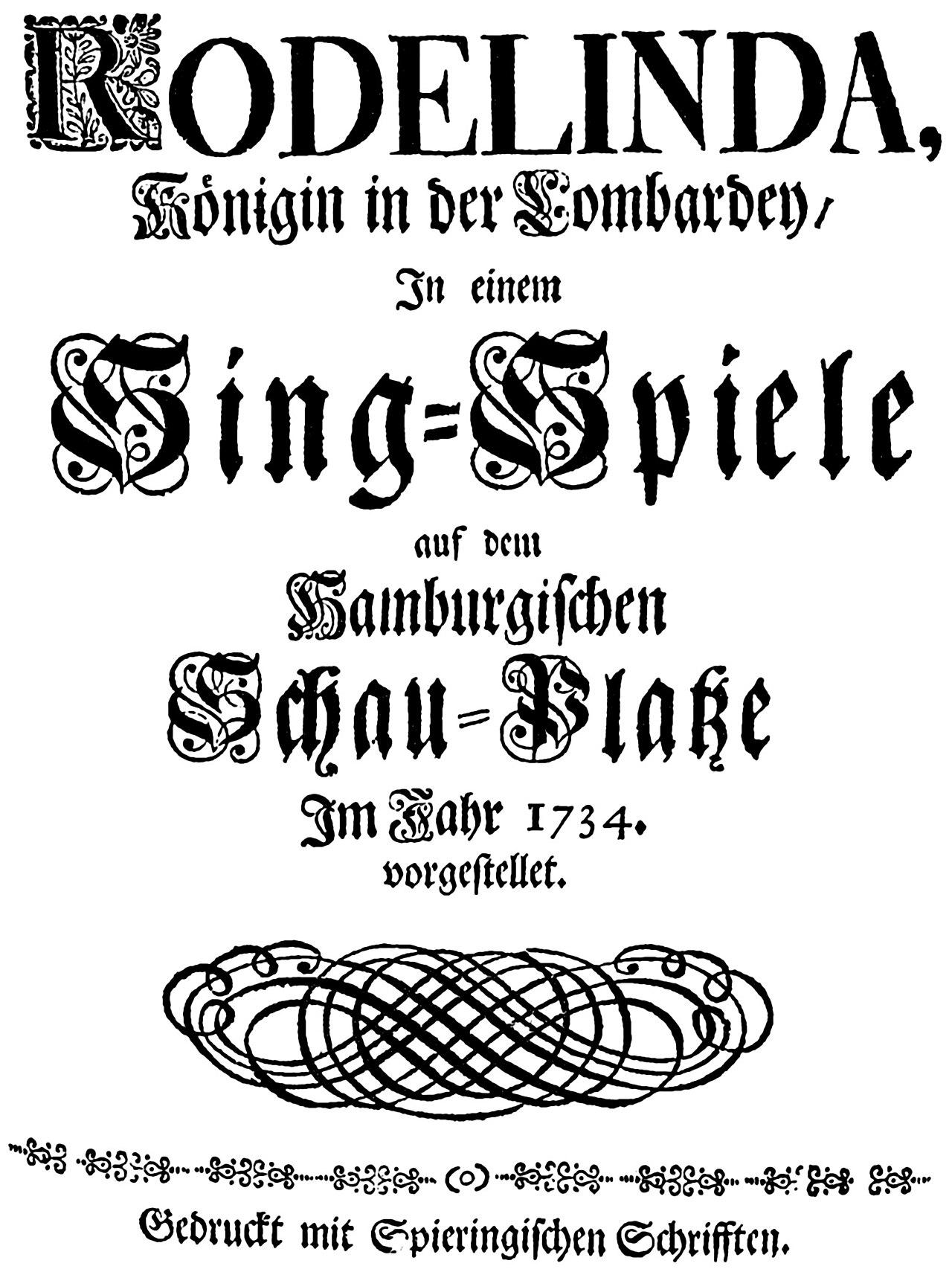
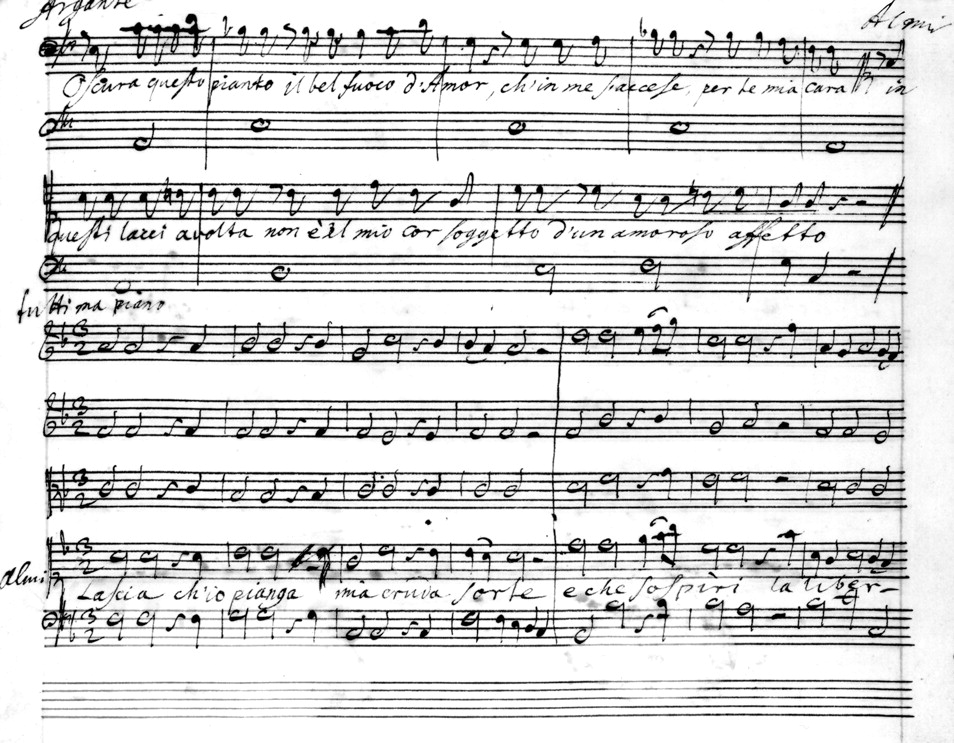
Rodelinda, regina de' Longobardi is an opera in three acts composed by George Frideric Handel, with a libretto by Nicola Francesco Haym based on an earlier text by Antonio Salvi. It was first performed at the King's Theatre in London in 1725.
Why it matters
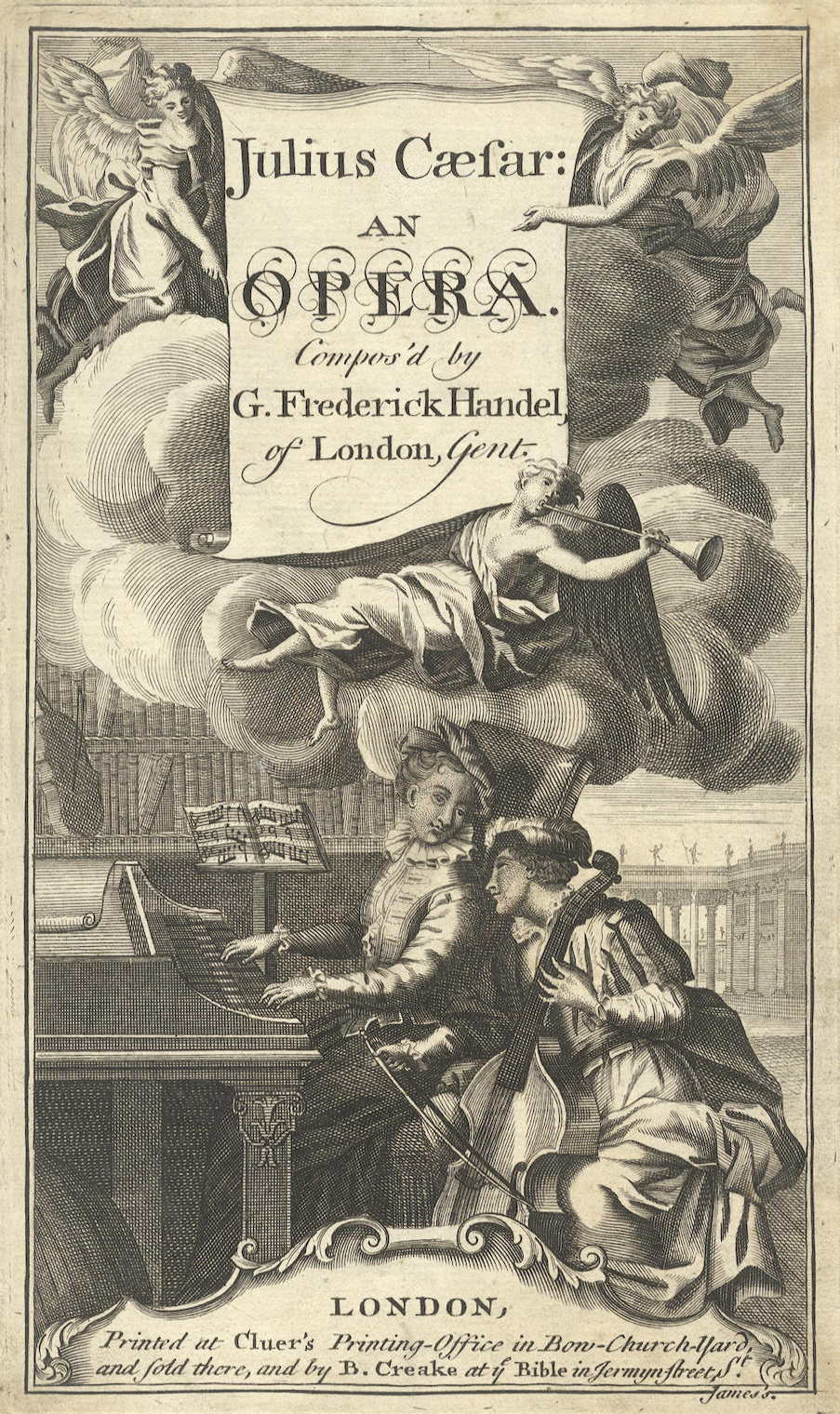
The opera is widely regarded as one of Handel's finest works and shows his powers of musical characterisation at their height. It was written for the first Royal Academy of Music, one of the main centres of Italian opera in London, and the image shown here is the title page of a later printed libretto used for a performance in Hamburg, showing how Handel's operas travelled across Europe.
Look closer
- What does the fact that this opera was performed in different cities and languages tell you about its popularity?
- Why might a libretto be printed and sold separately from the music?
- What questions would you ask about how audiences understood an opera sung in a foreign language?
This document is part of the curated material that grounds the AI version of George Frideric Handel on Humy.ai — when students ask about related events, the AI can quote it and cite it.
More George Frideric Handel sources
Browse all 97 → Document
Secondary source
Messiah
George Frideric Handel · 1741
 Painting
Primary source
George Frideric Handel
Balthasar Denner · c. 1726-1728
 Painting
Primary source
Portrait of George Frideric Handel
Thomas Hudson · 1756
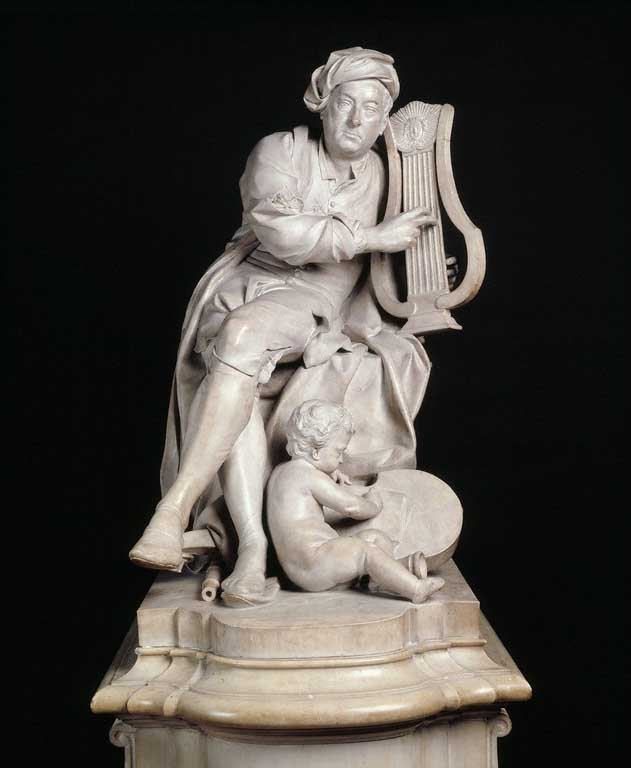 Sculpture
Primary source
Statue of George Frideric Handel
Louis-François Roubiliac · 1738
Free account
Read every George Frideric Handel source
Sign up free →
Ready when you are
Start chatting with George Frideric Handel now.
20 messages free · No credit card · Available in 50+ languages.