


Primary sourceBook1896
Rodney Stone
Arthur Conan Doyle · 1896
An 1896 historical novel by Arthur Conan Doyle, first published in parts. Set in the Regency era, it has a boxing setting and looks back on the lives of an earlier generation.
Doyle wrote this novel himself, and it shows his historical fiction and his interest in sport.
Free Humy account · No credit card · 120,288 sources to read
About this source
What it is
Rodney Stone is a novel by Arthur Conan Doyle, published in 1896, and first appeared in parts. It is set in the Regency era and has a boxing setting. The opening chapter is dated January 1851 and describes older people talking to their children about the great days they remember, including the long wars with Napoleon. The text is a transcription held on Wikisource.
Why it matters
The novel shows Doyle's interest in history and sport. Its narrator looks back from the middle of the nineteenth century at the life of the earlier years, which helps readers see how people in the 1850s remembered their youth. It also shows how Doyle used a made-up story to describe a real period.
Look closer
- How does the narrator describe the difference between history books and the lives of ordinary people?
- Why might Doyle have set a novel about boxing in the Regency era?
- What does the opening leave out about the people who were not part of the boxing world?
This book is part of the curated material that grounds the AI version of Arthur Conan Doyle on Humy.ai — when students ask about related events, the AI can quote it and cite it.
More Arthur Conan Doyle sources
Browse all 95 →Primary source
The Sign of Four
Arthur Conan Doyle · 1890
 Book
Primary source
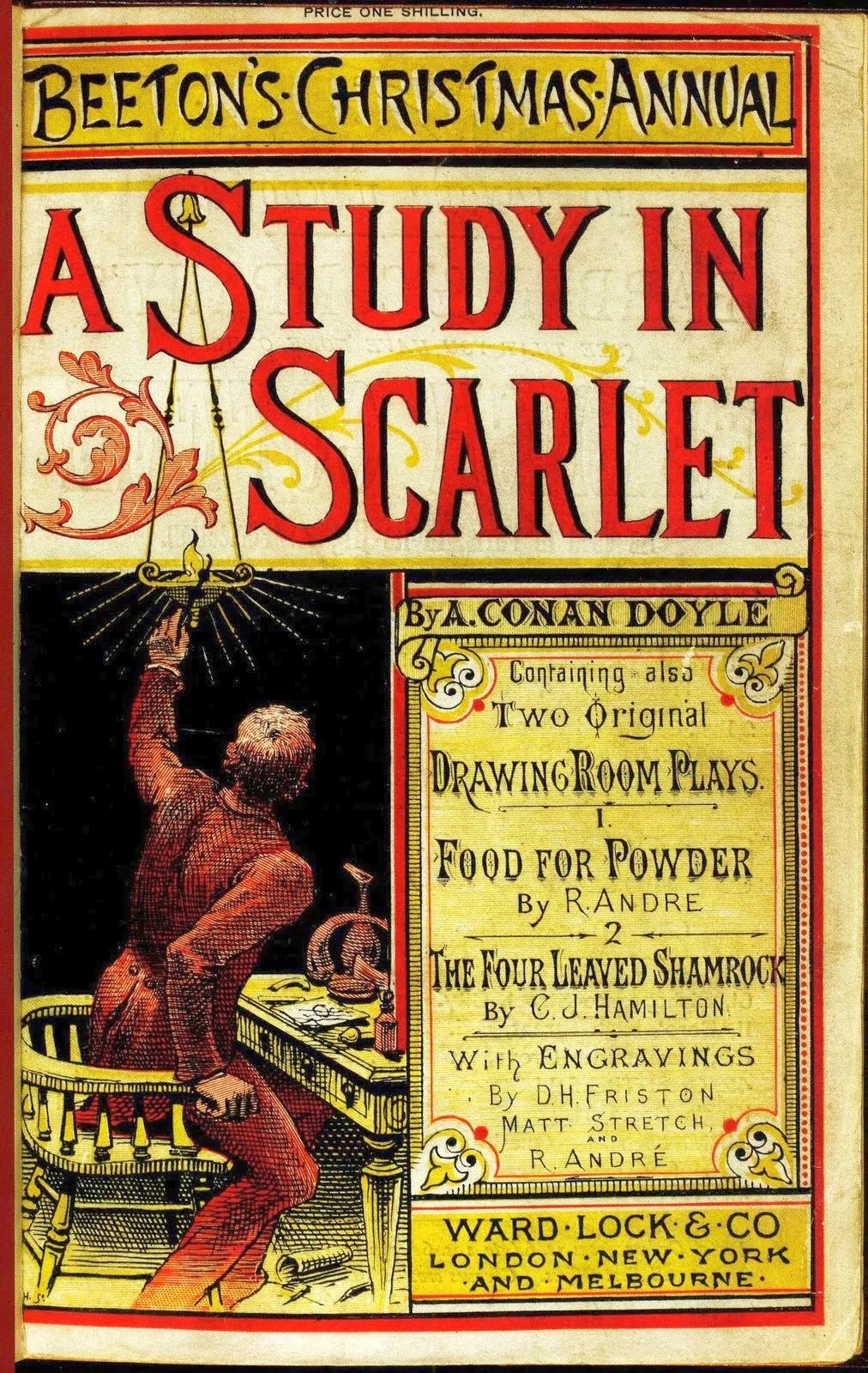
A Study in Scarlet
Arthur Conan Doyle · 1887
 Book
Primary source
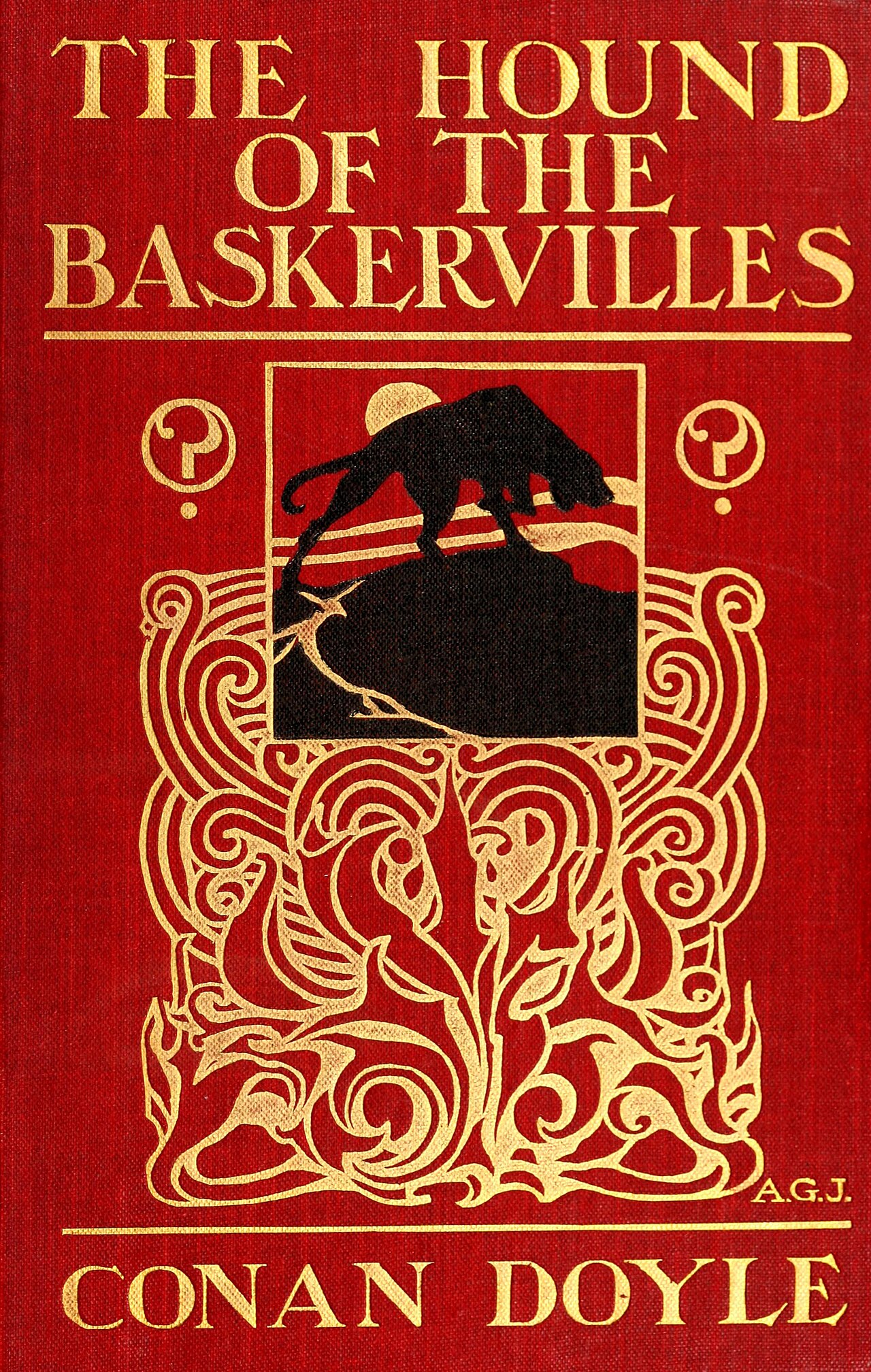
The Hound of the Baskervilles
Arthur Conan Doyle · 1902
Primary source
The Adventure of the Speckled Band
Arthur Conan Doyle · 1891
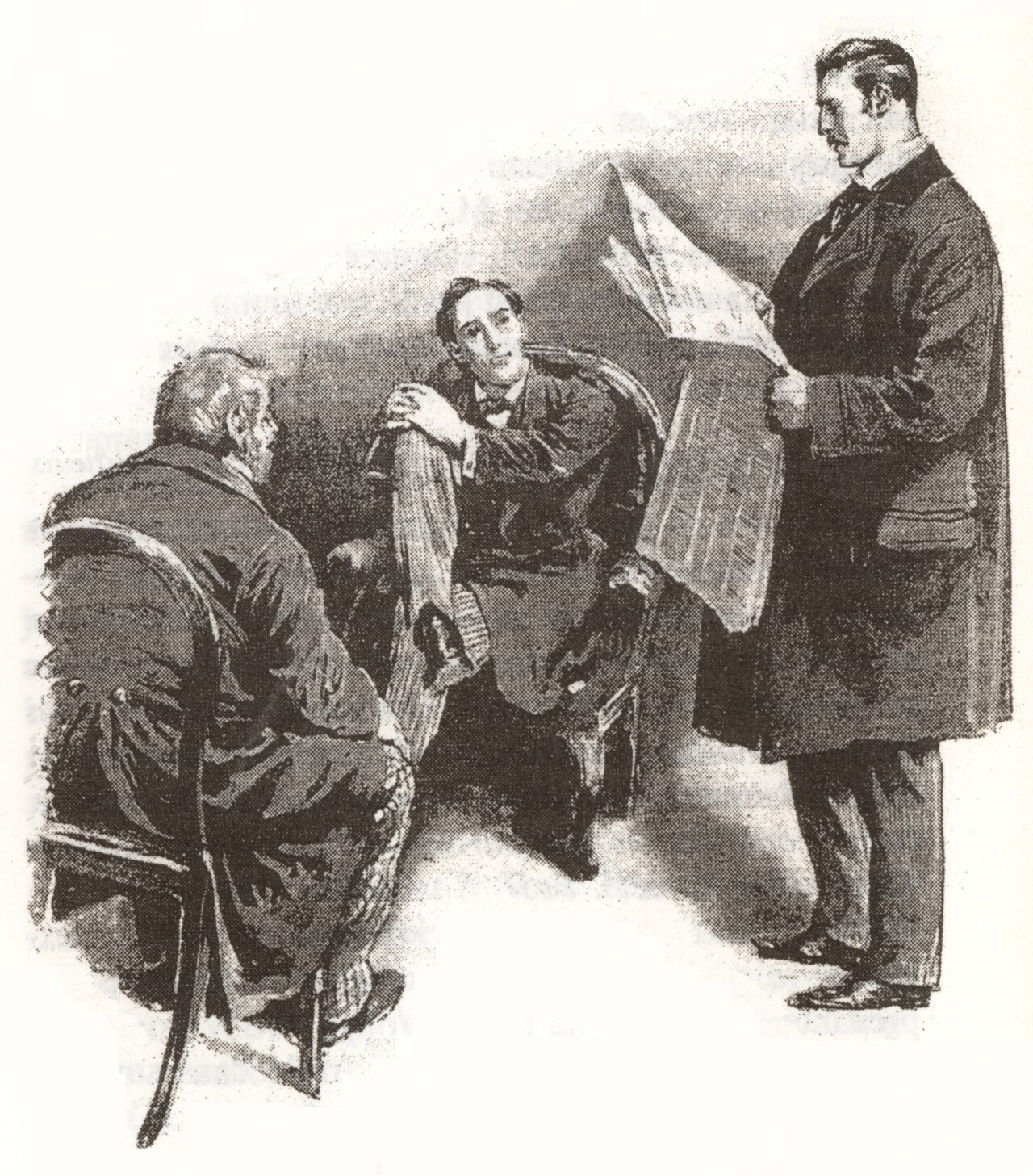
Free account
Read every Arthur Conan Doyle source
Sign up free →
Ready when you are
Start chatting with Arthur Conan Doyle now.
20 messages free · No credit card · Available in 50+ languages.