


Secondary sourcePhotograph2011-10-01
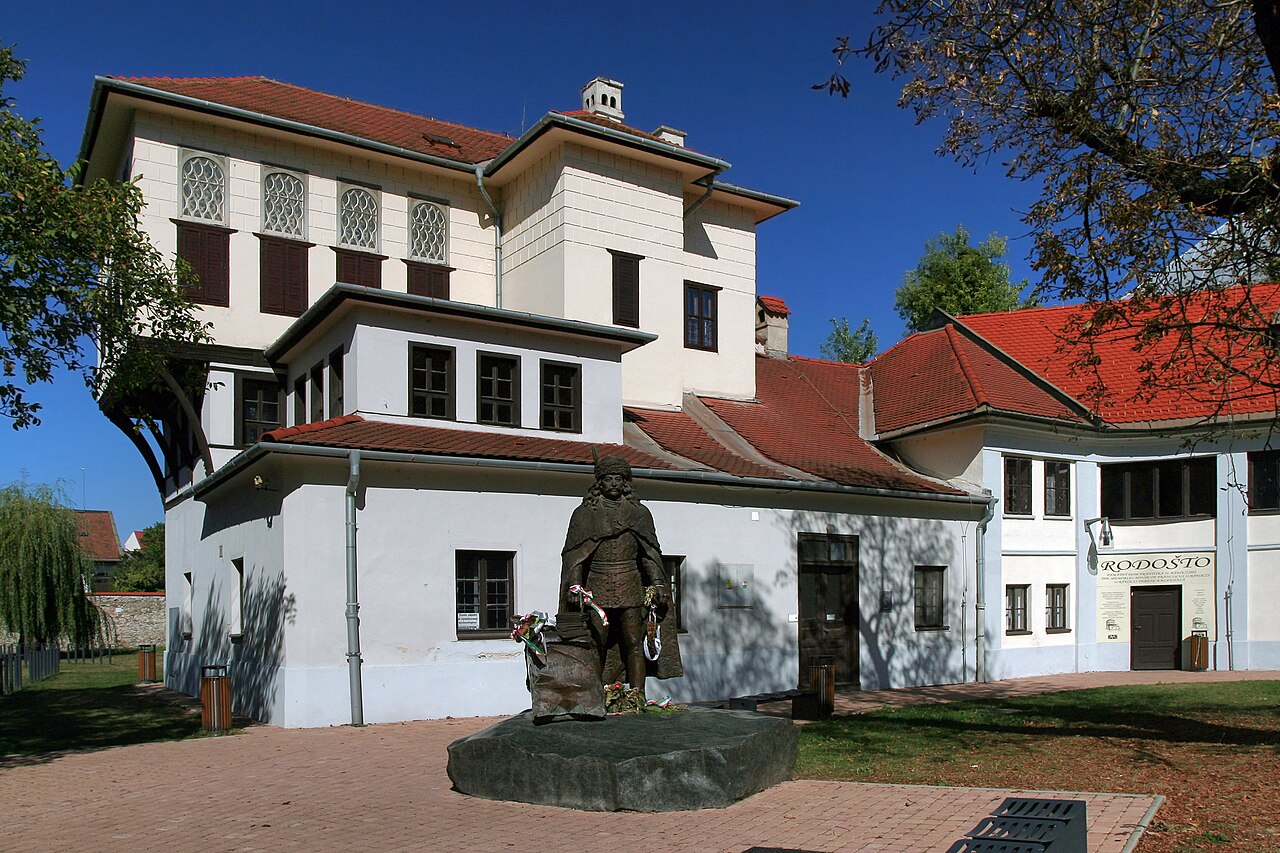
Rodostó Exhibition about Francis II Rákóczi
Rl91 · 2011-10-01
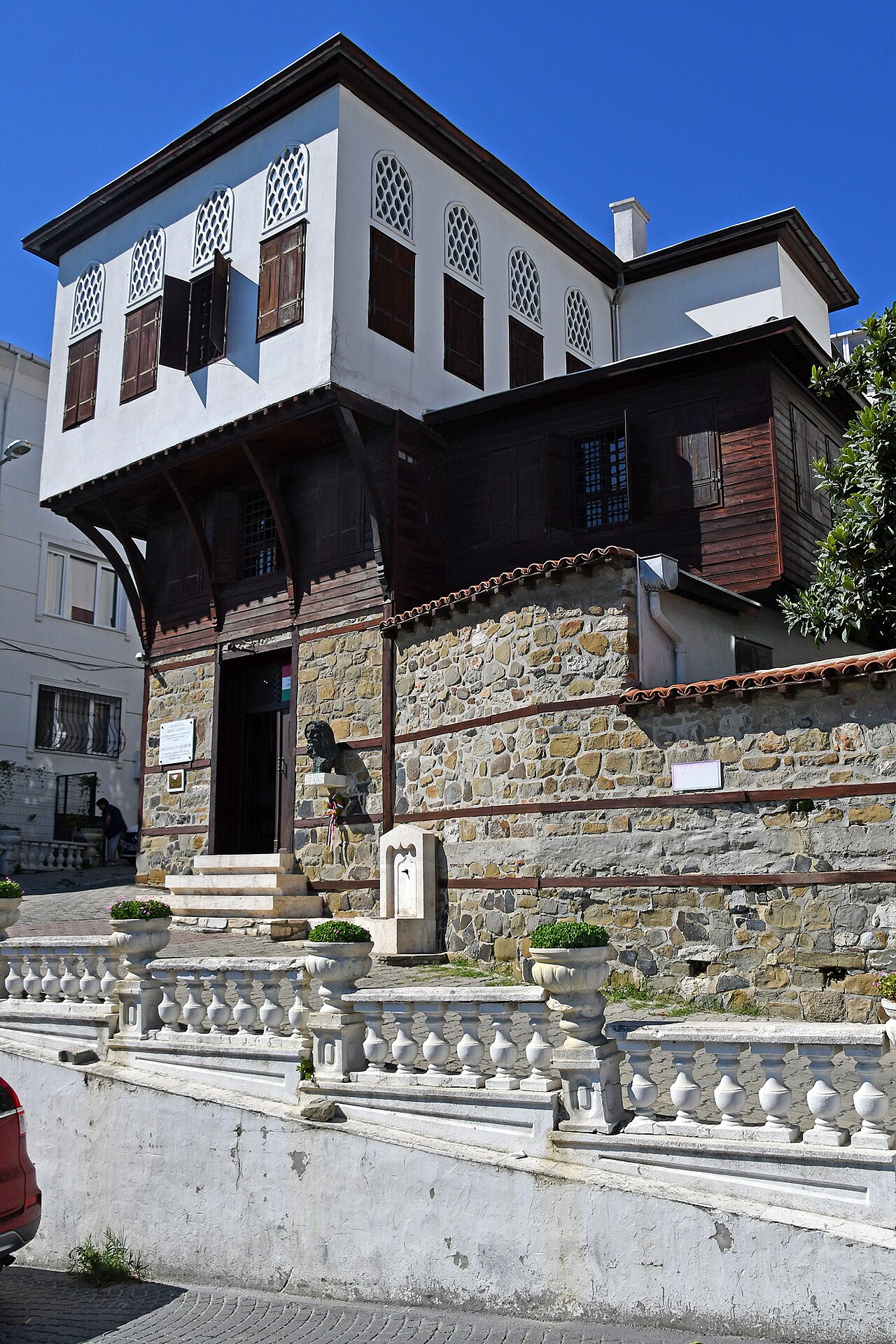
A photograph of a 2011 exhibition in Košice, Slovakia, devoted to Rákóczi and his exile at Rodostó. It is a modern display, not an original source.
It shows a modern exhibition about Rákóczi's exile at Rodostó, the place where he lived after his uprising.
About this source
What it is
This is a photograph taken on 1 October 2011 by Rl91, showing an exhibition in Košice, Slovakia, devoted to Francis II Rákóczi and his exile at Rodostó. The image shows a white two-storey historic building with red tile roofs and a bronze statue of a figure in a cloak and hat on a stone plinth in front. A sign reading RODOŠTO is on the right wall.
Why it matters
Rodostó, now Tekirdağ in Turkey, was where Rákóczi lived in exile after the uprising ended. Exhibitions like this one show how his story is presented to later audiences. The photo records a modern display, so it tells us more about present-day remembrance than about Rákóczi's own time.
Look closer
- What does the statue and the building style suggest about how the exile is presented to visitors?
- Why might an exhibition about a historical figure be built around a single place such as Rodostó?
- What would you need to know about the exhibition's makers to judge how they chose what to show?
This photograph is part of the curated material that grounds the AI version of Francis II Rákóczi on Humy.ai — when students ask about related events, the AI can quote it and cite it.
More Francis II Rákóczi sources
Browse all 90 →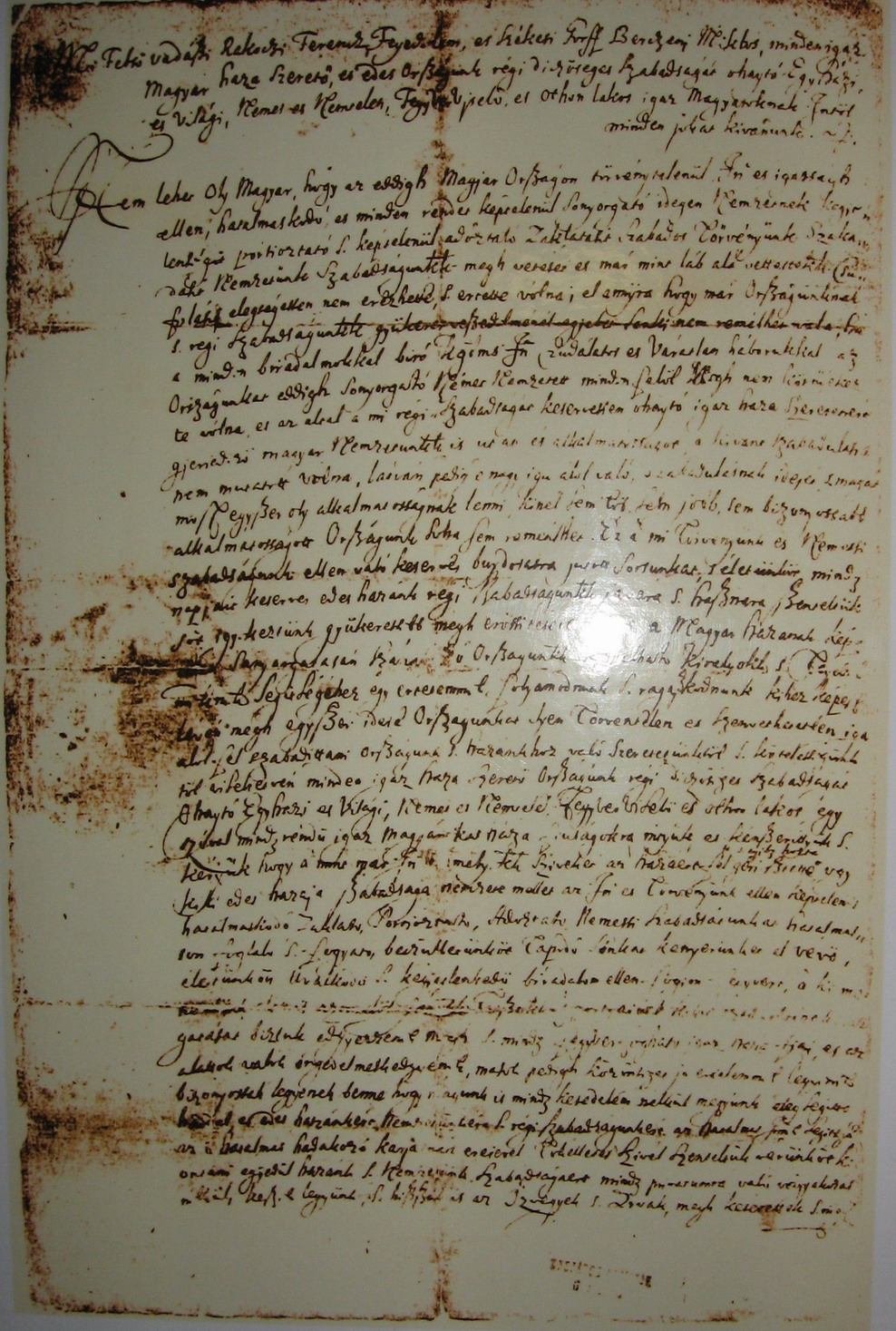 Document
Primary source
Manifesto of Berezhany
Francis II Rákóczi · 1703
 Painting
Primary source
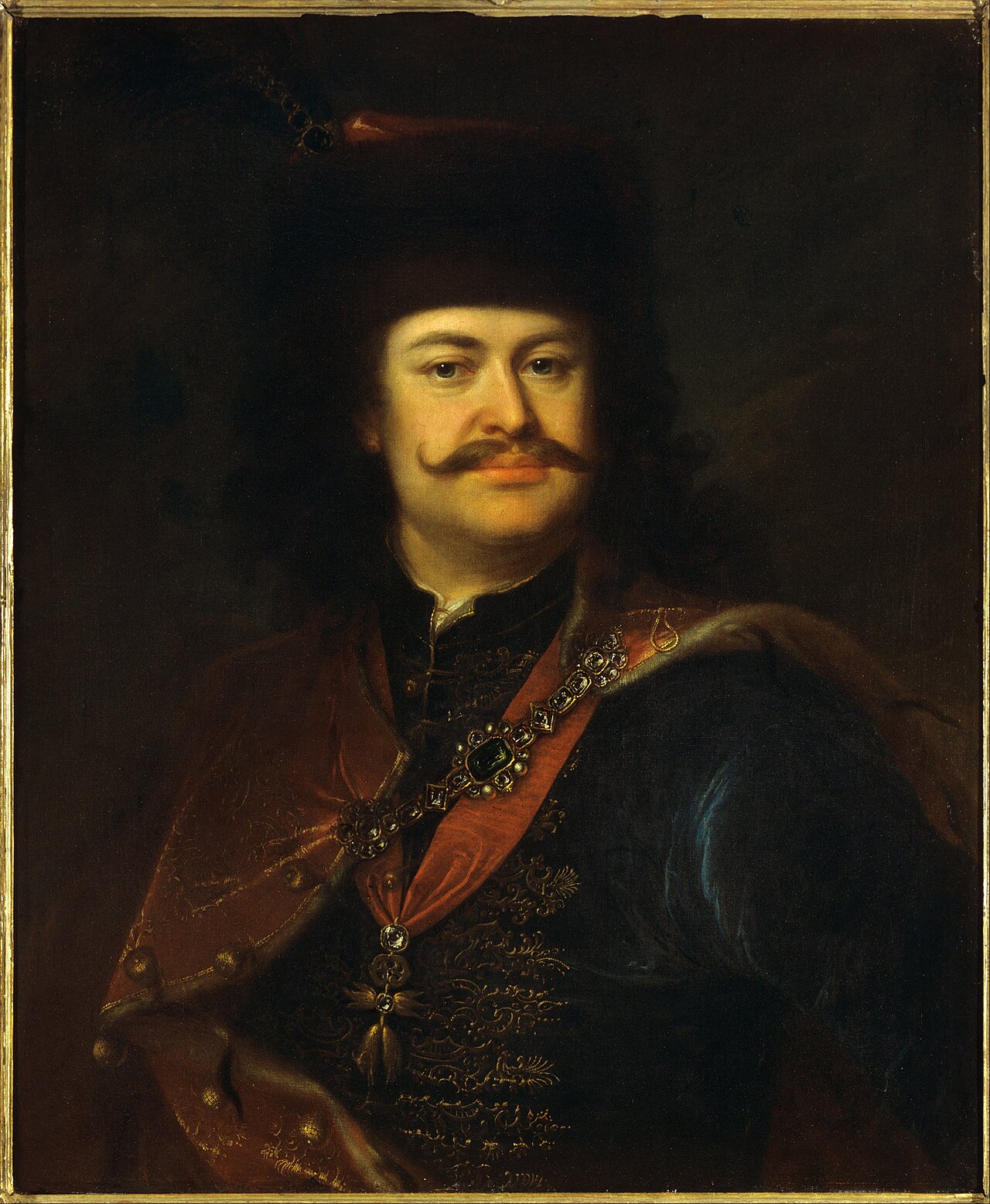
Portrait of Prince Ferenc Rákóczi II
Ádám Mányoki · 1712
 Newspaper article
Primary source
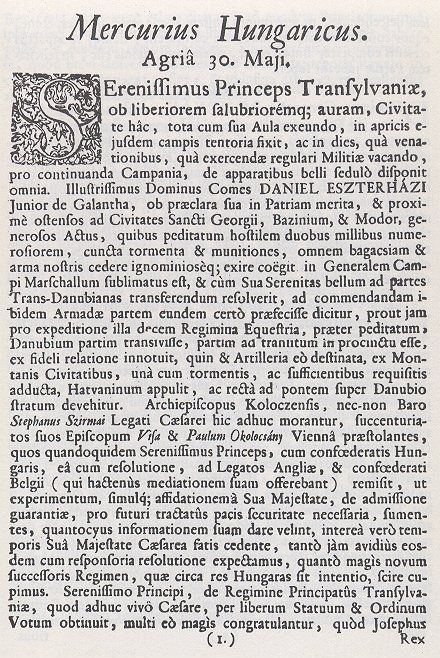
Mercurius Hungaricus
1705
 Artifact
Primary source
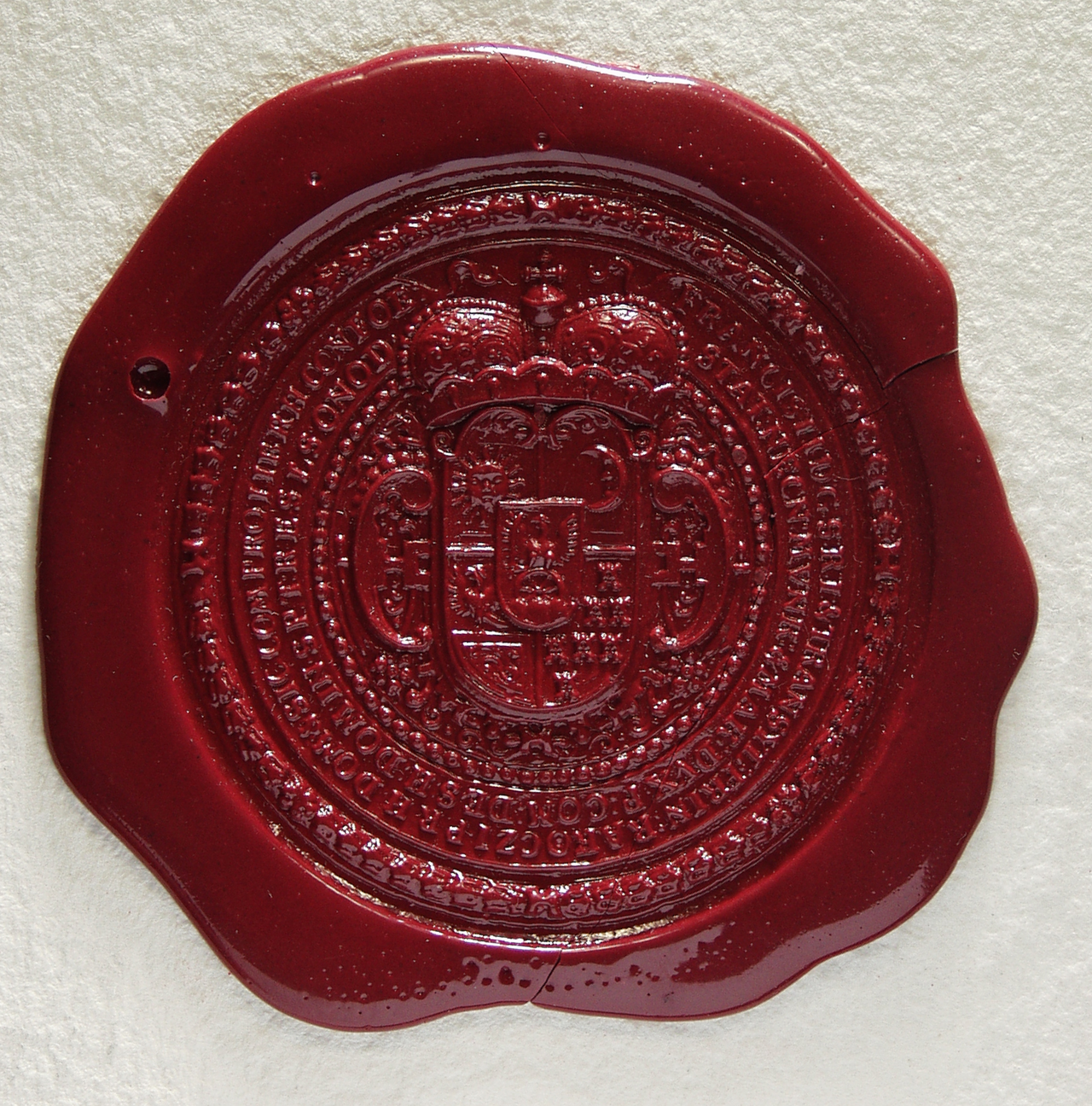
Great Seal of Francis II Rákóczi
Free account
Read every Francis II Rákóczi source
Sign up free →
Ready when you are
Start chatting with Francis II Rákóczi now.
20 messages free · No credit card · Available in 50+ languages.