


Secondary sourcePainting1644
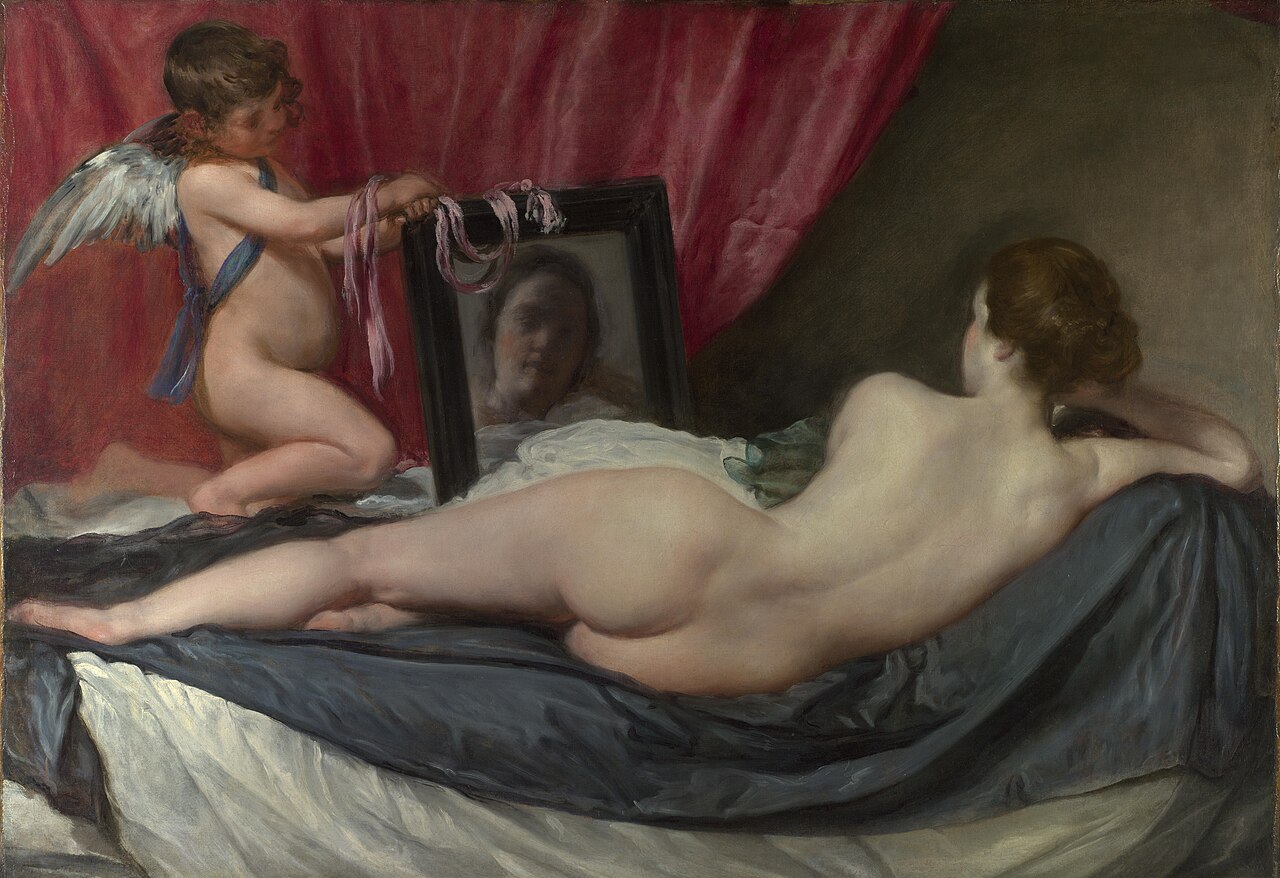
Rokeby Venus
Diego Velázquez · 1644
A 1640s Velázquez nude painting attacked in 1914 by suffragette Mary Richardson in protest at the government's treatment of Pankhurst.
This painting was attacked in 1914 by a suffragette protesting the government's imprisonment of Pankhurst.
About this source
What it is
The Rokeby Venus is a painting by Diego Velázquez, completed in the mid-1600s, showing the goddess Venus reclining and looking into a mirror held by Cupid. It has been held by the National Gallery in London since 1906.
Why it matters
In 1914, Canadian suffragette Mary Richardson slashed the painting, stating she did so in protest at the government's treatment of Emmeline Pankhurst, who was imprisoned at the time. The attack shows the lengths some supporters went to in defence of Pankhurst and the WSPU's cause, and how art and public property became targets in the suffrage campaign. The painting was restored and remains on display.
Look closer
- Why might someone choose to attack a painting of a nude goddess as a form of political protest?
- What does this event tell you about the strength of feeling Pankhurst inspired in her supporters?
- How do museums balance protecting artworks with the history of protest connected to them?
This painting is part of the curated material that grounds the AI version of Emmeline Pankhurst on Humy.ai — when students ask about related events, the AI can quote it and cite it.
More Emmeline Pankhurst sources
Meet the AI Emmeline Pankhurst →Primary source
Freedom or Death
Emmeline Pankhurst · 1913
Primary source
My Own Story
Emmeline Pankhurst · 1914
 Photograph
Primary source
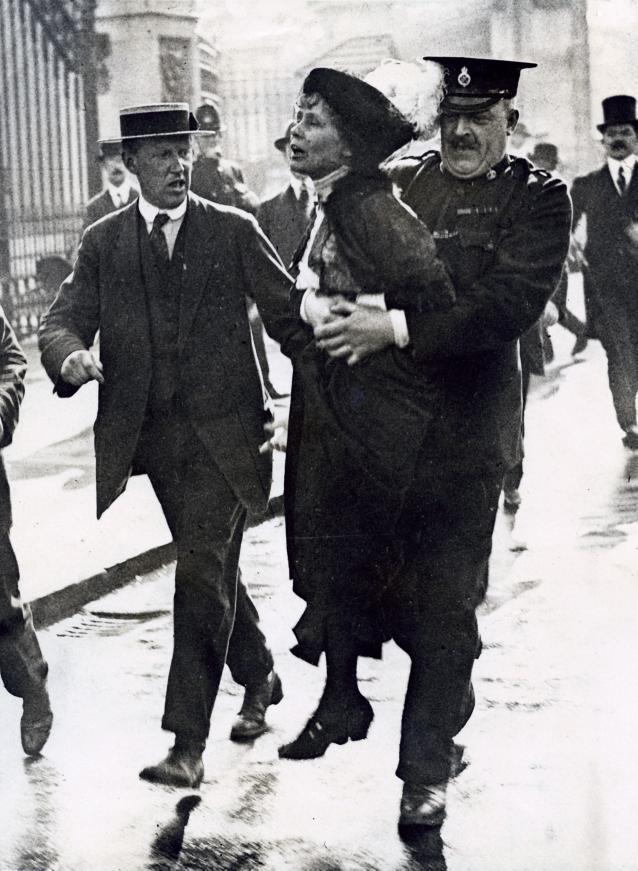
Emmeline Pankhurst Arrested, 1914
Unknown author · 22 May 1914
 Newspaper article
Primary source
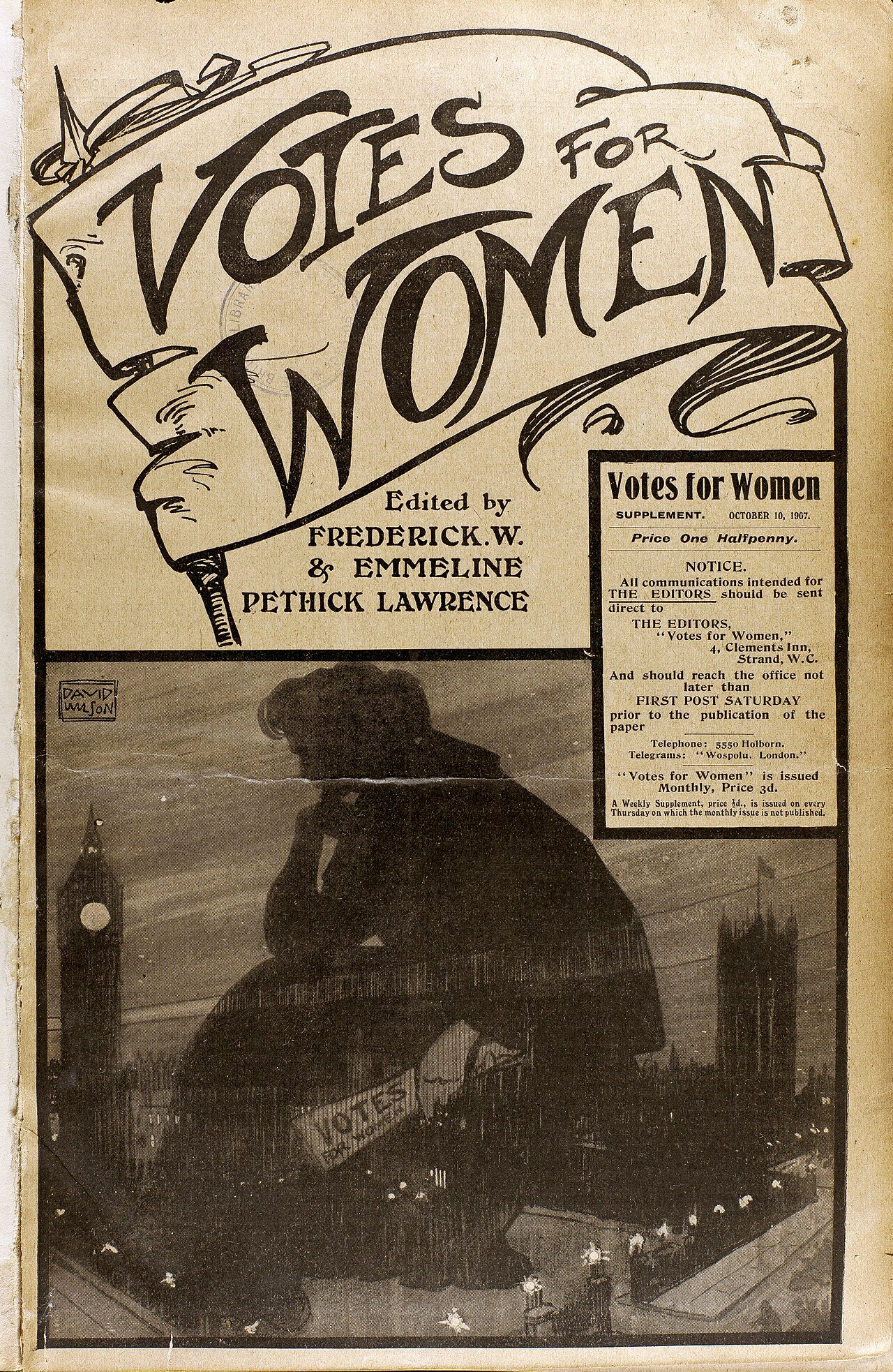
Votes for Women
Frederick Pethick-Lawrence and Emmeline Pethick-Lawrence · 10 October 1907
 Photograph
Primary source
Emmeline Pankhurst Addresses a Crowd in New York City
Topical Press Agency · 1913
Ready when you are
Start chatting with Emmeline Pankhurst now.
20 messages free · No credit card · Available in 50+ languages.