


Primary sourceArtifactca. 100 BCE
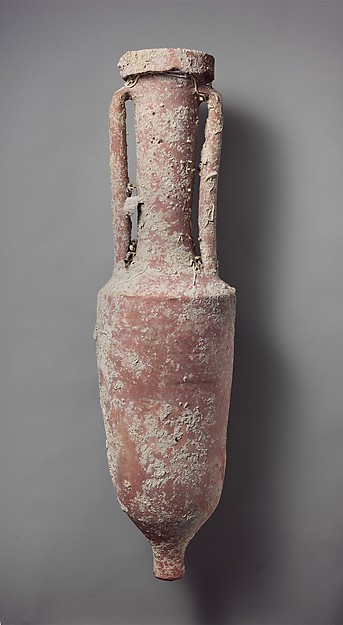
Roman Terracotta Wine Amphora Given by Jacques-Yves Cousteau
ca. 100 BCE
An ancient Roman amphora that Cousteau donated to the Metropolitan Museum of Art in 1953, likely recovered during his underwater work.
An ancient amphora Cousteau owned and donated to the Met, likely recovered during his underwater expeditions.
About this source
What it is
This is a tall terracotta wine amphora from the Roman Republic period, dating to around 100 BCE. Its clay body is encrusted with marine deposits. It has a flat rim, two vertical handles, a narrow neck and a pointed base. It was given to the Metropolitan Museum of Art in 1953 by Captain Jacques-Yves Cousteau.
Why it matters
The marine encrustations suggest the amphora spent a long time underwater before being recovered. Cousteau's donation connects his underwater expeditions to the discovery and preservation of ancient shipwreck cargo, linking modern diving technology to the study of the ancient world.
Look closer
- What do the marine deposits on the amphora tell you about where it was found?
- Why might Cousteau have chosen to donate this object to a museum rather than keep it?
- What does this object not tell you about the shipwreck or site it may have come from?
This artifact is part of the curated material that grounds the AI version of Jacques Cousteau on Humy.ai — when students ask about related events, the AI can quote it and cite it.
More Jacques Cousteau sources
Browse all 49 →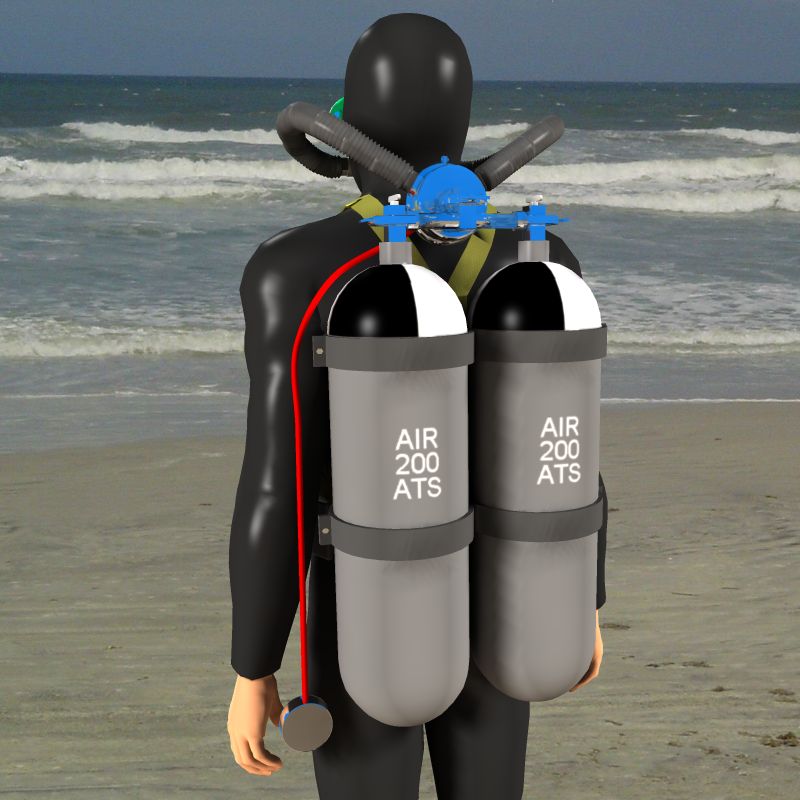 Artifact
Secondary source
Aqua-Lung
Jacques Cousteau and Émile Gagnan · 1943
 Artifact
Primary source
RV Calypso
Ailsa Shipbuilding; refitted by Cousteau · 1942; refitted 1950–51
 Photograph
Primary source
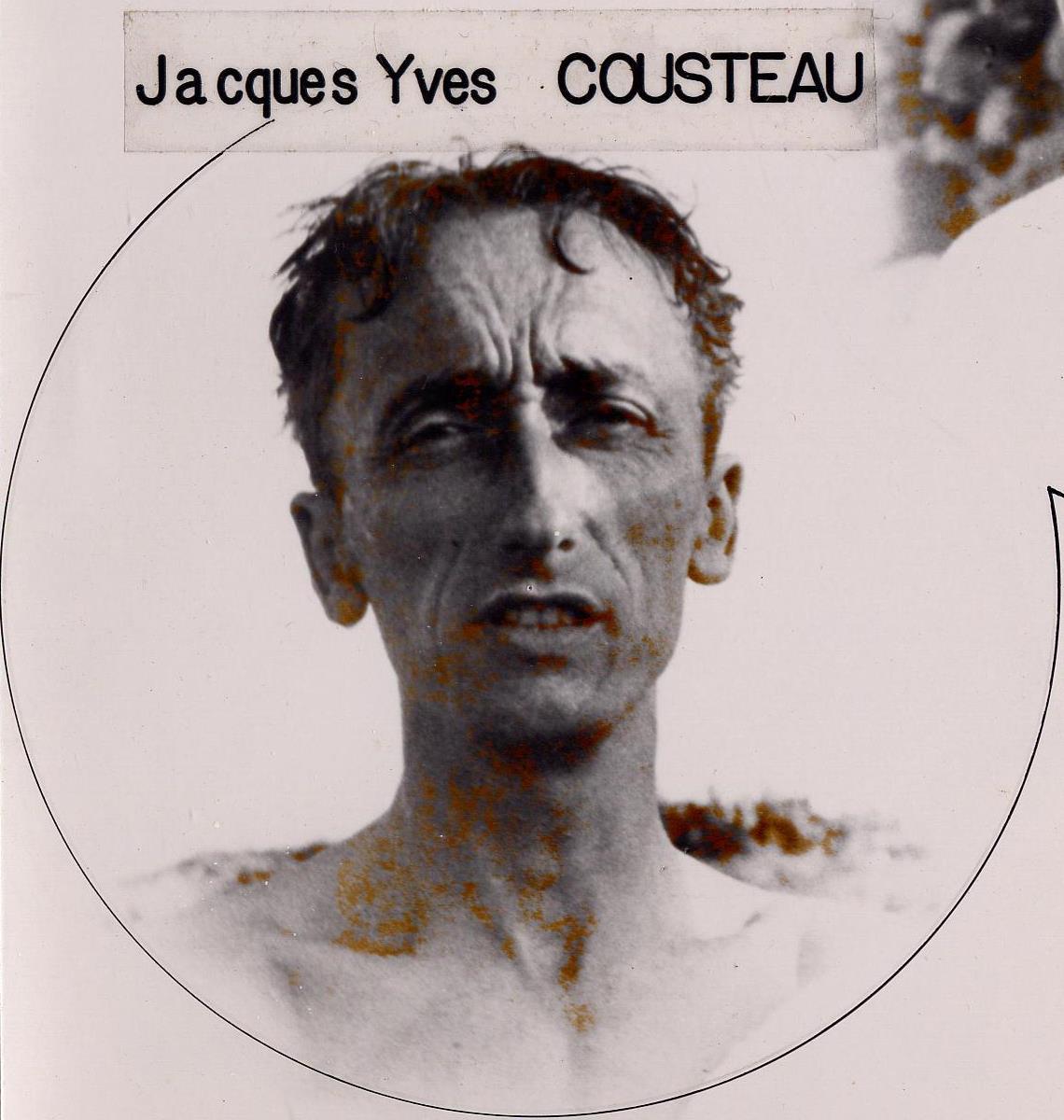
Jacques-Yves Cousteau, Les Mousquemers en 1948
Philippe Tailliez · 1948
 Photograph
Primary source
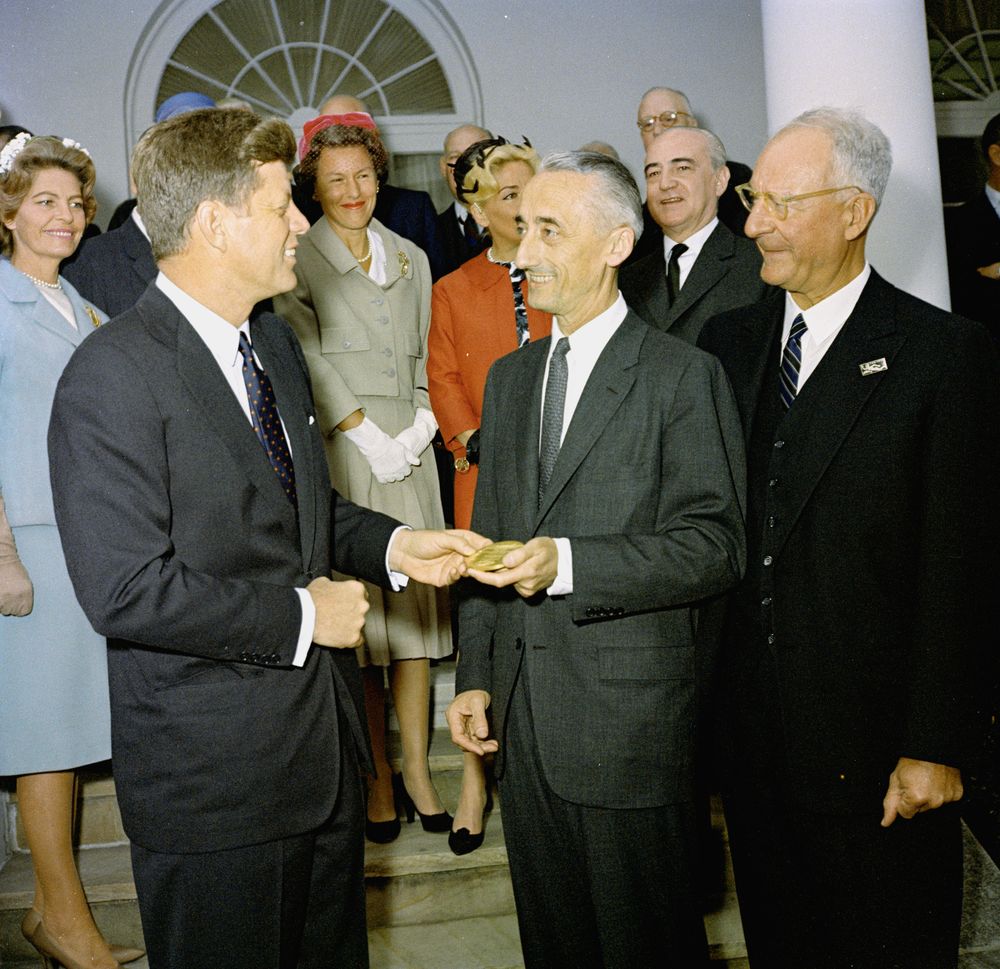
President Kennedy Presents the National Geographic Society Gold Medal to Jacques Cousteau
Robert Knudsen · 1961

Free account
Read every Jacques Cousteau source
Sign up free →
Ready when you are
Start chatting with Jacques Cousteau now.
20 messages free · No credit card · Available in 50+ languages.