


Primary sourceDocumentary1945
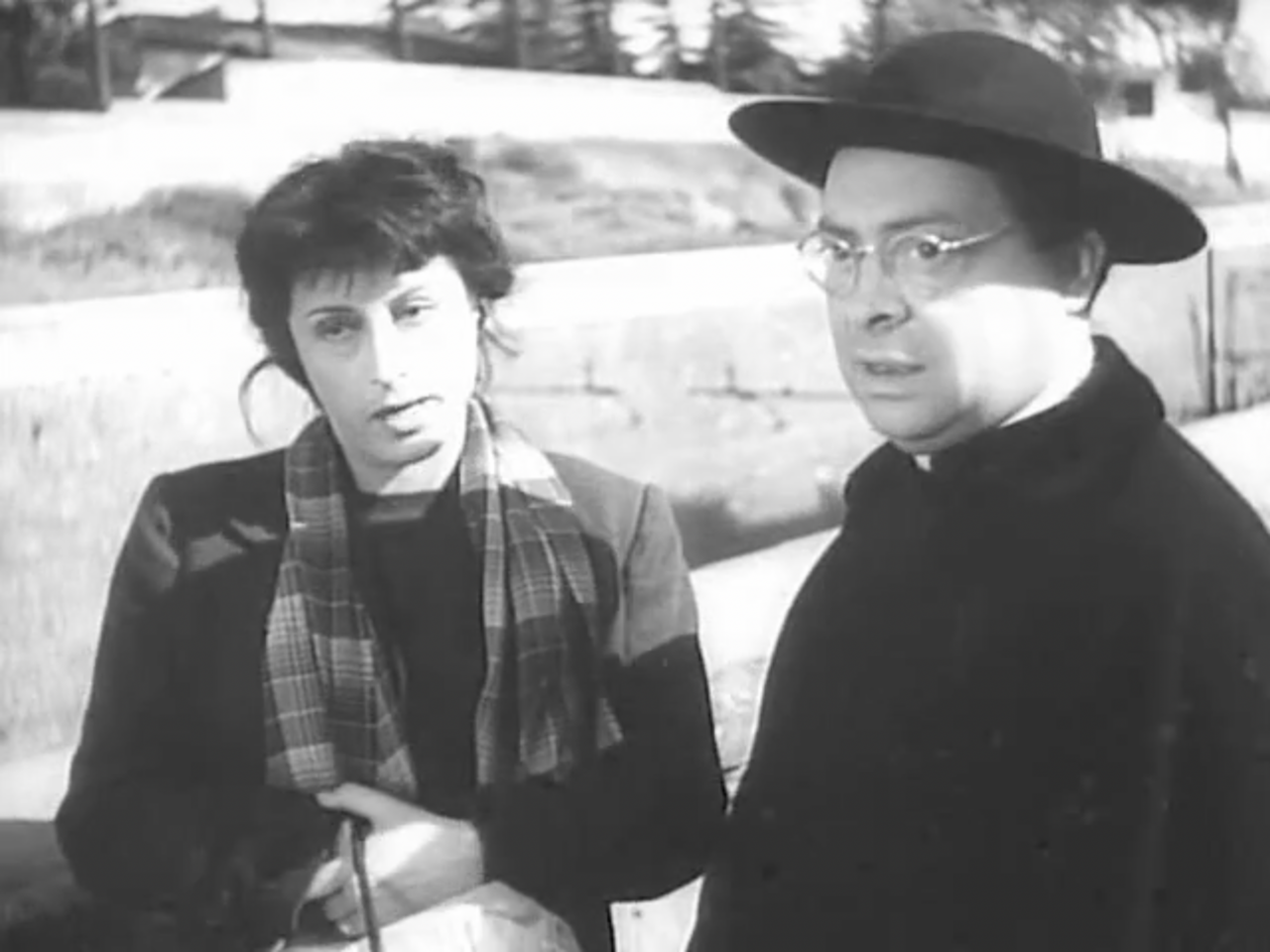
Rome, Open City
Roberto Rossellini · 1945
A 1945 neorealist war drama directed by Roberto Rossellini, shot in liberated Rome and considered the film that launched Italian neorealism.
Directed by Rossellini, this film launched Italian neorealism and his international career.
About this source
What it is
Rome, Open City is a 1945 Italian film directed by Roberto Rossellini, set during the Nazi occupation of Rome. It follows a Resistance fighter and a Catholic priest trying to survive and help the partisan movement. It was shot shortly after Rome's liberation, using scavenged film stock because the Italian film industry had almost collapsed.
Why it matters
The film is seen as the starting point of Italian neorealism, a style that used real locations, non-professional actors and stories about ordinary people under war. It marked Rossellini's shift away from films made during the Fascist era and launched his international career, along with co-writer Federico Fellini and actress Anna Magnani. It won the Palme d'Or and was nominated for an Oscar.
Look closer
- Why might filming so soon after the war, with real streets and real hardship, change how audiences experienced the story?
- What does the film choose to show about the Resistance, and what might it leave out?
- How might Rossellini's own experience of wartime Italy have shaped this story?
This documentary is part of the curated material that grounds the AI version of Roberto Rossellini and Federico Fellini on Humy.ai — when students ask about related events, the AI can quote it and cite it.
More Roberto Rossellini sources
Browse all 99 →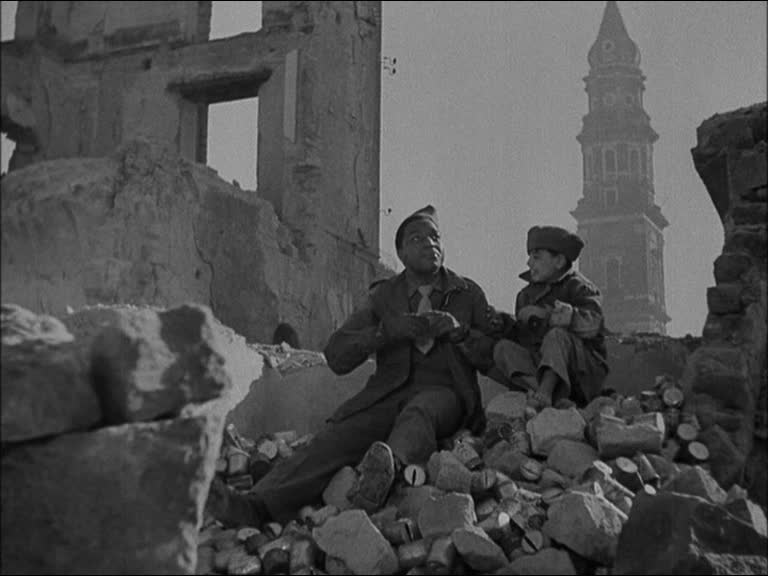 Documentary
Primary source
Paisà
Roberto Rossellini · 1946
 Documentary
Primary source
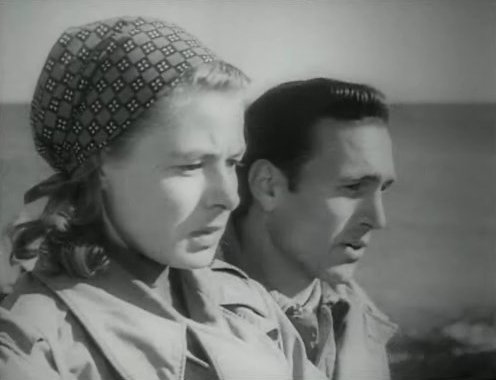
Stromboli
Roberto Rossellini · 1950
 Documentary
Primary source
Journey to Italy
Roberto Rossellini · 1954
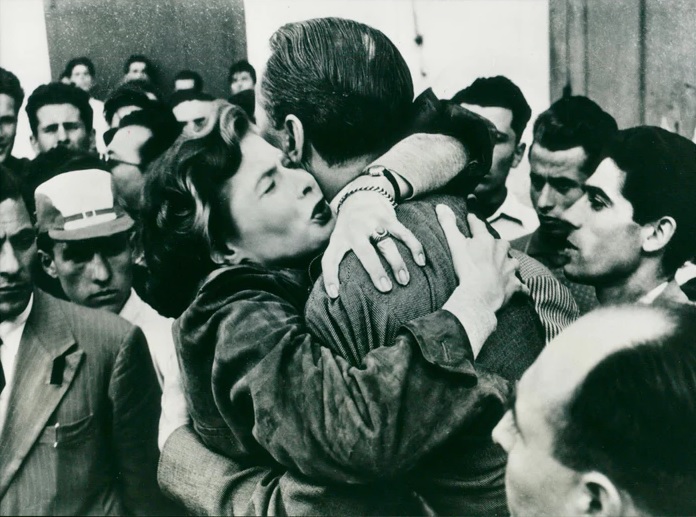
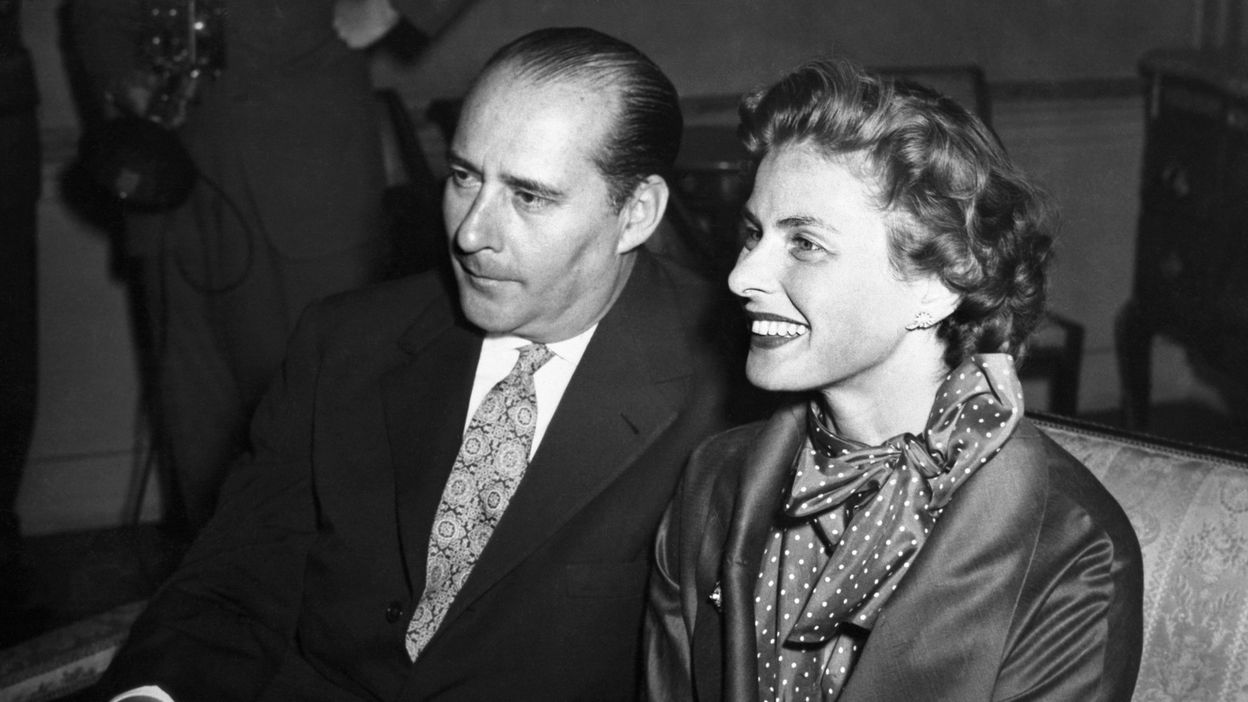 Photograph
Primary source
Bergman with Rossellini

Free account
Read every Roberto Rossellini source
Sign up free →
Ready when you are
Start chatting with Roberto Rossellini now.
20 messages free · No credit card · Available in 50+ languages.