


Primary sourceArtifact1935 (revised to 1940)
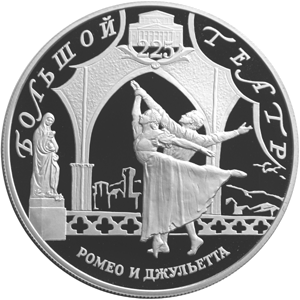
Romeo and Juliet
Sergei Prokofiev · 1935 (revised to 1940)
Prokofiev's full-length ballet based on Shakespeare's play, composed in 1935 and revised for its troubled Soviet premiere in 1940.
Prokofiev composed this ballet, whose troubled production history reflects the pressures on Soviet artists of his time.
About this source
What it is
Romeo and Juliet, Op. 64, is a ballet composed by Sergei Prokofiev in 1935, based on Shakespeare's play, with a scenario by Adrian Piotrovsky and Sergey Radlov. It was substantially revised before its Soviet premiere at the Kirov Theatre in 1940, choreographed by Leonid Lavrovsky and danced by Galina Ulanova and Konstantin Sergeyev.
Why it matters
The ballet's path to the stage shows the pressures Soviet artists faced: its original happy ending caused controversy, and political upheavals delayed its Soviet premiere for years. The finished work, including the famous 'Dance of the Knights', became one of Prokofiev's most celebrated scores and a landmark of Soviet ballet.
- Why might Soviet officials have objected to a happy ending for Romeo and Juliet?
- What does the long delay in staging the ballet tell you about artistic life under Stalin?
- How might a ballet express a story differently than a play with words?
This artifact is part of the curated material that grounds the AI version of Sergei Prokofiev on Humy.ai — when students ask about related events, the AI can quote it and cite it.
More Sergei Prokofiev sources
Browse all 72 →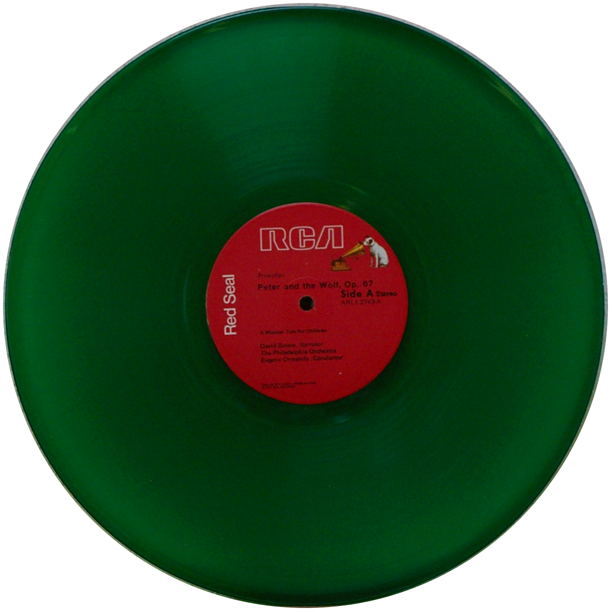 Artifact
Primary source
Peter and the Wolf
Sergei Prokofiev · 1936
 Documentary
Secondary source
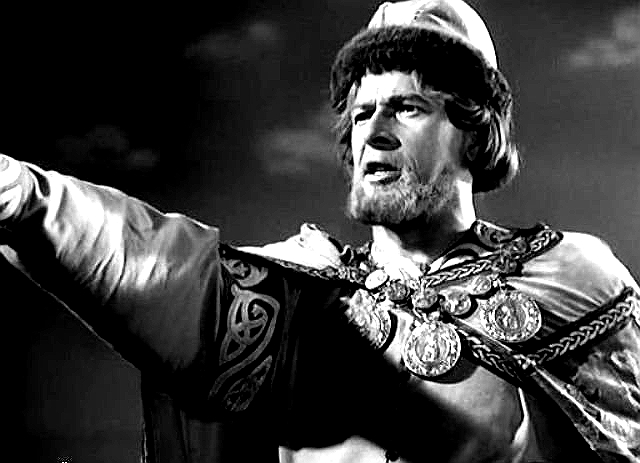
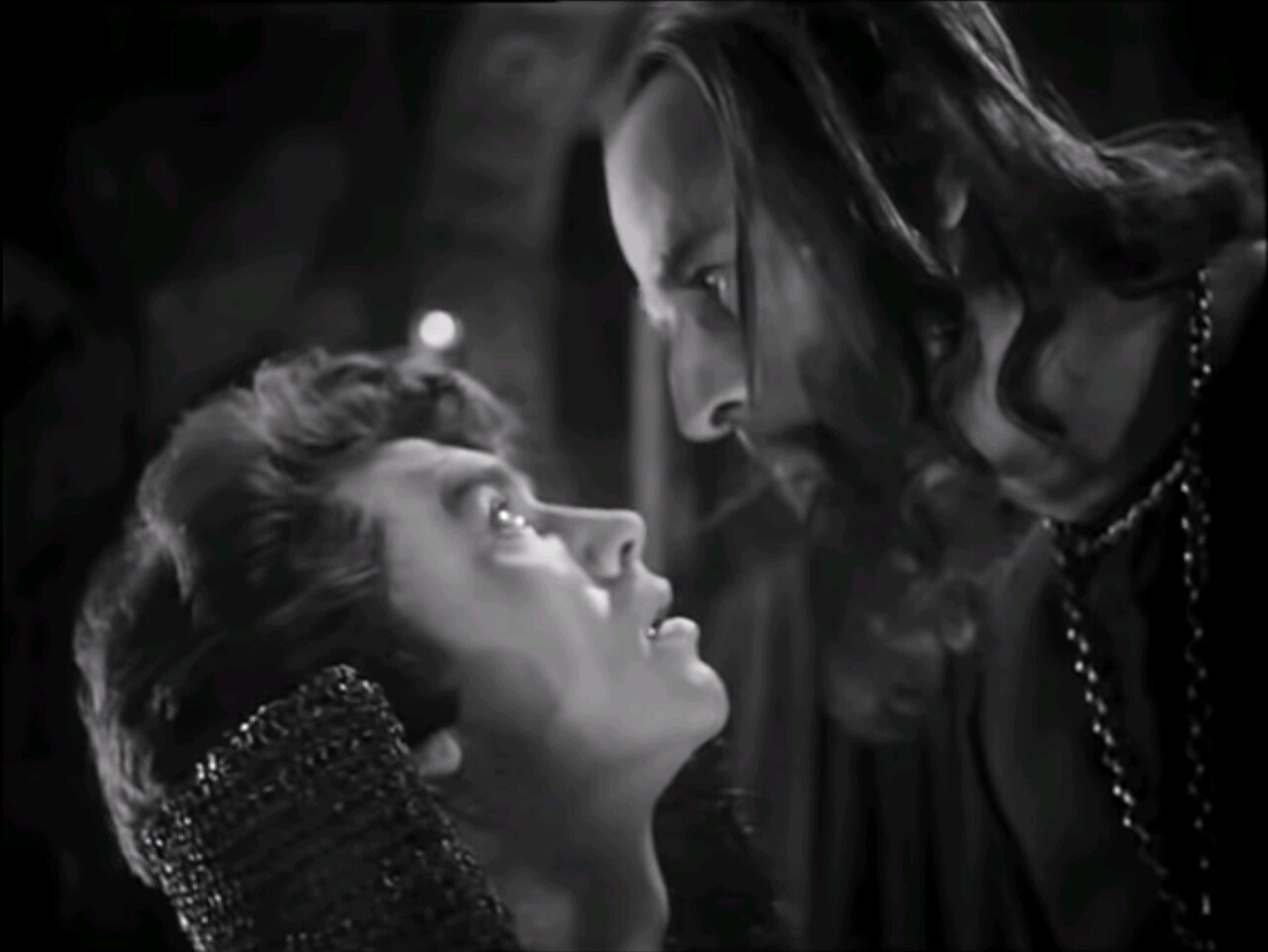
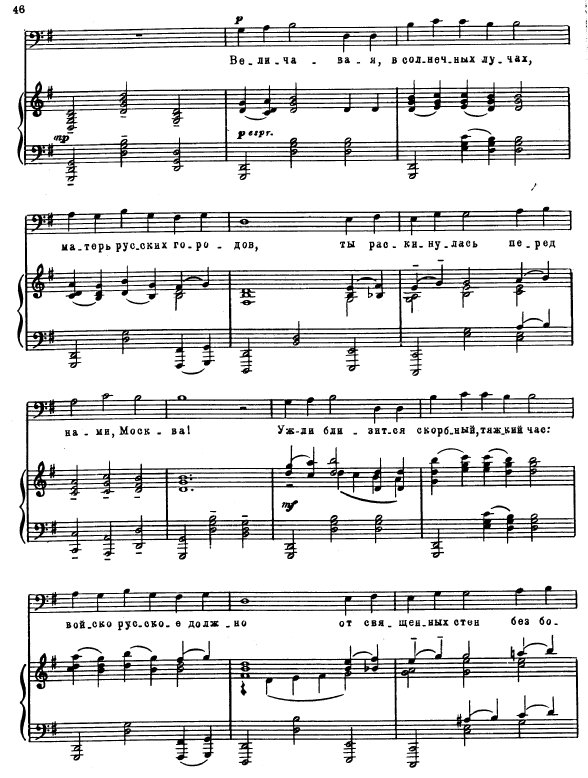
Alexander Nevsky
Sergei Eisenstein · 1938
 Artifact
Primary source
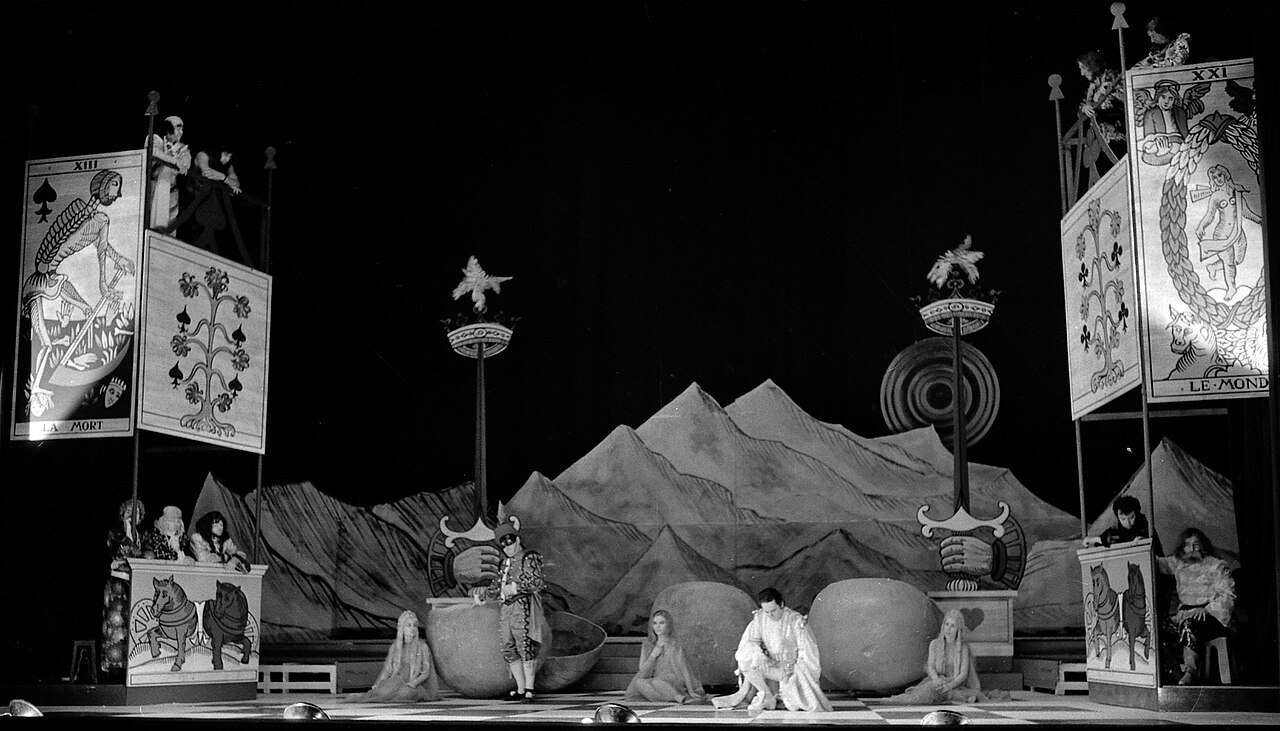
The Love for Three Oranges
Sergei Prokofiev · 1921
 Artifact
Primary source
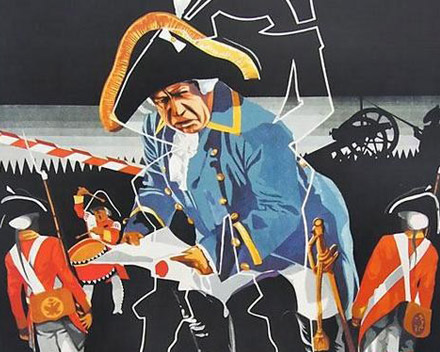
Lieutenant Kijé
Sergei Prokofiev · 1934
Free account
Read every Sergei Prokofiev source
Sign up free →
Ready when you are
Start chatting with Sergei Prokofiev now.
20 messages free · No credit card · Available in 50+ languages.