


Primary sourceArtifact1897
Romeo and Juliet Windmill
Frank Lloyd Wright · 1897
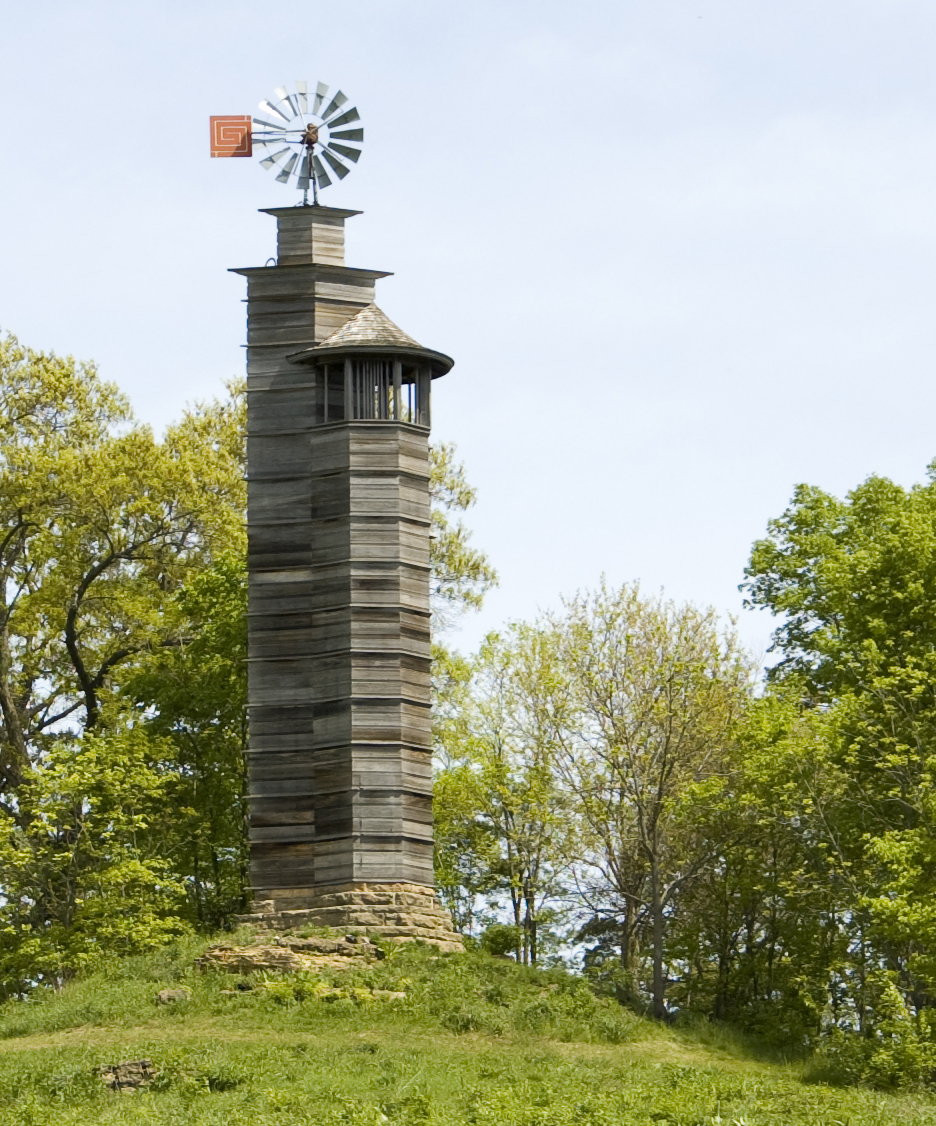
A wooden windmill tower designed by Frank Lloyd Wright in 1896-97 for his aunts' school at what became his Taliesin estate.
Wright designed this windmill tower in 1896-97 as an early experiment in geometric form for his aunts' school.
About this source
What it is
This is a tall wooden windmill tower designed by Frank Lloyd Wright in 1896, built in 1897, standing on the Taliesin estate near Spring Green, Wisconsin. It was commissioned by his aunts, Jane and Ellen Lloyd Jones, to pump water for their school.
Why it matters
Wright combined a diamond-shaped section, which he called 'Romeo', with an octagonal section, 'Juliet', explaining that each part needed the other to stand. This early work shows Wright experimenting with interlocking geometric forms long before his famous later buildings. It also shows the close family ties behind his early career, since his aunts were his clients.
Look closer
- Why might Wright have given the two shapes romantic names?
- What does the windmill's location, next to his own home and his sister's house, tell you about his life at Taliesin?
- How might a working windmill for a rural school in the 1890s differ from a modern water system?
This artifact is part of the curated material that grounds the AI version of Frank Lloyd Wright on Humy.ai — when students ask about related events, the AI can quote it and cite it.
More Frank Lloyd Wright sources
Meet the AI Frank Lloyd Wright →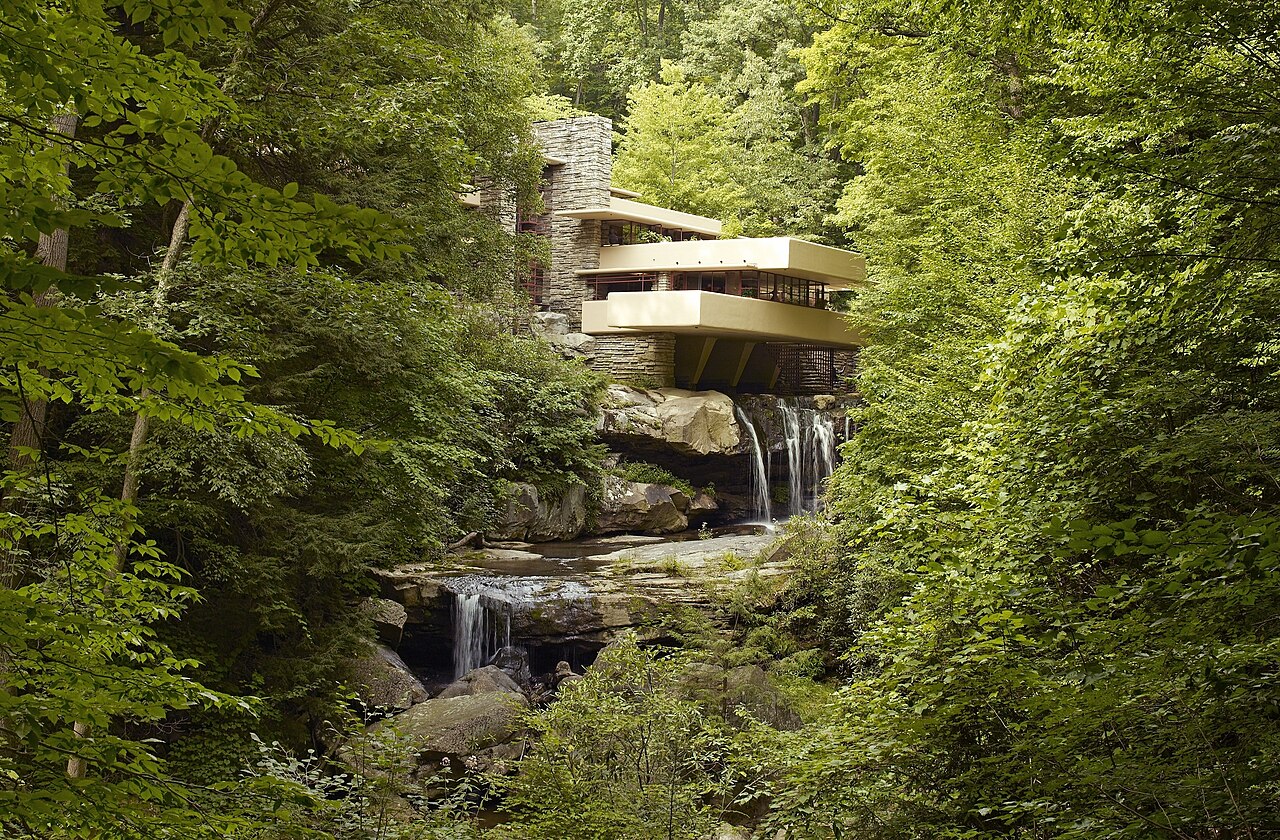 Artifact
Primary source
Fallingwater
Frank Lloyd Wright · 1936
 Artifact
Primary source
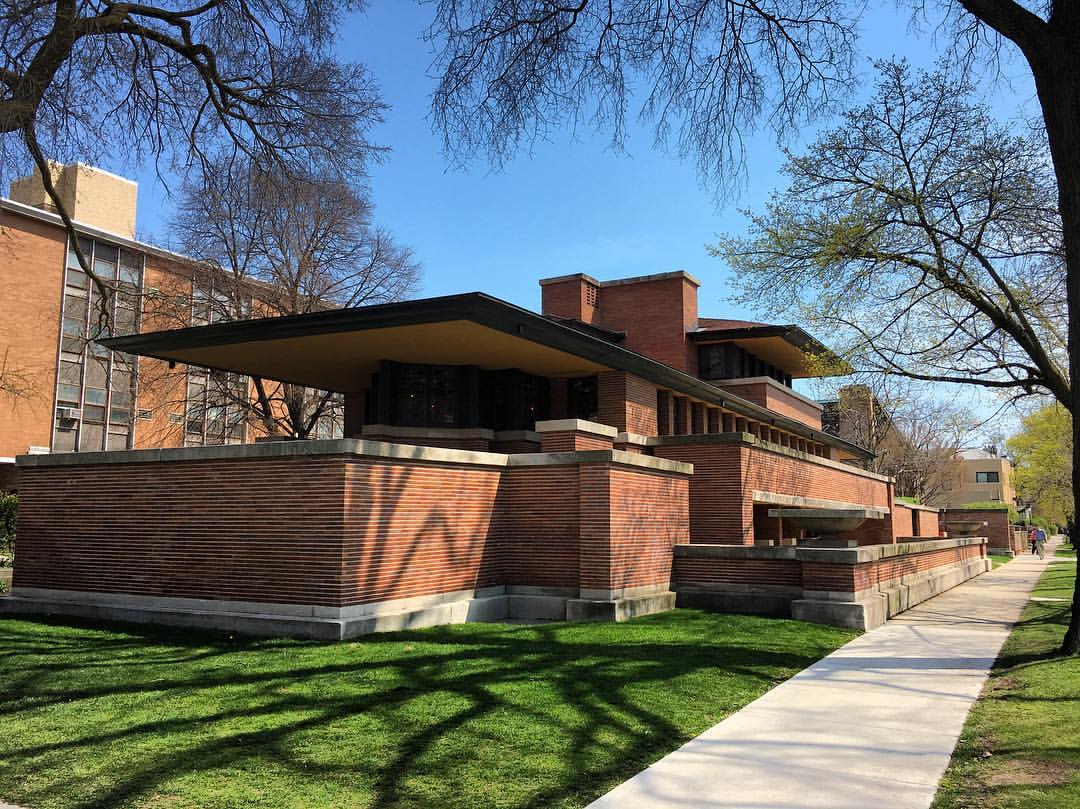
Robie House
Frank Lloyd Wright · 1909–1910
 Artifact
Primary source
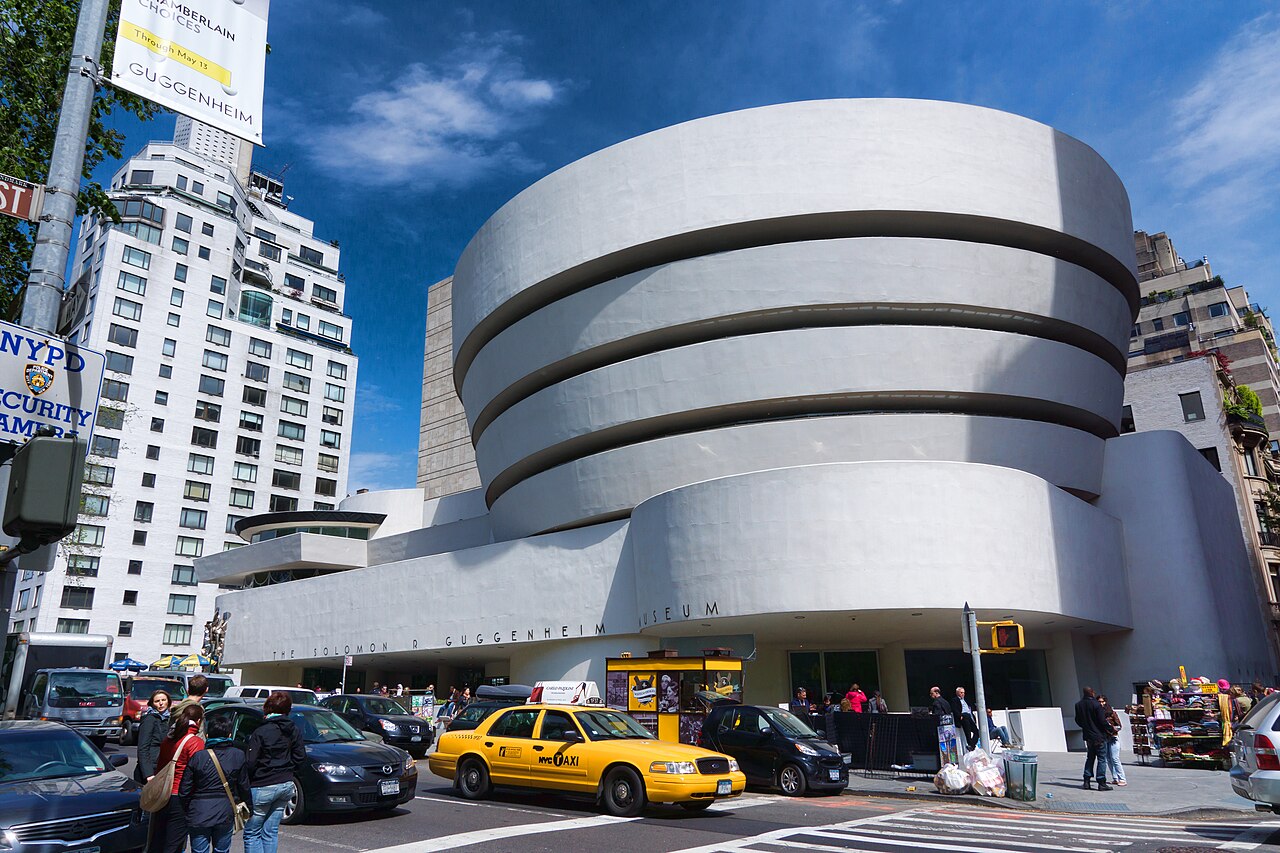
Solomon R. Guggenheim Museum
Frank Lloyd Wright · designed 1943–1959, completed 1959
 Artifact
Primary source
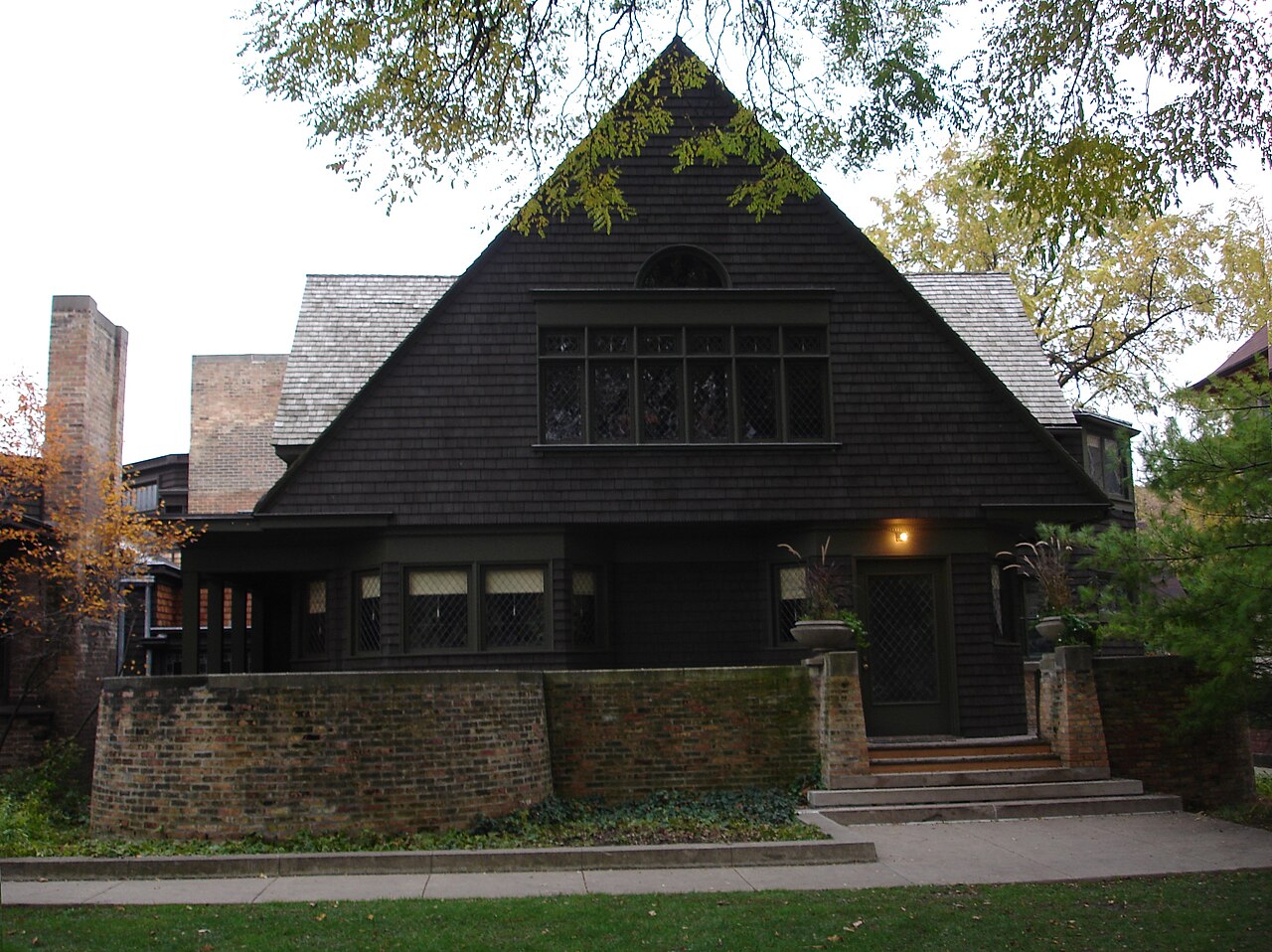
Frank Lloyd Wright Home and Studio
Frank Lloyd Wright · 1889, studio added 1898
 Artifact
Primary source
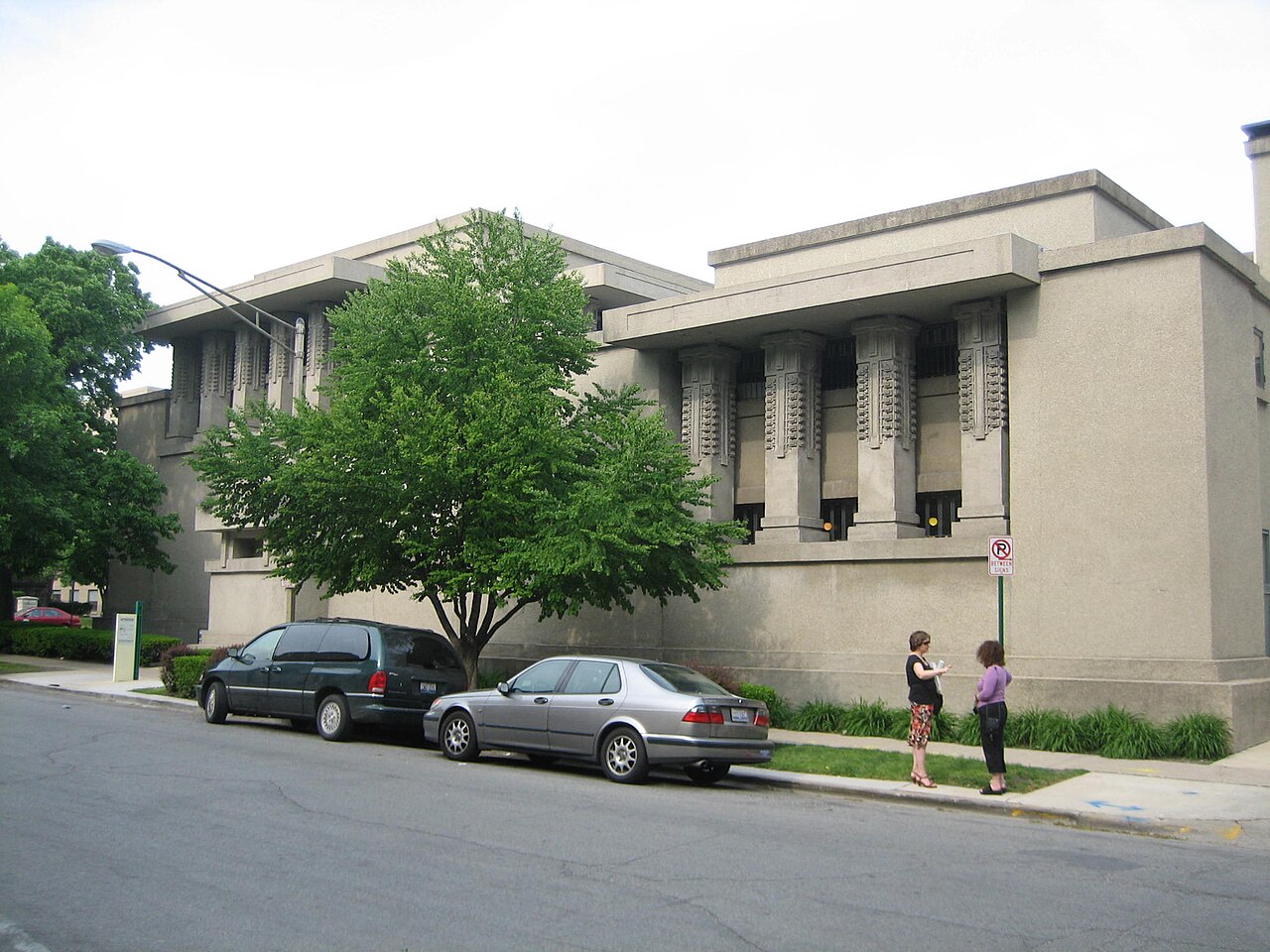
Unity Temple
Frank Lloyd Wright · 1906–1909
Ready when you are
Start chatting with Frank Lloyd Wright now.
20 messages free · No credit card · Available in 50+ languages.