


Secondary sourceArtifactRoman copy after a work of c. 338 BC
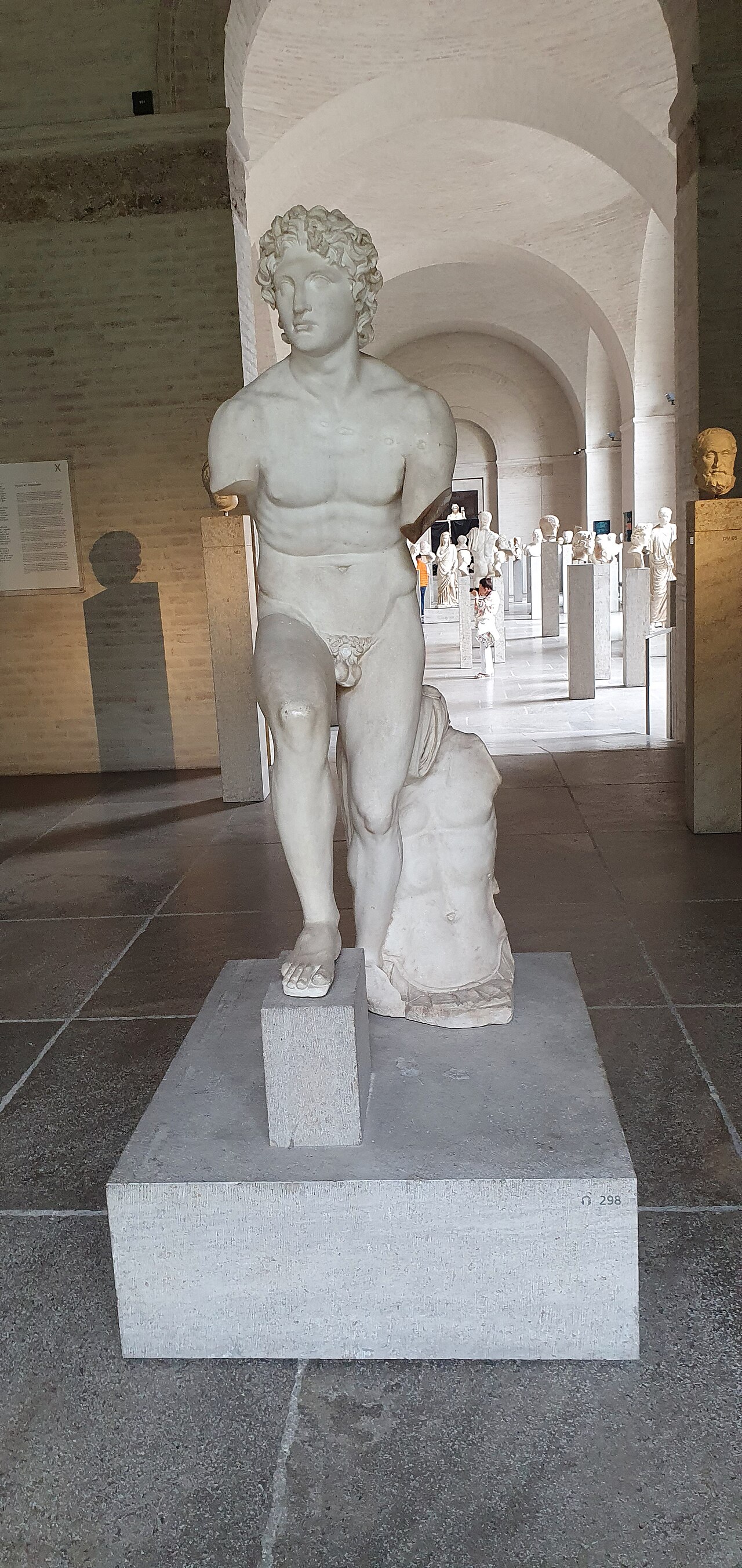
Rondanini Alexander statue
Euphranor (original); unknown Roman copyist · Roman copy after a work of c. 338 BC
A Roman marble copy of a lost Greek bronze group that a source record says showed Philip II driving a chariot with his son Alexander. The identification is contested.
The statue may copy a lost Euphranor group that a record says showed Philip II in a chariot with his son Alexander, making it an image connected to Philip's rule.
About this source
What it is
This is a marble statue of a nude young man with curly hair, standing with his weight on one leg. The arms are missing from the shoulders, and a tree-trunk-like support and a partly draped fragment stand beside his leg. It is known as the Rondanini Alexander and is held in Munich. The museum record describes it as an ancient Roman copy of a group by Euphranor. According to that record, the original showed King Philip of Macedon on a chariot pulled by four horses, with his son Alexander taking the reins in both hands, and the group was made after the Battle of Chaeronea in 338 BC. The record notes that armour and clothing were added by the copyist. The identification is contested, so treat the link to Philip as a claim, not a settled fact.
Why it matters
Statues like this show how rulers wanted to be remembered after their deaths. Philip II built Macedon into a powerful kingdom, and his son Alexander later conquered a vast empire. A group showing father and son together would have presented their rule as a family achievement. Because the original bronze is lost, historians study Roman copies like this one to learn about Greek art of the time.
Look closer
- What does the statue's pose and missing arms suggest about how the original group might have looked?
- Who made this copy, and why might a Roman patron have wanted a Greek royal image?
- What does the statue leave out, and how could you check whether the Philip identification is right?
This artifact is part of the curated material that grounds the AI version of Philip II of Macedon on Humy.ai — when students ask about related events, the AI can quote it and cite it.
More Philip II of Macedon sources
Browse all 90 →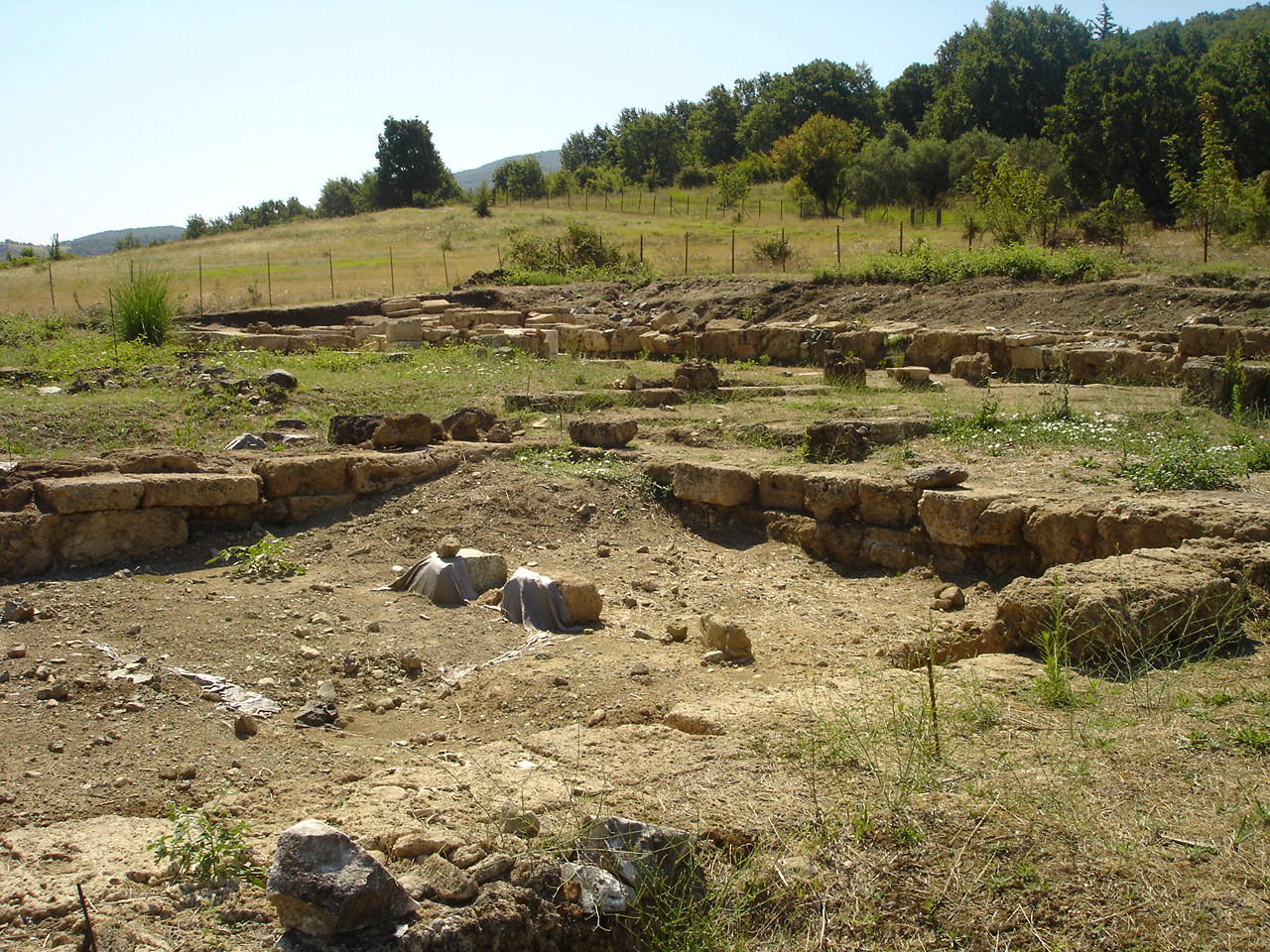 Artifact
Secondary source
Aigai
c. 750 BC onward; Philip's tomb c. 336 BC
 Speech
Primary source
First Philippic
Demosthenes · c. 351-350 BC
 Speech
Primary source
Third Philippic
Demosthenes · 341 BC
 Artifact
Primary source
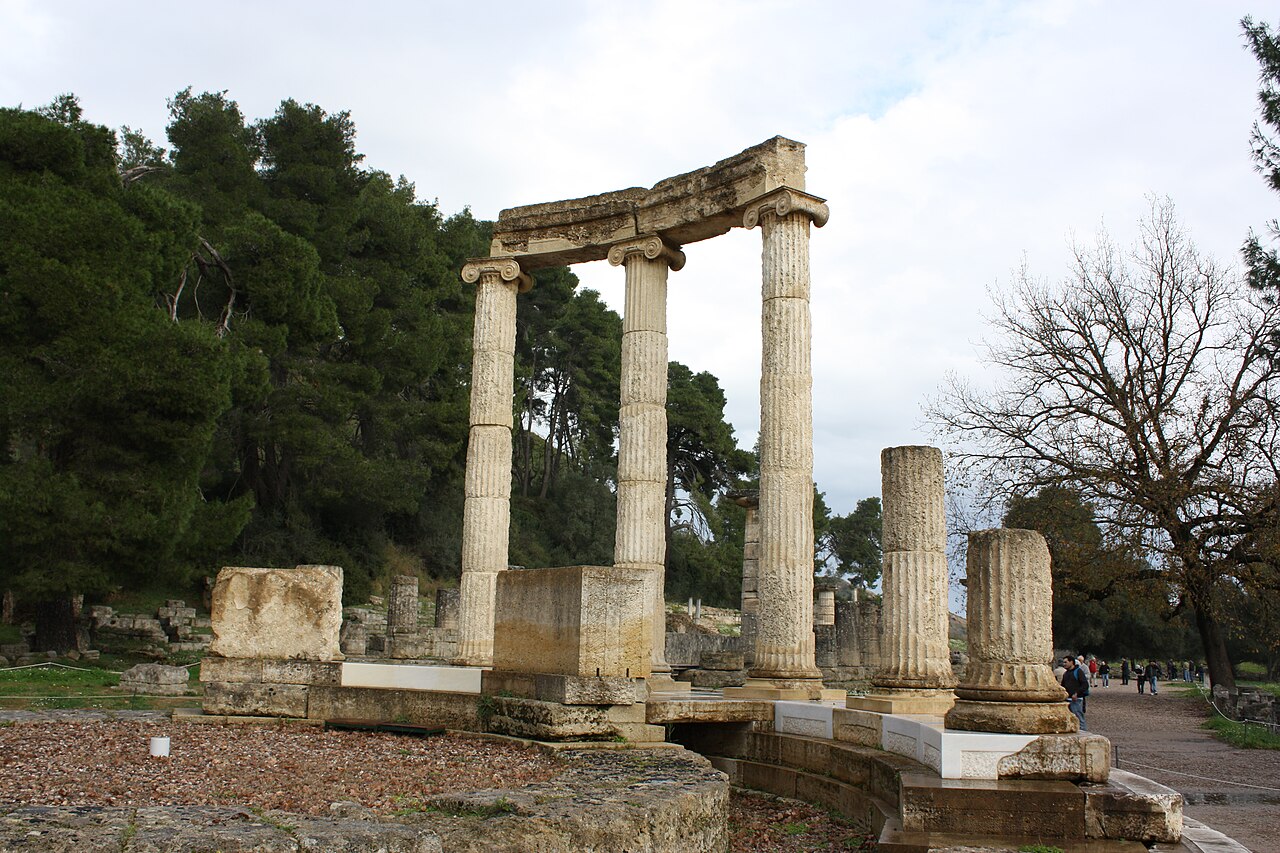
Philippeion
Leochares · begun 338/337 BC, completed under Alexander
Free account
Read every Philip II of Macedon source
Sign up free →
Ready when you are
Start chatting with Philip II of Macedon now.
20 messages free · No credit card · Available in 50+ languages.