


Secondary sourceSculpture2014 (photo); monument later
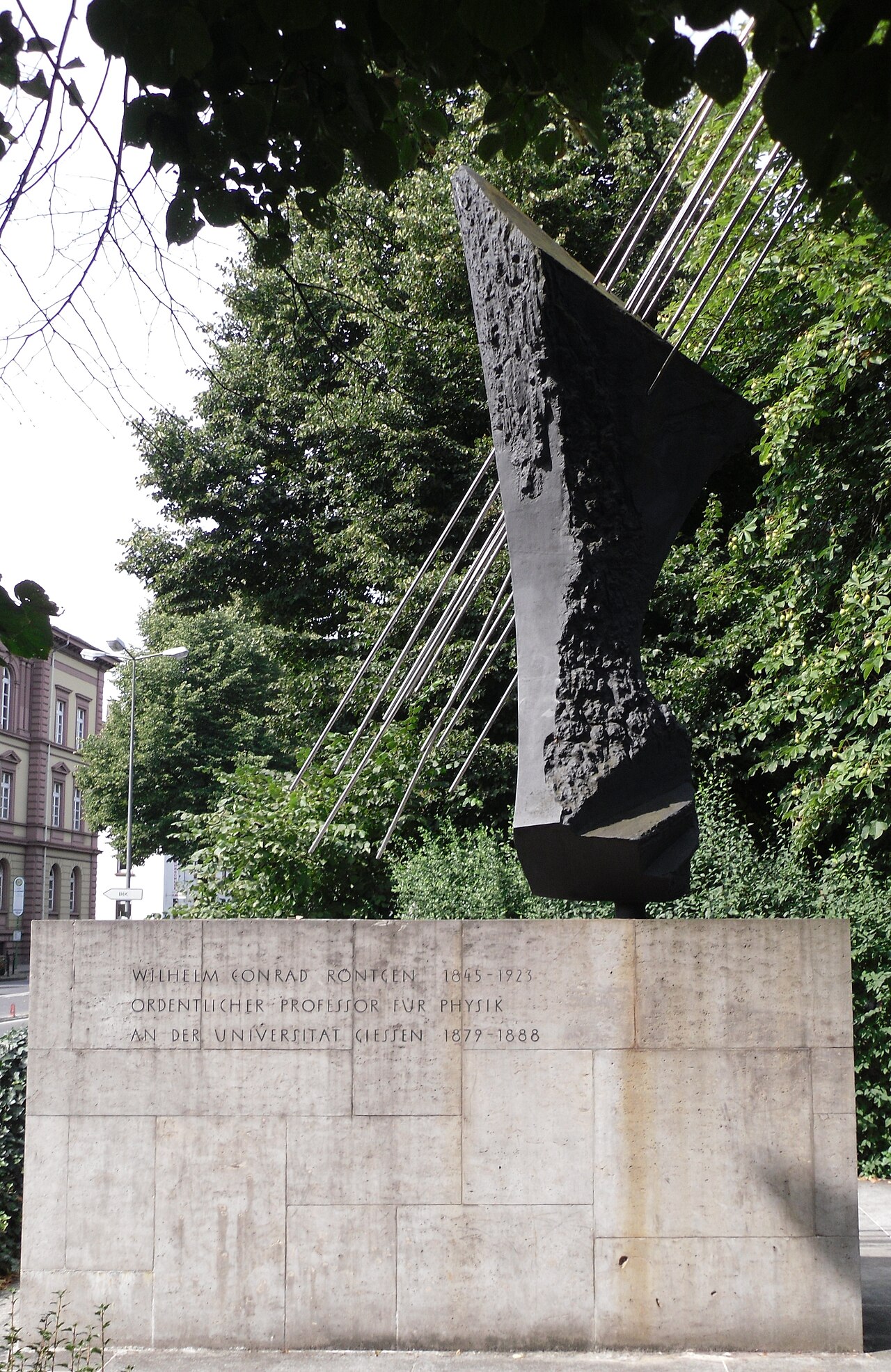
Röntgen Memorial in Südanlage Park, Gießen
2014 (photo); monument later
An abstract bronze memorial in Gießen honouring Röntgen, who studied and taught at the university there.
This memorial marks Röntgen's years as a professor at the University of Gießen.
About this source
What it is
This photograph shows an abstract bronze memorial sculpture in Südanlage park, Gießen, Germany. The plinth is inscribed with Wilhelm Conrad Röntgen's name, his dates, and his professorship at the University of Gießen from 1879 to 1888.
Why it matters
The memorial marks Röntgen's connection to Gießen, where he worked as a professor before his famous discovery of X-rays. It shows how universities commemorate scientists who were once part of their faculty.
Look closer
- Why do you think the sculptor chose an abstract design with radiating rods, rather than a traditional statue of Röntgen?
- What does the inscription tell us about Röntgen's career that the sculpture alone does not?
- How might a monument like this shape what people remember about a scientist, compared to reading his own writings?
This sculpture is part of the curated material that grounds the AI version of Wilhelm Röntgen on Humy.ai — when students ask about related events, the AI can quote it and cite it.
More Wilhelm Röntgen sources
Browse all 96 →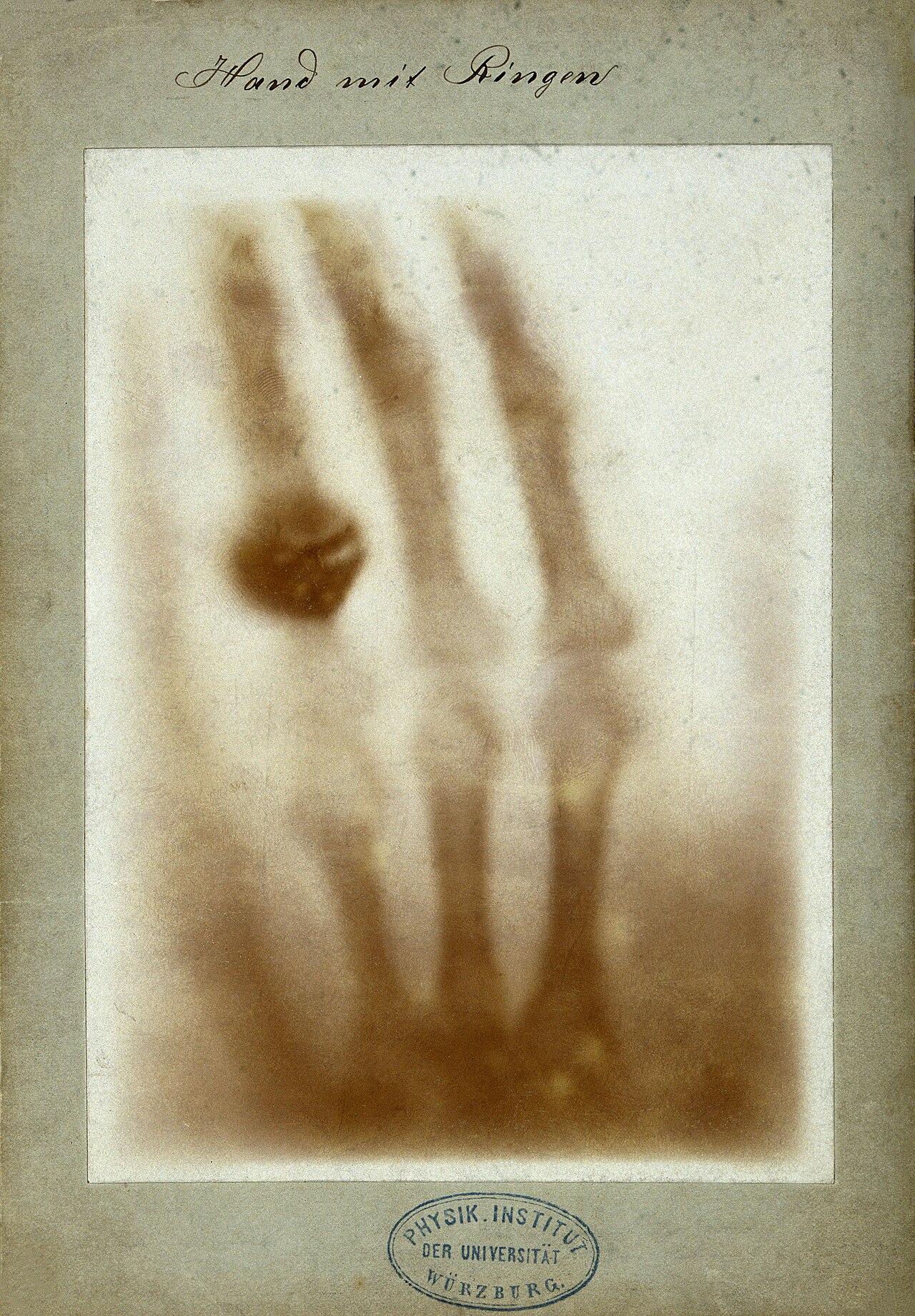 Photograph
Primary source
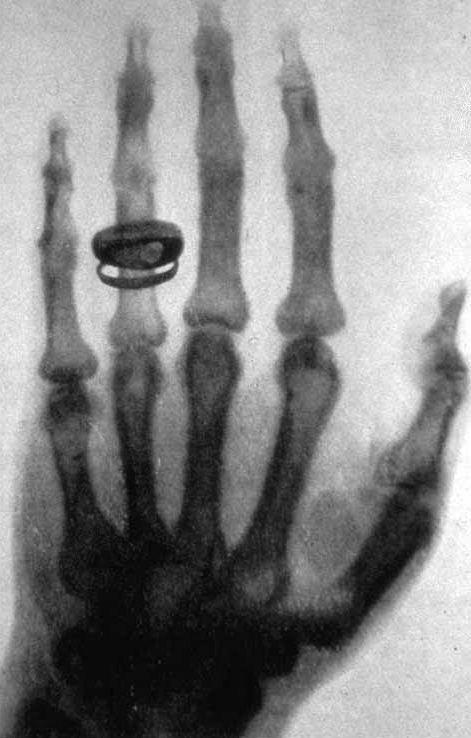
Hand with Rings
Wilhelm Röntgen · 22 December 1895
 Document
Primary source
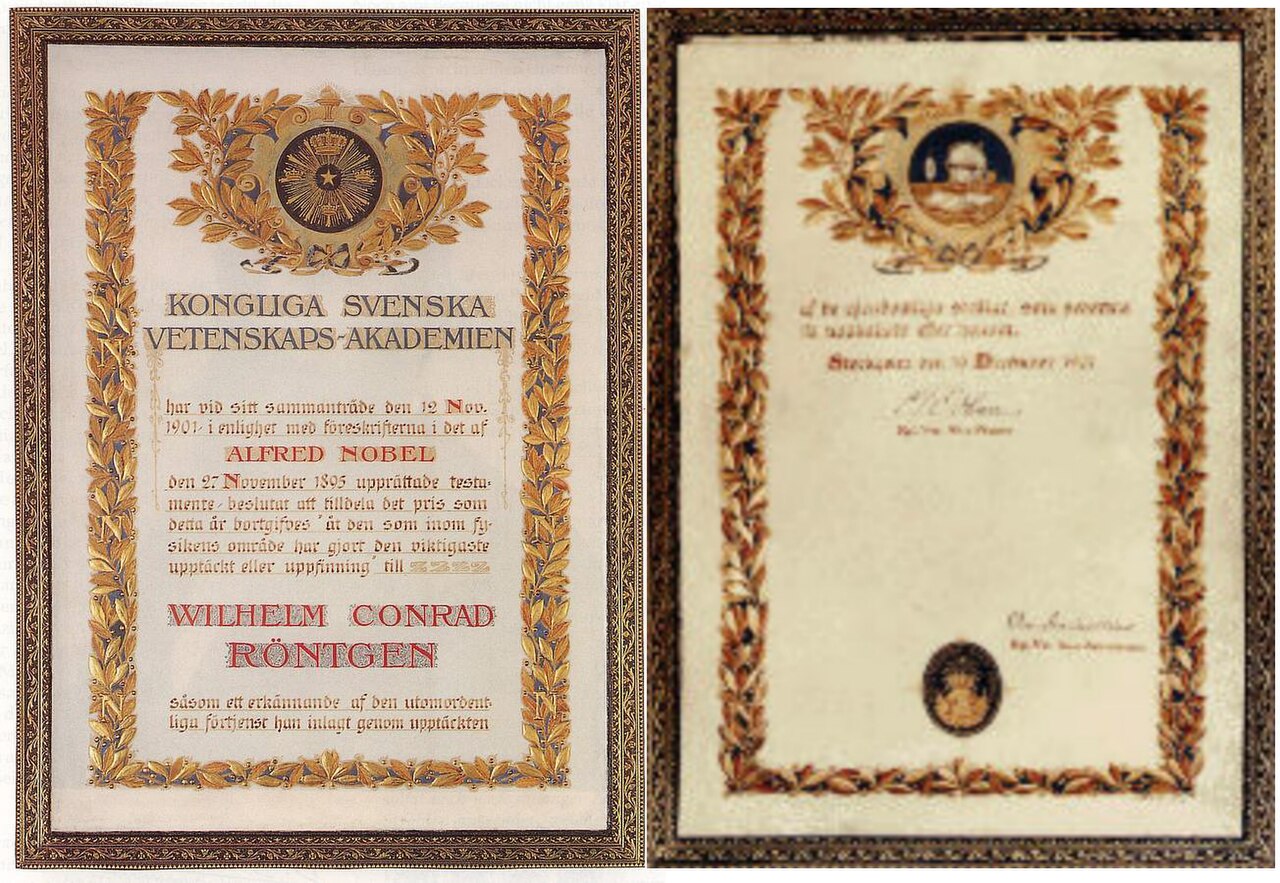
Nobel Prize Diploma of Wilhelm Conrad Röntgen
Sofia Gisberg · 12 November 1901
 Photograph
Primary source
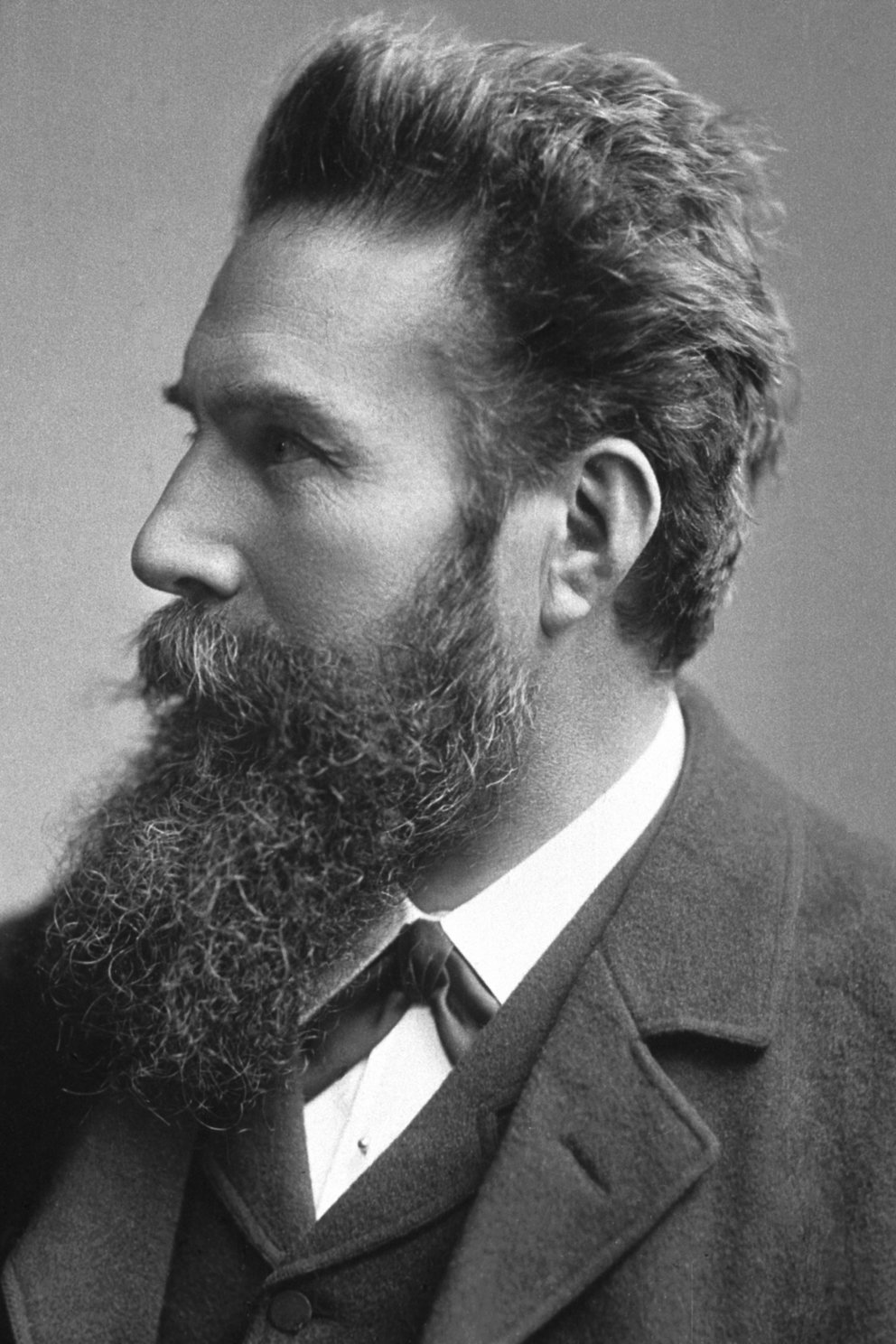
Wilhelm Röntgen
Nobel Foundation
 Artifact
Secondary source
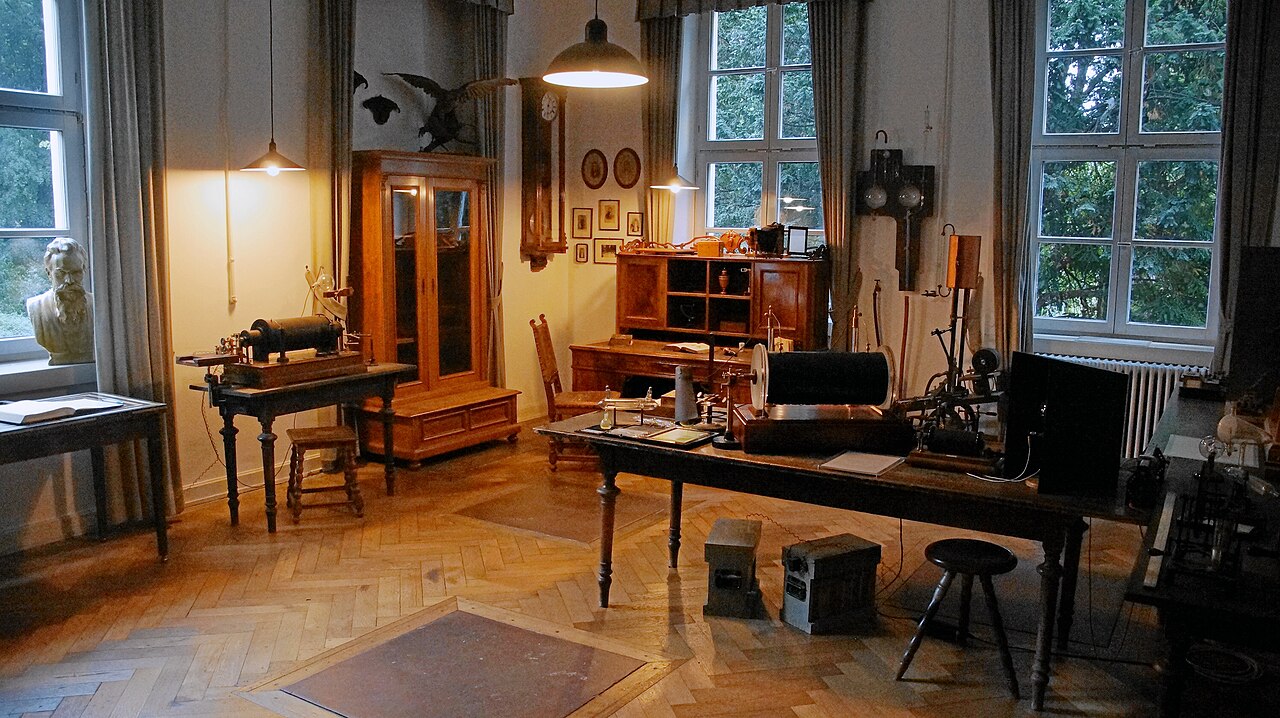
Röntgen Memorial Site, Würzburg
1981 (as heritage monument)
Free account
Read every Wilhelm Röntgen source
Sign up free →
Ready when you are
Start chatting with Wilhelm Röntgen now.
20 messages free · No credit card · Available in 50+ languages.