


Secondary sourceSculpture1928
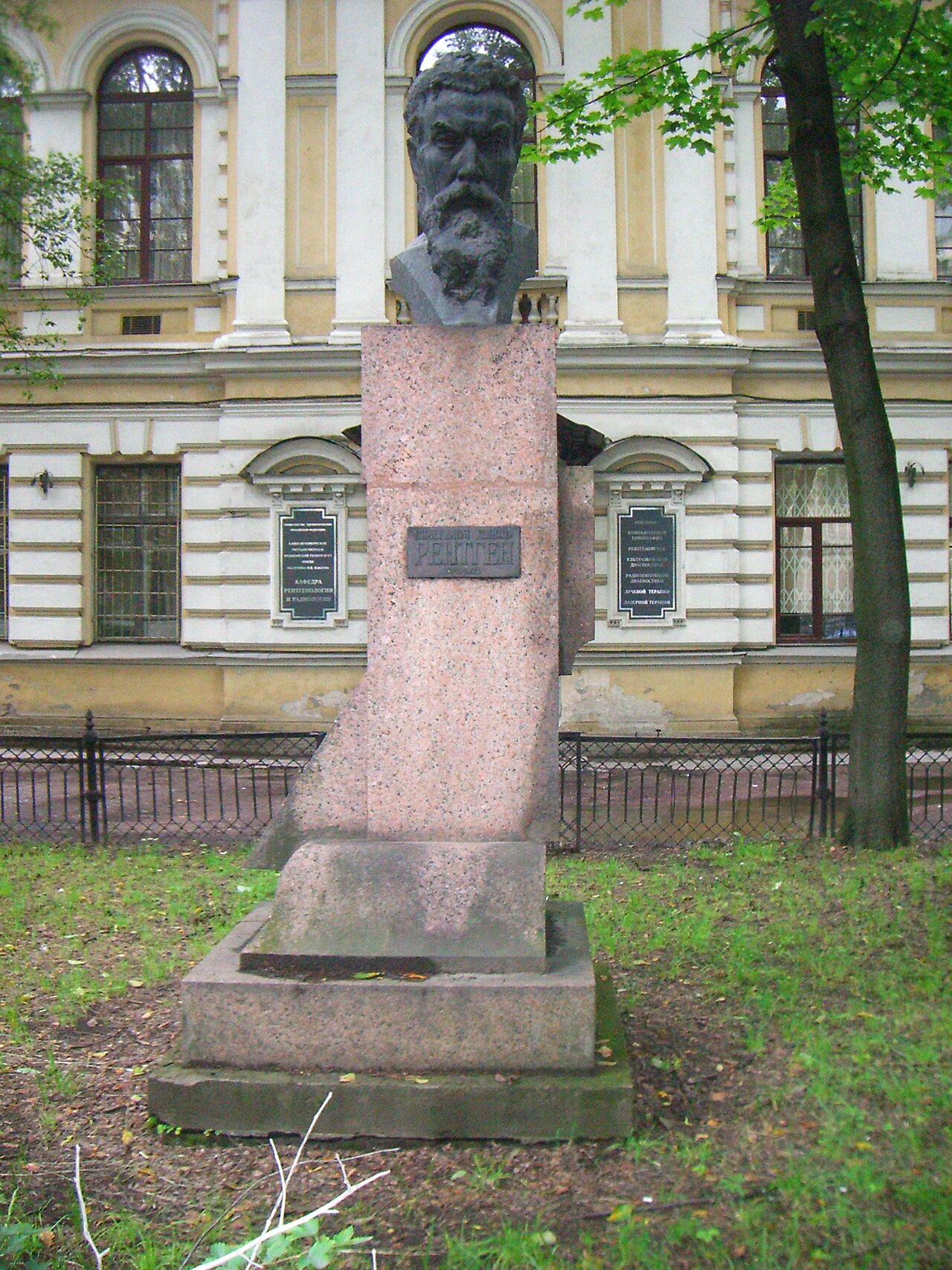
Röntgen Monument in St Petersburg
1928
An early monument to Röntgen erected in 1928 in St Petersburg, Russia, honouring his discovery of X-rays.
An early public monument honouring Röntgen's discovery, erected shortly after his death.
About this source
What it is
This is a photograph of a granite pedestal monument topped with a bronze bust of a bearded man with a receding hairline. It stands on a street named after Röntgen in St Petersburg, Russia, and bears a plaque with his name. The monument was erected in 1928, five years after his death, making it one of the earliest monuments built in his honour.
Why it matters
This monument shows how Röntgen's discovery of X-rays was recognised internationally, not only in Germany but also in Russia, where a street and monument were dedicated to him. It reflects the scientific world's broad admiration for his work soon after his death.
Look closer
- Why might a city outside Germany choose to honour Röntgen with a street and monument?
- What does the choice of a bust on a pedestal, rather than a full statue, suggest about how he is remembered?
- What is missing from a monument like this that a biography might tell us about Röntgen's life?
This sculpture is part of the curated material that grounds the AI version of Wilhelm Röntgen on Humy.ai — when students ask about related events, the AI can quote it and cite it.
More Wilhelm Röntgen sources
Browse all 96 →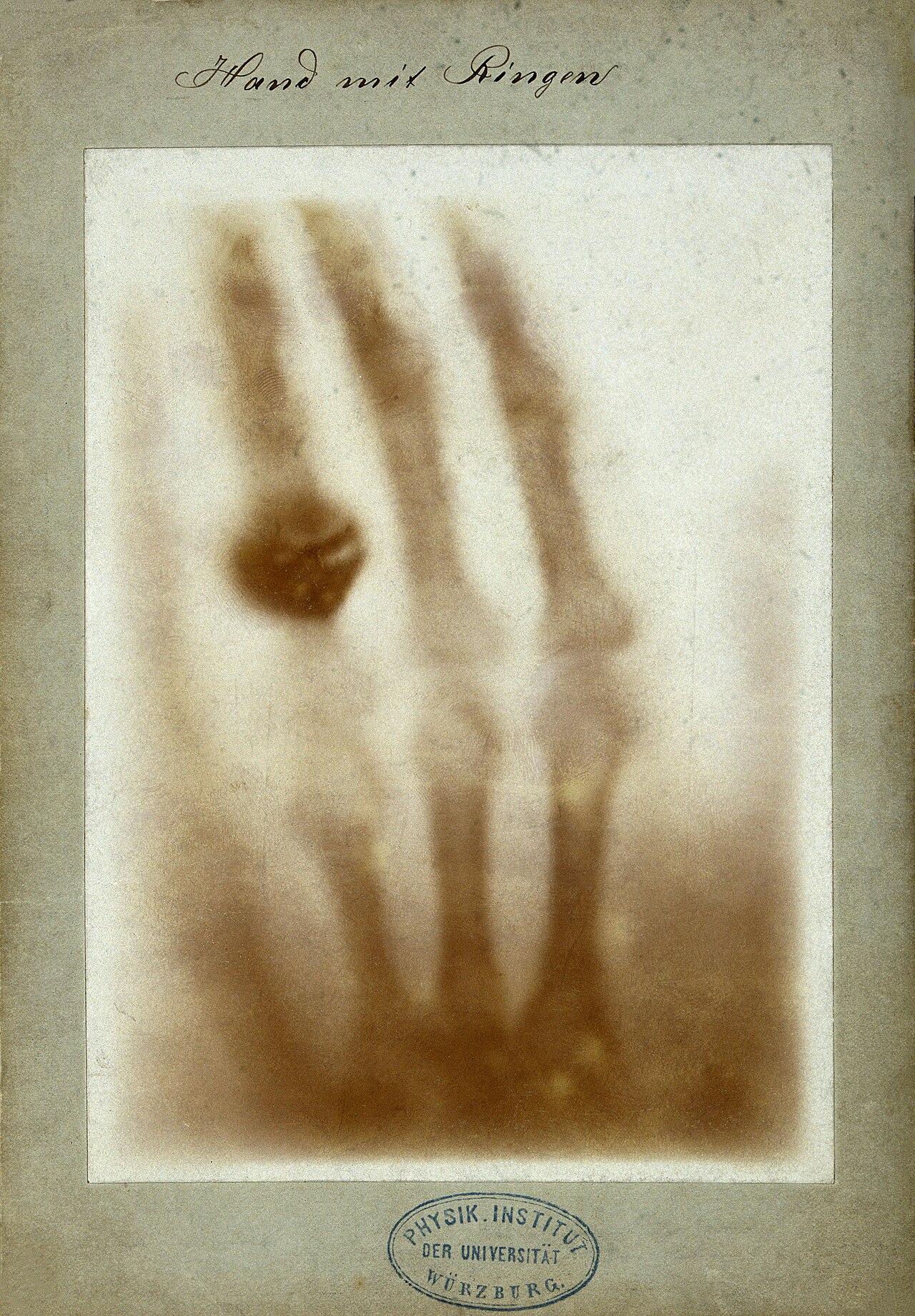 Photograph
Primary source
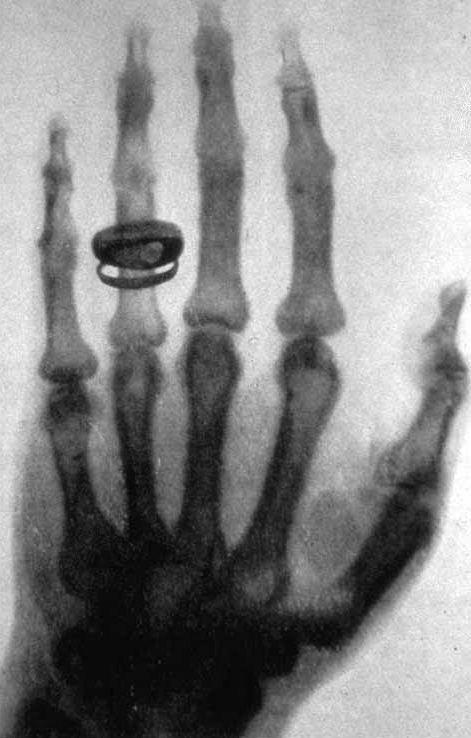
Hand with Rings
Wilhelm Röntgen · 22 December 1895
 Document
Primary source
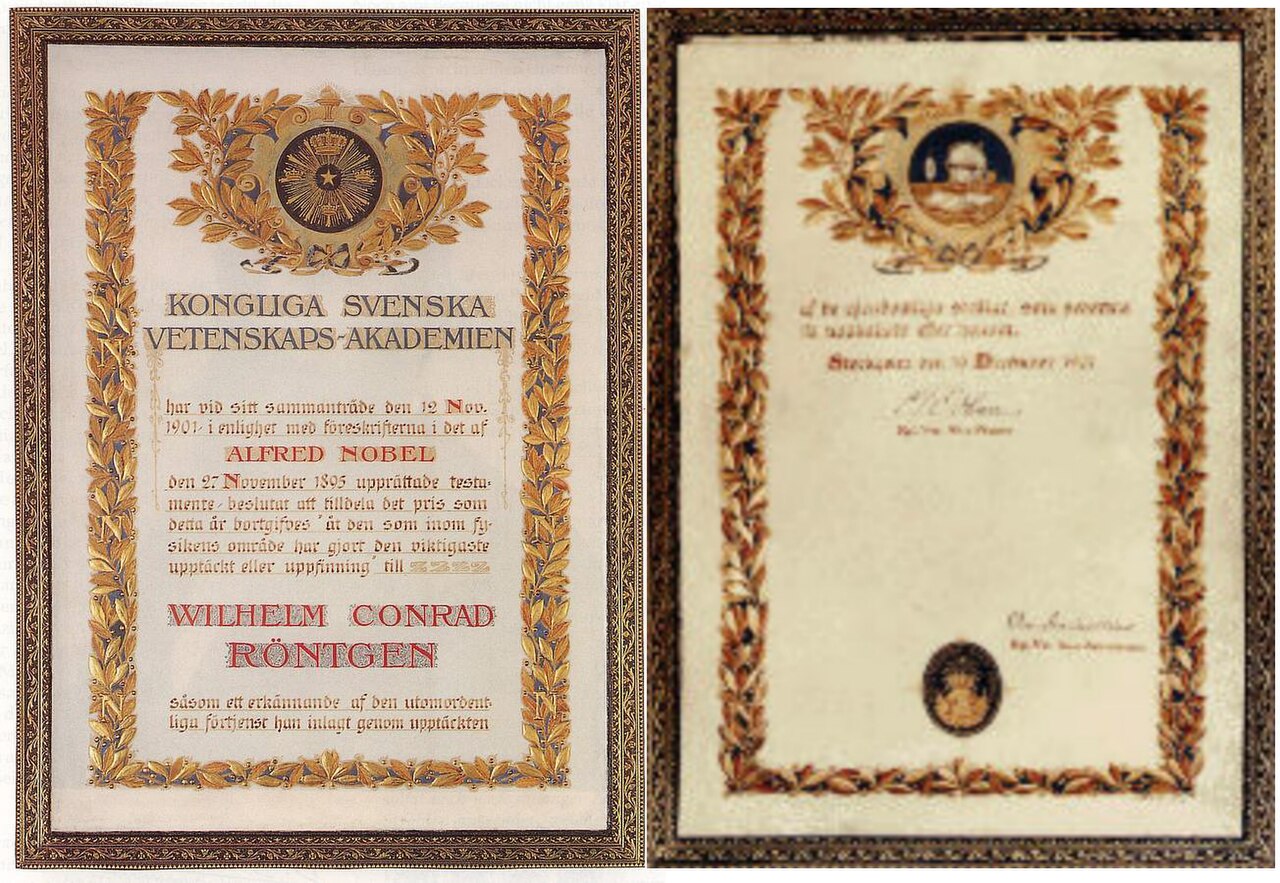
Nobel Prize Diploma of Wilhelm Conrad Röntgen
Sofia Gisberg · 12 November 1901
 Photograph
Primary source
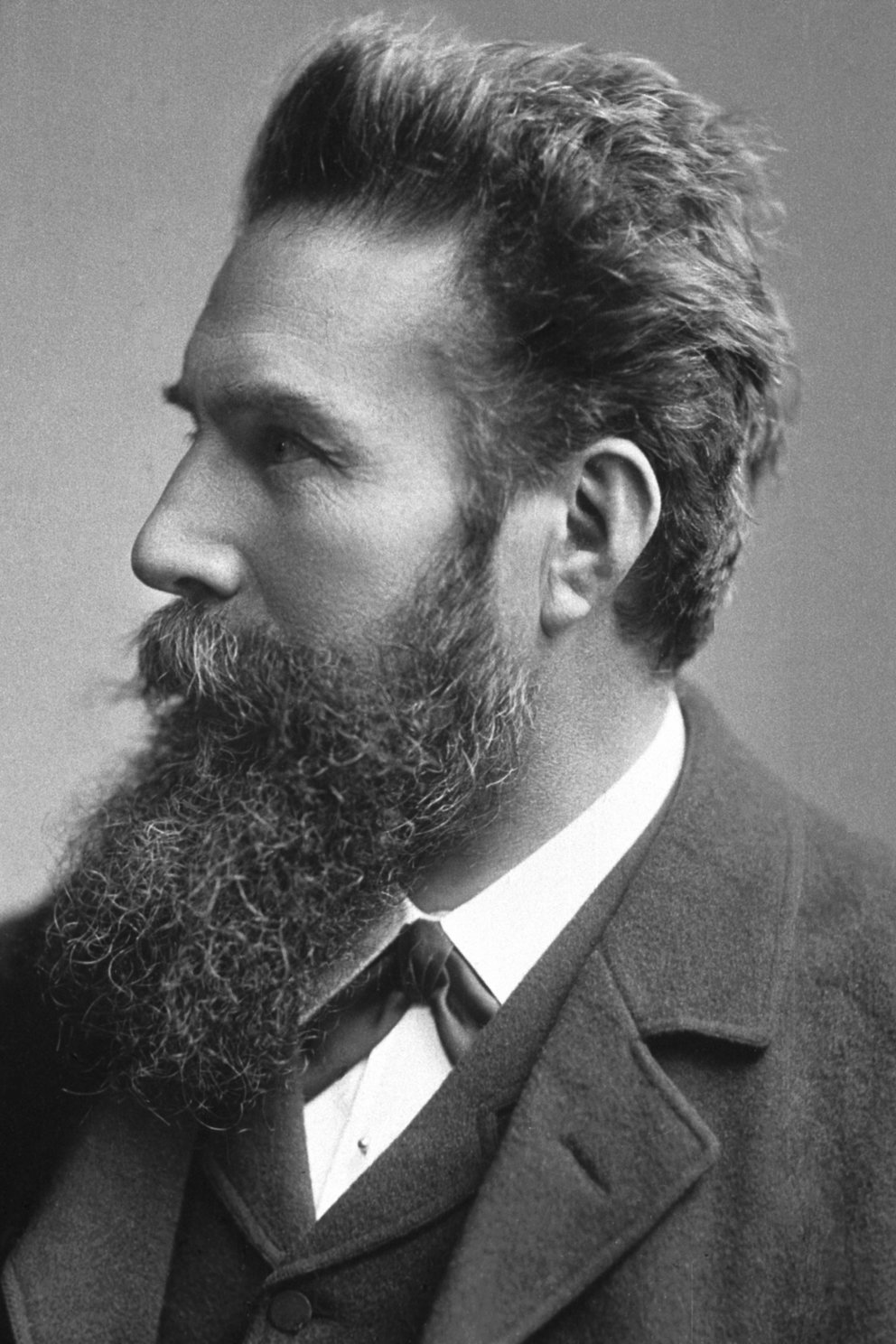
Wilhelm Röntgen
Nobel Foundation
 Artifact
Secondary source
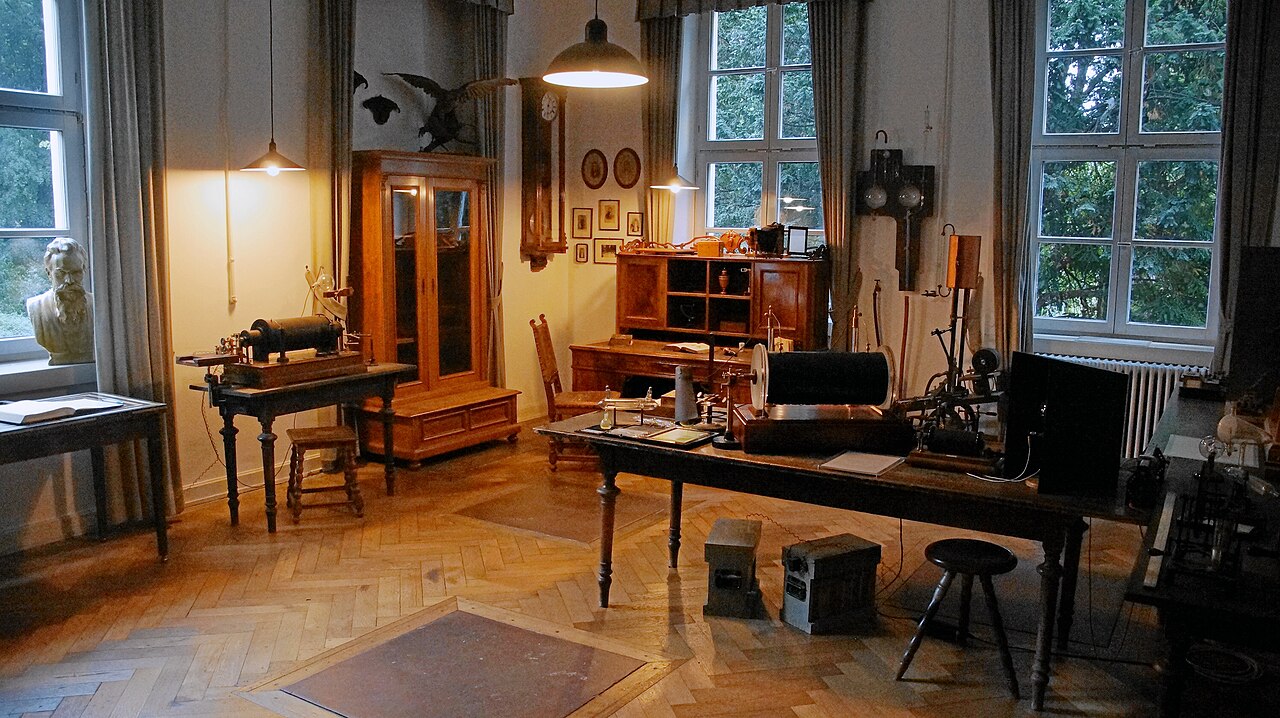
Röntgen Memorial Site, Würzburg
1981 (as heritage monument)
Free account
Read every Wilhelm Röntgen source
Sign up free →
Ready when you are
Start chatting with Wilhelm Röntgen now.
20 messages free · No credit card · Available in 50+ languages.