


Primary sourceArtifact1971
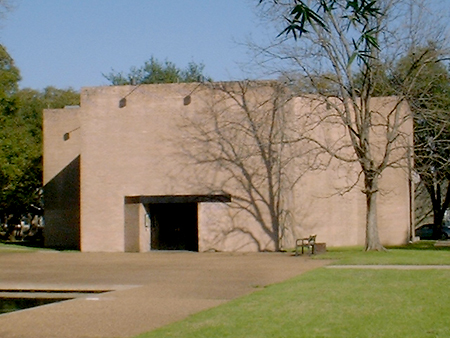
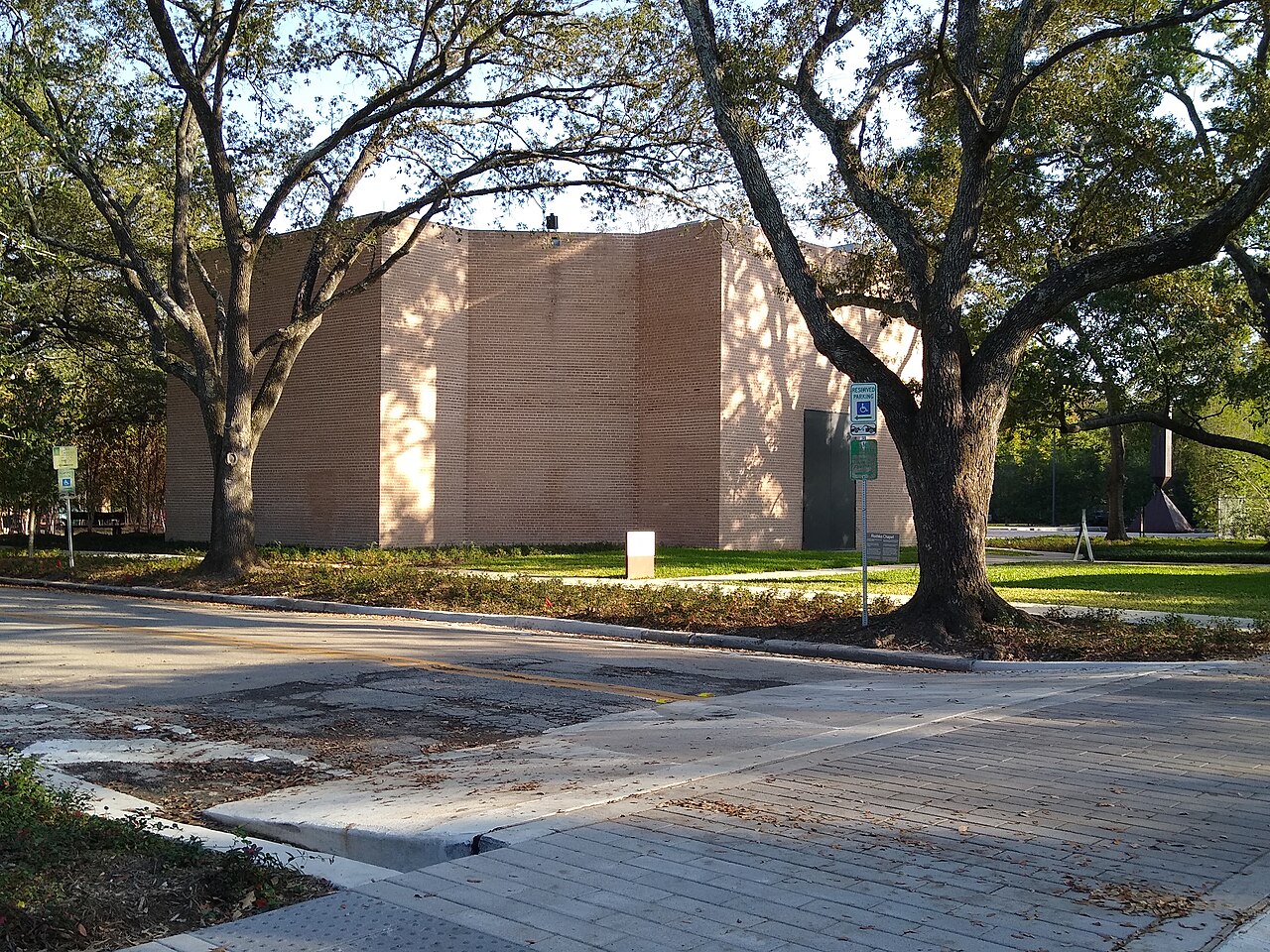
Rothko Chapel
Mark Rothko · 1971
A non-denominational chapel in Houston designed by Rothko and filled with fourteen of his dark meditative paintings, his final major work.
Rothko designed this chapel and its fourteen paintings as his final, culminating work before his death.
About this source
What it is
The Rothko Chapel is an octagonal building in Houston, Texas, holding fourteen paintings by Mark Rothko in varying shades of black. Rothko was commissioned in 1964 by John and Dominique de Menil and heavily shaped the building's design, though he died in 1970 before it opened in 1971.
Why it matters
The chapel became a place of meditation open to all faiths and later a center for human rights discussions, hosting figures like Nelson Mandela. It shows how Rothko wanted his paintings experienced as a total, immersive environment rather than individual artworks, and reveals his late turn toward dark, somber color.
Look closer
- Why might an artist want to design the whole room around his paintings instead of letting a museum choose how to hang them?
- What might dark, nearly black paintings be meant to make a viewer feel?
- Why do you think the chapel became a site for human rights events rather than only an art space?
This artifact is part of the curated material that grounds the AI version of Mark Rothko on Humy.ai — when students ask about related events, the AI can quote it and cite it.
More Mark Rothko sources
Browse all 35 →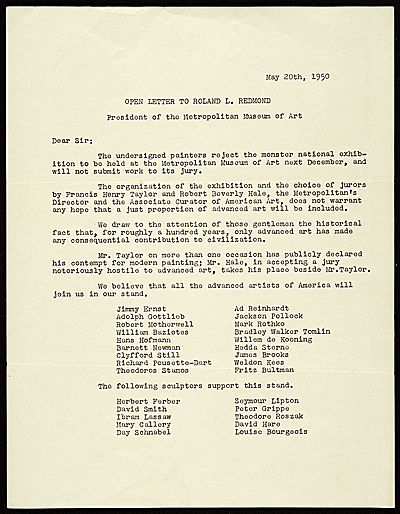 Document
Primary source
Open Letter to Roland Redmond
Jimmy Ernst, Adolph Gottlieb, Robert Motherwell, William Baziotes, Hans Hofmann, and others · 20 May 1950
 Document
Primary source
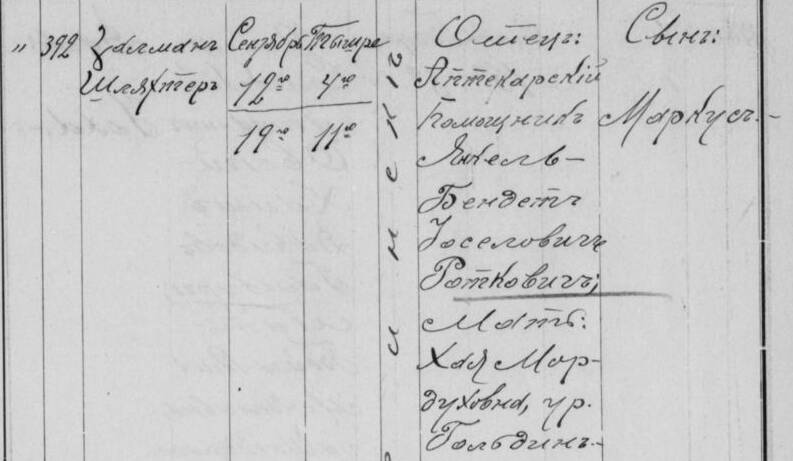
Mark Rothko's Birth Record
 Painting
Primary source
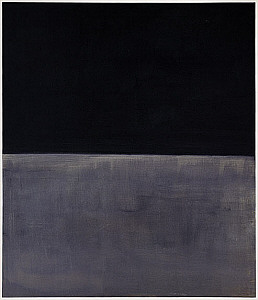
Untitled (Black on Grey)
Mark Rothko · 1969
 Artifact
Primary source
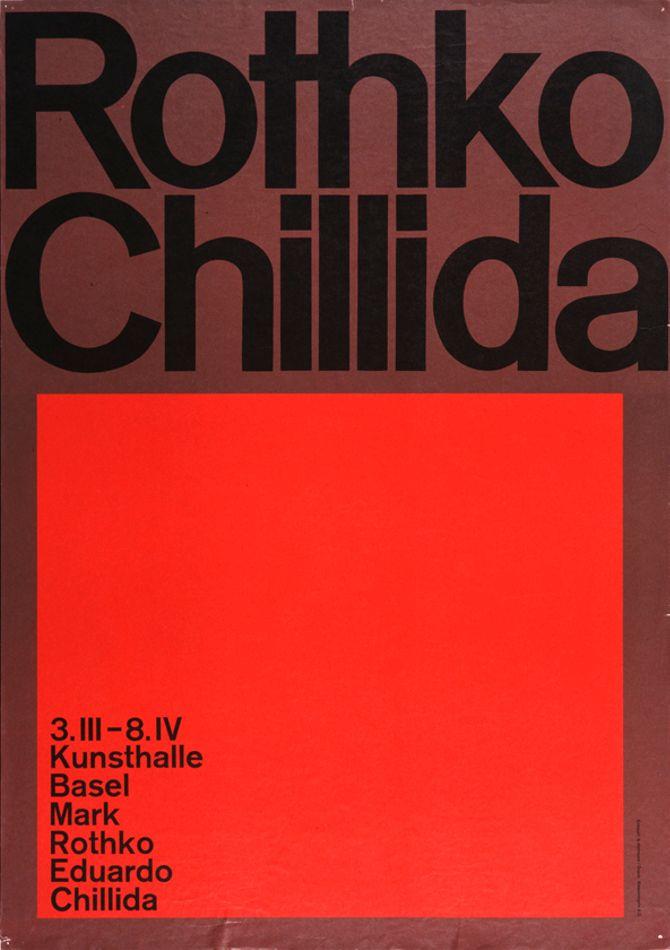
Rothko Chillida Exhibition Poster
Armin Hofmann · 1962
Free account
Read every Mark Rothko source
Sign up free →
Ready when you are
Start chatting with Mark Rothko now.
20 messages free · No credit card · Available in 50+ languages.