


Primary sourceDocument
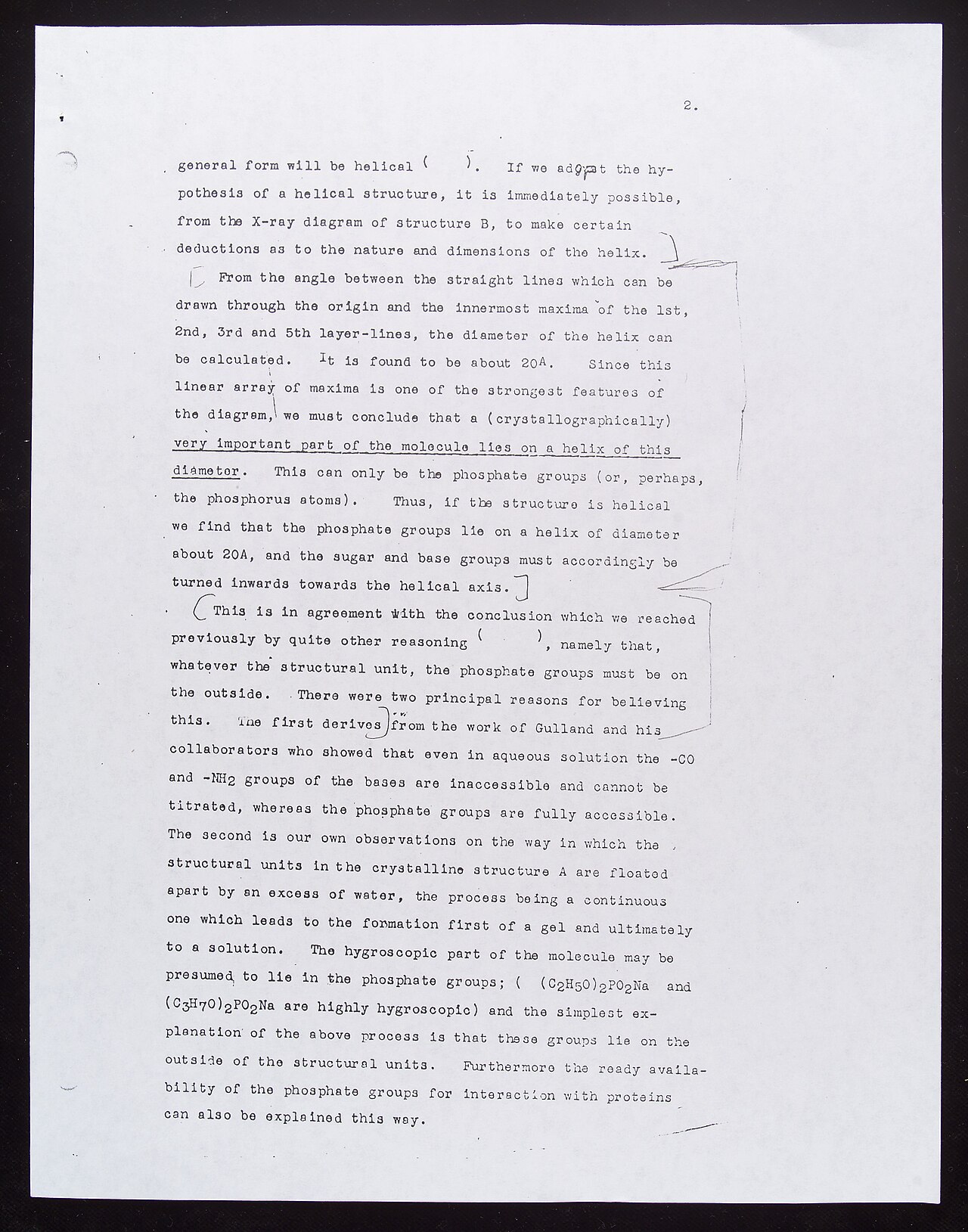
Rough Draft of A Note on Molecular Configuration in Sodium Thymonucleate, Page 2
Rosalind Franklin and R. G. Gosling
Page 2 of Franklin and Gosling's draft scientific note on the structure of DNA, discussing a helical model and the position of phosphate groups.
This is Franklin's own handwriting and reasoning on the DNA structure, a direct record of her scientific work.
About this source
What it is
This is page two of a rough draft written by Rosalind Franklin and her collaborator R. G. Gosling. It is a typed page with pencil marks and handwritten brackets, discussing the X-ray evidence for a helical structure in DNA.
Why it matters
The draft shows Franklin and Gosling working out, from X-ray diffraction measurements, that the phosphate groups of DNA lie on the outside of a helix about 20 Angstroms wide. This reasoning was central to understanding DNA's structure, and this kind of data later supported the famous double helix model published by Watson and Crick.
Look closer
- What kind of evidence does the text use to work out the shape of the molecule?
- Why might a rough draft, with its crossed-out marks and corrections, tell us something that a finished paper cannot?
- What does the careful, step-by-step reasoning suggest about how Franklin approached her research?
This document is part of the curated material that grounds the AI version of Rosalind Franklin on Humy.ai — when students ask about related events, the AI can quote it and cite it.
More Rosalind Franklin sources
Meet the AI Rosalind Franklin →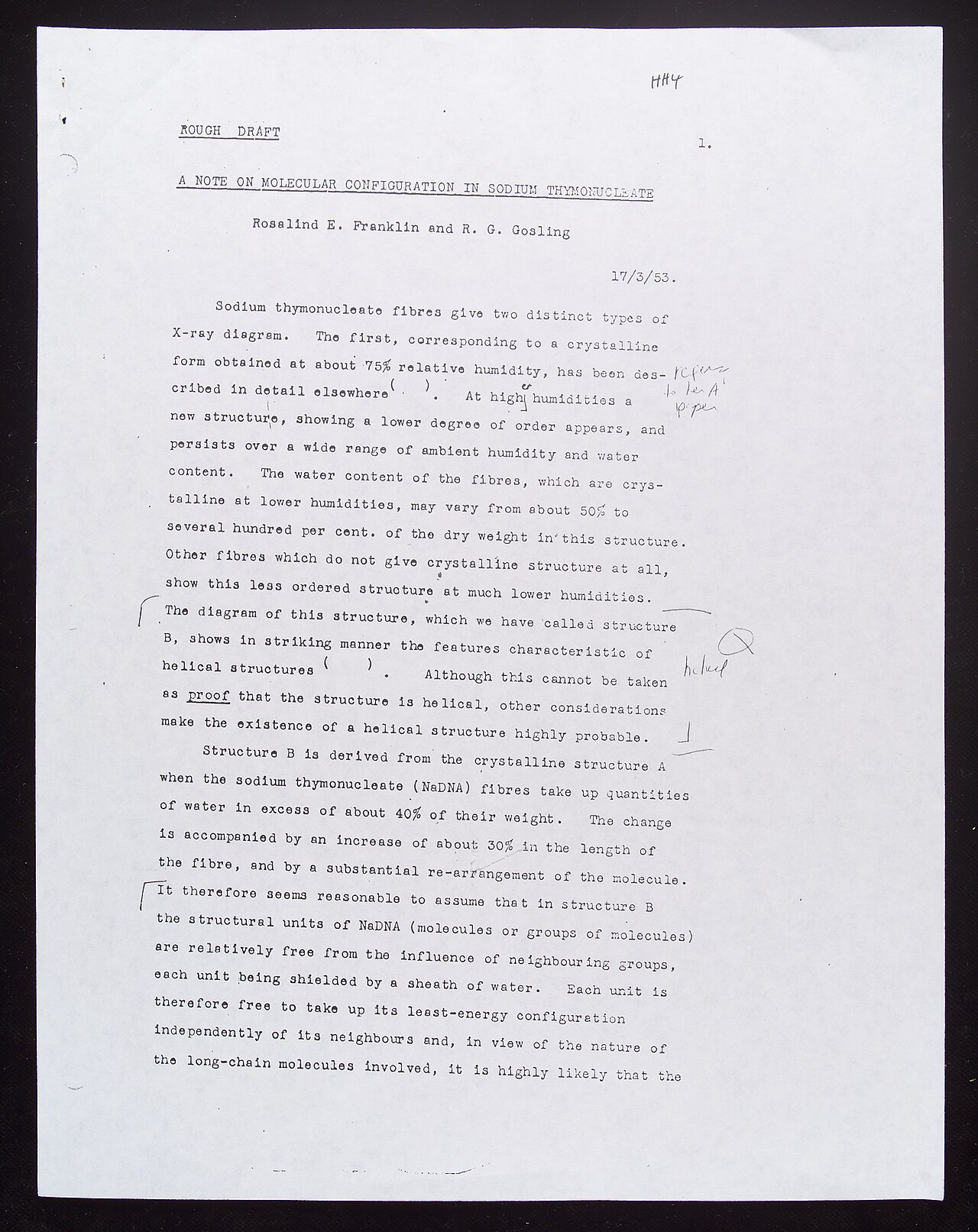 Document
Primary source
A Note on Molecular Configuration in Sodium Thymonucleate (Rough Draft)
Rosalind E. Franklin and R. G. Gosling · 17 March 1953
 Photograph
Primary source
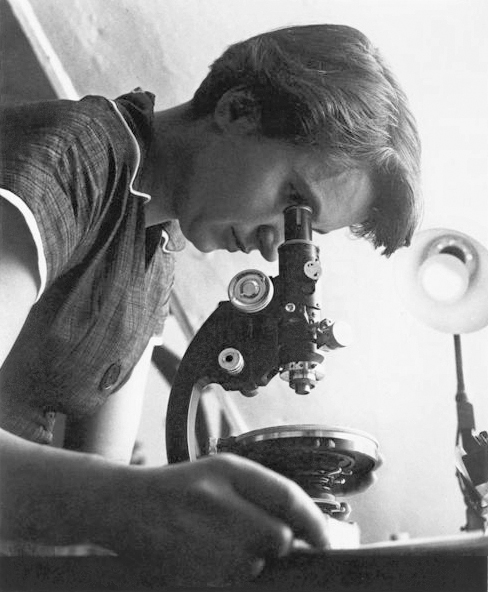
Rosalind Franklin with Microscope
MRC Laboratory of Molecular Biology · 1955
 Photograph
Primary source
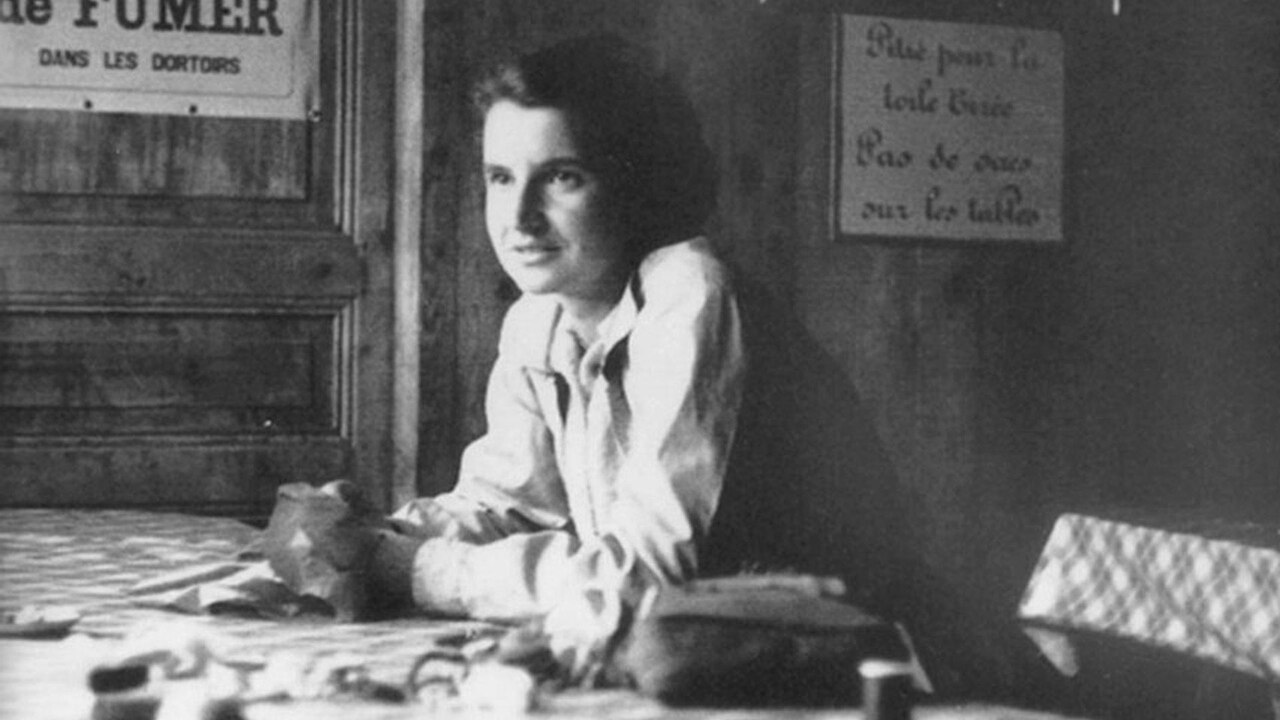
Rosalind Franklin in Paris
CSHL
 Letter
Primary source
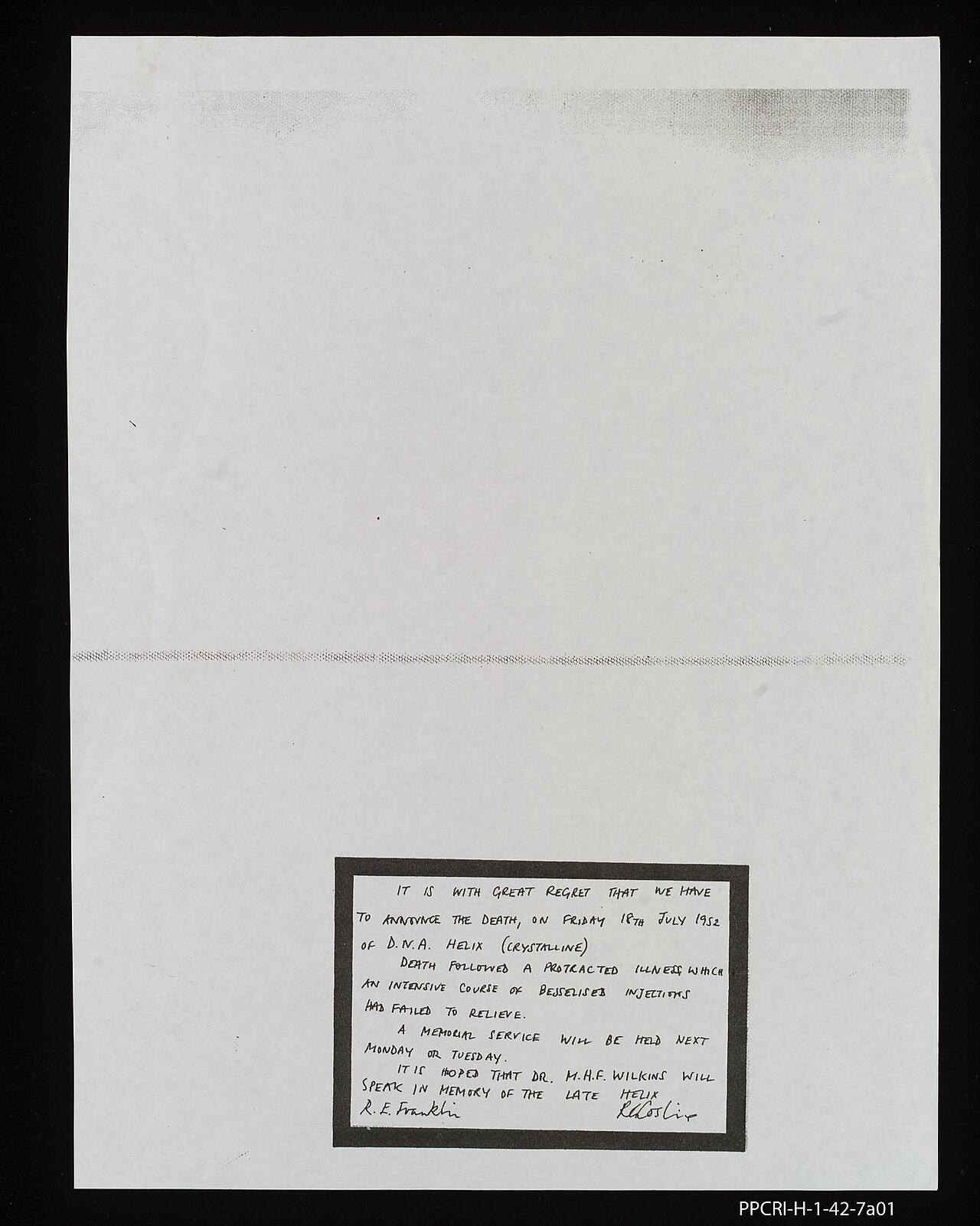
In Memoriam Card for DNA Helix
Rosalind E. Franklin and R. G. Gosling · 18 July 1952
 Artifact
Secondary source
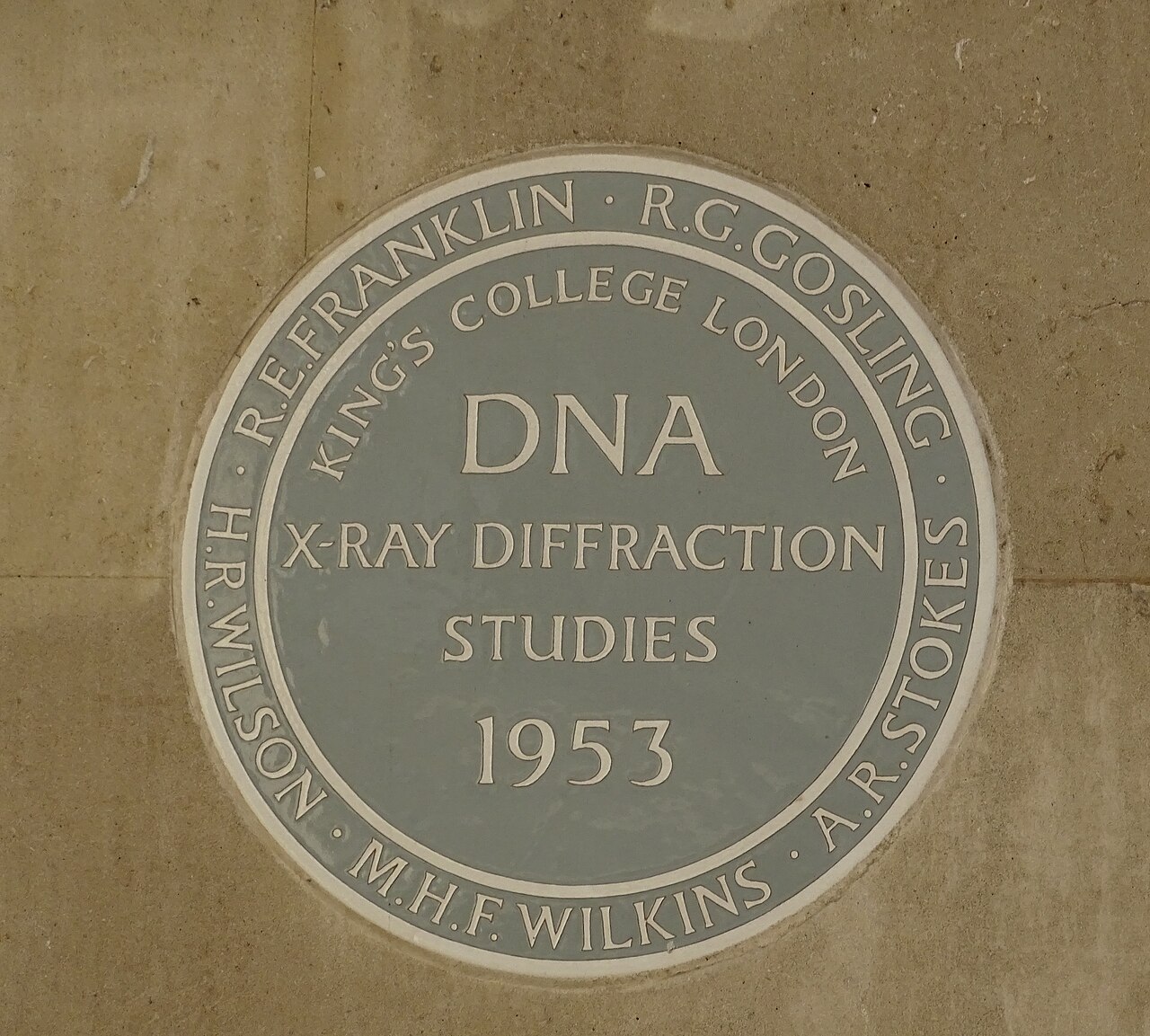
King's College London DNA Memorial Plaque
Ready when you are
Start chatting with Rosalind Franklin now.
20 messages free · No credit card · Available in 50+ languages.