


Primary sourceArtifact1844 (purchased by Faulkner 1930)
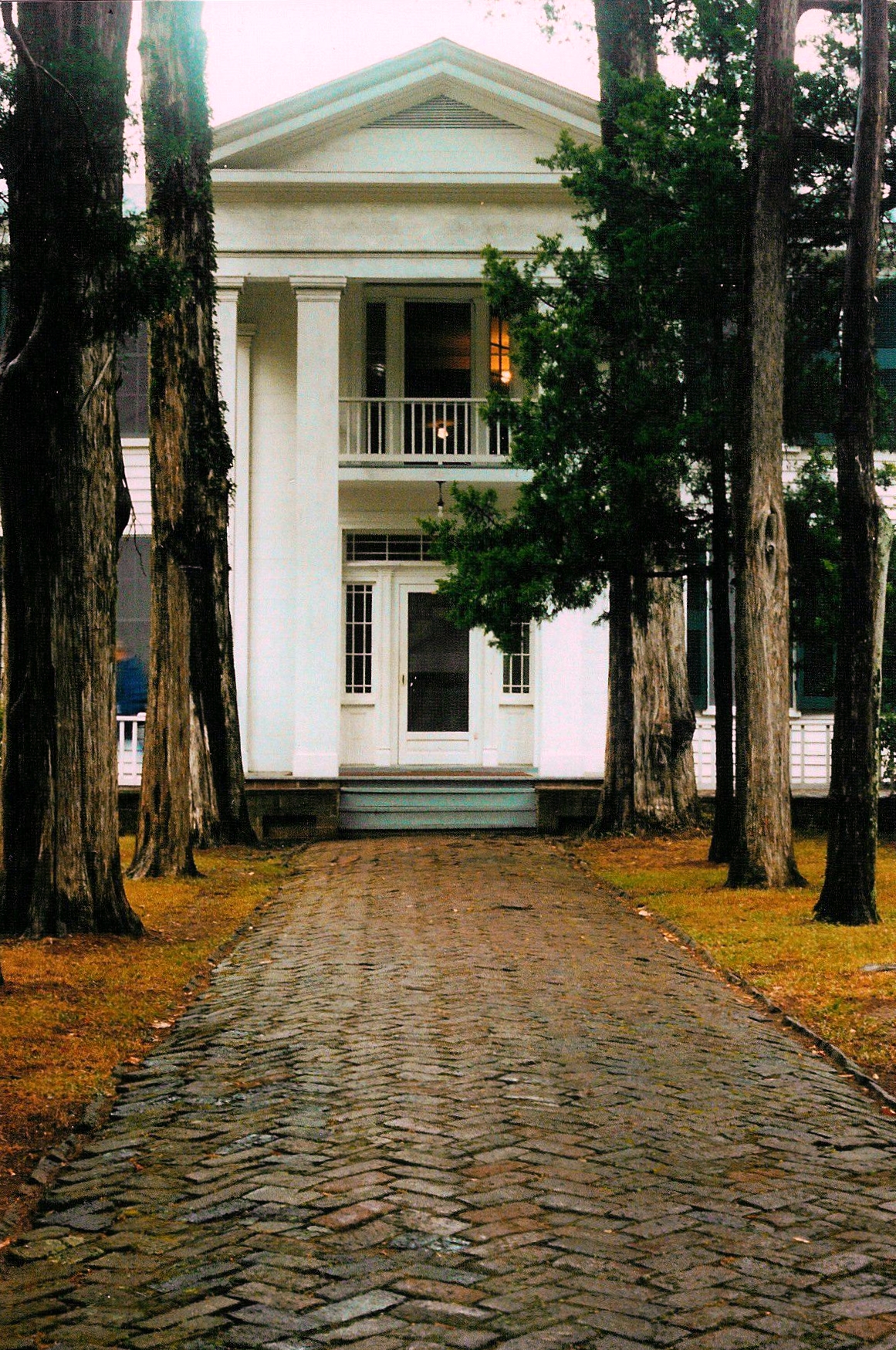
Rowan Oak
1844 (purchased by Faulkner 1930)
The antebellum home in Oxford, Mississippi, that Faulkner bought in 1930 and lived in until his death, now preserved as a museum.
Faulkner's home for over three decades, where he wrote much of his major fiction and even sketched a novel's outline on the office walls.
About this source
What it is
Rowan Oak is a Greek Revival house built in 1844 for Robert Sheegog. William Faulkner bought the run-down house in 1930, renamed it, and lived there until his death in 1962. The University of Mississippi has owned and maintained it as a museum since 1972, and it is a National Historic Landmark.
Why it matters
Faulkner renovated the house over decades and used it as his private world, both in reality and in his imagination. In his later years he wrote the outline of his novel A Fable directly on the walls of his office there. The house still contains most of its original furnishings and shows how Faulkner lived while writing the novels that won him the Nobel Prize for Literature and other major awards.
Look closer
- What does the choice to buy and restore an old, decaying house suggest about Faulkner's interests?
- Why might a writer want to write ideas directly on the walls instead of on paper?
- What does the preservation of the house as a museum tell us about how we remember writers?
This artifact is part of the curated material that grounds the AI version of William Faulkner on Humy.ai — when students ask about related events, the AI can quote it and cite it.
More William Faulkner sources
Meet the AI William Faulkner →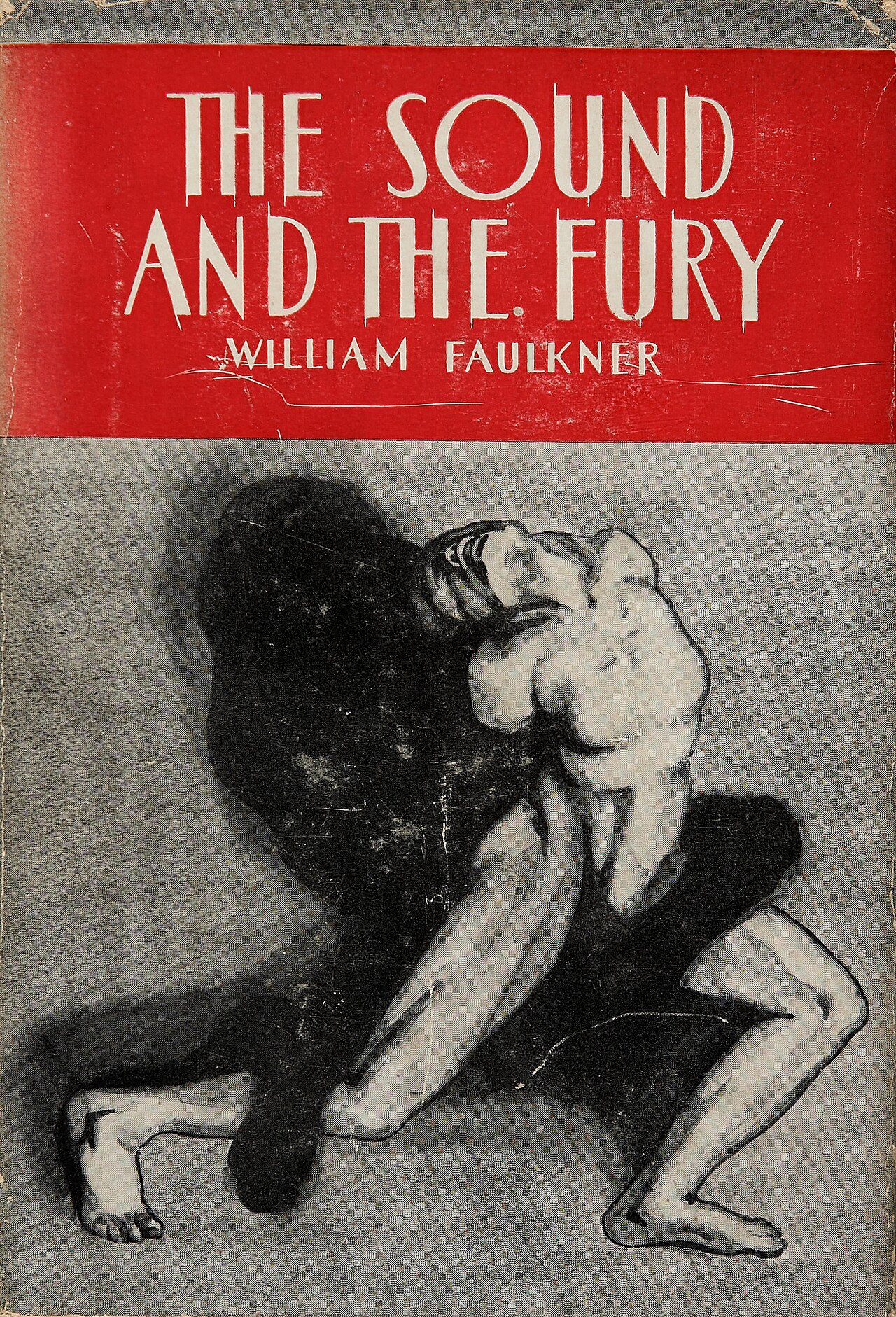 Book
Primary source
The Sound and the Fury
William Faulkner · 1929
 Photograph
Primary source
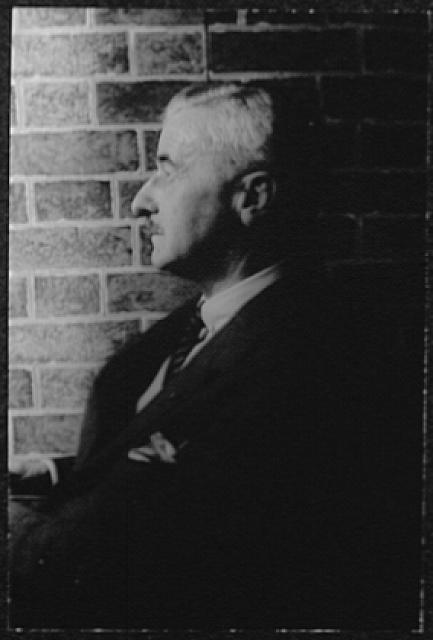
Portrait of William Faulkner
Carl Van Vechten · 1954
 Book
Primary source
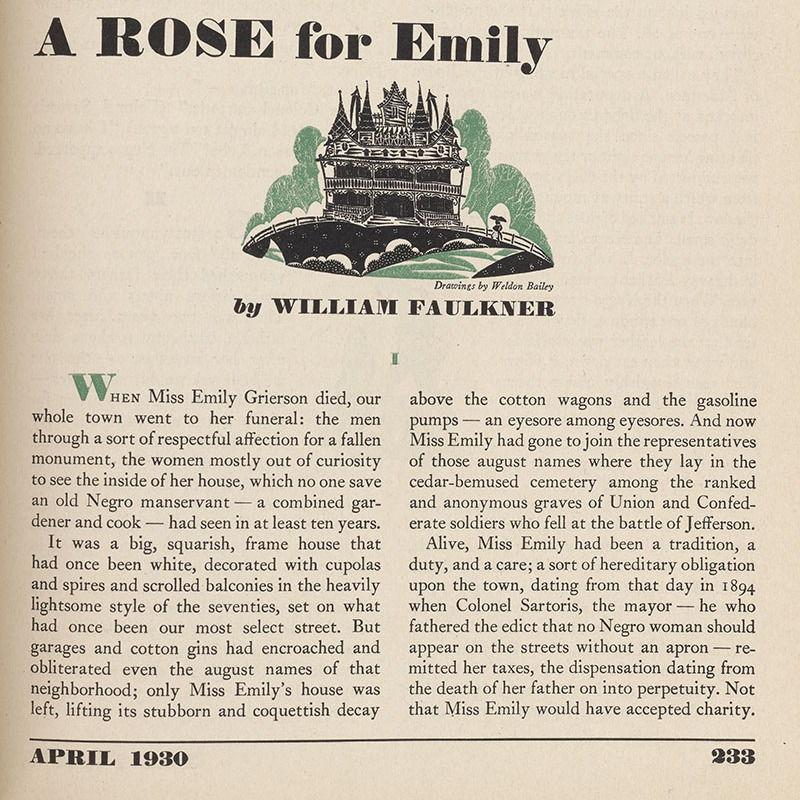
A Rose for Emily
William Faulkner · 1930
 Documentary
Primary source
The Southerner
Jean Renoir · 1945
 Book
Primary source
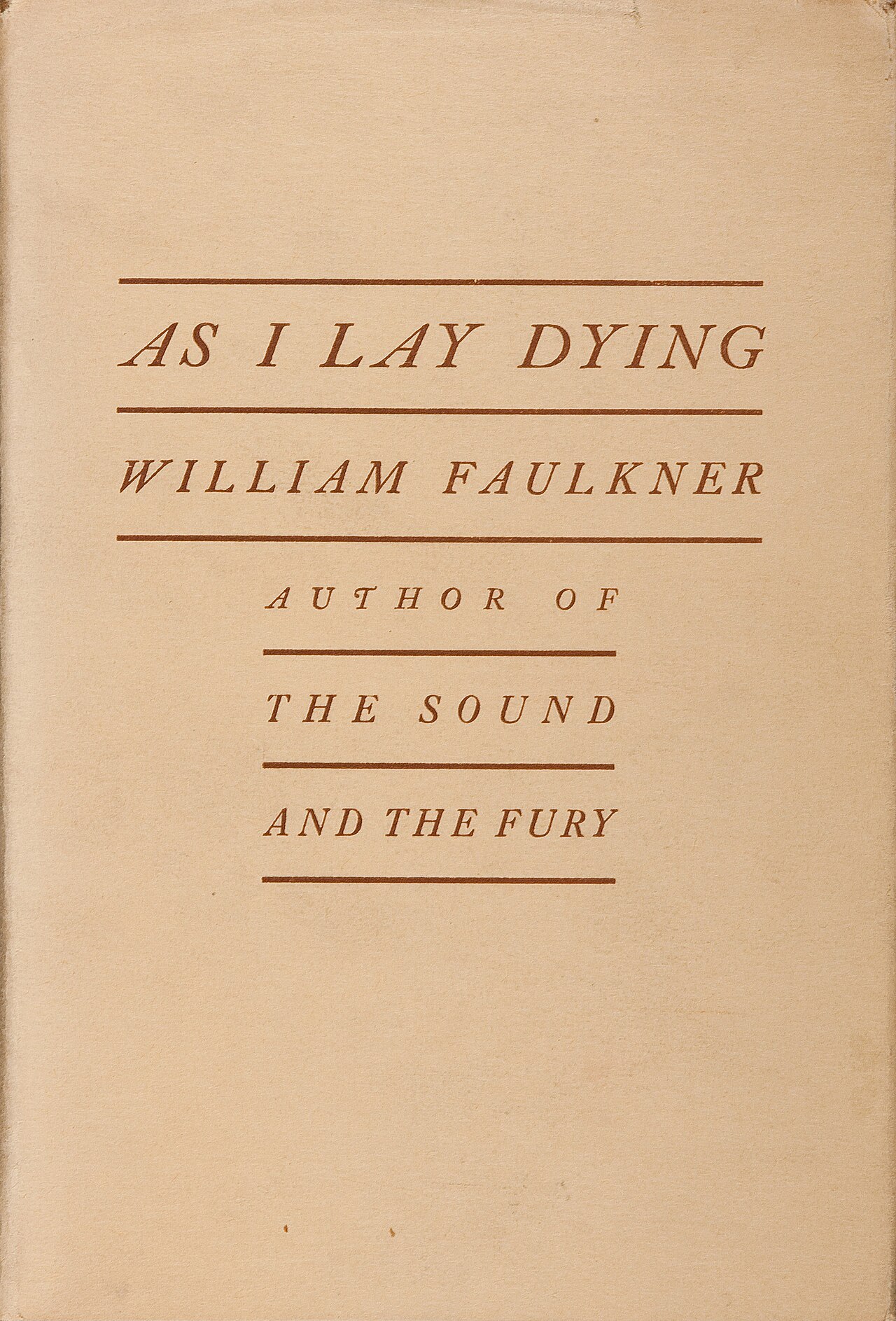
As I Lay Dying
William Faulkner · 1930
Ready when you are
Start chatting with William Faulkner now.
20 messages free · No credit card · Available in 50+ languages.