


Primary sourceArtifact1859
Royal Albert Bridge
Isambard Kingdom Brunel · 1859
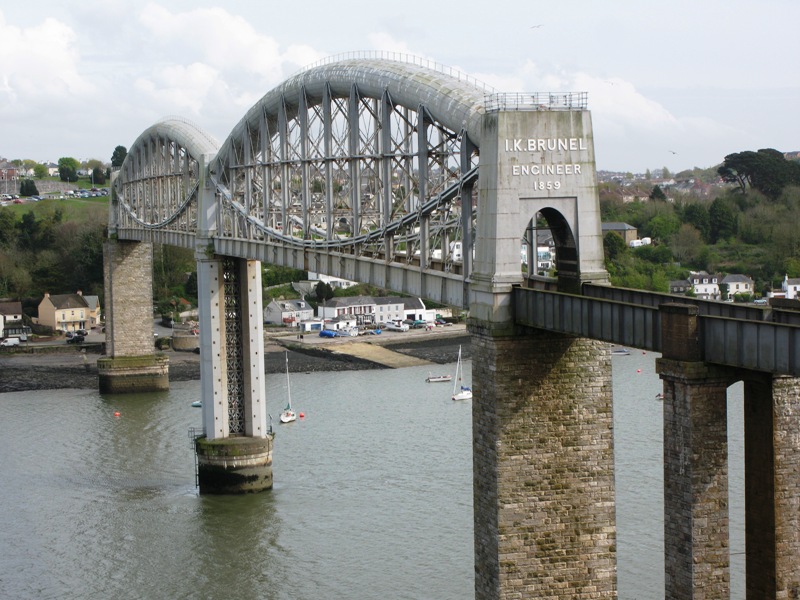
A railway bridge across the River Tamar designed by Brunel, completed in 1859, the year he died.
Brunel designed this bridge, completed the year he died; his name was inscribed on it as a memorial.
About this source
What it is
The Royal Albert Bridge spans the River Tamar between Plymouth and Saltash, carrying the Cornish Main Line railway. It was designed by Isambard Kingdom Brunel, with surveying starting in 1848 and construction from 1854. It was opened by Prince Albert on 2 May 1859. Brunel died later that year, and his name was placed above the bridge's portals as a memorial.
Why it matters
The bridge used a unique lenticular truss design, with an arched top chord and chain bottom chord balancing each other so that the piers needed no horizontal bracing. It was influenced by earlier iron bridges by Robert Stephenson, showing how engineers of the time built on each other's ideas. It remains in use today and has become a celebrated symbol of Victorian engineering.
Look closer
- Why do you think Brunel's name was carved onto the bridge after his death?
- What does the bridge's design tell you about the engineering challenges of crossing a wide river?
- How might this bridge have changed travel and trade in Cornwall?
This artifact is part of the curated material that grounds the AI version of Isambard Kingdom Brunel on Humy.ai — when students ask about related events, the AI can quote it and cite it.
More Isambard Kingdom Brunel sources
Meet the AI Isambard Kingdom Brunel →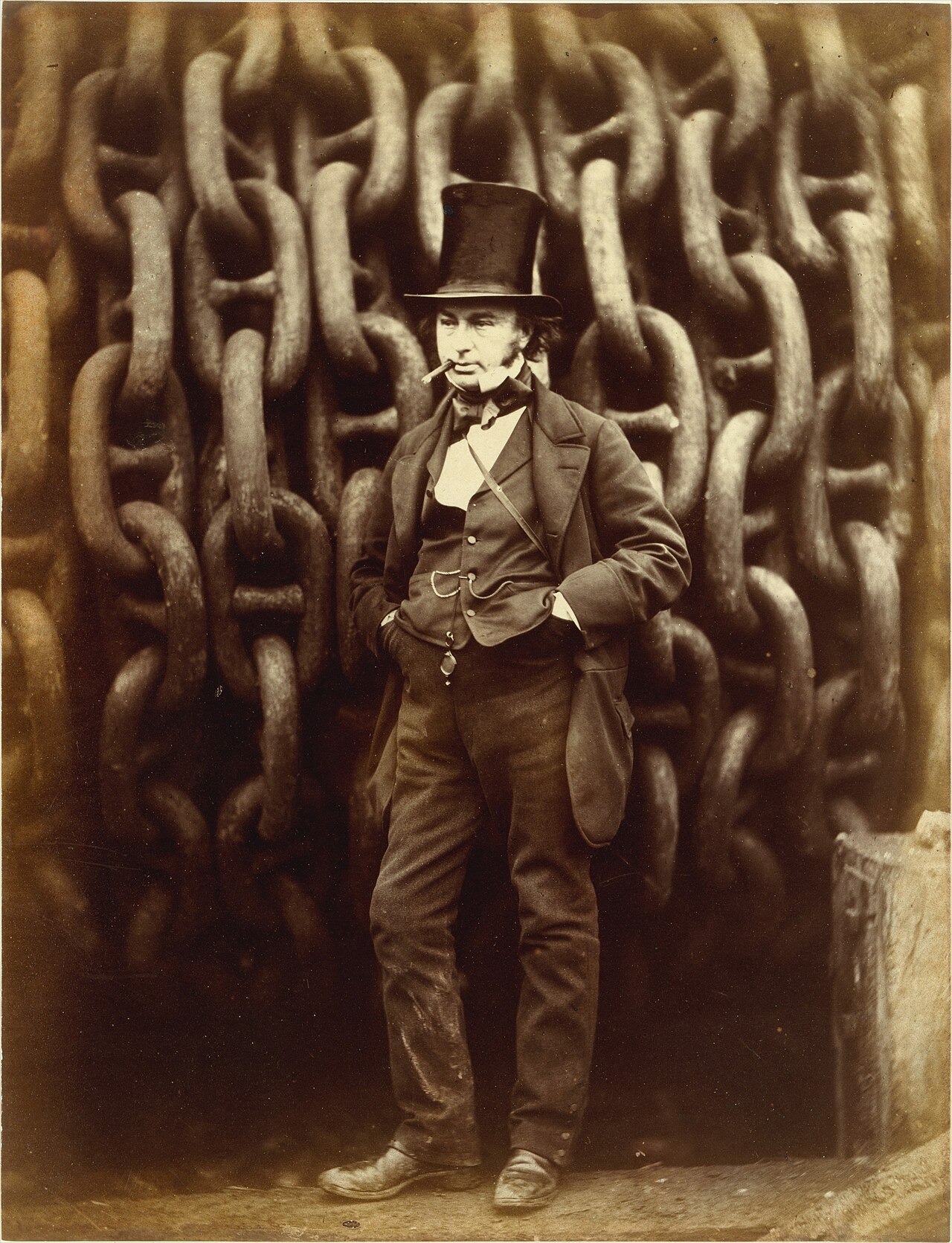 Photograph
Primary source
Isambard Kingdom Brunel Standing Before the Launching Chains of the Great Eastern
Robert Howlett · November 1857
 Artifact
Primary source
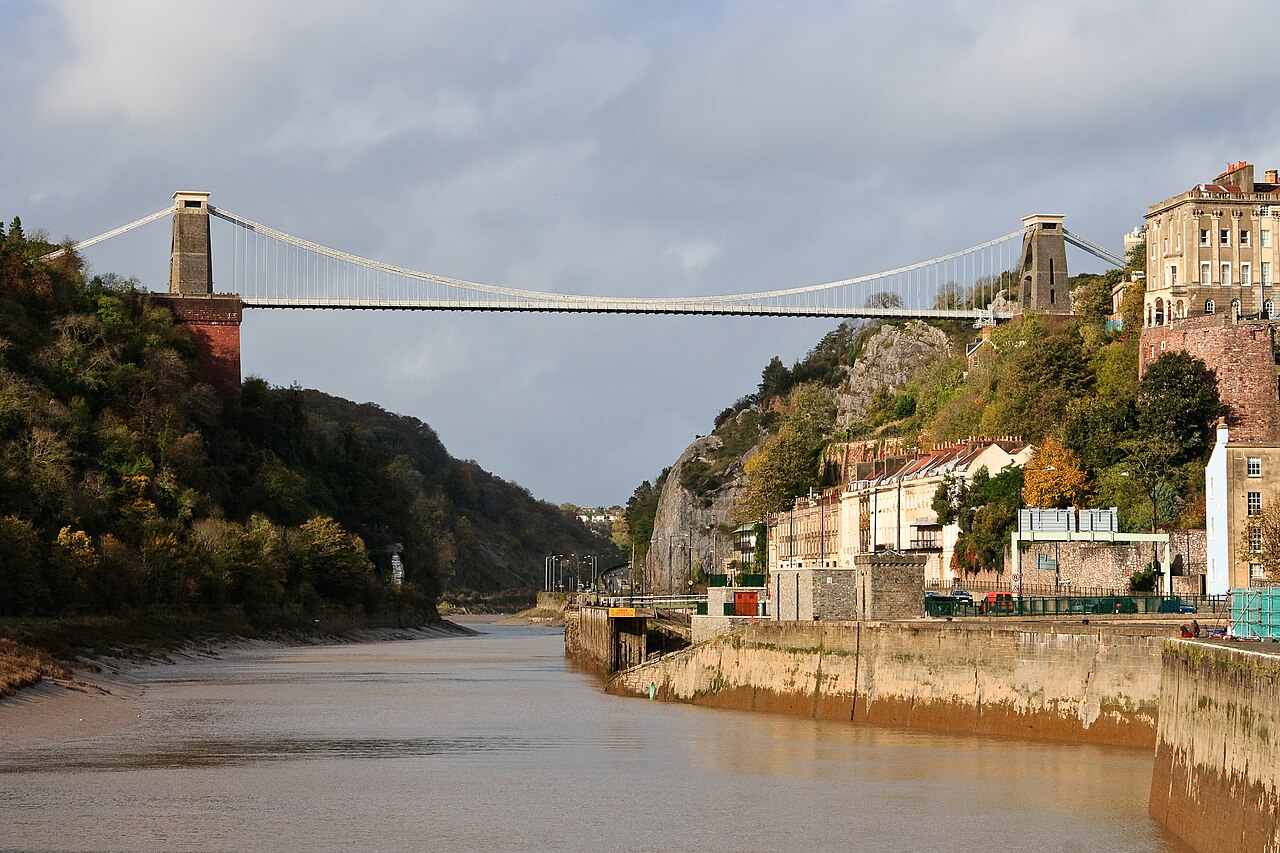
Clifton Suspension Bridge
William Henry Barlow and John Hawkshaw, after a design by Isambard Kingdom Brunel · 1864 (completed)
 Artifact
Primary source
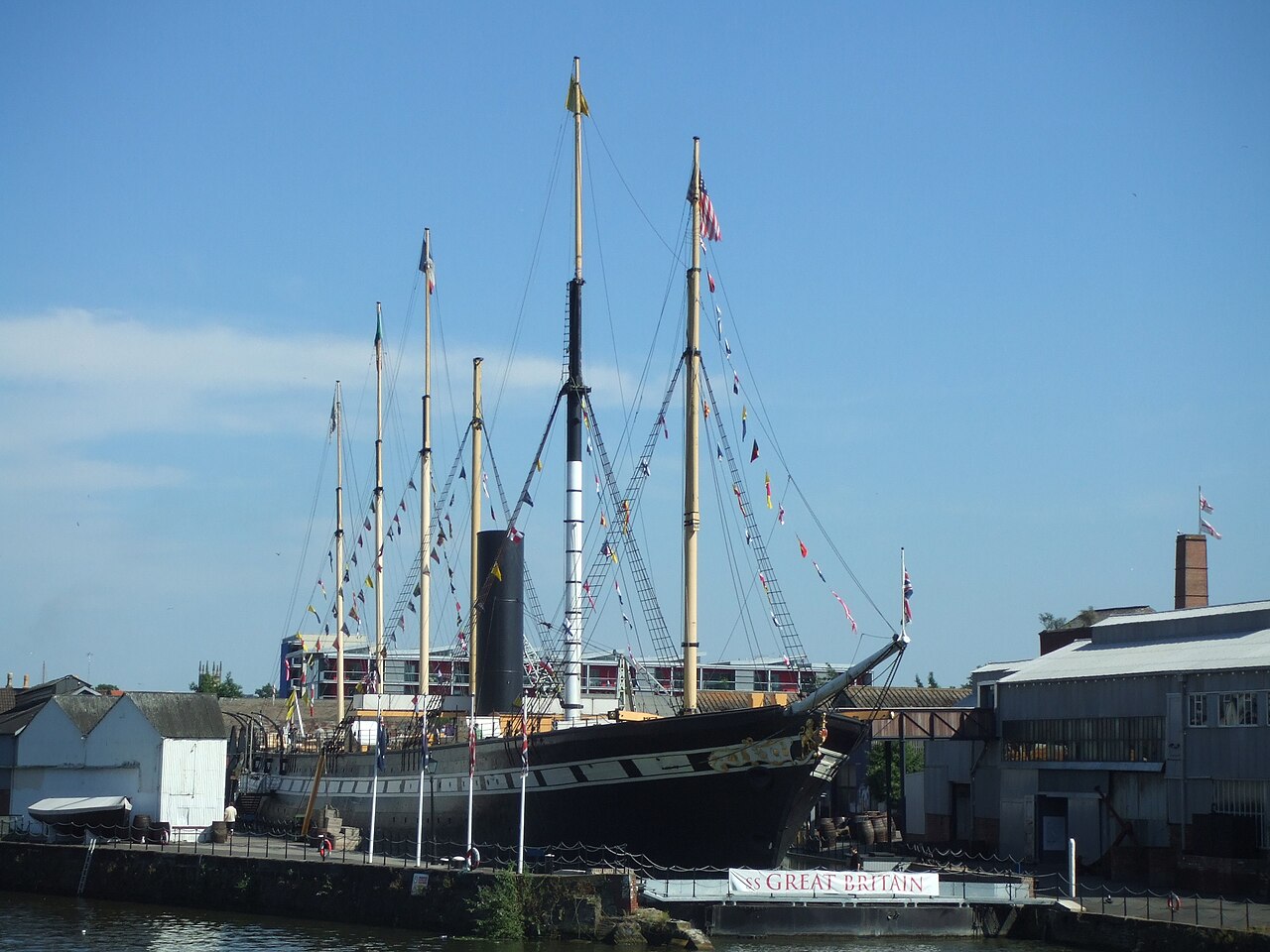
SS Great Britain
Isambard Kingdom Brunel · 1843 (launched)
 Artifact
Primary source
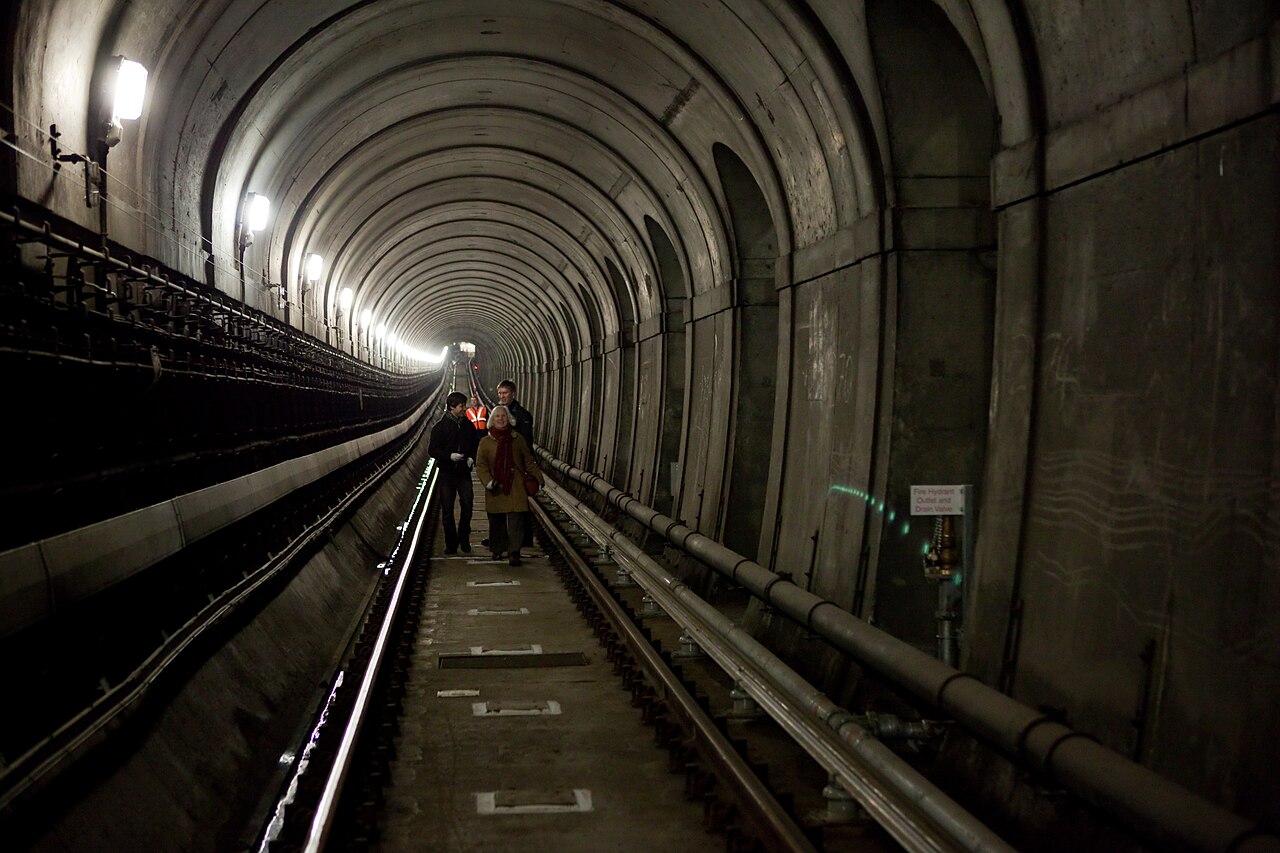
Thames Tunnel
Marc Brunel, with Isambard Kingdom Brunel as resident engineer · 1825-1843
 Artifact
Primary source
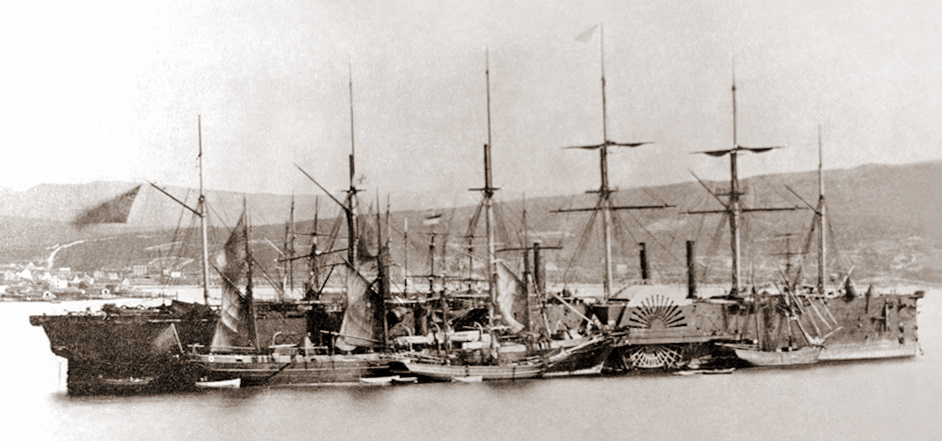
SS Great Eastern
Isambard Kingdom Brunel · 1858 (launched)
Ready when you are
Start chatting with Isambard Kingdom Brunel now.
20 messages free · No credit card · Available in 50+ languages.