


Primary sourceDocument1803
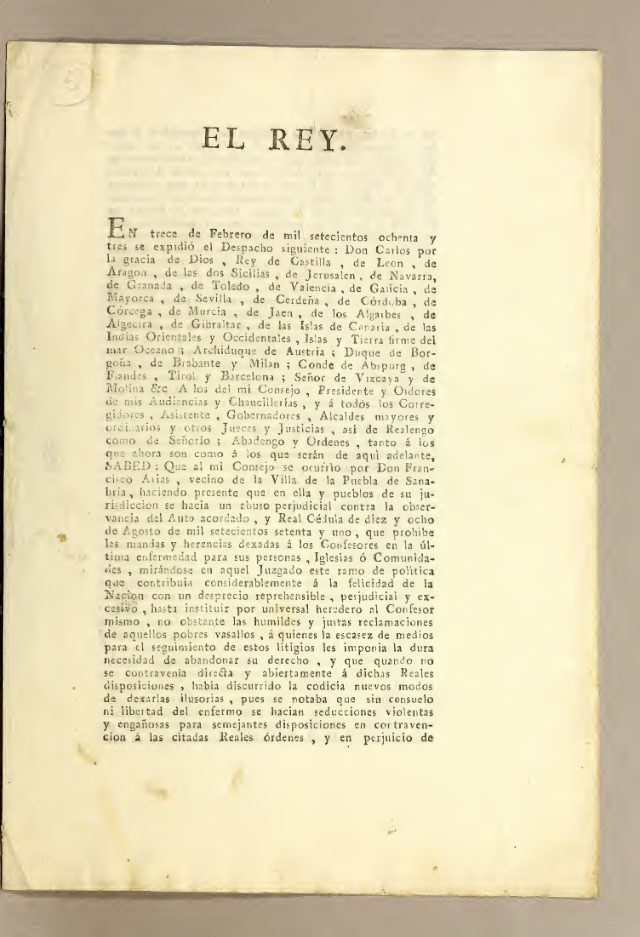
Royal Decree Barring Confessors from Deathbed Donations, 1803
Spain · 1803
A royal decree that reprinted a 1783 rule forbidding confessors from receiving deathbed gifts and legacies. It shows how the Crown regulated church influence over inheritance.
Issued in Charles IV's name and reprinted under his reign, it shows royal control over church influence and inheritance.
Free Humy account · No credit card · 120,912 sources to read
About this source
What it is
This is a printed royal decree reprinted in 1803. It repeats a decree of 13 February 1783 issued in the name of Charles, who is shown in the text with a long list of his titles. The subject is a prohibition on confessors being named as beneficiaries of donations or legacies made at the point of death. The record describes it as a royal decree about deathbed donations and legacies.
Why it matters
Wealthy people often left property to the Church, and this decree shows the Crown trying to limit clergy from benefiting from the wills of the dying. It reveals how royal authority and the Church shared influence over property and inheritance. It places Charles IV's government within a longer effort of the monarchy to regulate church and family wealth.
Look closer
- Who is the decree trying to restrict, and why might the king have wanted to restrict them?
- Why was an earlier decree from 1783 reprinted in 1803?
- What does the document leave out about the families who lost property through deathbed gifts?
This document is part of the curated material that grounds the AI version of Charles IV of Spain on Humy.ai — when students ask about related events, the AI can quote it and cite it.
More Charles IV of Spain sources
Browse all 95 →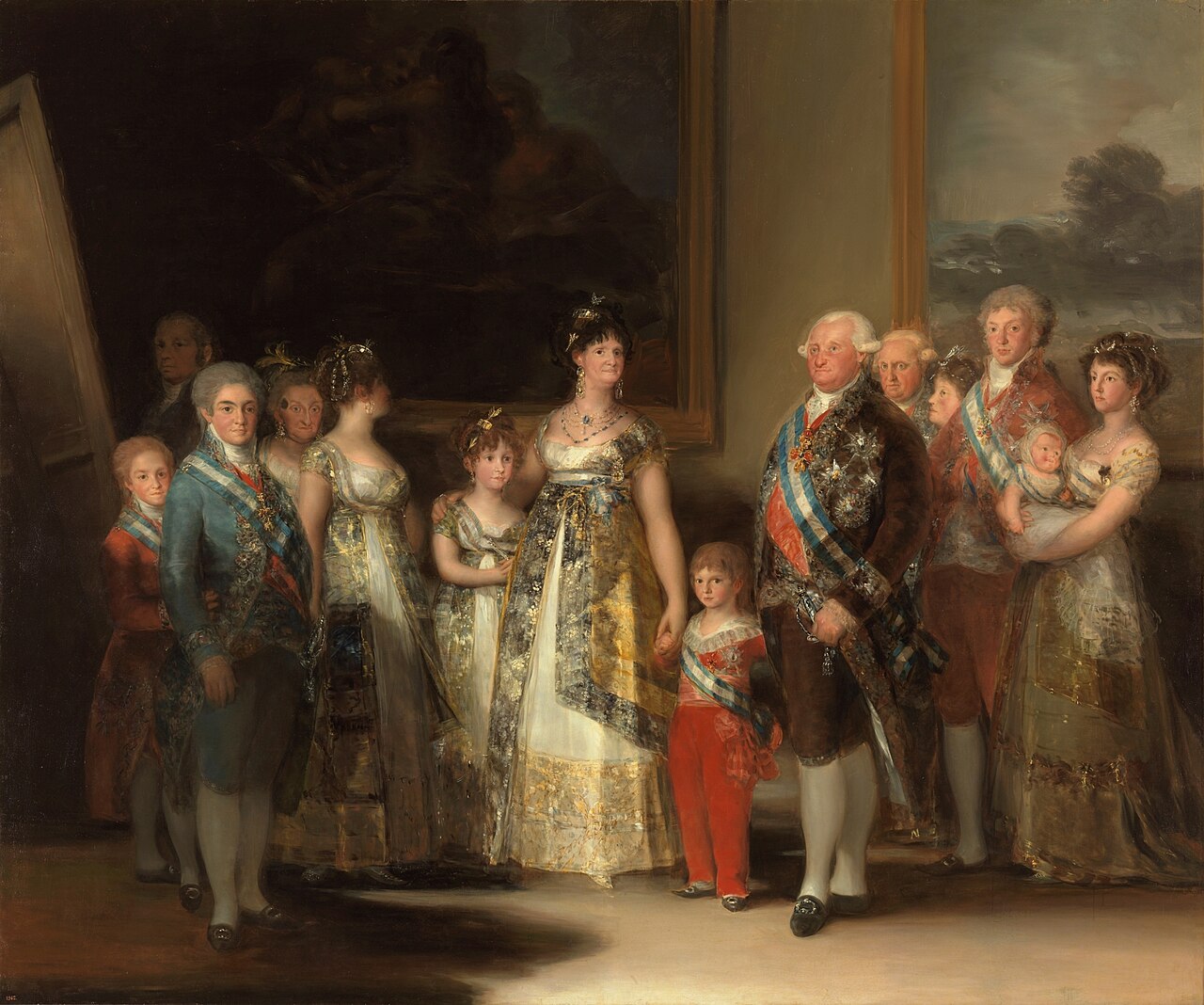 Painting
Primary source
Charles IV of Spain and His Family
Francisco Goya · 1800-1801
 Document
Primary source
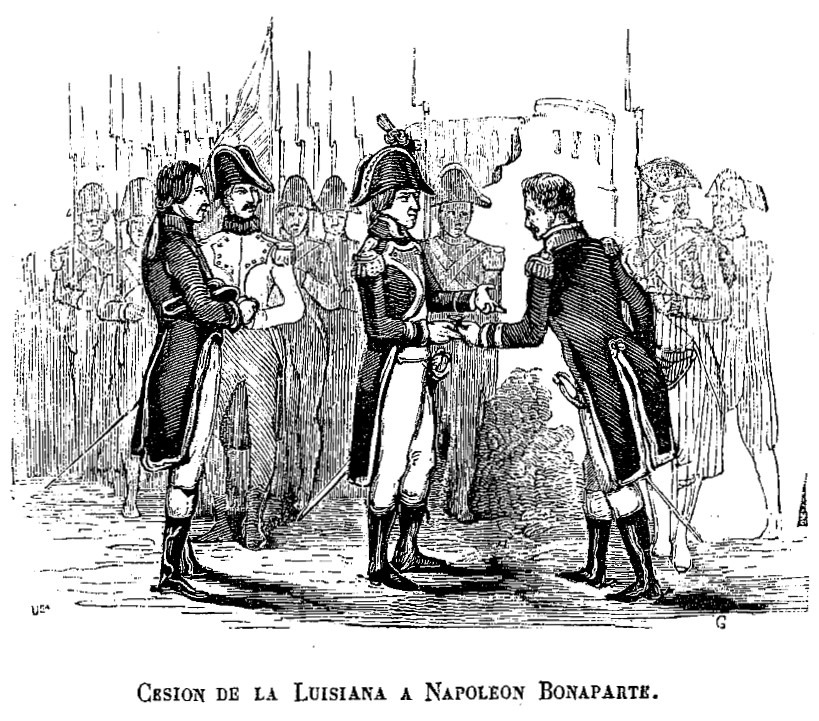
Treaty of San Ildefonso
1 October 1800
 Document
Primary source
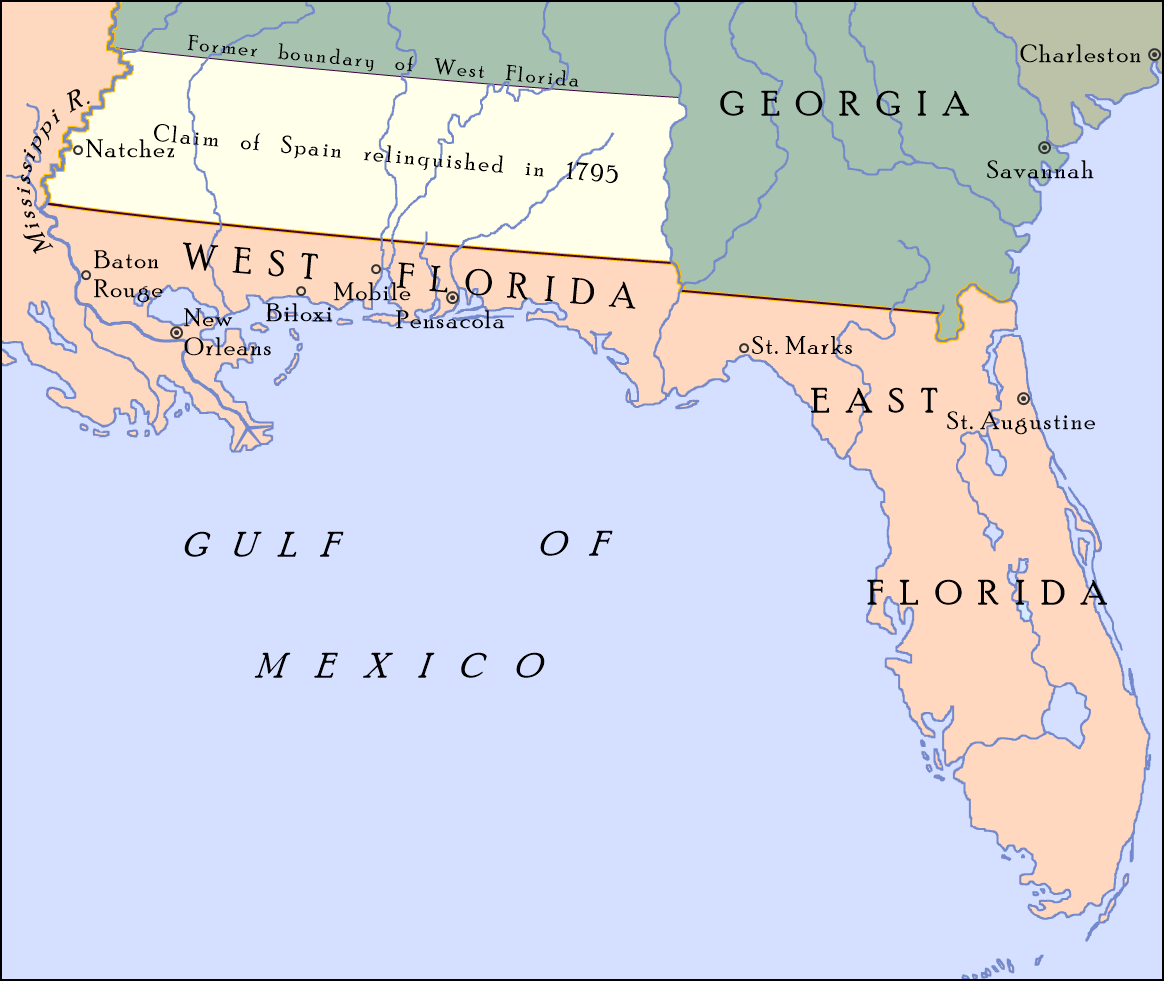
Pinckney's Treaty
27 October 1795
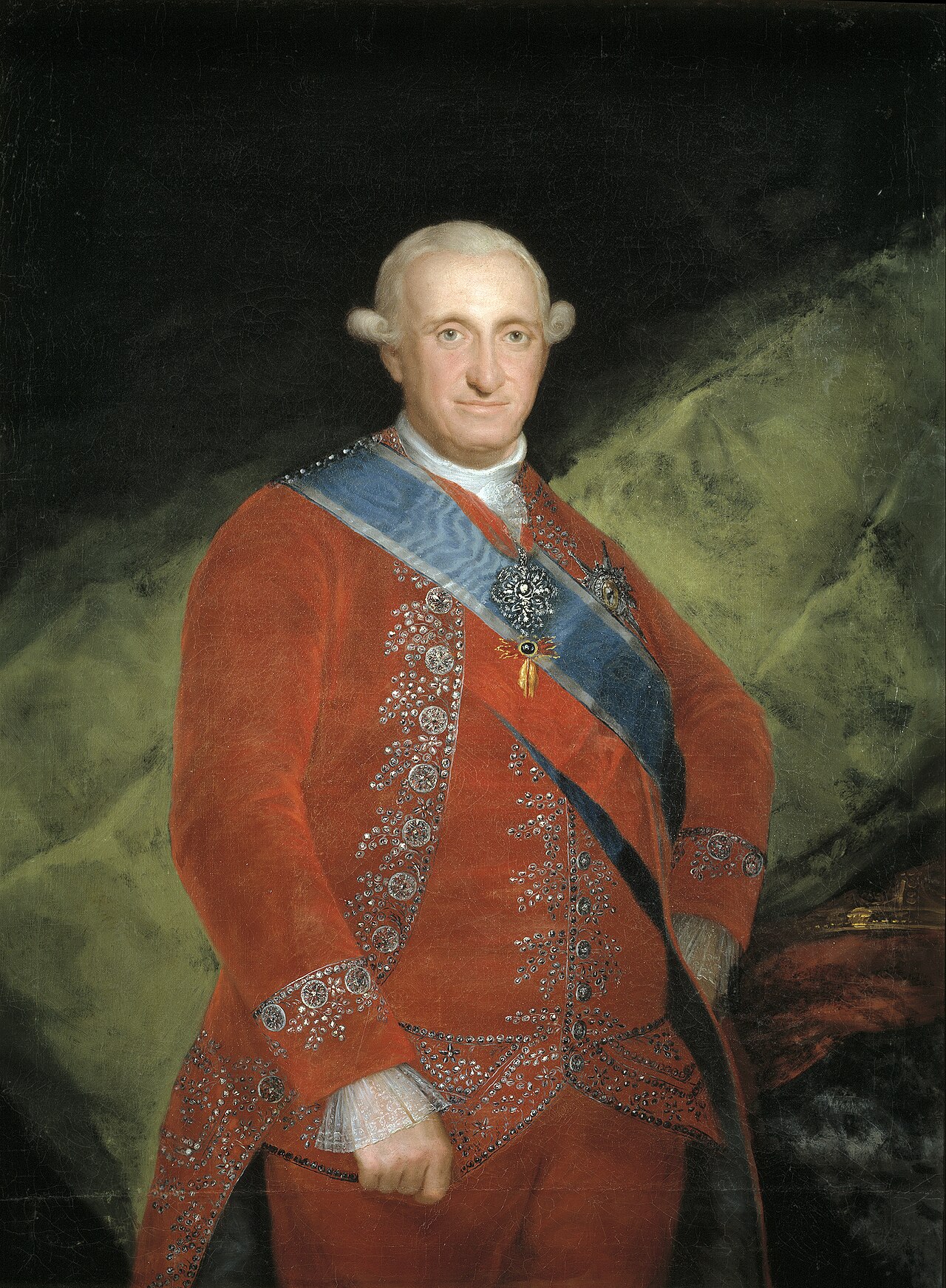 Painting
Primary source
Charles IV in Red
Francisco Goya · 1789
Free account
Read every Charles IV of Spain source
Sign up free →
Ready when you are
Start chatting with Charles IV of Spain now.
20 messages free · No credit card · Available in 50+ languages.