


Primary sourceDocument1789
Royal Decree on Slaves and Blacks in the West Indies, 1789
Spain. Sovereign (1788-1808 : Charles IV) · 1789
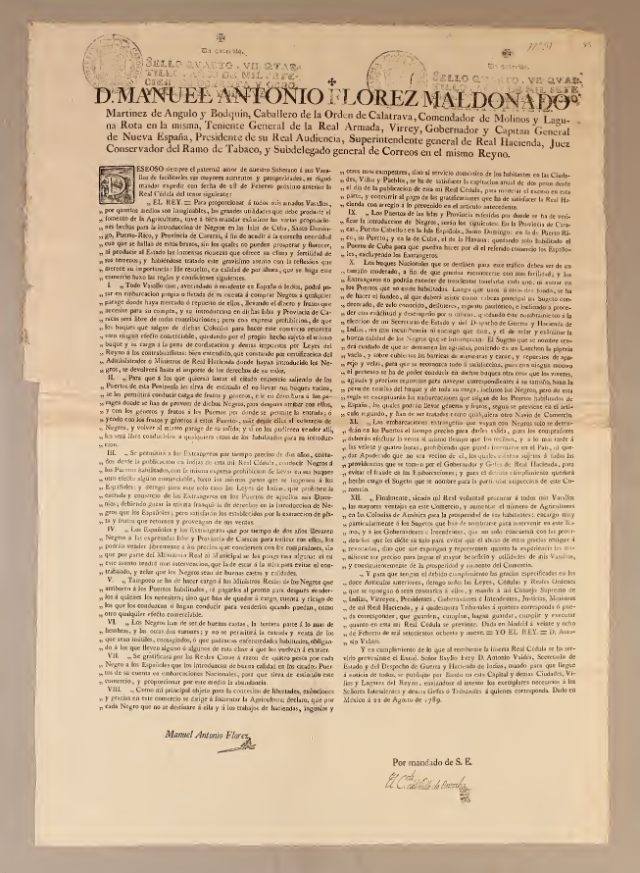
A printed broadside of a royal order from Charles IV's government about introducing enslaved Africans into Spanish Caribbean islands. It shows how the Crown discussed slavery as a route to agricultural growth.
Issued under Charles IV's government, it shows that his reign took official steps on slavery in the Spanish colonies.
Free Humy account · No credit card · 120,912 sources to read
About this source
What it is
This is a printed broadside, one sheet of paper, published in Mexico City in 1789. It presents a royal decree dated 28 February, which the text says was issued to examine proposals for bringing Black people into Cuba, Santo Domingo and Puerto Rico. The sheet was published by order of Viceroy Manuel Antonio Flórez Maldonado Martínez de Angulo y Bodquín of New Spain. The copy is held by the John Carter Brown Library.
Why it matters
The text presents the introduction of enslaved people as a way to support agriculture and the prosperity of the colonies. It shows how the Crown, its viceroys and colonial officials put slavery into official policy in the late 1780s. It reveals how people who were enslaved were treated as a resource in the plans of rulers.
Look closer
- How does the text describe enslaved people, and whose benefits does it emphasize?
- Who was responsible for publishing this order and for making it known to the public?
- What does the document leave out about the voices of the enslaved people themselves?
This document is part of the curated material that grounds the AI version of Charles IV of Spain on Humy.ai — when students ask about related events, the AI can quote it and cite it.
More Charles IV of Spain sources
Browse all 95 →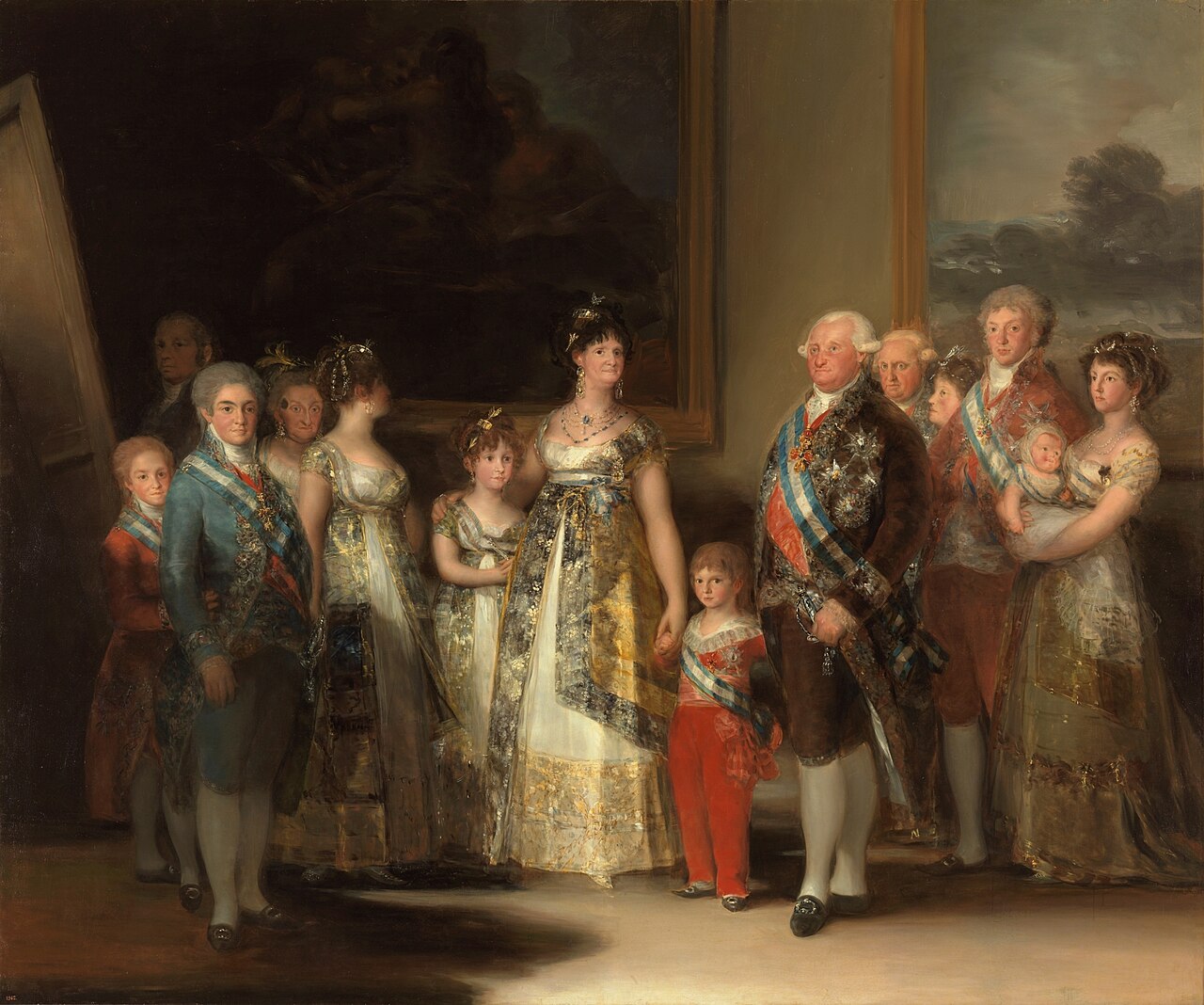 Painting
Primary source
Charles IV of Spain and His Family
Francisco Goya · 1800-1801
 Document
Primary source
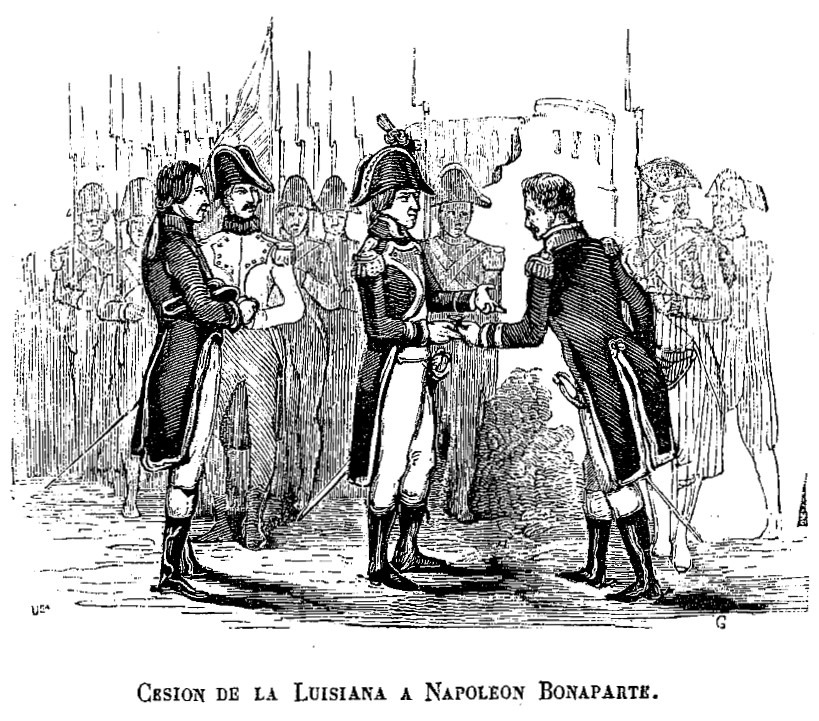
Treaty of San Ildefonso
1 October 1800
 Document
Primary source
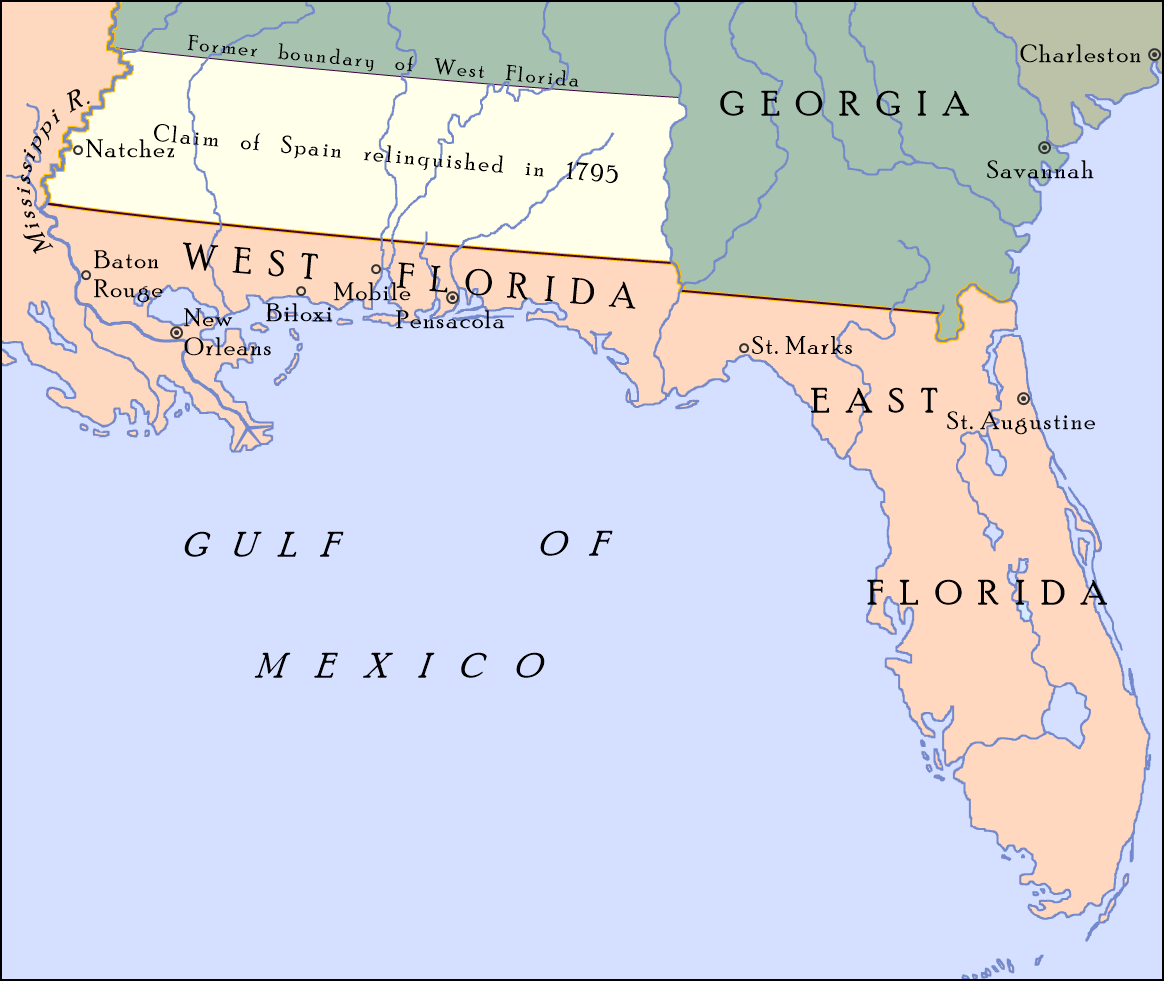
Pinckney's Treaty
27 October 1795
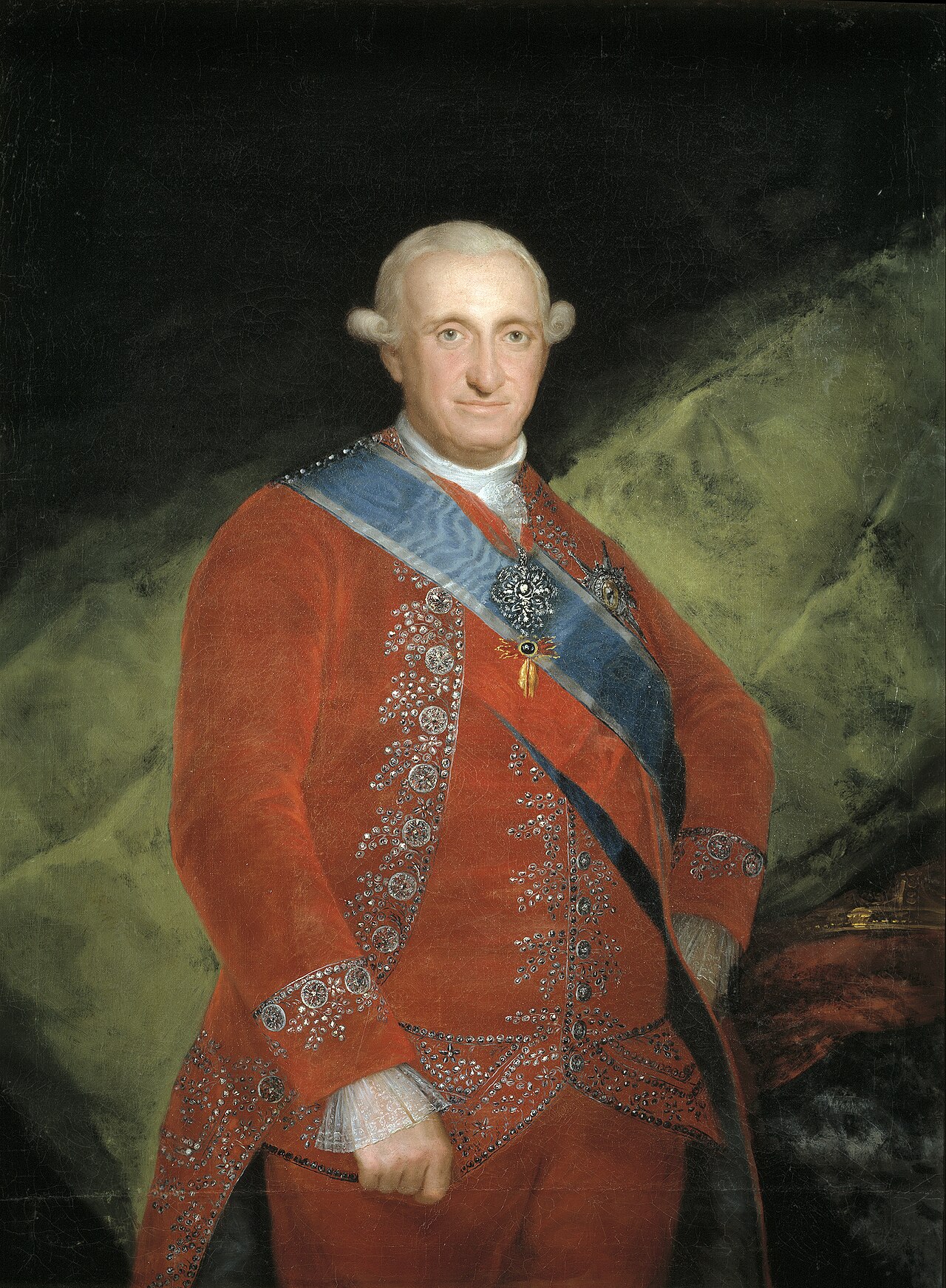 Painting
Primary source
Charles IV in Red
Francisco Goya · 1789
Free account
Read every Charles IV of Spain source
Sign up free →
Ready when you are
Start chatting with Charles IV of Spain now.
20 messages free · No credit card · Available in 50+ languages.