


Primary sourceArtifact1880
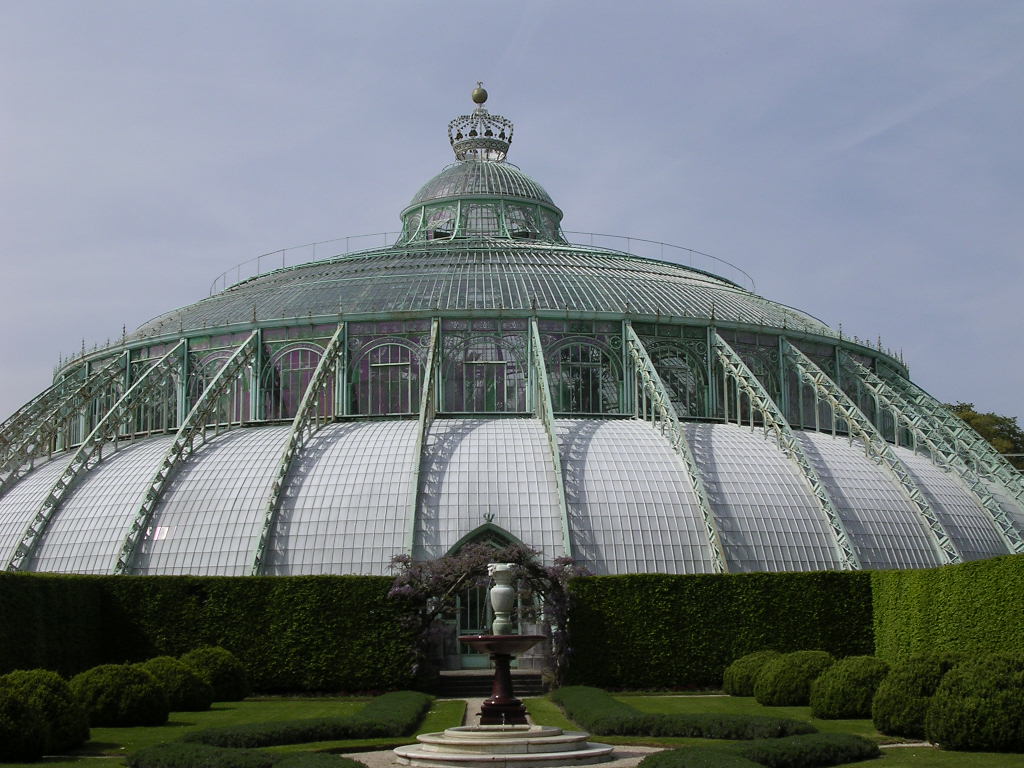
Royal Greenhouses of Laeken
Alphonse Balat · 1880
A vast glass-and-iron greenhouse complex commissioned by Leopold II, filled partly with plants from his Congo colony.
Leopold II personally commissioned and shaped these greenhouses, linking them symbolically to his Congo colony.
About this source
What it is
The Royal Greenhouses of Laeken are a complex of monumental heated greenhouses in the park of the Royal Palace of Laeken, commissioned by King Leopold II and built between 1874 and 1905. Architect Alphonse Balat designed the original structures, and after his death Henri Maquet and Charles Girault continued the work. The complex was inaugurated in 1880.
Why it matters
Inspired by London's Crystal Palace, Leopold wanted a similarly ambitious glass building combining his love of plants with grand function rooms. During construction, Leopold was establishing the Congo Free State, and the greenhouses were intended partly as a symbol of his colonial power, with African plants on display. The complex also shows his personal life: the Palm Pavilion was connected to a private corridor where he received mistresses.
Look closer
- Why might Leopold connect this huge private project to his African colony?
- What does the scale and cost of the greenhouses suggest about his wealth and priorities as king?
- What parts of the building's history, like the private corridor, reveal about his personal life alongside his public image?
This artifact is part of the curated material that grounds the AI version of Leopold II of Belgium on Humy.ai — when students ask about related events, the AI can quote it and cite it.
More Leopold II of Belgium sources
Browse all 83 → Book
Secondary source
King Leopold's Soliloquy
Mark Twain · 1905
Primary source
An Open Letter to His Serene Majesty Leopold II, King of the Belgians
George Washington Williams · 18 July 1890
Primary source
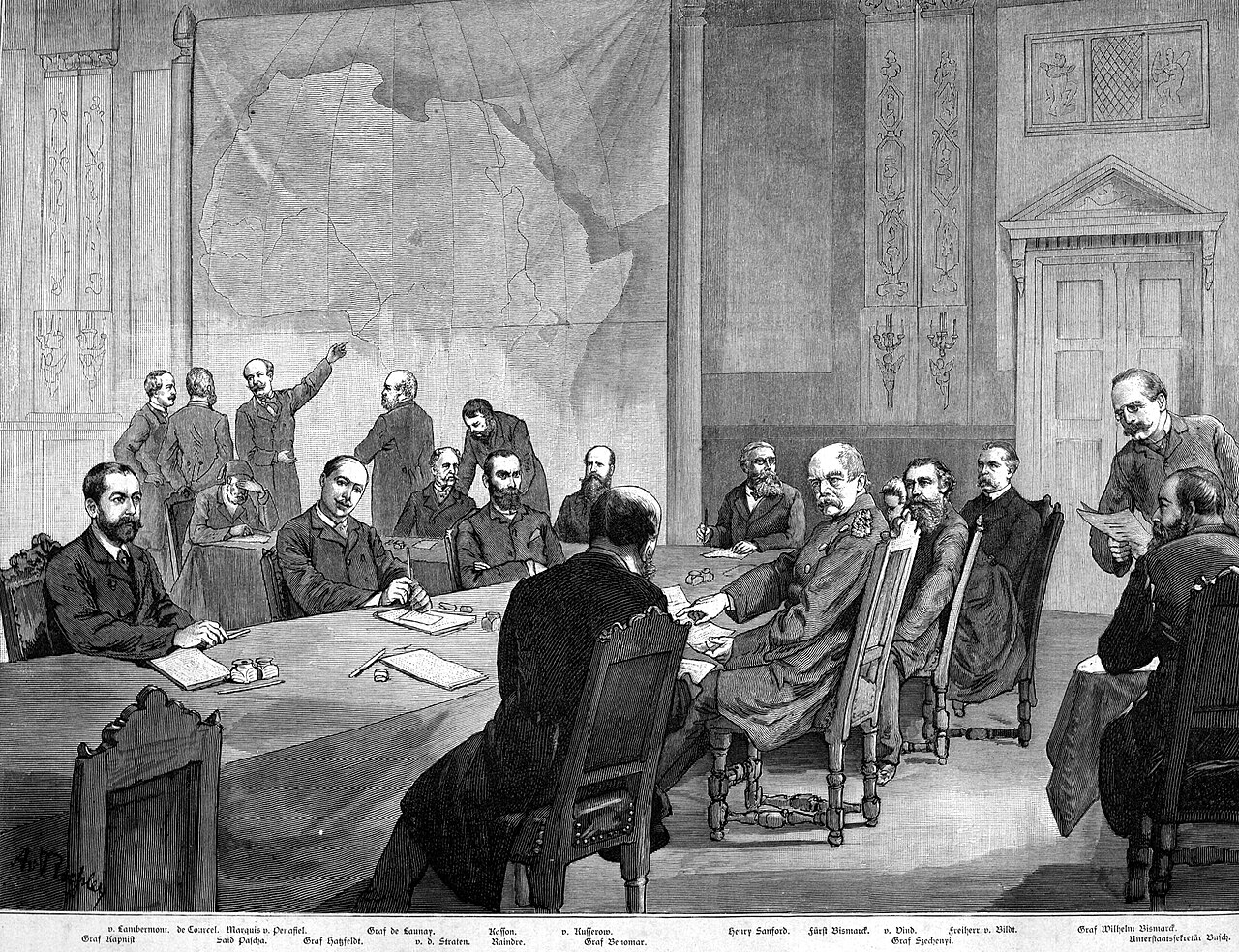
Casement Report
Roger Casement · 11 December 1903
 Document
Primary source
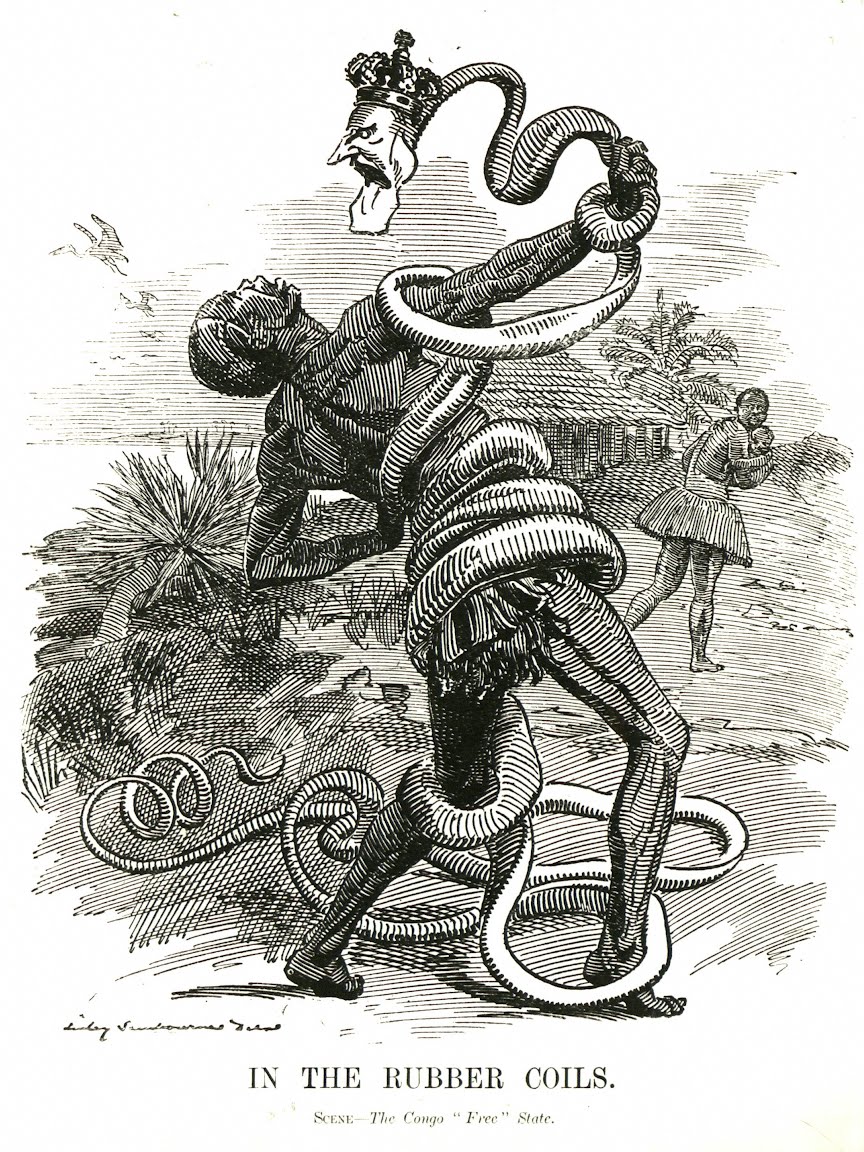
General Act of the Berlin Conference
15 November 1884 – 26 February 1885
Free account
Read every Leopold II of Belgium source
Sign up free →
Ready when you are
Start chatting with Leopold II of Belgium now.
20 messages free · No credit card · Available in 50+ languages.