


Primary sourceDocument27 July 1839
Royal ordinance of 2 July 1839 on the Royal Library
27 July 1839
A French royal decree of 1839 that sets up a central direction for the Bibliothèque royale, the national library, under the king's authority.
The ordinance is issued in Louis-Philippe's name and shows his government's cultural policy for the national library.
Free Humy account · No credit card · 120,912 sources to read
About this source
What it is
This is a French royal ordinance concerning the Bibliothèque royale, the national library. It is issued in the name of Louis-Philippe, king of the French. The preamble lists earlier laws and ordinances, including the law of 25 vendémiaire an IV and the ordinances of 1828 and 1832, and it explains the reasons for the decree. The text argues that the library's size and growth need a single central direction, and that its staff should be chosen with regard to scholarly skill. The ordinance is dated 27 July 1839 in this copy.
Why it matters
The ordinance shows how the government of Louis-Philippe organized cultural institutions. A central library administration was intended to supervise all the collections and to make sure that appointments kept the tradition of scholarly work. Decrees like this one show how the state managed knowledge and learning in the 1830s and 1840s.
Look closer
- What reasons does the ordinance give for creating a single central direction?
- Who would have benefited from a more organized national library, and who might have been left out?
- Why might a king sign a decree on a library, and what does that say about his government?
This document is part of the curated material that grounds the AI version of Louis-Philippe I on Humy.ai — when students ask about related events, the AI can quote it and cite it.
More Louis-Philippe I sources
Browse all 98 →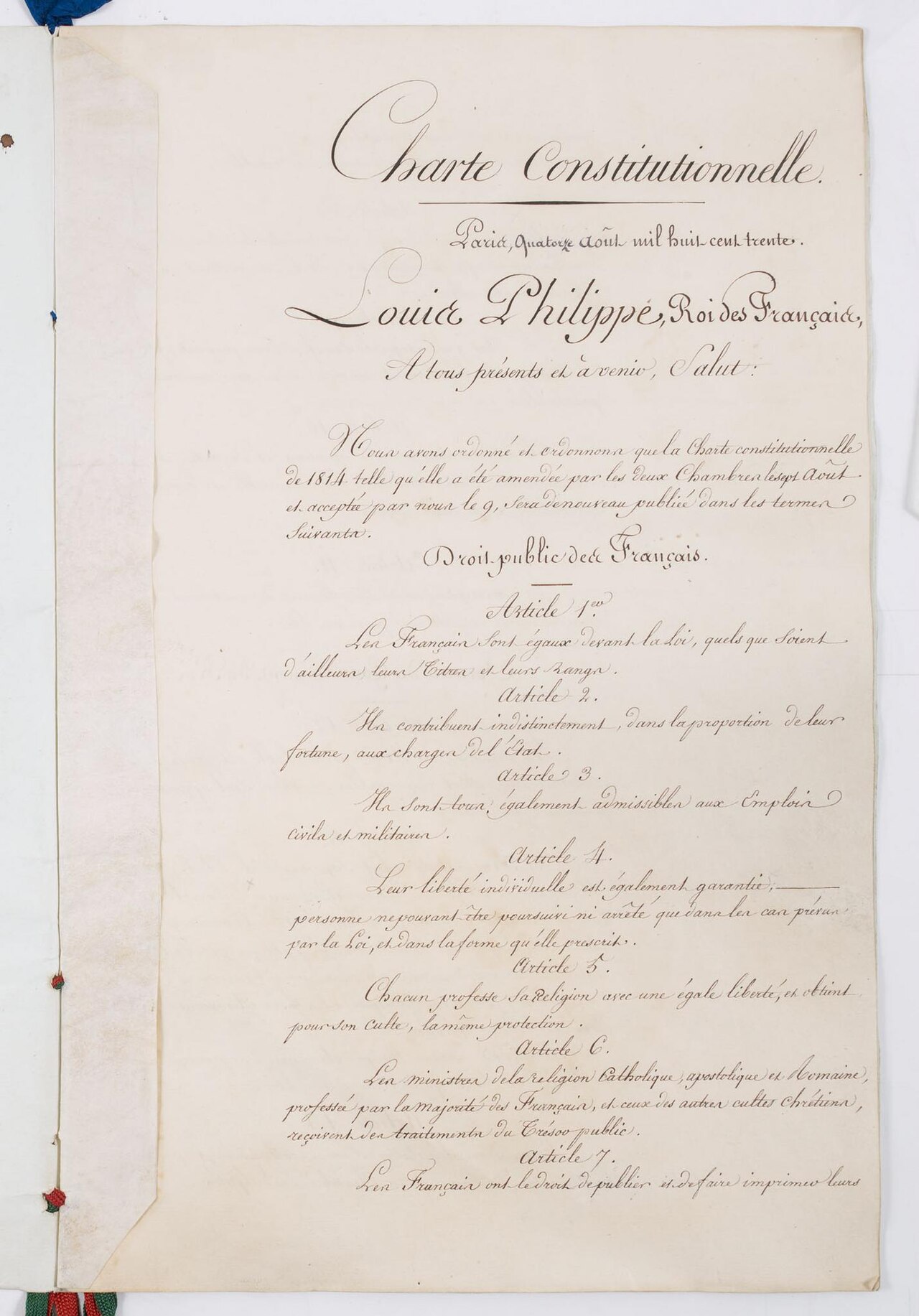 Document
Primary source
Charter of 1830
1830
 Document
Primary source
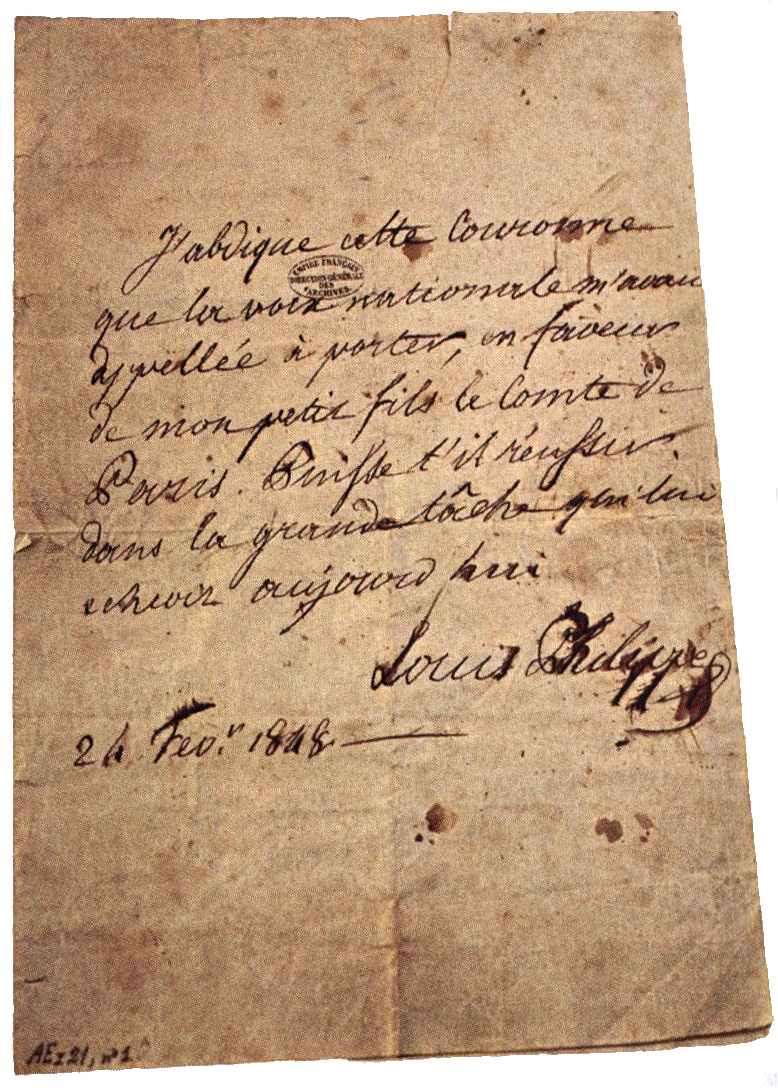
Abdication of Louis-Philippe
Louis-Philippe I · 24 February 1848
 Painting
Primary source
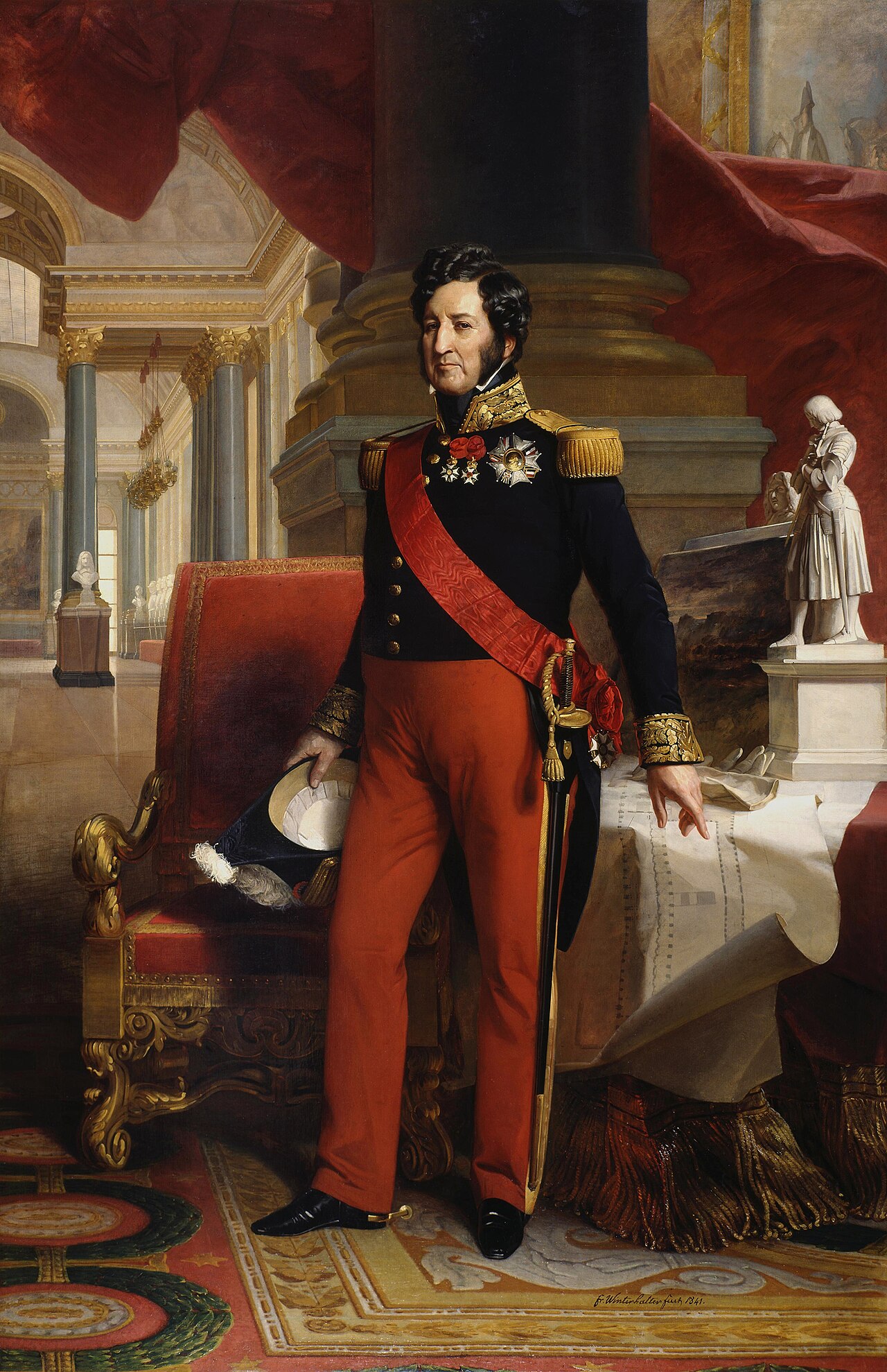
Louis-Philippe I, King of the French
Franz Xaver Winterhalter · 1841
 Artifact
Primary source
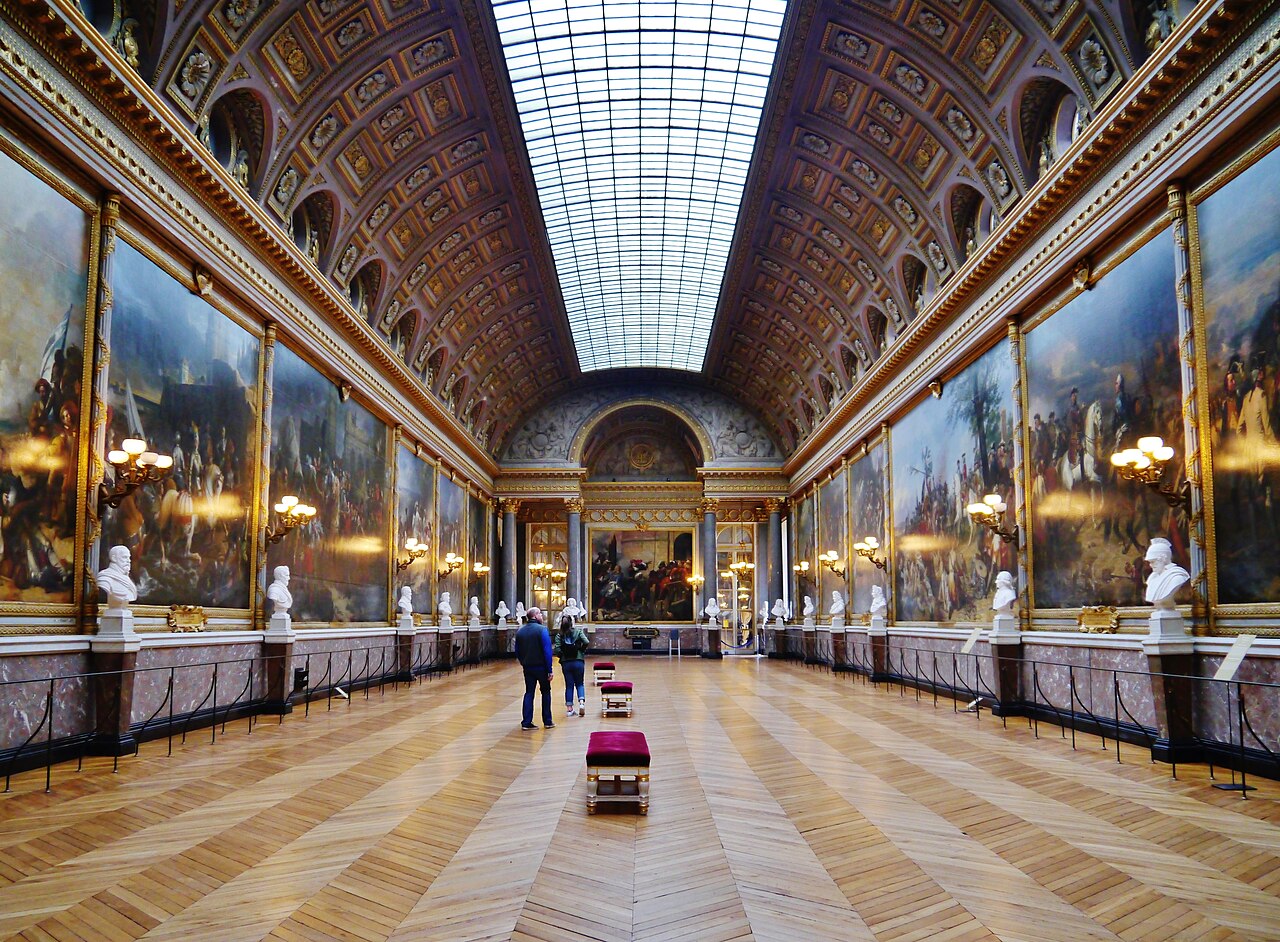
Musée de l'Histoire de France
1837 (opened)
Free account
Read every Louis-Philippe I source
Sign up free →
Ready when you are
Start chatting with Louis-Philippe I now.
20 messages free · No credit card · Available in 50+ languages.