


Primary sourceArtifact1744 (curator's record); second half of the 18th century (article)
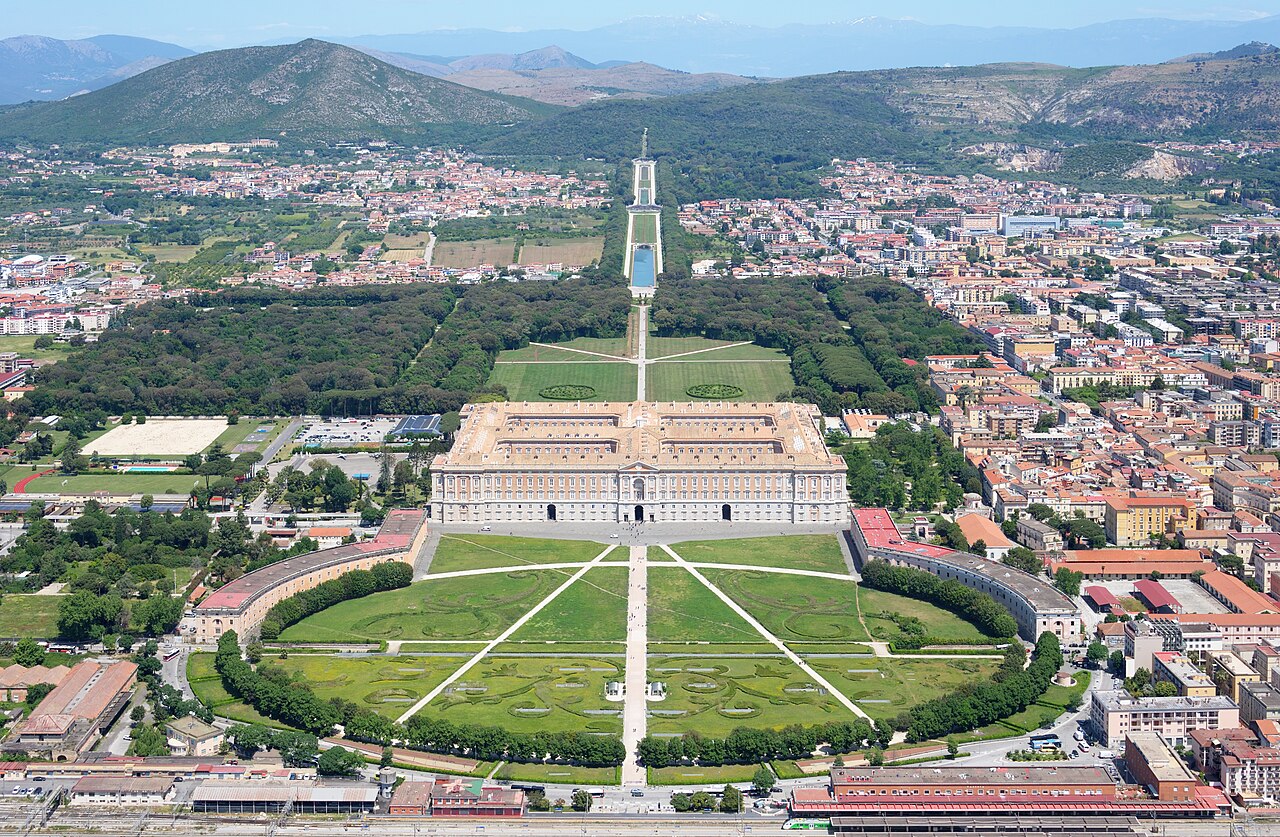
Royal Palace of Carditello
Francesco Collecini · 1744 (curator's record); second half of the 18th century (article)
The Royal Palace of Carditello is a small 18th-century palace in southern Italy, built under Charles of Bourbon as a hunting lodge and farm centre. It shows his early interest in agricultural improvement.
Built under Charles of Bourbon in the Neapolitan years, Carditello shows the early royal estate and farm projects he commissioned before ruling Spain.
About this source
What it is
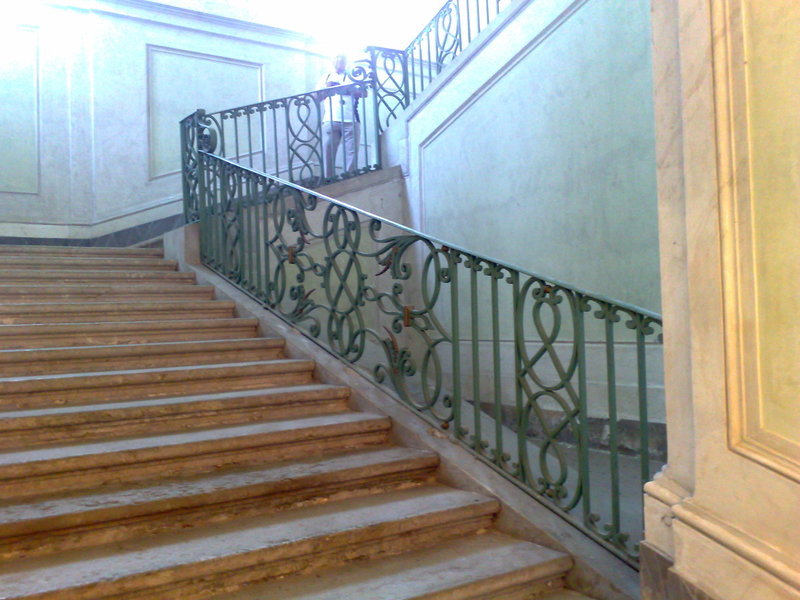
The Royal Estate of Carditello is a small 18th-century palace in San Tammaro, in the Campania region of southern Italy. The record dates it to 1744 and names Francesco Collecini as its creator. It belonged to the Neapolitan Bourbon monarchy and was built under Charles of Bourbon. The estate combined a hunting lodge with an agricultural and pastoral production centre. The photograph shows a marble staircase with a green wrought-iron balustrade.
Why it matters
Carditello shows Charles's early interest in improving farming, before he became king of Spain. The palace was designed so that visitors would see there were no barriers between the people and the royal family. After the unification of Italy the estate was neglected for a long time, and in 1920 most of its land was sold. In January 2014 the Italian Ministry of Cultural Heritage acquired the palace. The 2015 film Lost and Beautiful paid tribute to Tommaso Cestrone, who volunteered to preserve the grounds.
Look closer
- What does the staircase suggest about who was meant to use this building and how?
- Why would a royal estate combine a hunting lodge with farmland?
- Whose stories about the estate, such as the workers and local people, are missing from the palace itself?
This artifact is part of the curated material that grounds the AI version of Charles III of Spain on Humy.ai — when students ask about related events, the AI can quote it and cite it.
More Charles III of Spain sources
Browse all 94 →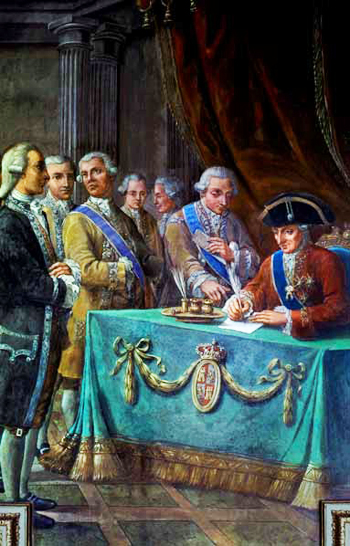 Document
Secondary source
Free Trade Regulations
Pere Pau Muntanya · 1778
 Painting
Primary source
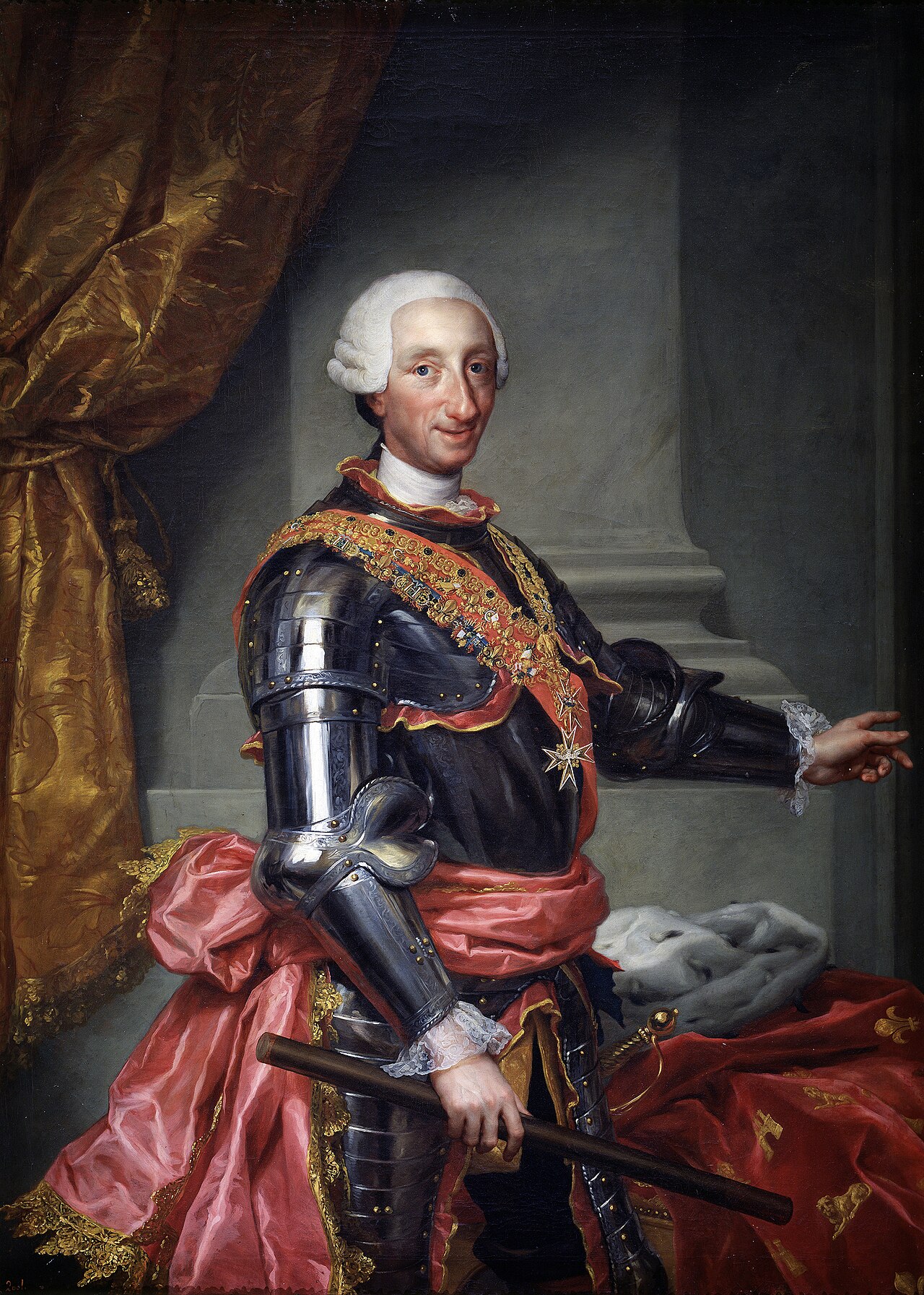
Charles III
Anton Raphael Mengs · 1767
 Painting
Primary source
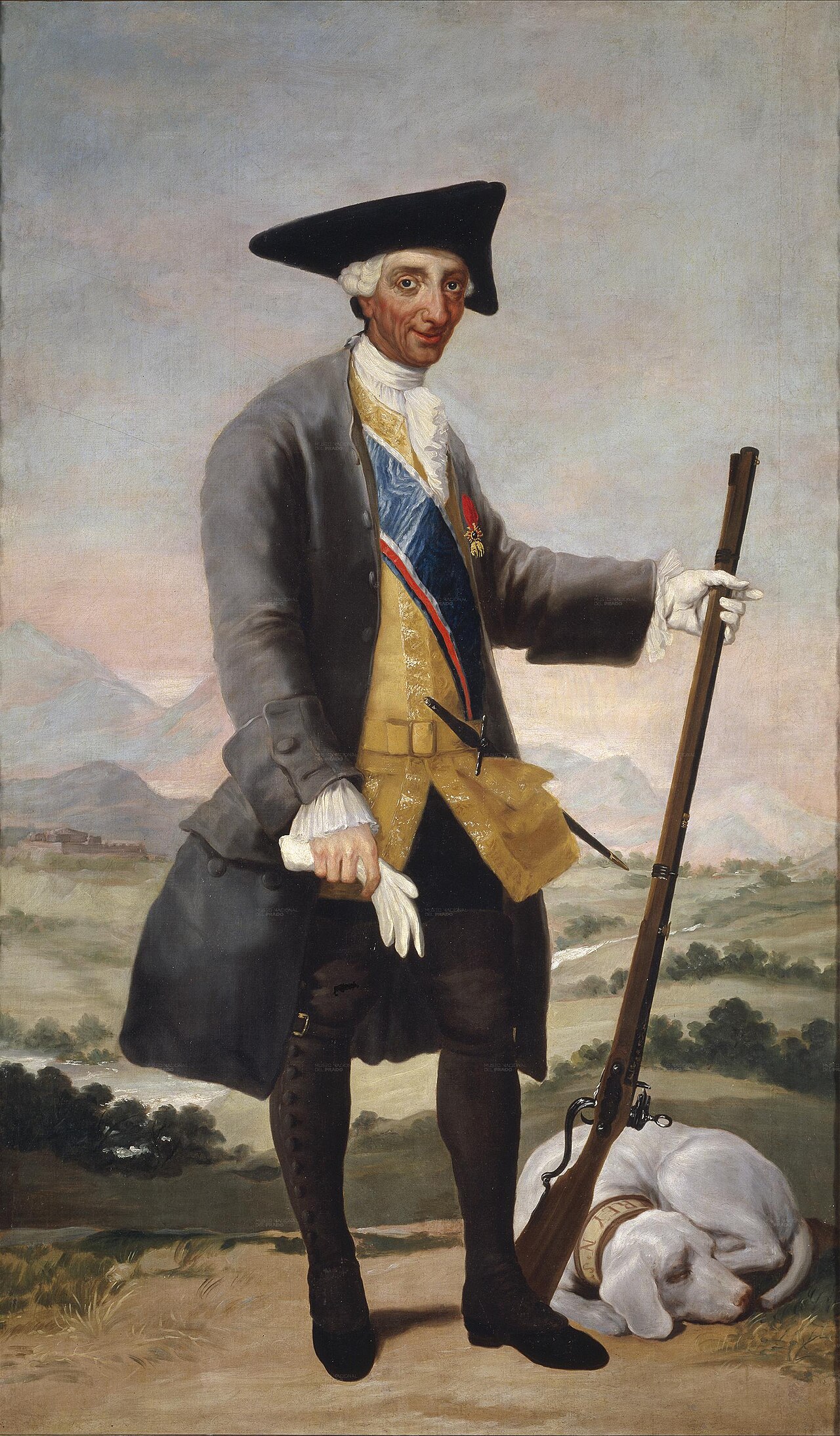
Charles III in Hunting Dress
Francisco Goya · 1786
 Painting
Primary source
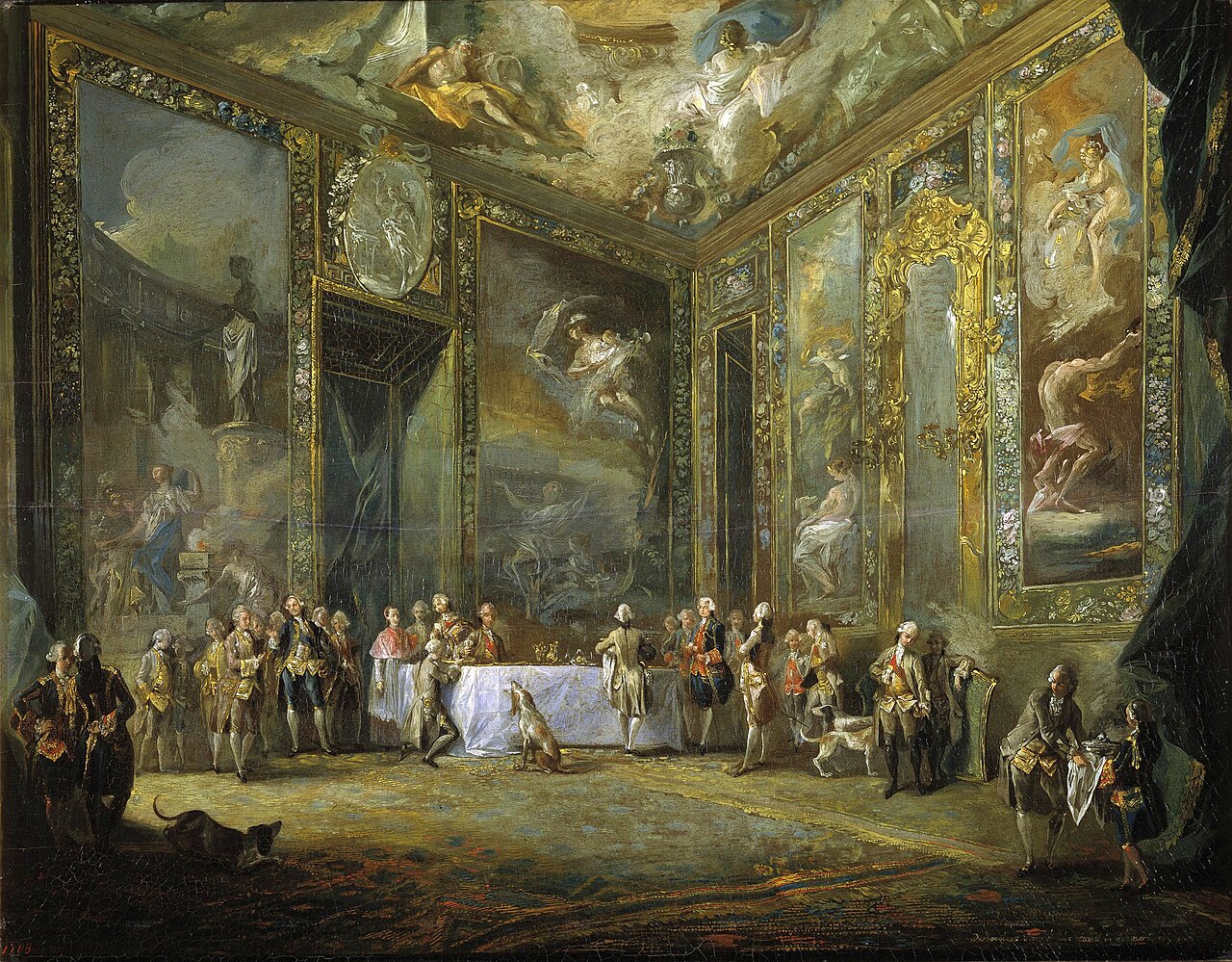
Charles III dining before the Court
Luis Paret y Alcázar · 1775
Free account
Read every Charles III of Spain source
Sign up free →
Ready when you are
Start chatting with Charles III of Spain now.
20 messages free · No credit card · Available in 50+ languages.