


Primary sourceArtifact1760
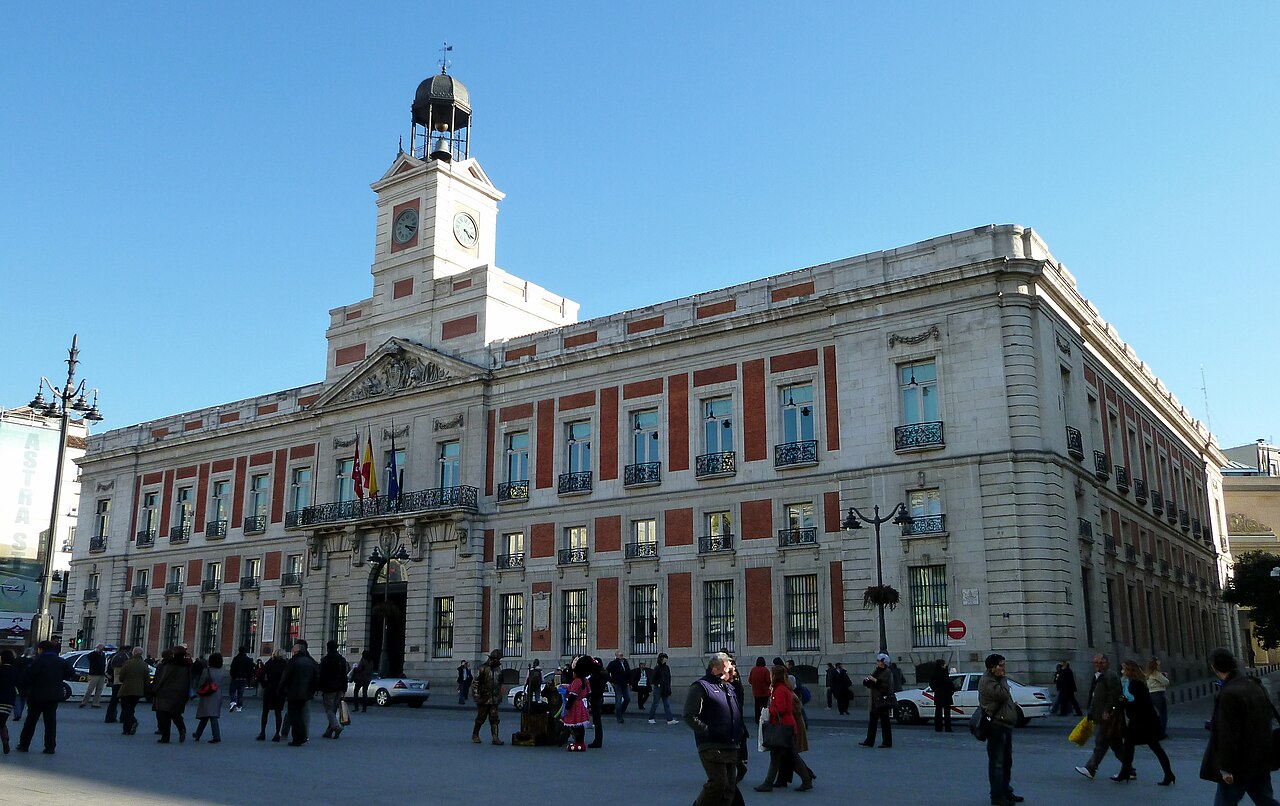
Royal Post Office
Jacques Marquet · 1760
A royal post office in Madrid commissioned by Charles III in 1760 to centralize Spain's postal service.
Charles III commissioned this post office in Madrid as part of his modernization of Spain's administration.
Free Humy account · No credit card · 118,535 sources to read
About this source
What it is
The Royal House of the Post Office (Real Casa de Correos) is an eighteenth-century building on the Puerta del Sol in Madrid. It was designed by the French architect Jacques Marquet and built for the postal service beginning in the late 1760s, after Charles III came to the throne in 1760. Today it serves as the office of the President of the Community of Madrid.
Why it matters
Charles III is remembered for modernizing Spain's administration, and this building shows that effort in action: centralizing the postal service in a grand new structure. The building's later history, including use during the Franco era, shows how the same site can serve very different governments over time.
Look closer
- Why might a king want to build an impressive headquarters for the postal service?
- What does the building's location and design tell us about its importance to the city?
- What other purposes has this building served, and what does that tell us about change over time?
This artifact is part of the curated material that grounds the AI version of Charles III of Spain on Humy.ai — when students ask about related events, the AI can quote it and cite it.
More Charles III of Spain sources
Browse all 94 →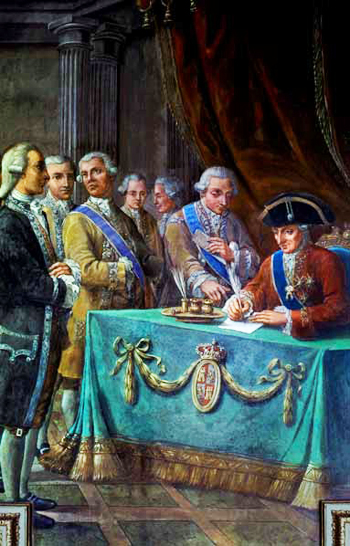 Document
Secondary source
Free Trade Regulations
Pere Pau Muntanya · 1778
 Painting
Primary source
Charles III
Anton Raphael Mengs · 1767
 Painting
Primary source
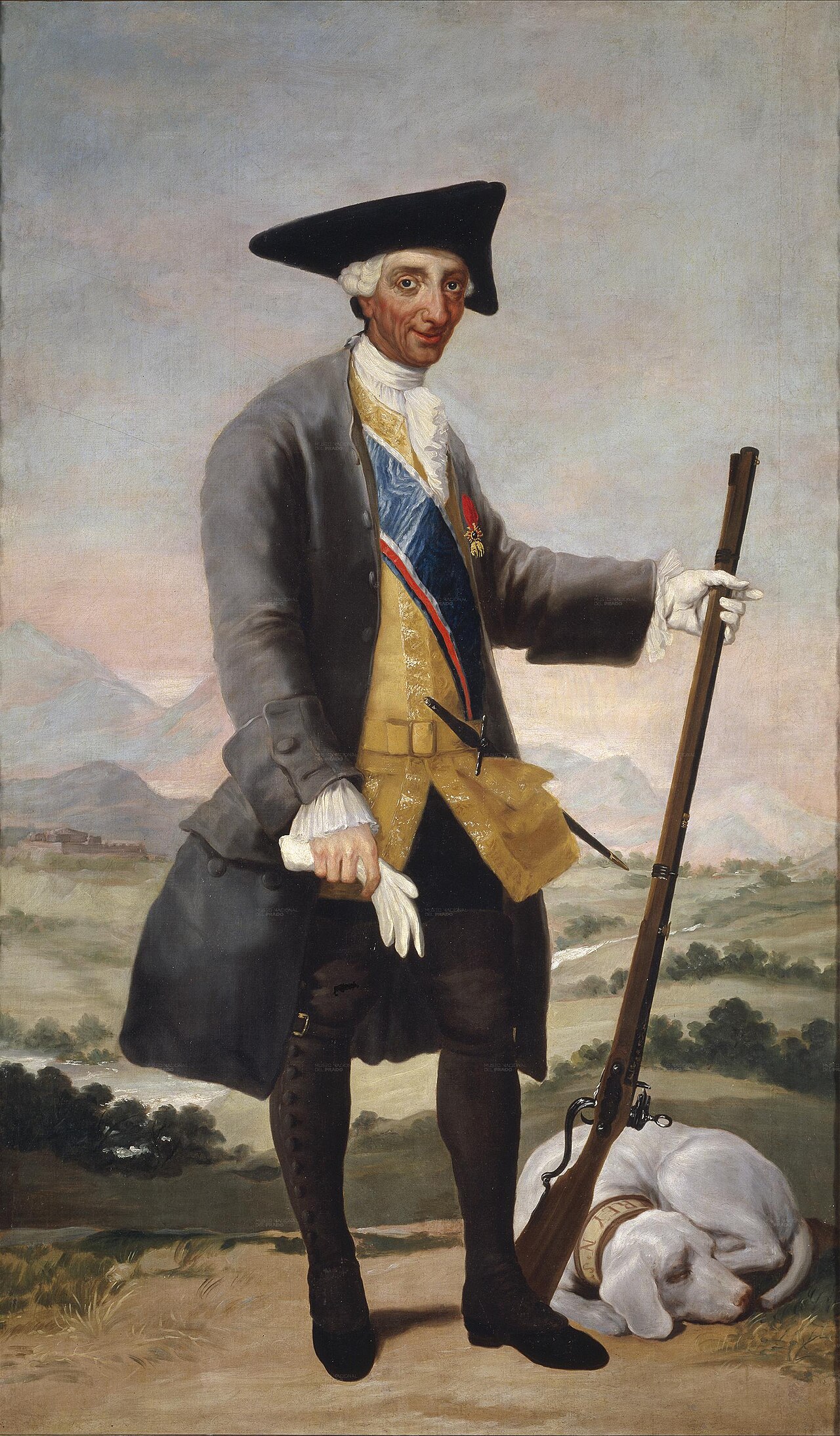
Charles III in Hunting Dress
Francisco Goya · 1786
 Painting
Primary source
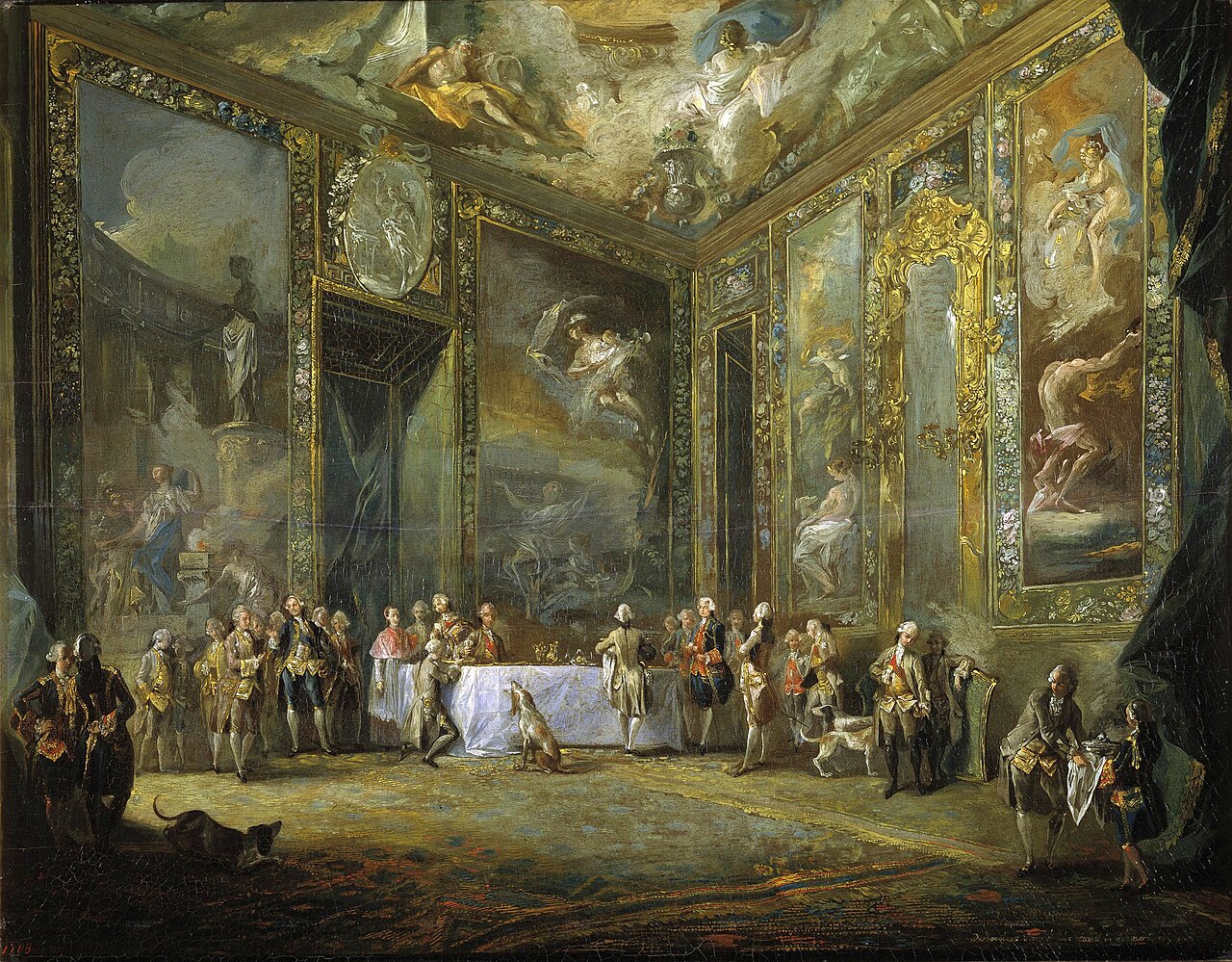
Charles III dining before the Court
Luis Paret y Alcázar · 1775
Free account
Read every Charles III of Spain source
Sign up free →
Ready when you are
Start chatting with Charles III of Spain now.
20 messages free · No credit card · Available in 50+ languages.