


Primary sourceDocument1660
Royal Society of London Founding Charter
1660
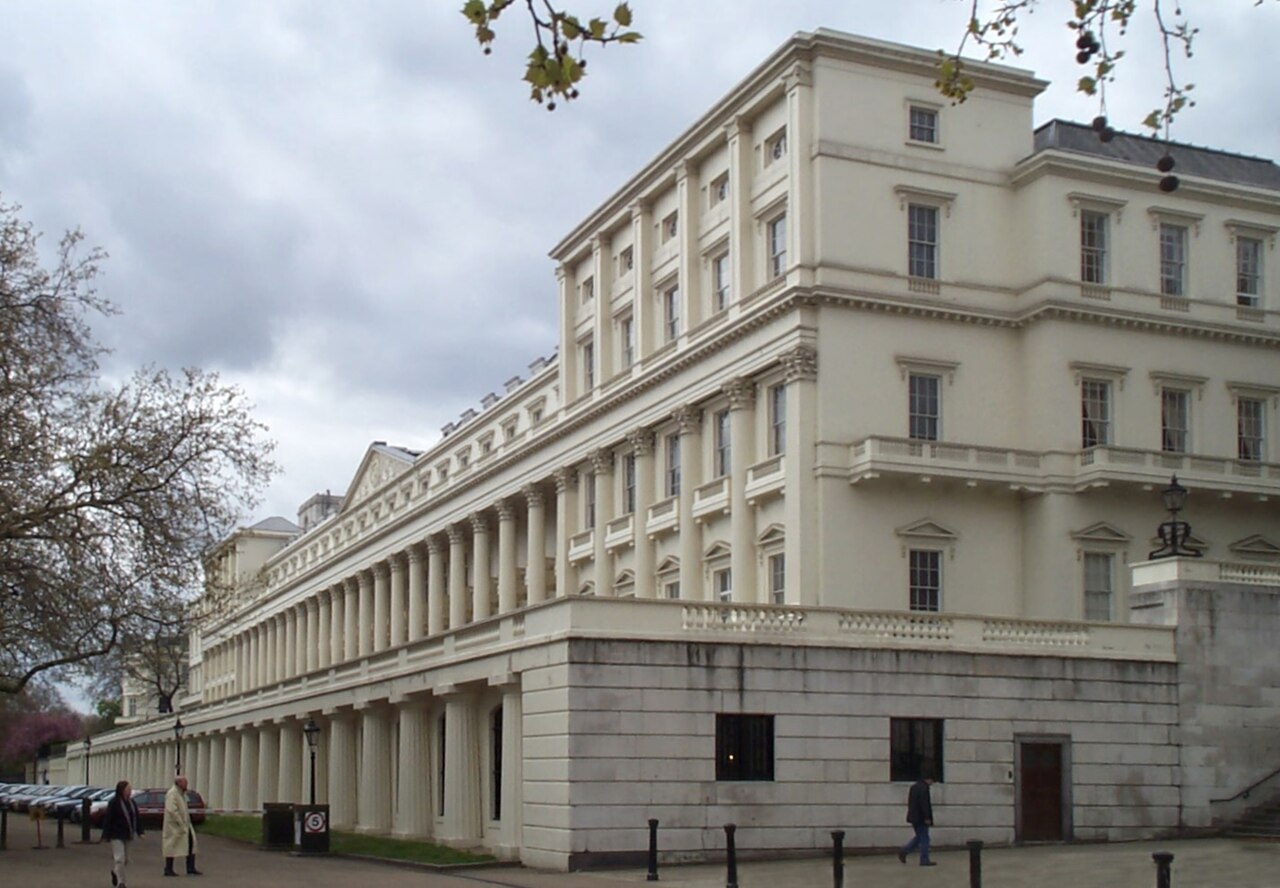
The royal charter and institution of the Royal Society, founded in 1660, which named Boyle to its original governing council.
Boyle was named among the founding council members of the Royal Society under its 1660 charter.
About this source
What it is
The Royal Society of London is a learned society for science, founded on 28 November 1660 and granted a royal charter by King Charles II. It grew out of earlier informal gatherings of natural philosophers, including a group sometimes called the "Invisible College" that Boyle described in his own letters of the 1640s.
Why it matters
Robert Boyle was one of the founding members named to the Society's first council, alongside figures such as Christopher Wren and John Wilkins. The Society became the most important institution for sharing and testing new scientific ideas in Britain, and Boyle used it to publish and discuss his experiments. Its founding shows how science was becoming an organised, collective activity rather than the work of isolated individuals.
Look closer
- Why might scientists of this period have wanted to form an official, chartered society?
- What does the building's grand design tell you about how the Society wanted to be seen?
- Who got to join institutions like this, and who was left out?
This document is part of the curated material that grounds the AI version of Robert Boyle on Humy.ai — when students ask about related events, the AI can quote it and cite it.
More Robert Boyle sources
Browse all 67 →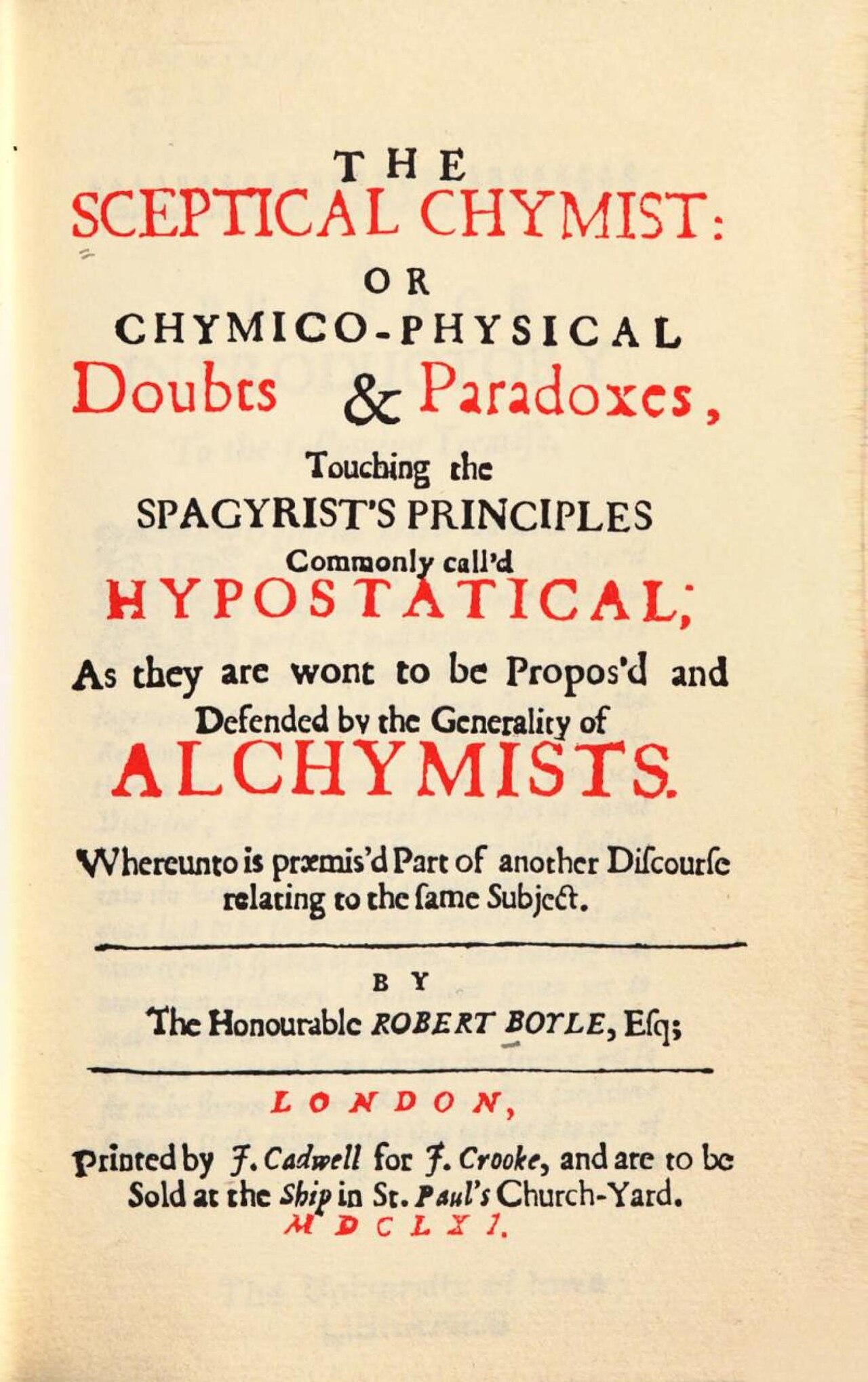 Book
Primary source
The Sceptical Chymist
Robert Boyle · 1661
 Painting
Primary source
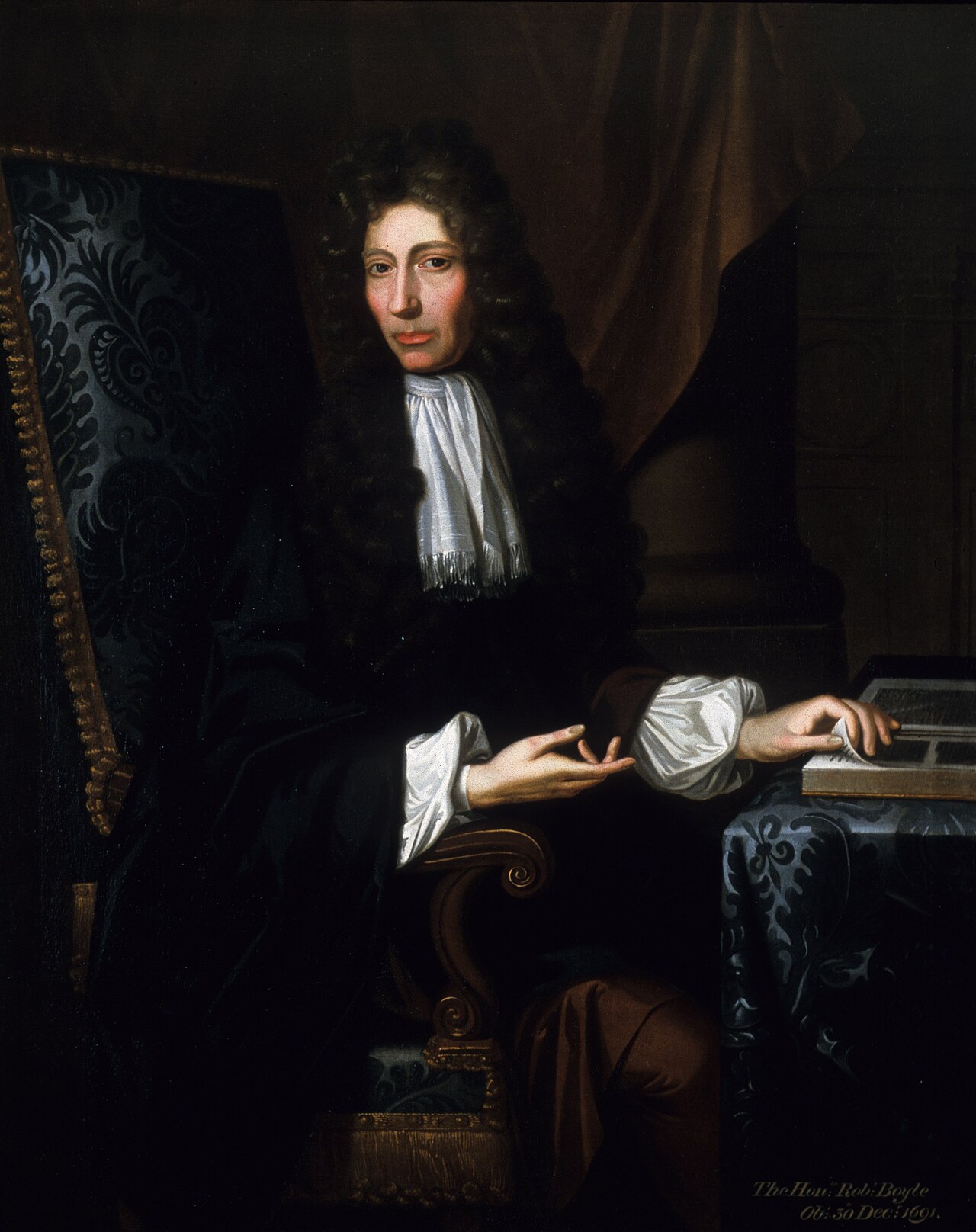
The Shannon Portrait of the Hon. Robert Boyle
Johann Kerseboom · 1689
 Document
Primary source
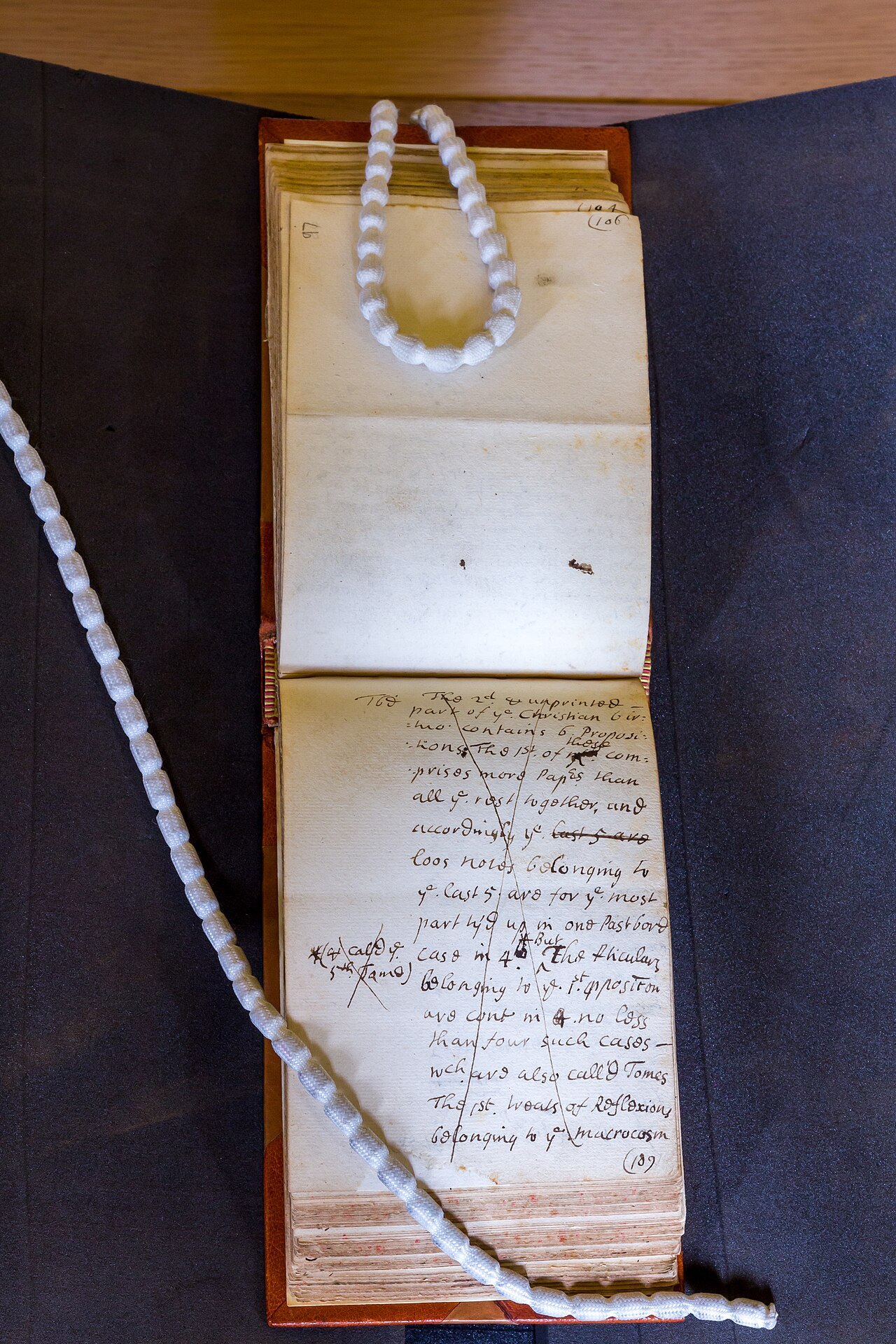
Boyle Papers
Robert Boyle · c. 1645-1691
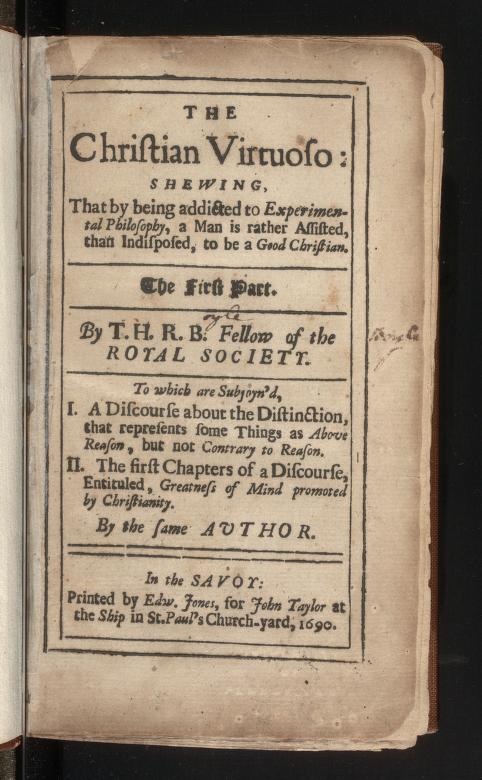 Book
Primary source
The Christian Virtuoso
Robert Boyle · 1690
Free account
Read every Robert Boyle source
Sign up free →
Ready when you are
Start chatting with Robert Boyle now.
20 messages free · No credit card · Available in 50+ languages.