


Secondary sourceArtifact1720
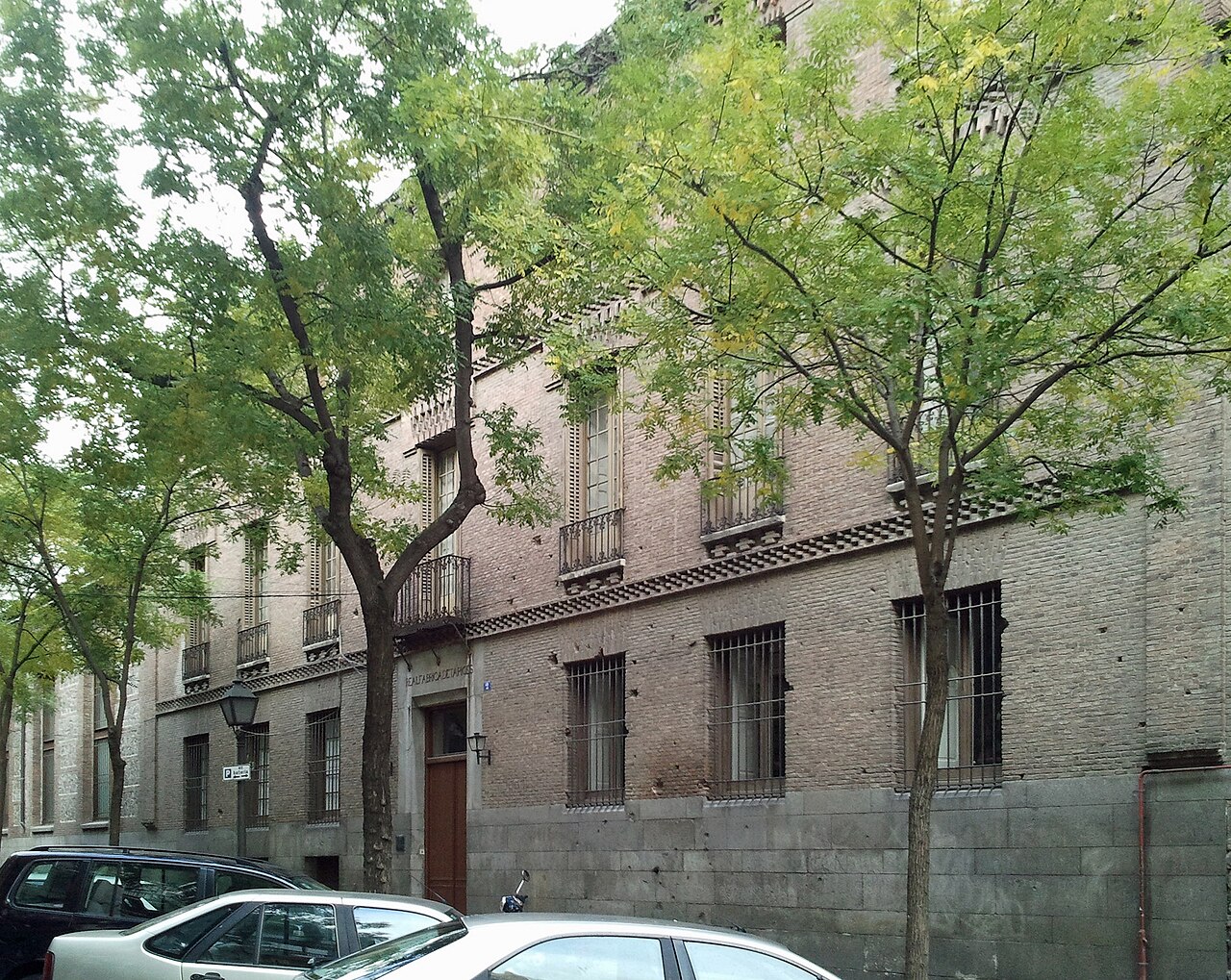
Royal Tapestry Factory
1720
A royal manufactory in Madrid founded by Philip V in 1720 to produce tapestries for the Spanish court, modeled on the French Gobelins.
Founded by Philip V in 1720 as part of his Bourbon-style royal manufacturing policy.
About this source
What it is
The Royal Tapestry Factory (Real Fábrica de Tapices de Santa Bárbara) in Madrid was founded in 1720 by Philip V after Spain lost its Belgian tapestry workshops under the Peace of Utrecht. A master weaver was brought from Antwerp, and the Vandergoten family managed it in its early years. It still operates today, producing tapestries and carpets.
Why it matters
The factory shows the mercantilist policies of the early Bourbon monarchy, which copied French royal manufactures to supply luxury goods to the court. Over the centuries artists such as Francisco Goya, and later Picasso and Dalí, provided designs for its tapestries, linking the factory to generations of Spanish art.
Look closer
- Why might a king want to set up his own factory instead of buying tapestries from abroad?
- What does founding this factory tell you about Philip's relationship with France?
- How did the purpose and style of the factory's work change over the centuries?
This artifact is part of the curated material that grounds the AI version of Philip V of Spain on Humy.ai — when students ask about related events, the AI can quote it and cite it.
More Philip V of Spain sources
Browse all 93 →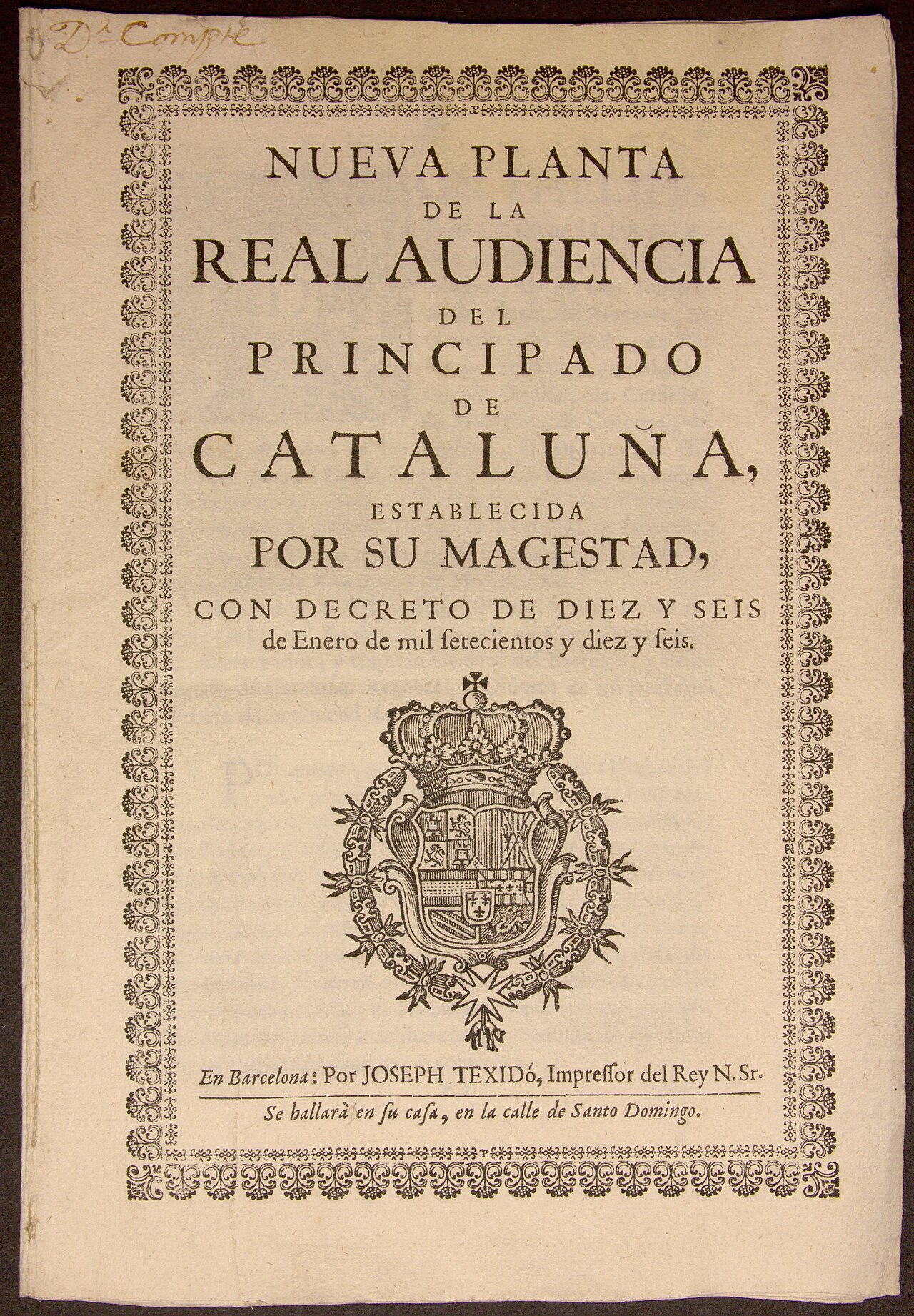 Document
Primary source
Nueva Planta Decrees
Philip V of Spain · 1707–1716
DocumentPrimary source
Nueva Planta Decree of the Principality of Catalonia
Philip V of Spain · 1716
 Document
Primary source
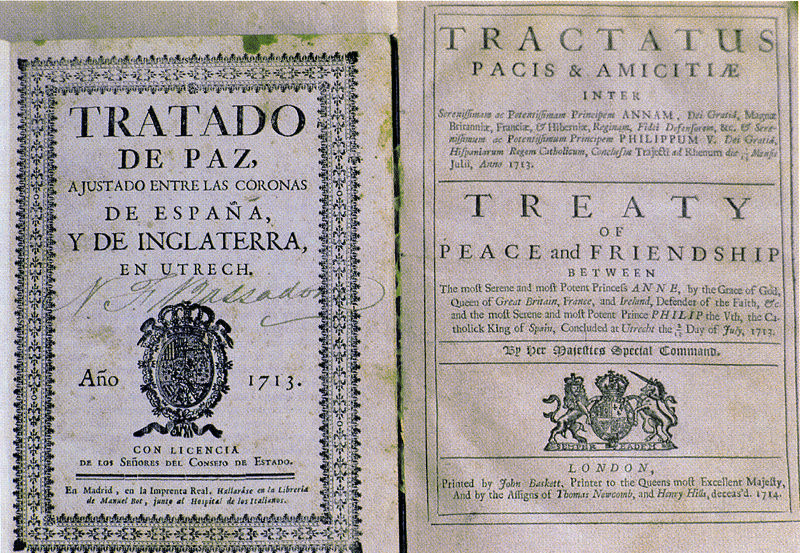
Peace of Utrecht
1713-1715
 Painting
Primary source
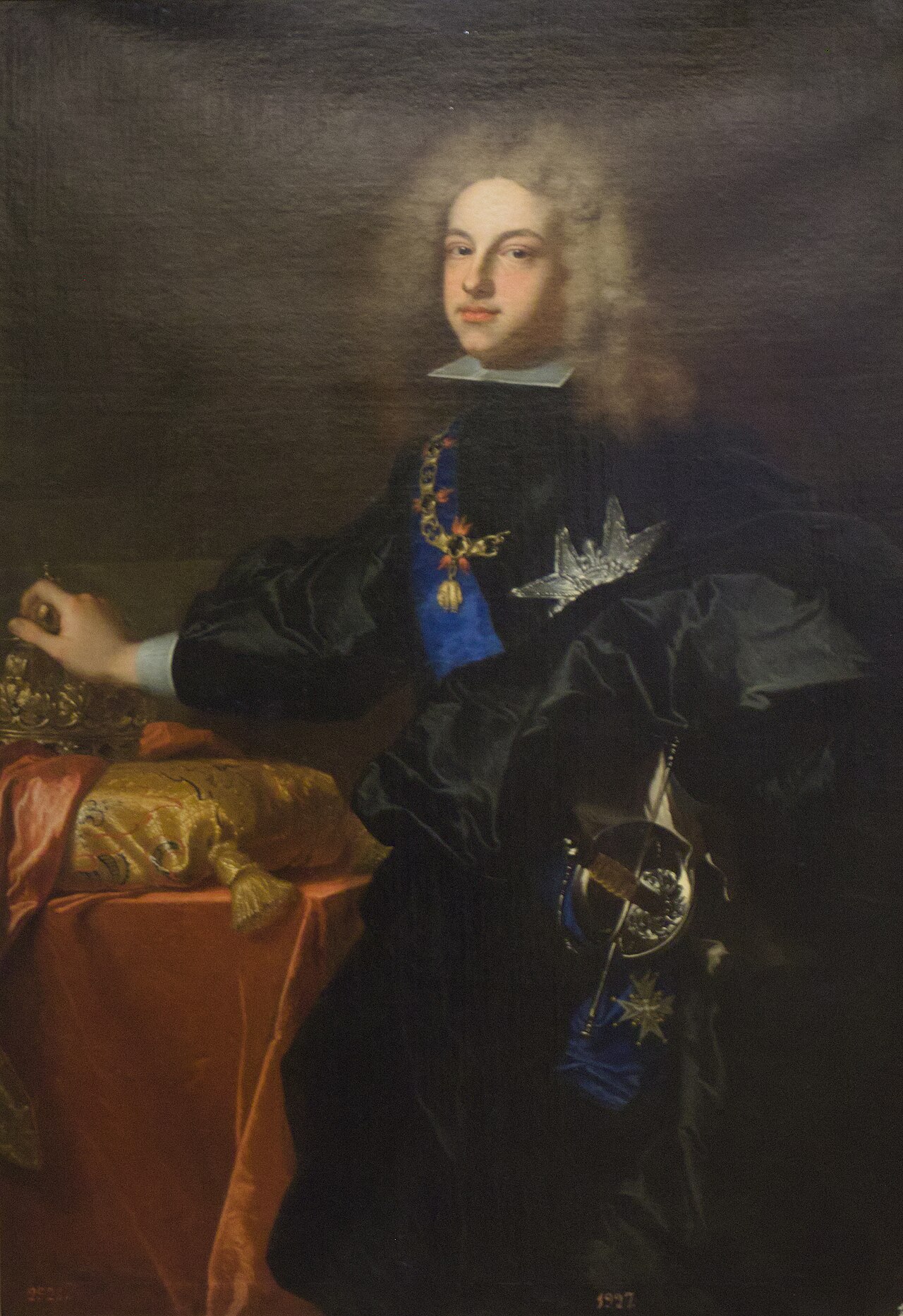
Philip V, King of Spain
Hyacinthe Rigaud · 1701
Free account
Read every Philip V of Spain source
Sign up free →
Ready when you are
Start chatting with Philip V of Spain now.
20 messages free · No credit card · Available in 50+ languages.