


Primary sourceArtifactViking Age
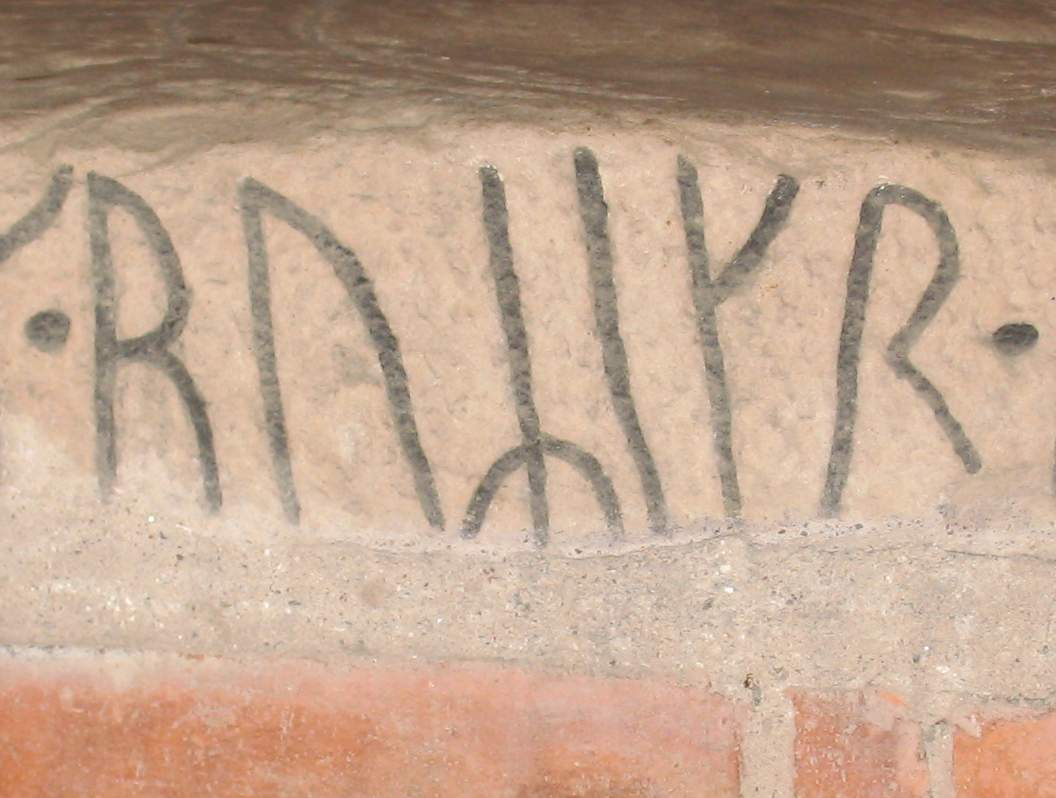
Runestone U 413
Berig · Viking Age
A Viking Age runestone from Sweden carved with the name Hrœrekr, showing that the name Rurik was a genuine Scandinavian name of the era.
The runestone shows that the name Hrœrekr, the Norse original of Rurik, was a real Viking Age name.
About this source
What it is
This is a fragment of a Viking Age runestone, known as U 413, originally raised in Uppland, Sweden. It was later reused as building material in the church of Norrsunda, where only part of its carving survives. The surviving runes spell the Old Norse name Hrœrekr.
Why it matters
The stone does not mention the historical Rurik directly, but it proves that his name was a real, commonly used Scandinavian name during the Viking Age. This helps historians support the idea that Rurik, the Varangian chieftain linked to the founding of Rus', could have carried an authentic Norse name rather than an invented later title.
Look closer
- What does it mean that a monument meant to honour someone ended up being reused as construction material?
- Why might historians use small pieces of evidence like a single carved name to support bigger historical arguments?
- What is missing from this stone that would make it more useful as evidence?
This artifact is part of the curated material that grounds the AI version of Rurik on Humy.ai — when students ask about related events, the AI can quote it and cite it.
More Rurik sources
Browse all 54 →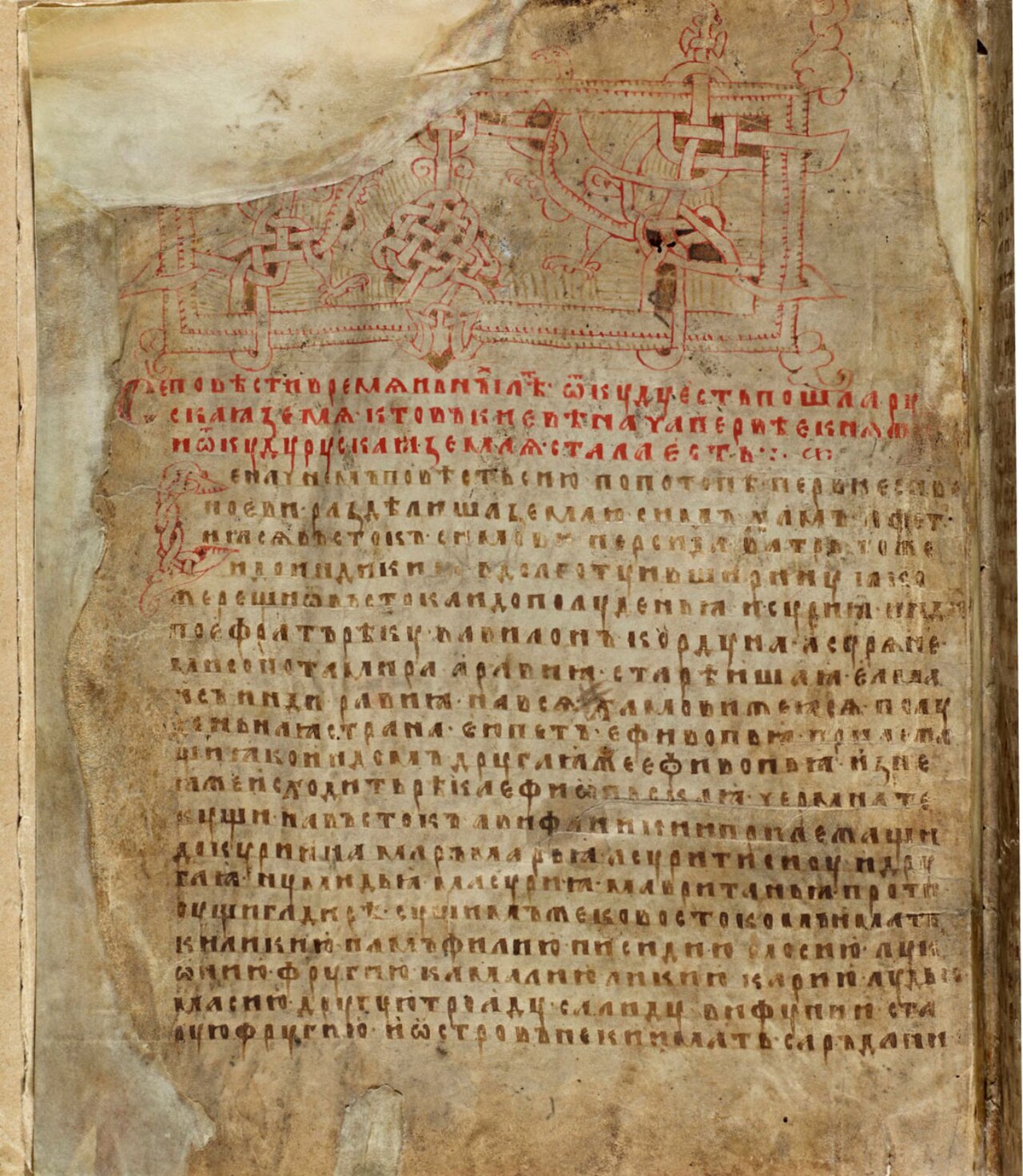 Document
Secondary source
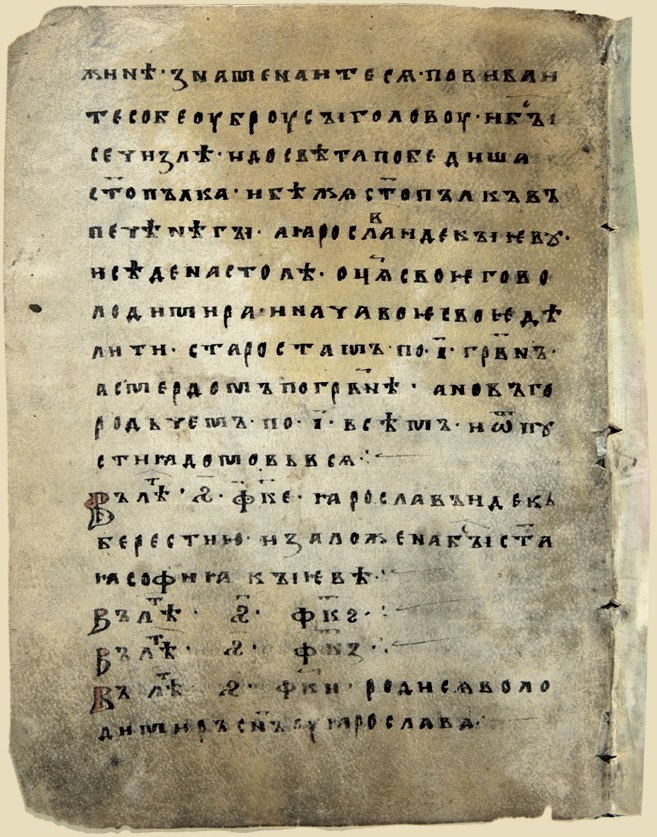
Laurentian Codex
Laurentius · 1377
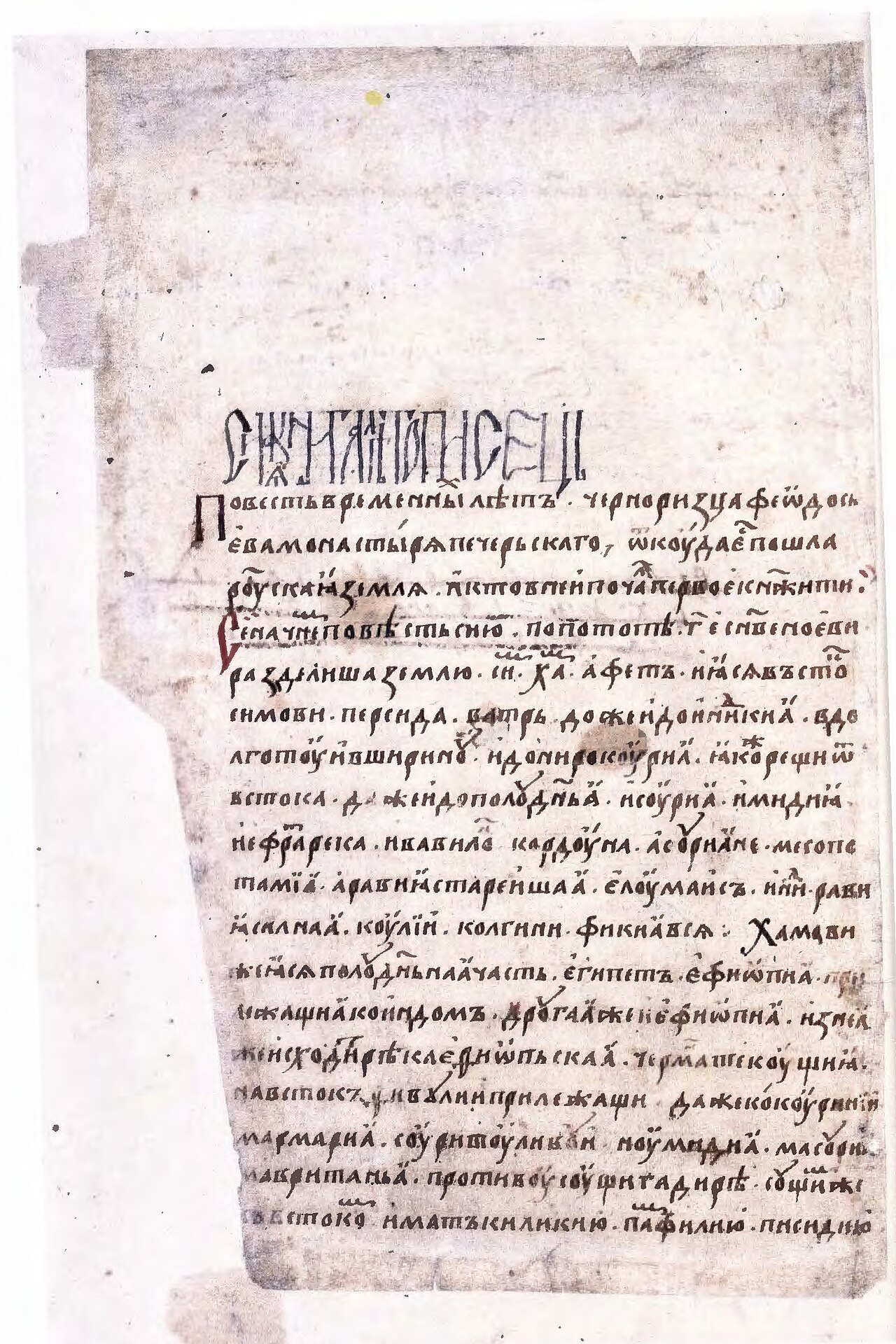 Painting
Secondary source
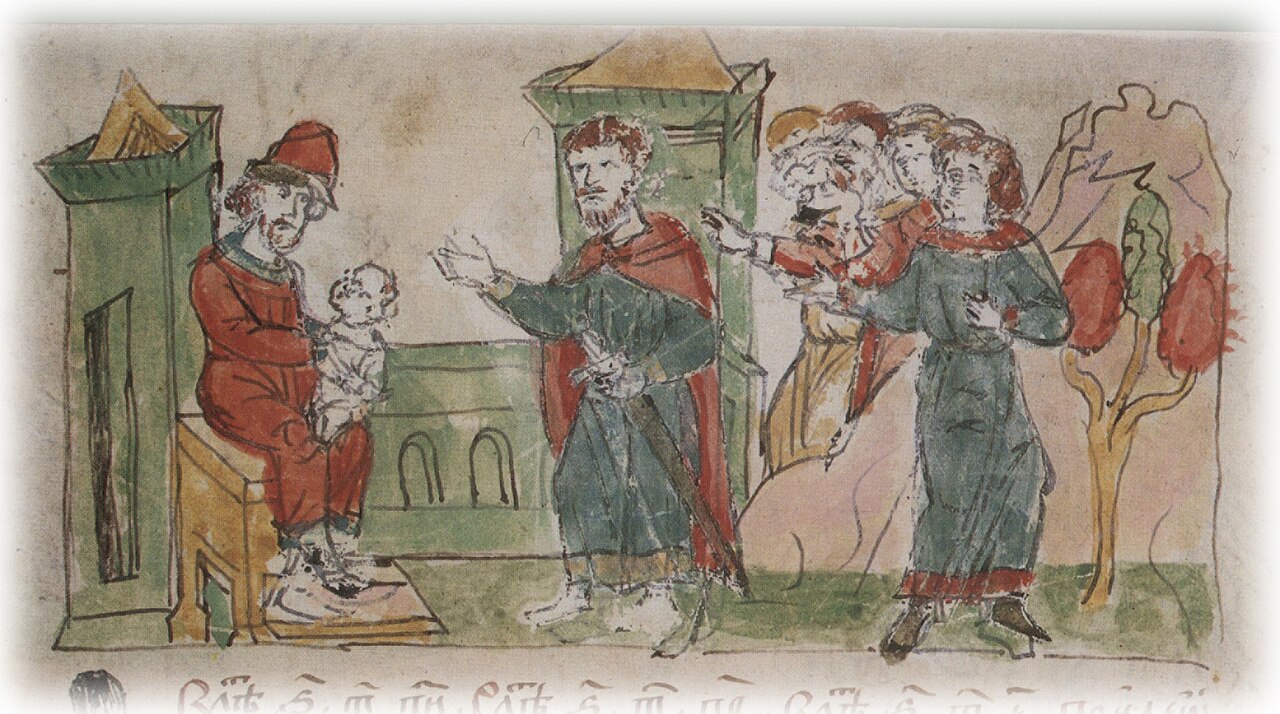
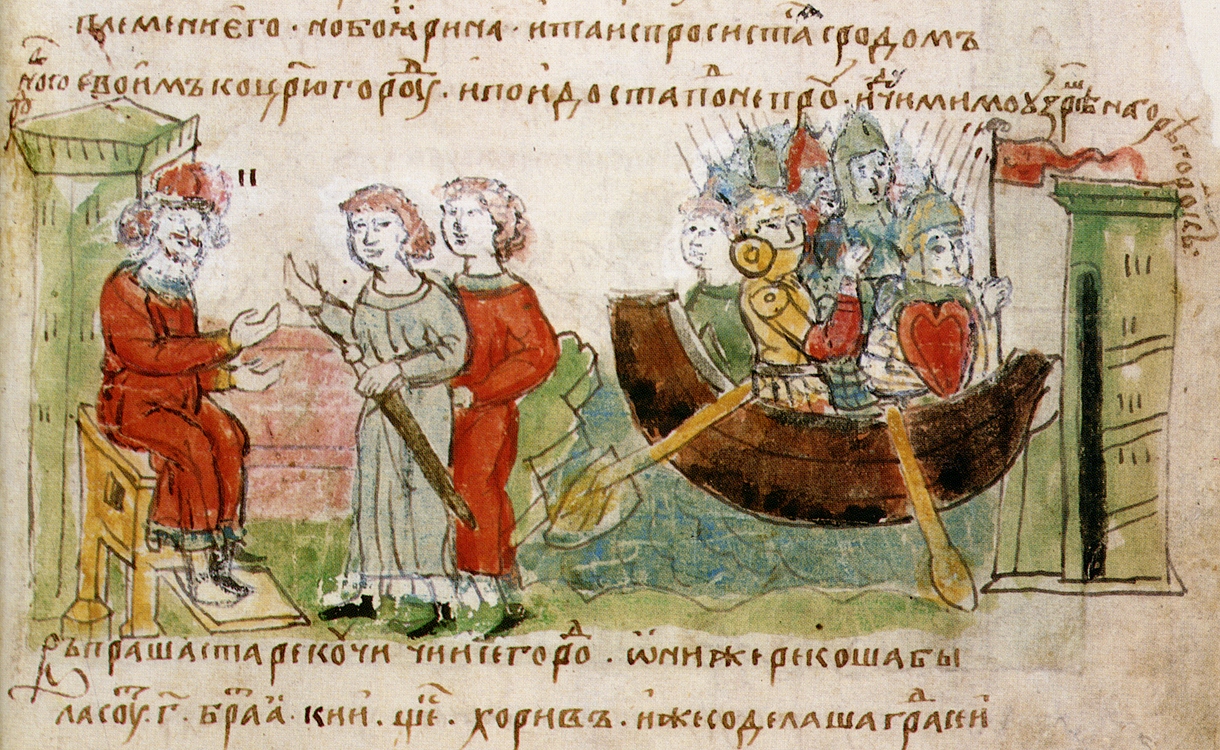
Radziwiłł Chronicle
c. 1500 (copy of a 13th-century original)
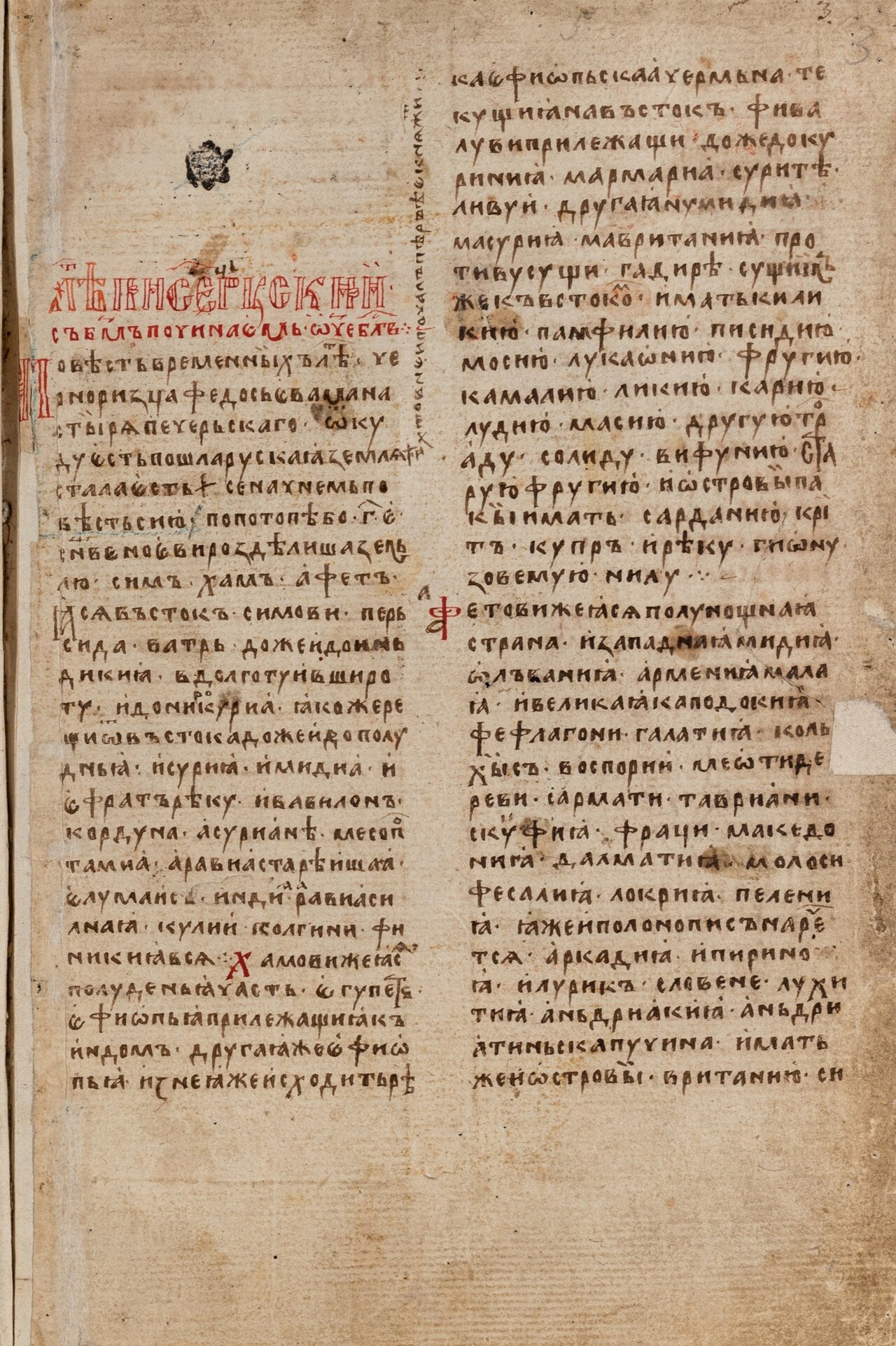 Document
Secondary source
Hypatian Codex
c. 1425
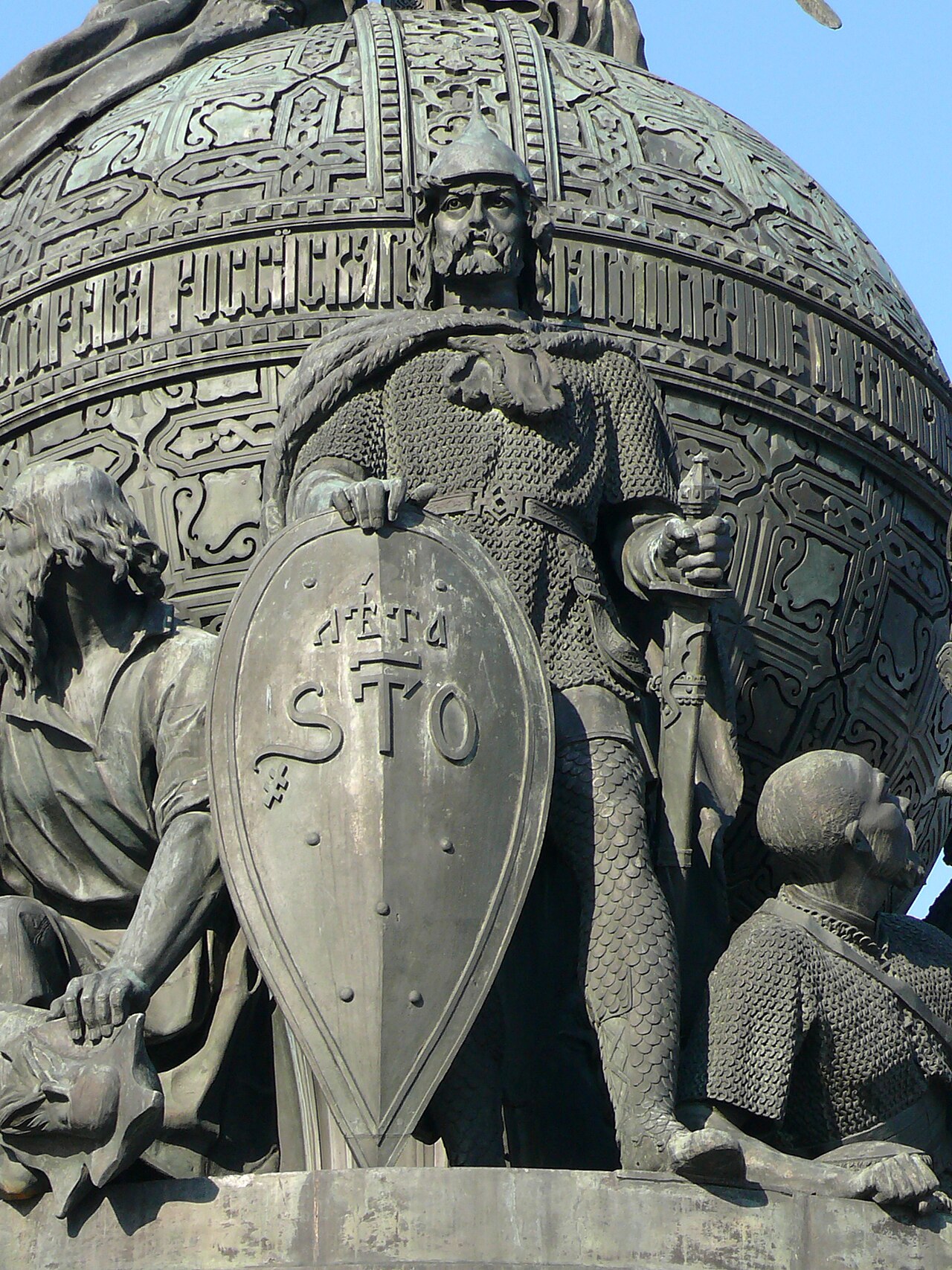 Sculpture
Secondary source
Rurik on the Millennium of Russia Monument
1862
Free account
Read every Rurik source
Sign up free →
Ready when you are
Start chatting with Rurik now.
20 messages free · No credit card · Available in 50+ languages.