


Secondary sourceSculpture2004 (monument); photographed 23 October 2010
Rurik Stone (Kamen Rurika)
2004 (monument); photographed 23 October 2010
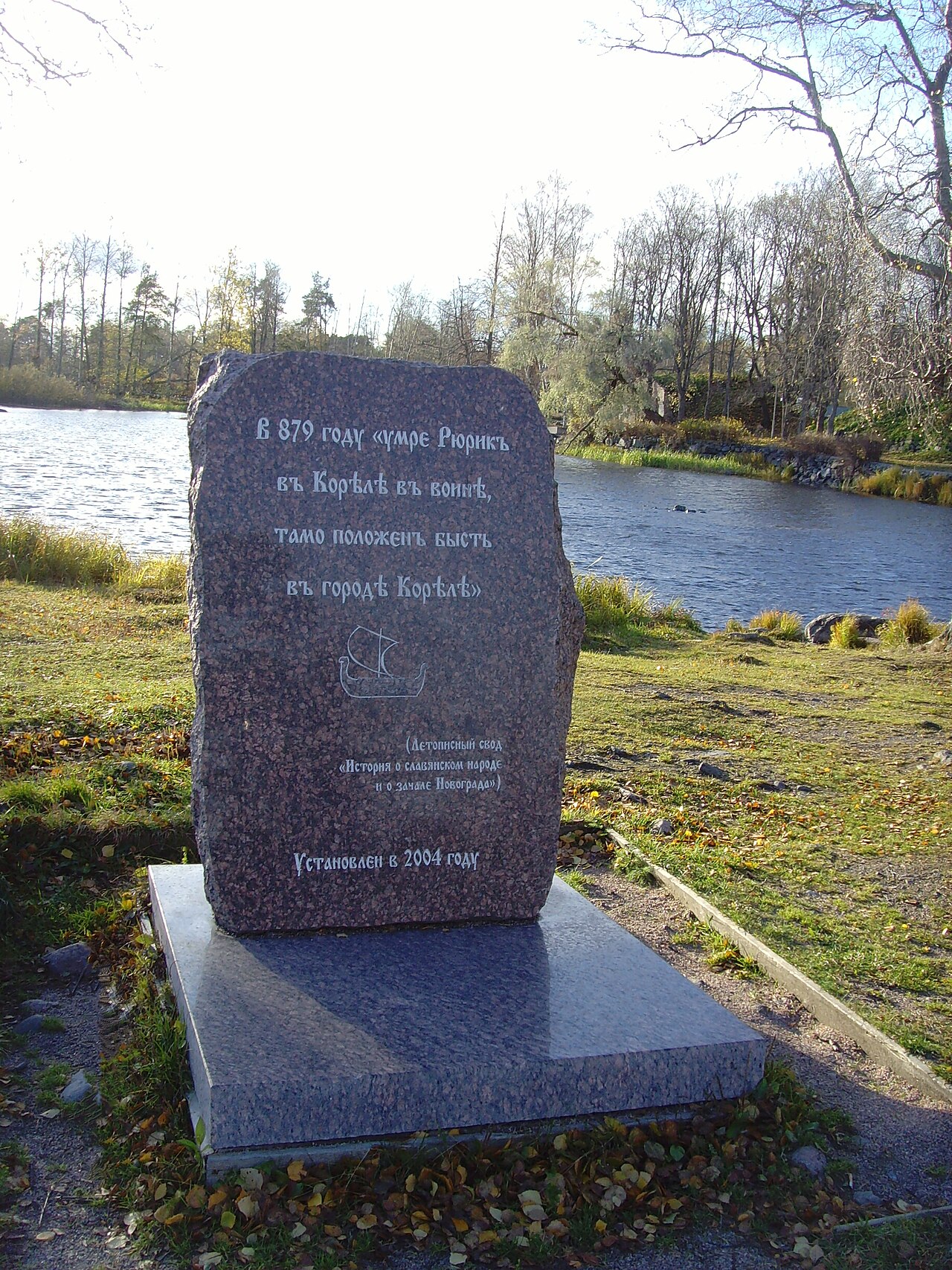
A modern memorial stone commemorating Rurik, inscribed with text about his death and a carved ship.
A modern memorial stone commemorating Rurik's death, reflecting how he is remembered in Russian tradition.
About this source
What it is
This photograph from 2010 shows the Rurik Stone, a granite memorial erected in 2004. It bears an inscription in Old Russian Cyrillic stating that Rurik died in Korela in 879, along with a carved outline of a ship.
Why it matters
The stone is a modern act of commemoration, not an artifact from Rurik's own era. It shows how later generations in Russia have chosen to remember Rurik as a founding figure, using symbols like the ship to recall his Varangian, seafaring origins.
Look closer
- Why might people in 2004 have wanted to build a monument to someone who lived over a thousand years earlier?
- What does the choice of a ship carving suggest about how Rurik is remembered?
- How reliable is an inscription like this as evidence for where and when Rurik actually died?
This sculpture is part of the curated material that grounds the AI version of Rurik on Humy.ai — when students ask about related events, the AI can quote it and cite it.
More Rurik sources
Browse all 54 →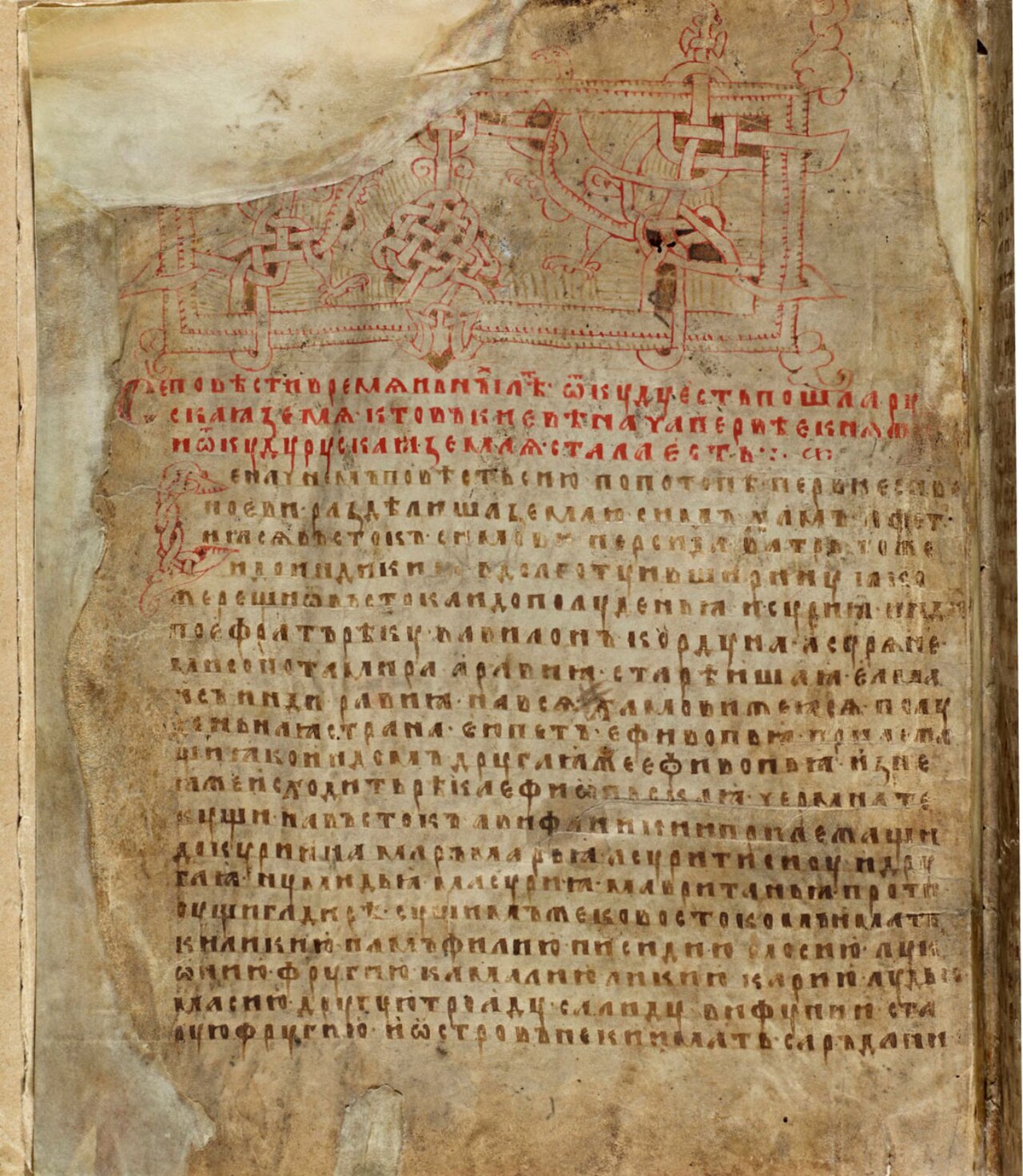 Document
Secondary source
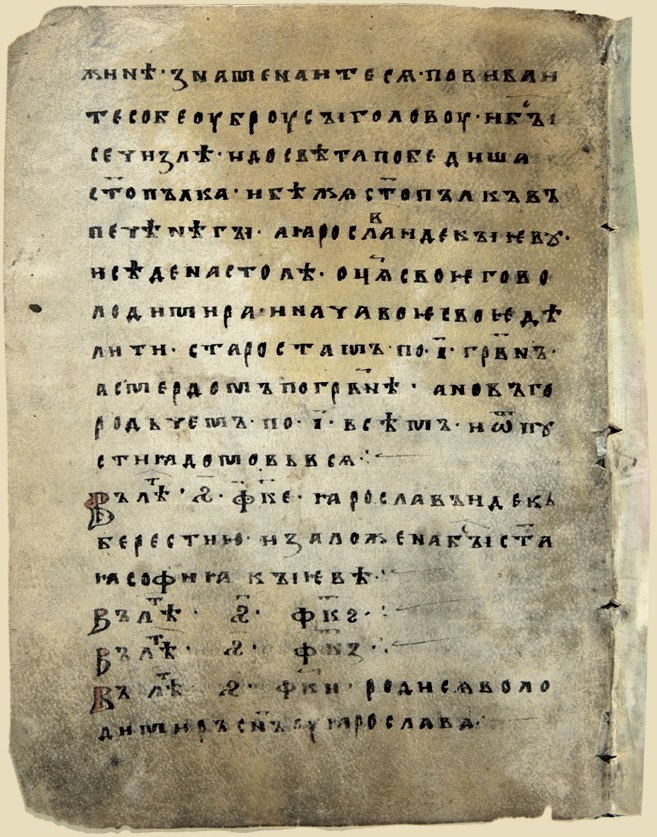
Laurentian Codex
Laurentius · 1377
 Painting
Secondary source
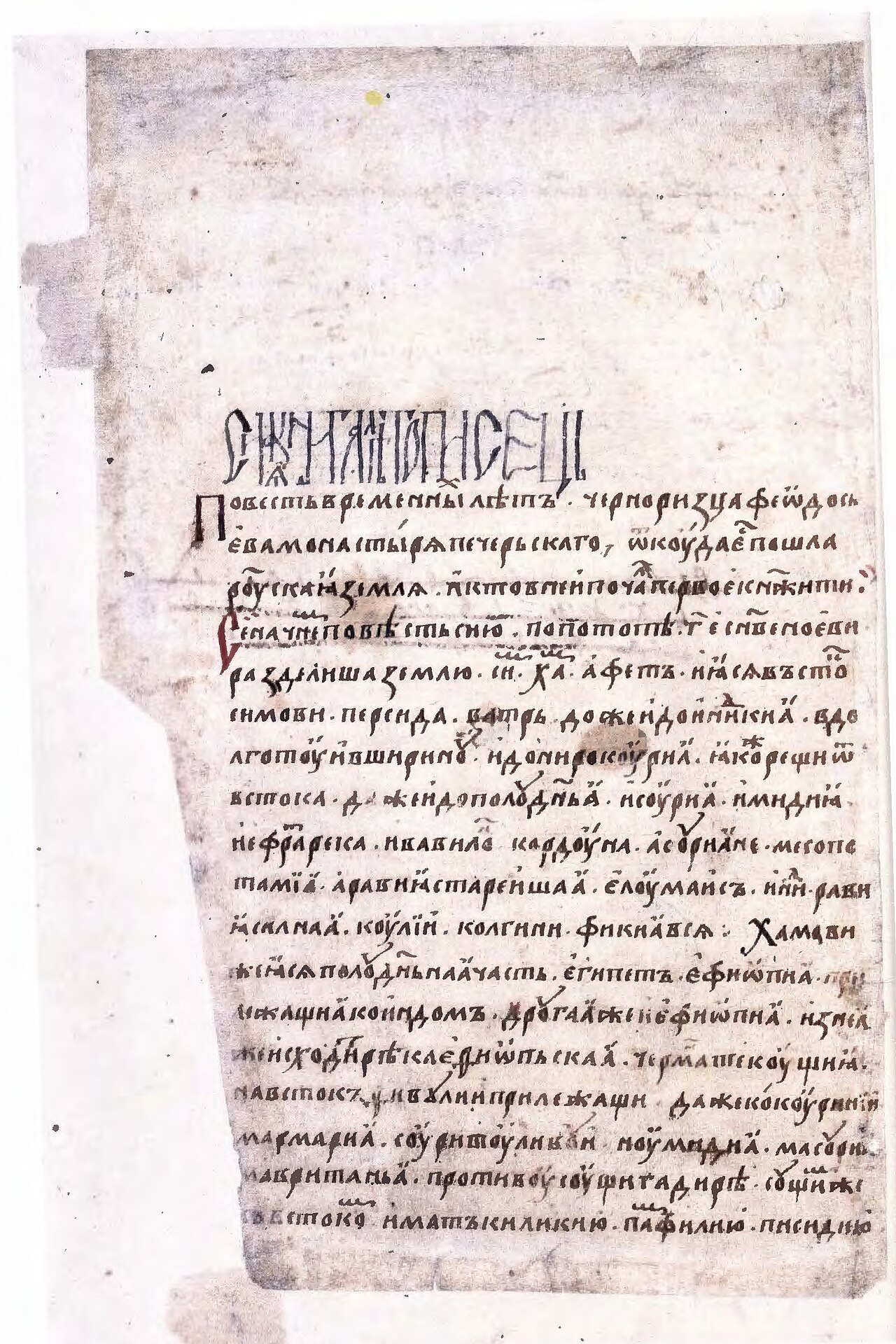
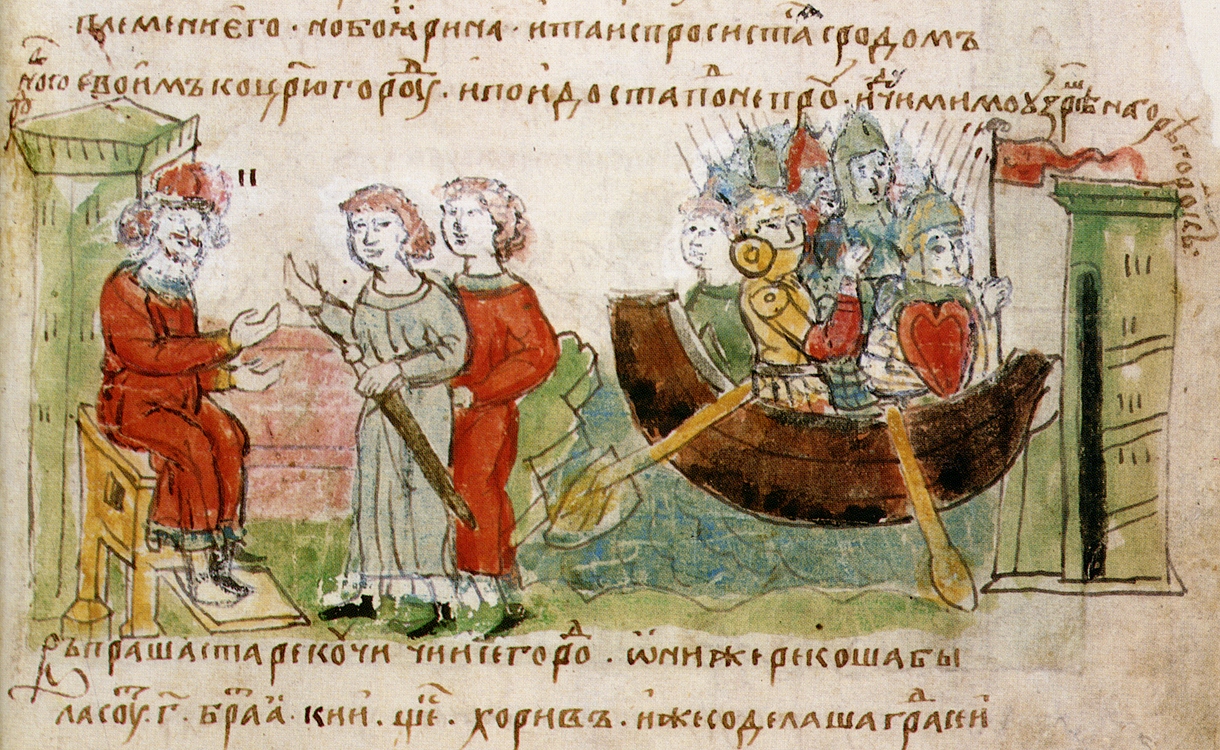
Radziwiłł Chronicle
c. 1500 (copy of a 13th-century original)
 Document
Secondary source
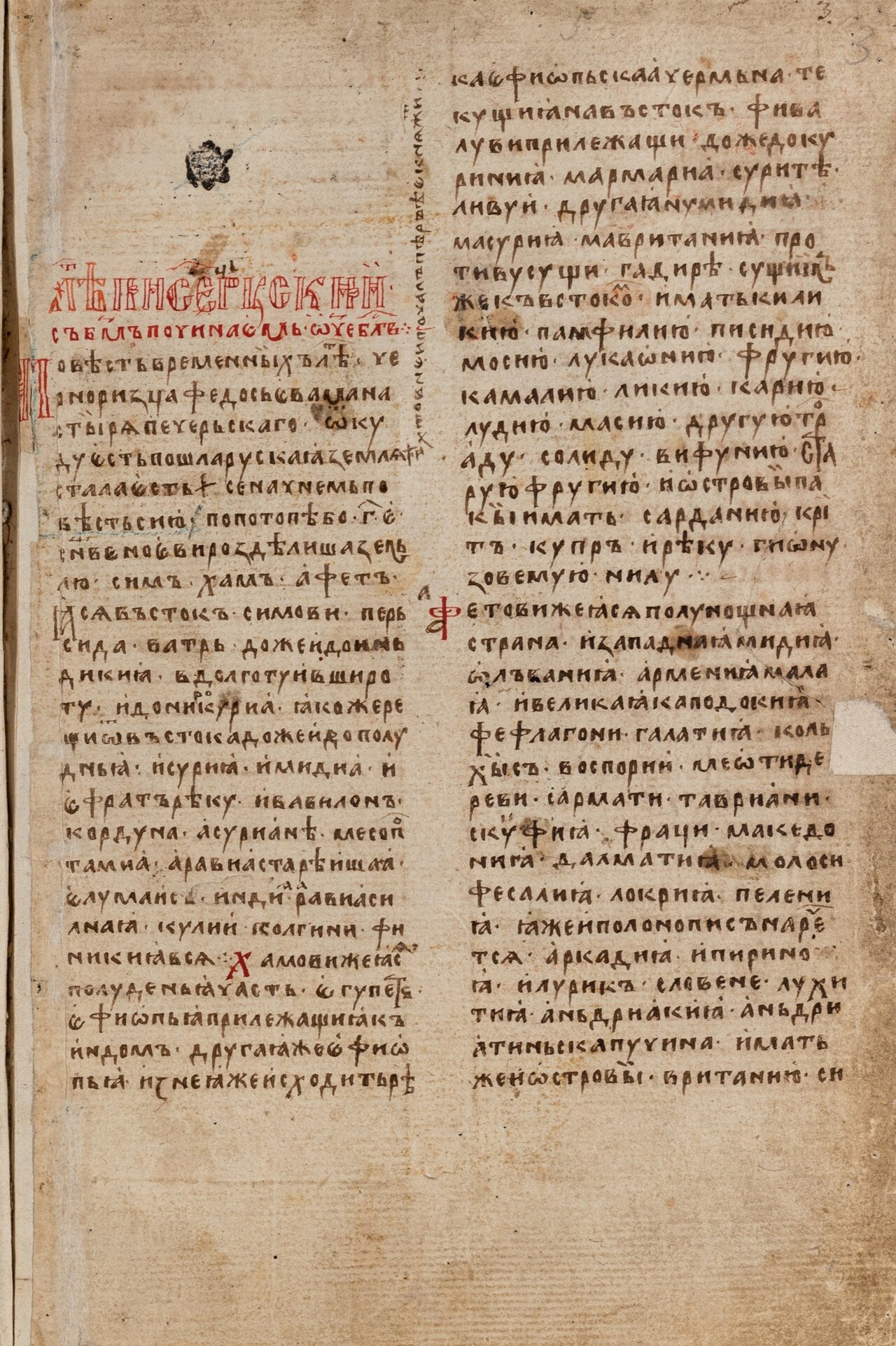
Hypatian Codex
c. 1425
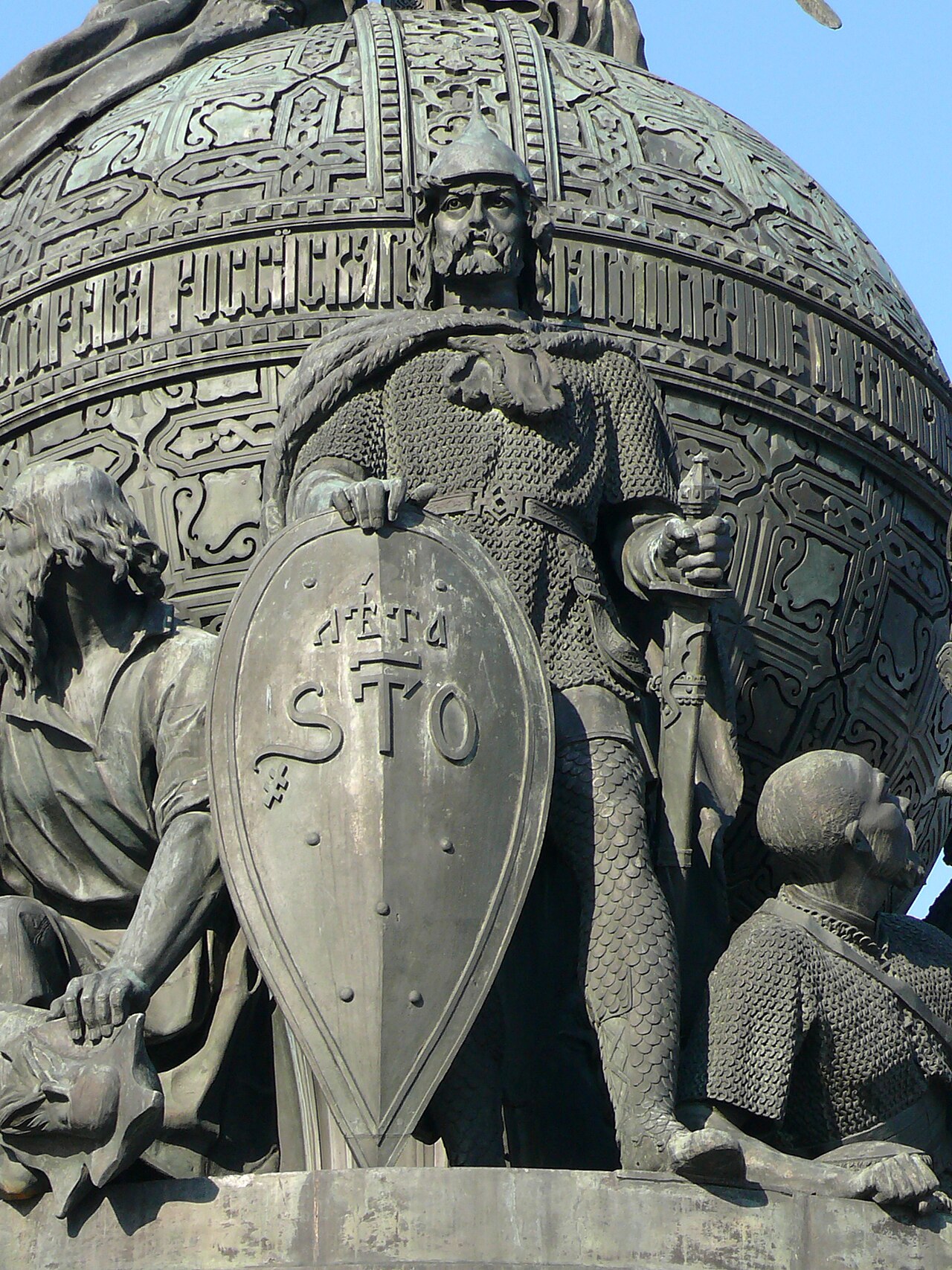 Sculpture
Secondary source
Rurik on the Millennium of Russia Monument
1862

Free account
Read every Rurik source
Sign up free →
Ready when you are
Start chatting with Rurik now.
20 messages free · No credit card · Available in 50+ languages.