


Primary sourceDocument28 April 1817
Rush–Bagot Treaty
Richard Rush and Charles Bagot · 28 April 1817
An 1817 agreement limiting naval forces on the Great Lakes, launched by instructions Monroe gave as Secretary of State.
Monroe, as Secretary of State, set this disarmament policy in motion before the treaty was signed.
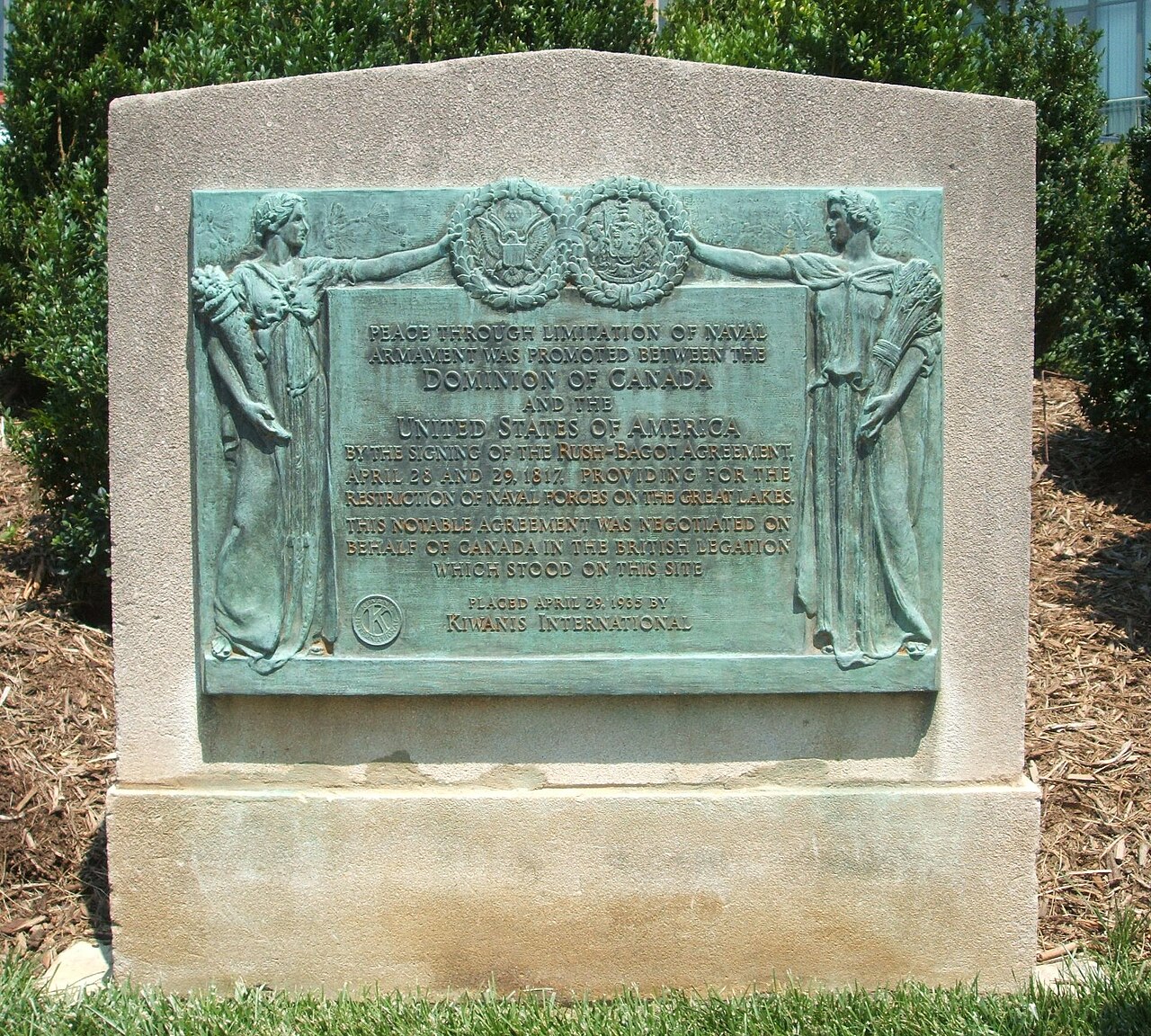
About this source
What it is
The Rush–Bagot Treaty (also called the Rush–Bagot Agreement) was an exchange of notes between the United States and Great Britain signed in April 1817, limiting naval armaments on the Great Lakes and Lake Champlain after the War of 1812. It was negotiated by Acting Secretary of State Richard Rush and British minister Sir Charles Bagot, and ratified by the U.S. Senate in 1818.
Why it matters
The treaty reduced the risk of another war by demilitarizing the border lakes between the United States and British North America. As Secretary of State, James Monroe had instructed John Quincy Adams in 1815 to propose this kind of mutual disarmament, so the agreement reflects the conciliatory policy toward Britain that Monroe pursued even before becoming president. It helped set the pattern for a long peaceful border with Canada.
Look closer
- Why would both countries want to limit warships on lakes they shared?
- What does the long-lasting effect of this short agreement tell you about diplomacy versus war?
- What is not mentioned here about the people who lived around these lakes?
This document is part of the curated material that grounds the AI version of James Monroe and George III on Humy.ai — when students ask about related events, the AI can quote it and cite it.
More James Monroe sources
Meet the AI James Monroe →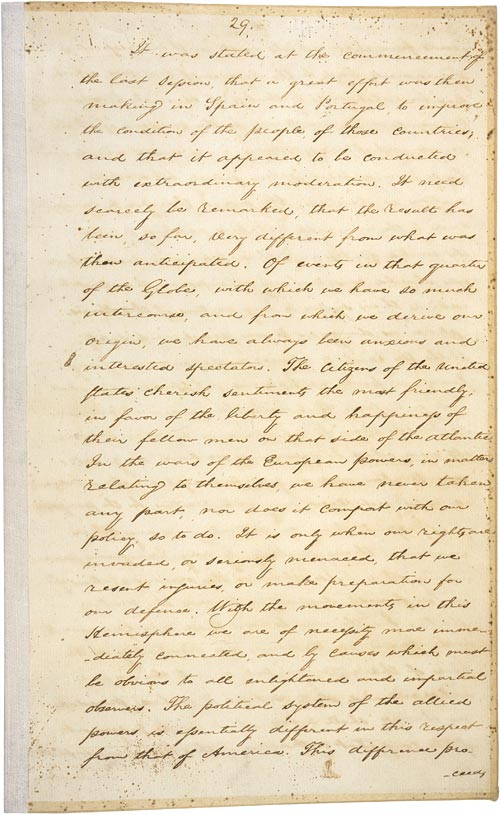 Speech
Primary source
Monroe Doctrine
James Monroe · 2 December 1823
Primary source
Louisiana Purchase Treaty
30 April 1803
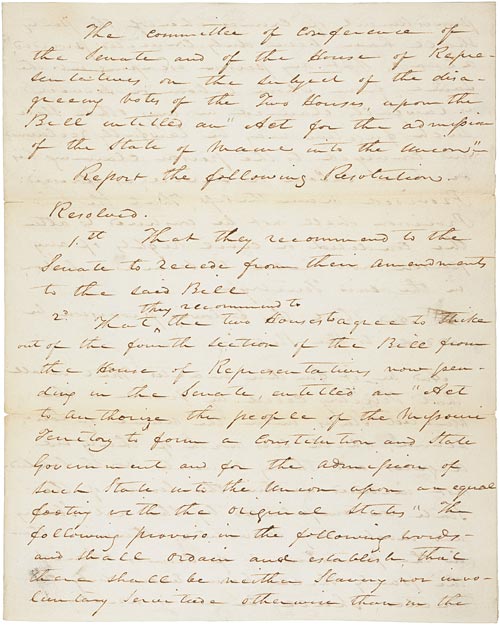 Document
Primary source
Missouri Compromise Conference Committee Report
1 March 1820
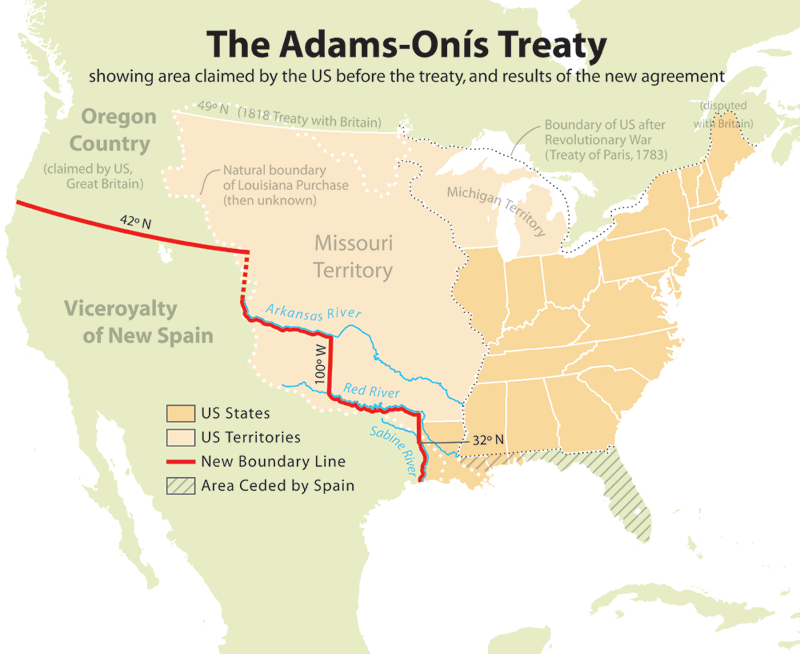 Document
Primary source
Adams–Onís Treaty
1819 (effective 1821)
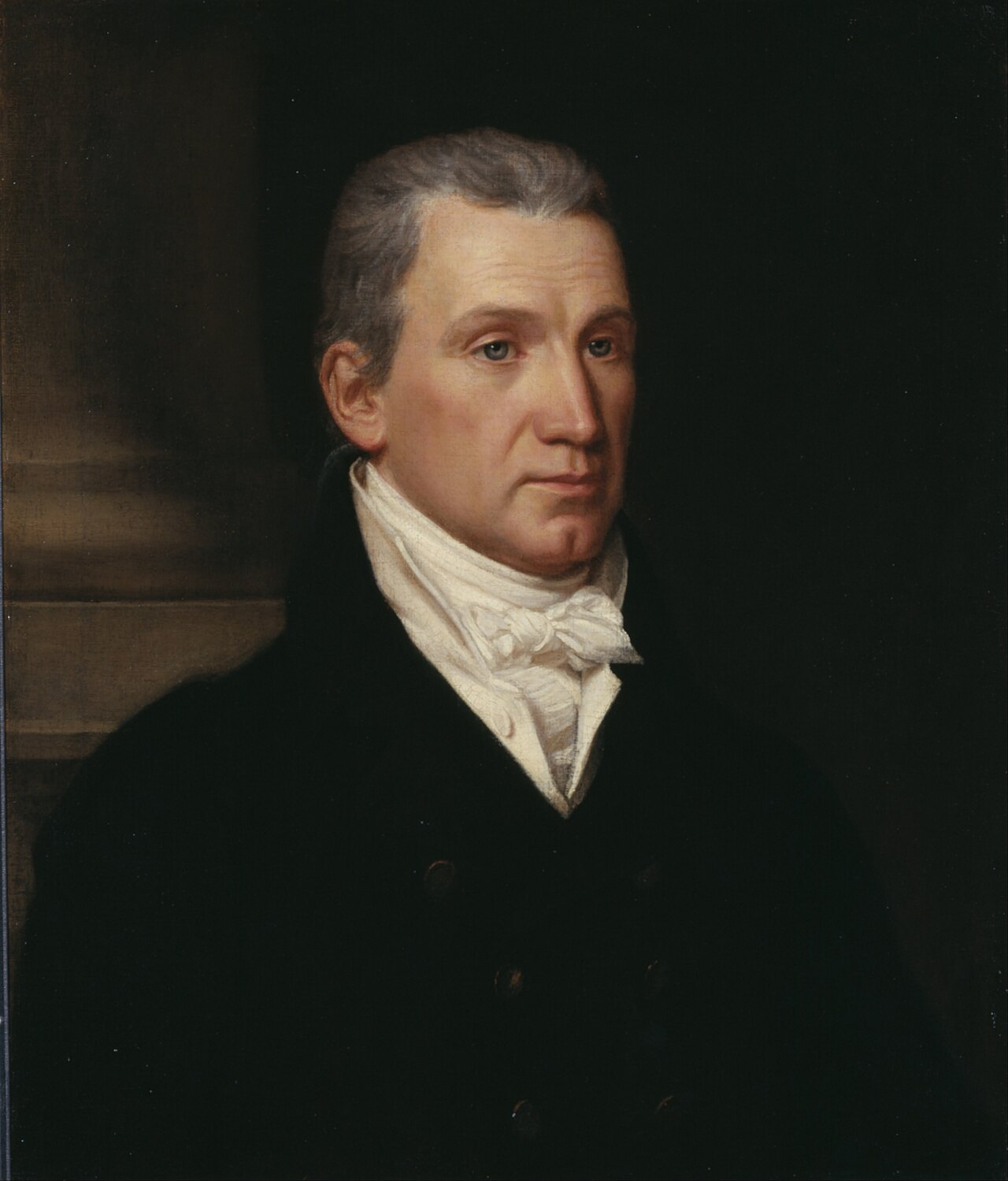 Painting
Primary source
James Monroe
John Vanderlyn · 1816
Ready when you are
Start chatting with James Monroe now.
20 messages free · No credit card · Available in 50+ languages.