


Secondary sourceSculpture1933
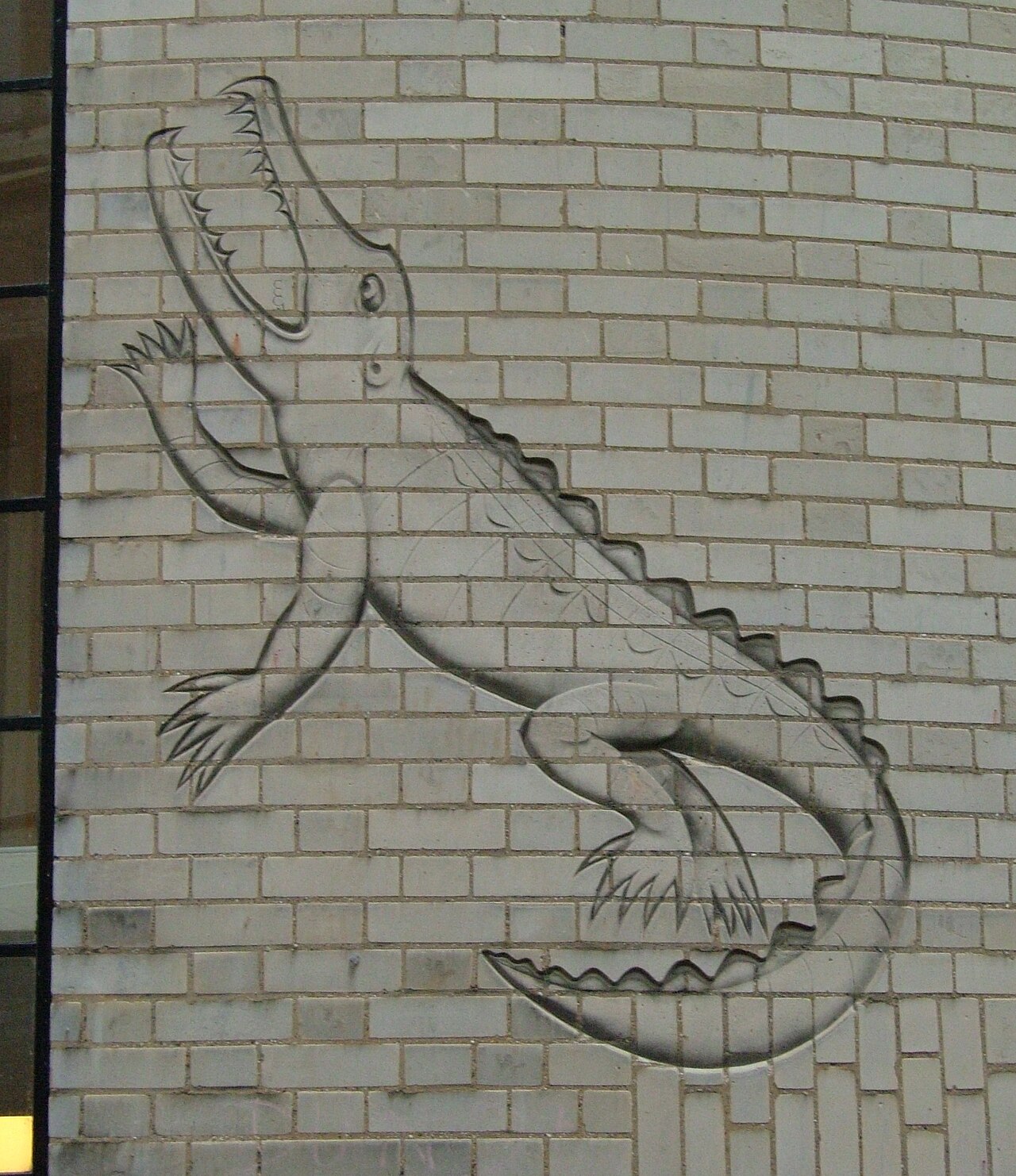
Rutherford's Crocodile
Eric Gill · 1933
A carved crocodile relief at the Cavendish Laboratory, referring to a nickname given to Rutherford by his student Pyotr Kapitza.
This carving alludes to a nickname Rutherford's student Kapitza gave him, showing how his students viewed him.
About this source
What it is
This is a stone relief carving of a crocodile made by sculptor Eric Gill in 1933 on the wall of the Mond Laboratory, part of the Old Cavendish Laboratory in Cambridge. The carving shows a crocodile in outline with open jaws and a spiked tail.
Why it matters
The crocodile refers to a nickname that Rutherford's student Kapitza gave him. Carvings like this reveal the informal, affectionate side of how scientists viewed their famous teacher, and show the culture of the laboratory where Rutherford led major discoveries in nuclear physics.
Look closer
- Why might students choose a crocodile as a symbol for their teacher?
- What does this carving tell us about relationships inside the laboratory, beyond formal science?
- Why do you think such a personal joke was carved permanently into a university building?
This sculpture is part of the curated material that grounds the AI version of Ernest Rutherford on Humy.ai — when students ask about related events, the AI can quote it and cite it.
More Ernest Rutherford sources
Browse all 74 →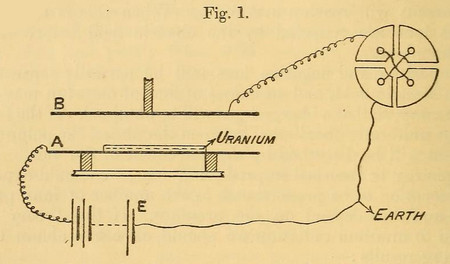 Document
Primary source
Uranium Radiation and the Electrical Conduction Produced by It
Ernest Rutherford · 1899
 Photograph
Primary source
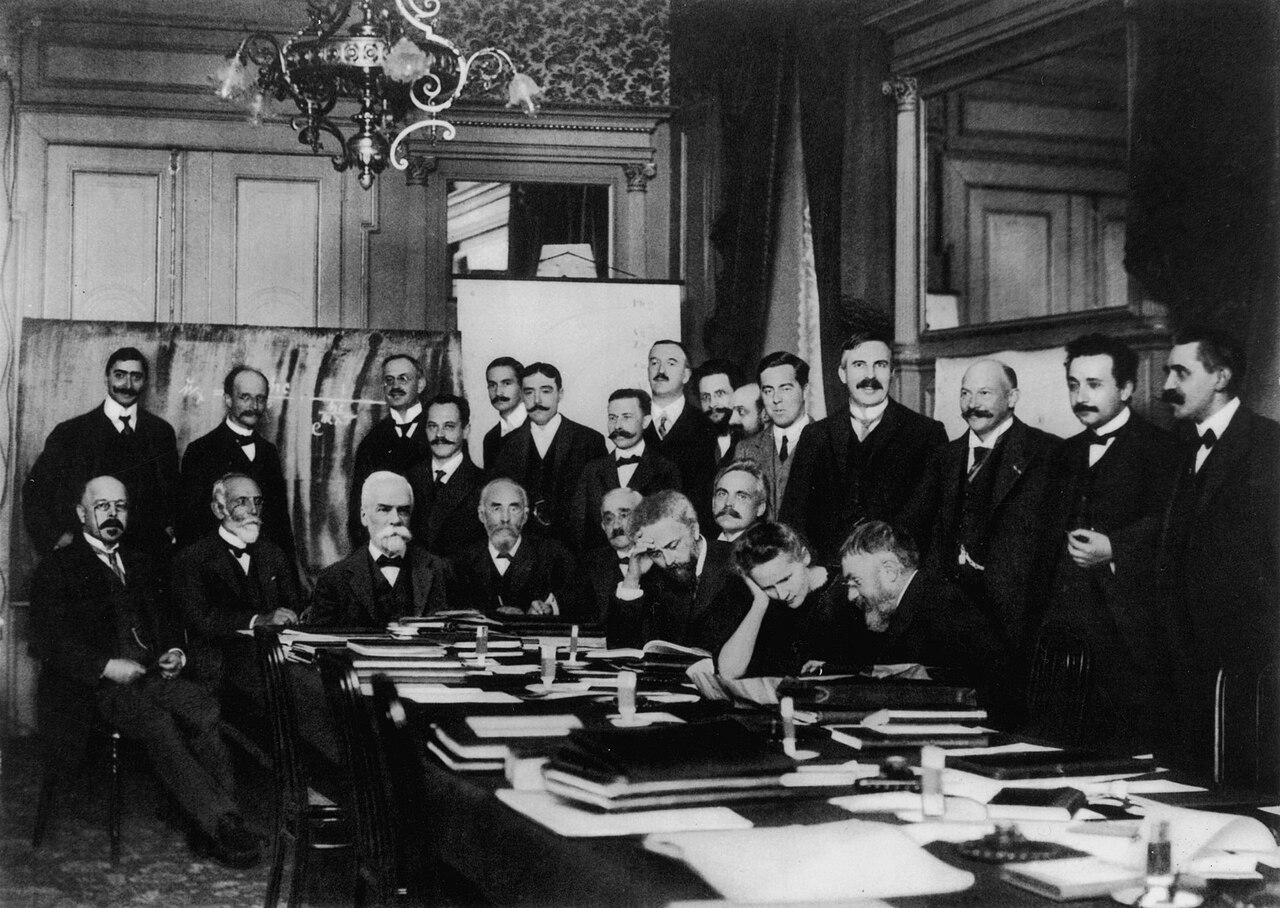
1911 Solvay Conference Photograph
Benjamin Couprie · 1911
 Photograph
Primary source
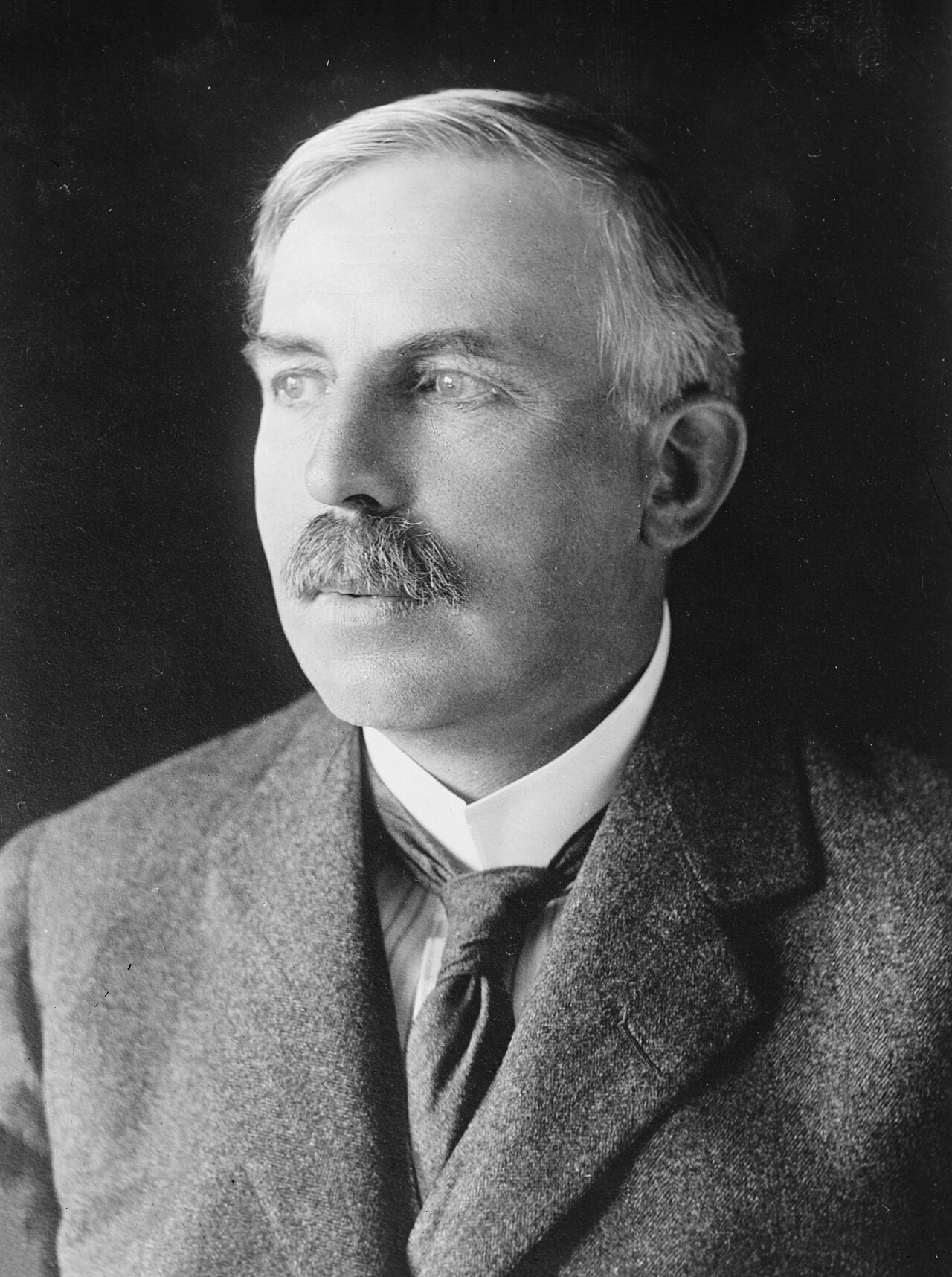
Portrait of Ernest Rutherford
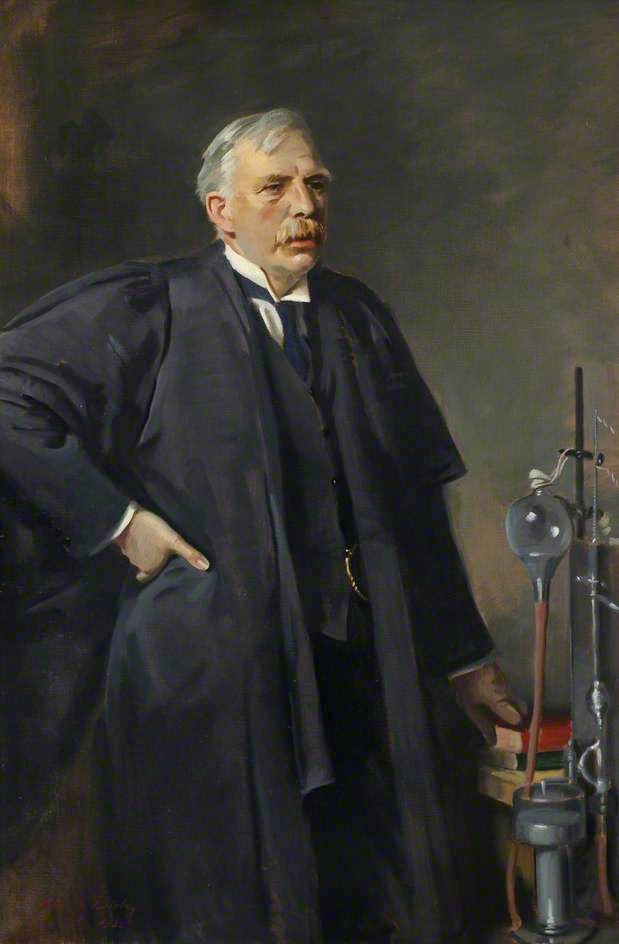 Painting
Primary source
Ernest Rutherford, Lord Rutherford of Nelson, Cavendish Professor
Oswald Birley · 1932
Free account
Read every Ernest Rutherford source
Sign up free →
Ready when you are
Start chatting with Ernest Rutherford now.
20 messages free · No credit card · Available in 50+ languages.