


Primary sourceArtifactc. 1600
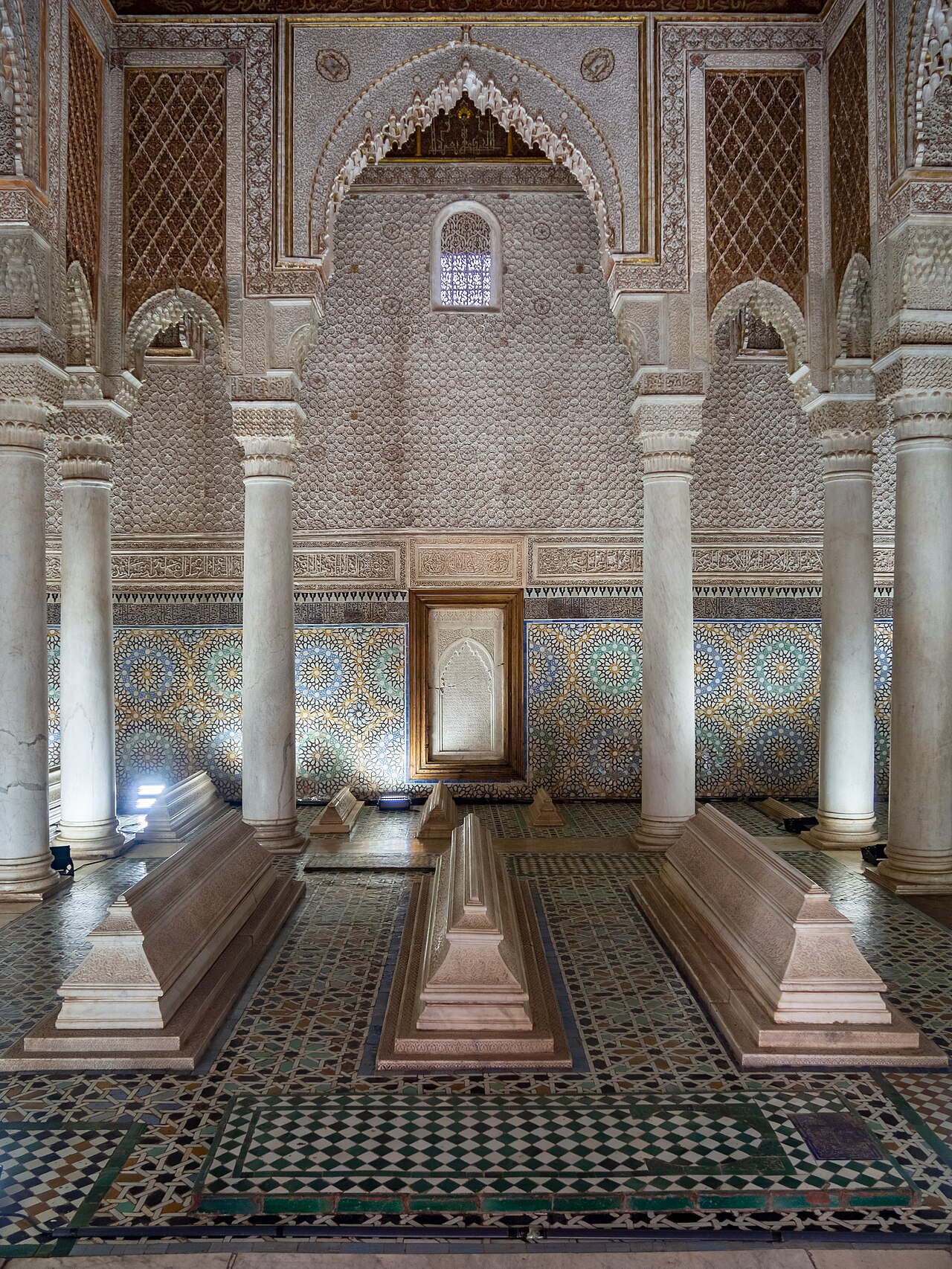
Saadian Tombs
c. 1600
A royal burial complex in Marrakesh expanded by Ahmad al-Mansur, showing the luxurious art of his court.
Al-Mansur expanded this necropolis and is buried here, and its decoration reflects the artistic achievement of his reign.
About this source
What it is
The Saadian Tombs are a royal necropolis in Marrakesh, next to the Kasbah Mosque. The site had older burials, but its most famous chambers date mainly to the reign of Ahmad al-Mansur (1578–1603), who expanded and richly decorated the complex, including after his mother's burial there in 1591. The site is a major tourist attraction today.
Why it matters
Art historians consider the Saadian Tombs the high point of Moroccan architecture from this period because of their luxurious decoration and careful design. Al-Mansur's expansion of the tombs, including a grand burial chamber, reflects the wealth and artistic patronage of his reign and his wish to honor his family, including his father Muhammad al-Shaykh and mother Lalla Mas'uda.
Look closer
- What do the materials and decoration of the tombs tell you about the resources al-Mansur had available?
- Why might a ruler choose to invest heavily in tombs for his family rather than only for himself?
- What does the continued use of this site by later rulers suggest about its importance?
This artifact is part of the curated material that grounds the AI version of Ahmad al-Mansur on Humy.ai — when students ask about related events, the AI can quote it and cite it.
More Ahmad al-Mansur sources
Browse all 22 →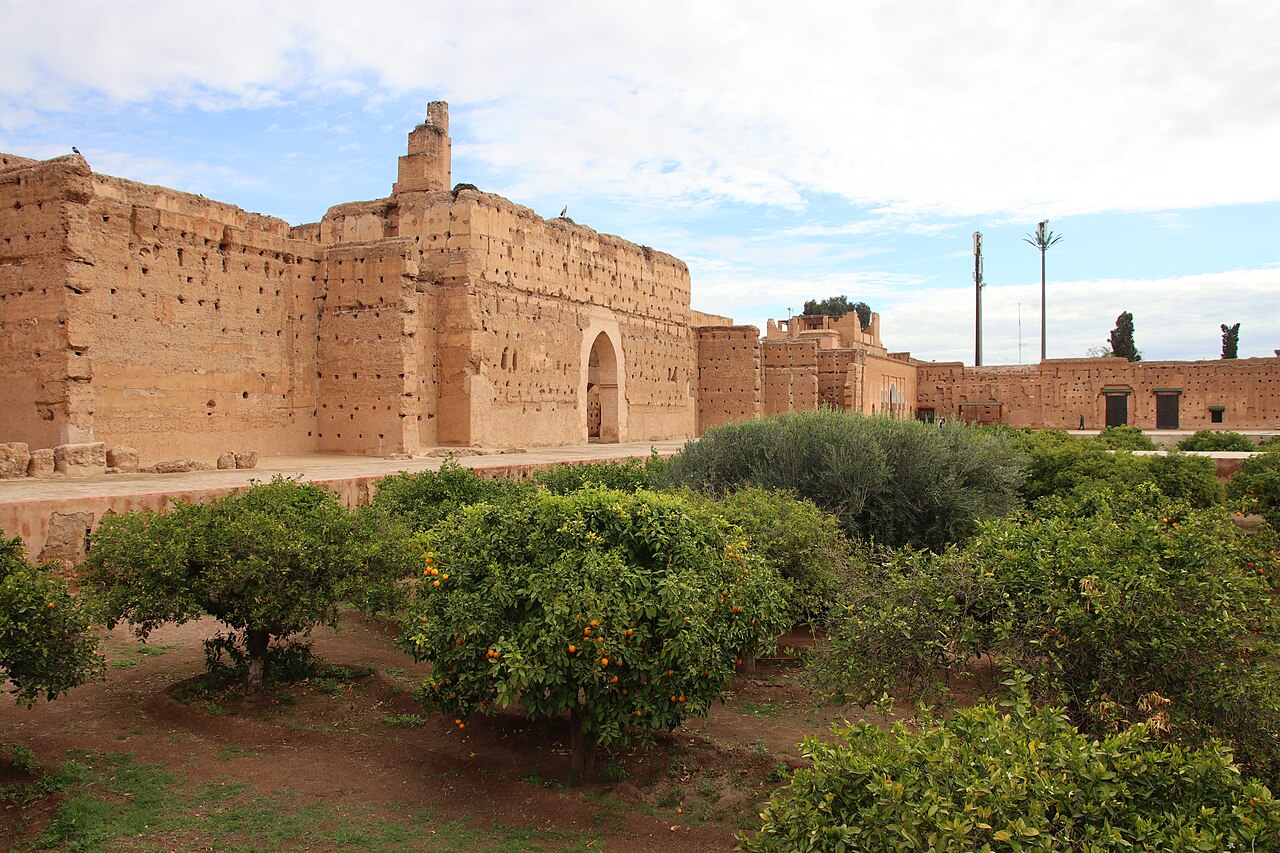 Artifact
Primary source
El Badi Palace
1578 (construction began)
 Painting
Secondary source
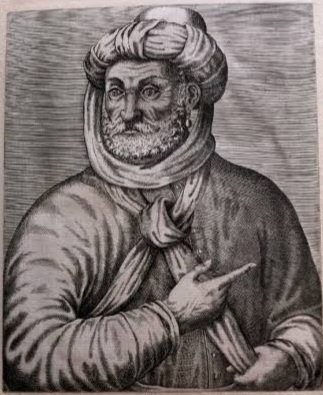
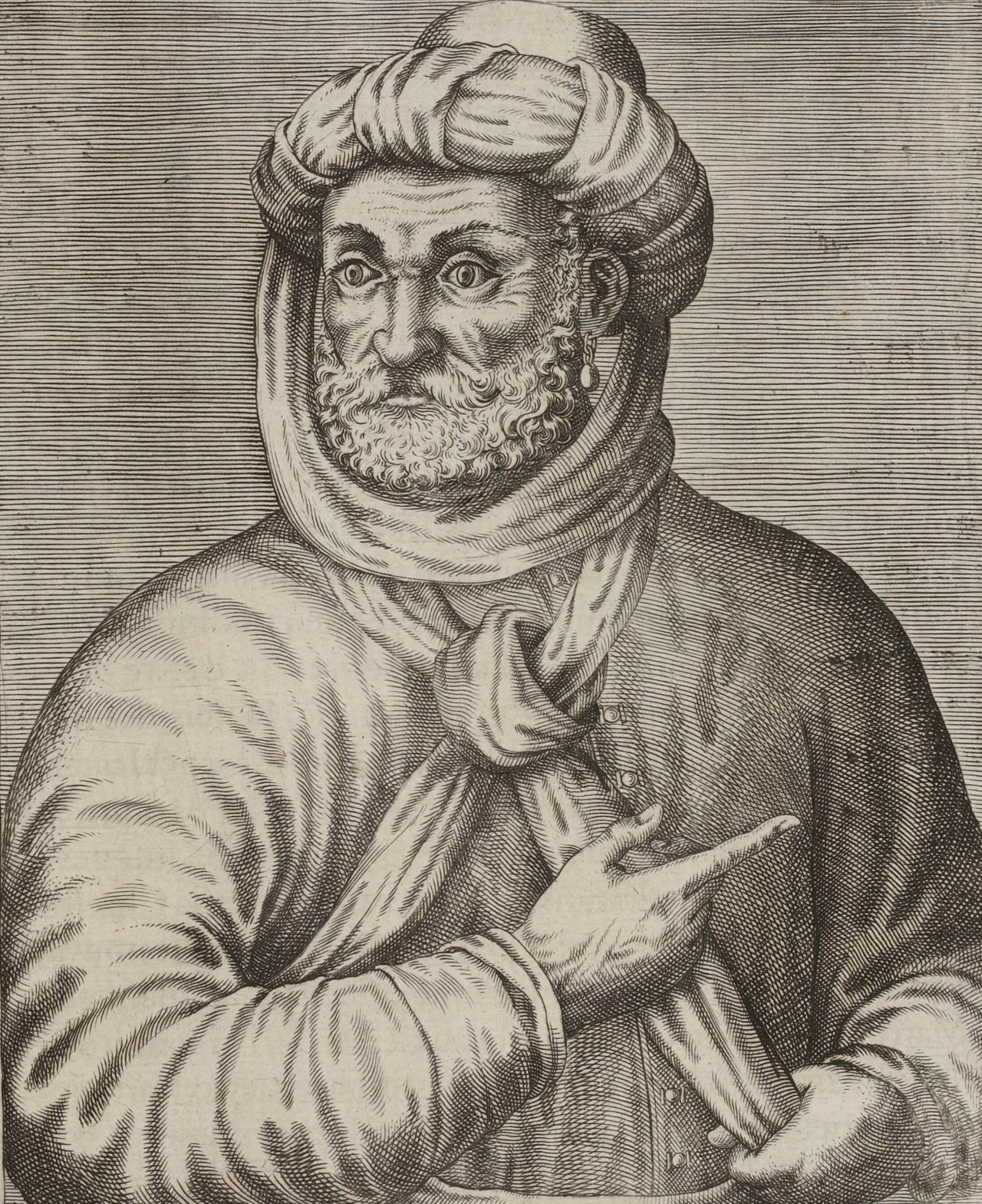
Cherif roi de Fez et de Marroc
André Thevet · 1584
 Painting
Primary source
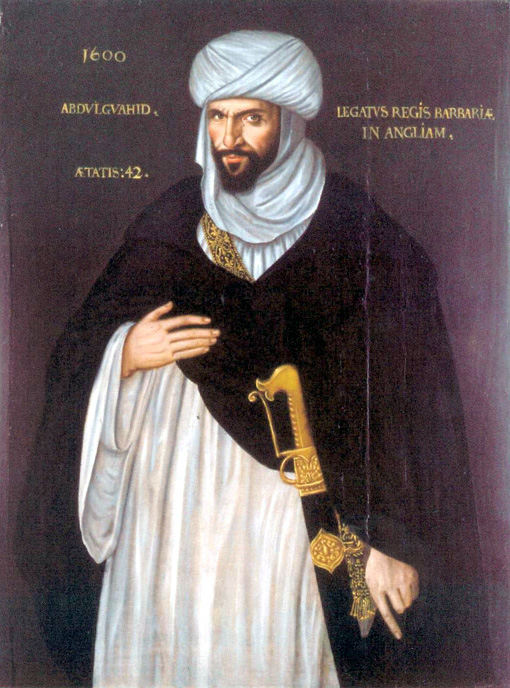
Portrait of Abd el-Ouahed ben Messaoud
Unknown English artist · 1600
 Artifact
Primary source
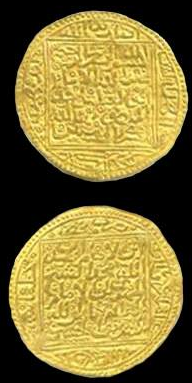
Ahmad al-Mansur Eddahbi Golden Dinar
Ali ahmed andalousi
Free account
Browse every Ahmad al-Mansur source
Sign up free →
Ready when you are
Start chatting with Ahmad al-Mansur now.
20 messages free · No credit card · Available in 50+ languages.