


Secondary sourceArtifact2000
Sacagawea Dollar
Glenna Goodacre · 2000
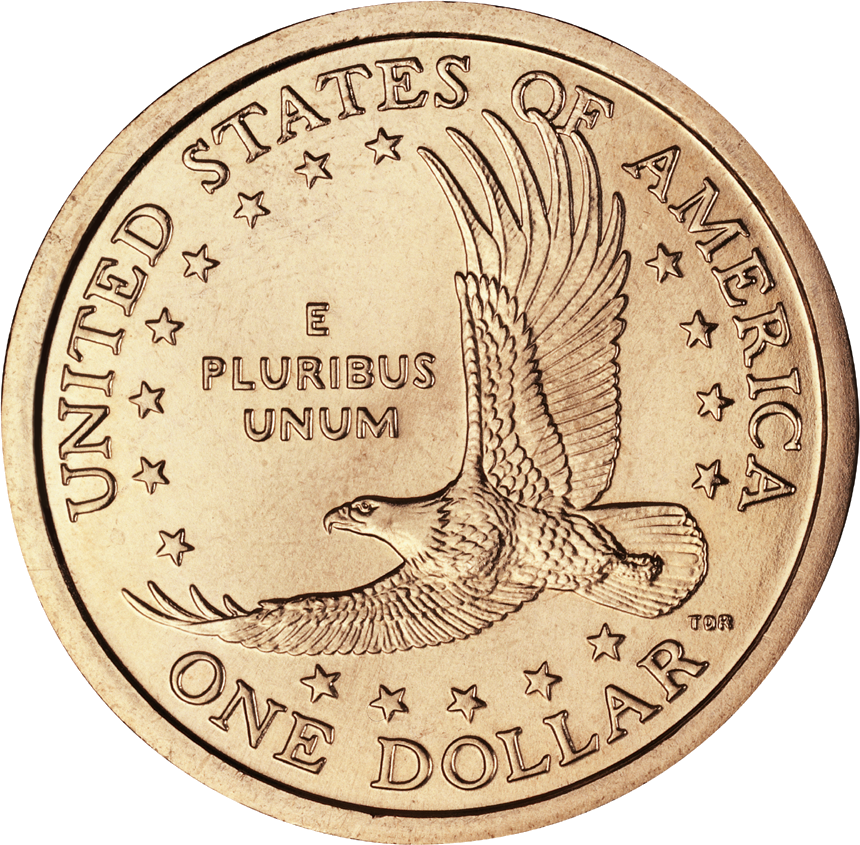
A U.S. one-dollar coin introduced in 2000 featuring an imagined image of Sacagawea carrying her child, modelled on a living Shoshone woman since no portrait of her survives.
This coin, the most widely circulated image of Sacagawea, is an imagined likeness since no authentic portrait of her exists.
About this source
What it is
This gold-colored U.S. dollar coin was introduced in 2000, designed by Glenna Goodacre, showing Sacagawea carrying her child on the obverse. The original reverse featured an eagle design by Thomas D. Rogers, used from 2000 to 2008.
Why it matters
Because no authentic likeness of Sacagawea survives, Goodacre modelled her face on Randy'L He-dow Teton, a living Shoshone-Bannock woman. The coin replaced the unpopular Susan B. Anthony dollar and was heavily marketed, though it never became widely used in everyday transactions. It remains the most widely seen image of Sacagawea, despite being entirely imagined rather than based on any historical portrait.
Look closer
- Why do you think the Mint chose Sacagawea rather than another historical figure for this coin?
- What does it mean that her face on the coin is based on a modern person, not a historical image of her?
- How does this coin shape what millions of people imagine Sacagawea looked like?
This artifact is part of the curated material that grounds the AI version of Sacajawea on Humy.ai — when students ask about related events, the AI can quote it and cite it.
More Sacajawea sources
Meet the AI Sacajawea →Primary source
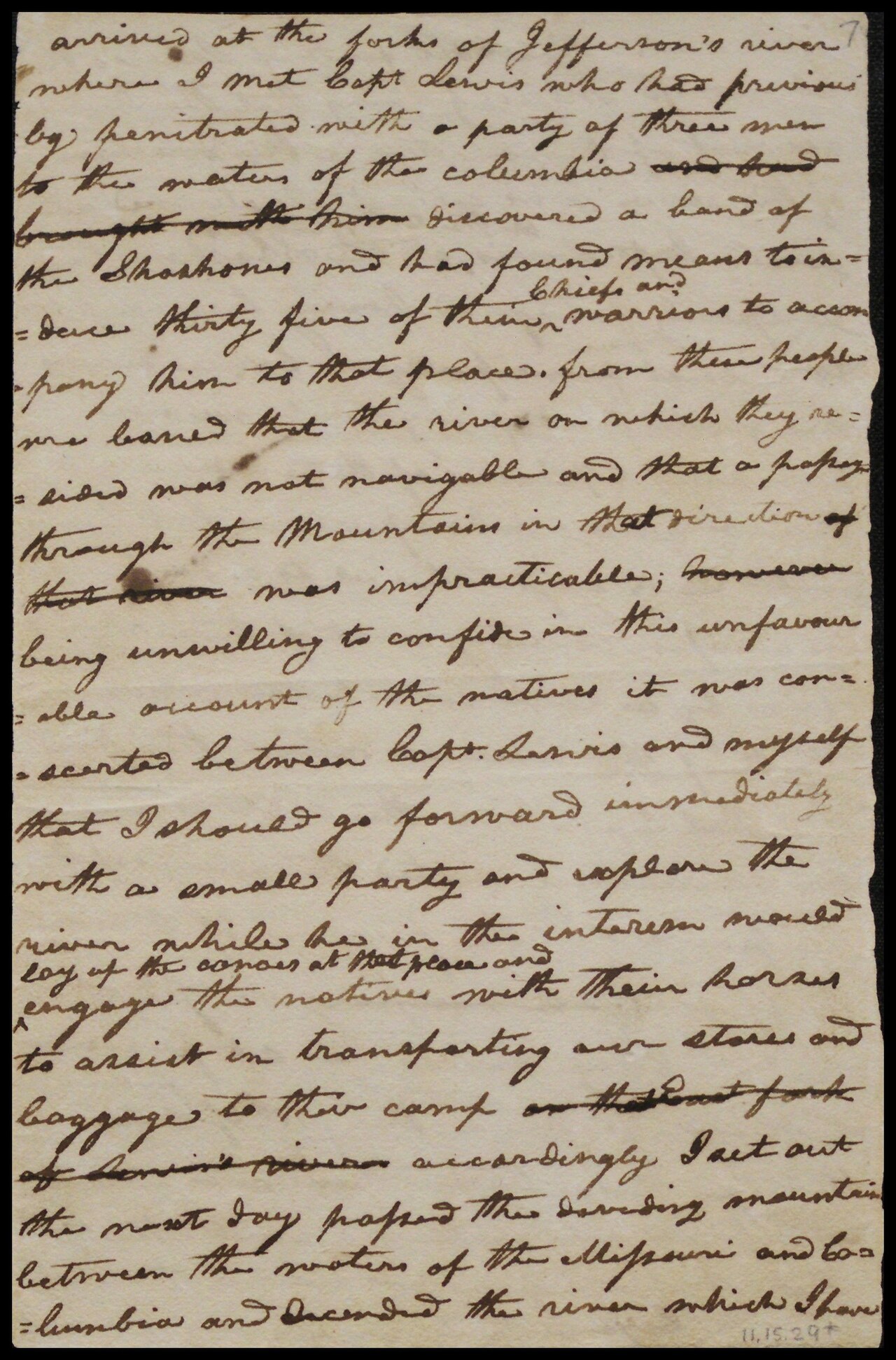
Journals of the Lewis and Clark Expedition
Meriwether Lewis and William Clark · 1804–1806
 Letter
Primary source
William Clark's Letter to Toussaint Charbonneau
William Clark · 20 August 1806
Secondary source
The Conquest: The True Story of Lewis and Clark
Eva Emery Dye · 1902
 Sculpture
Secondary source
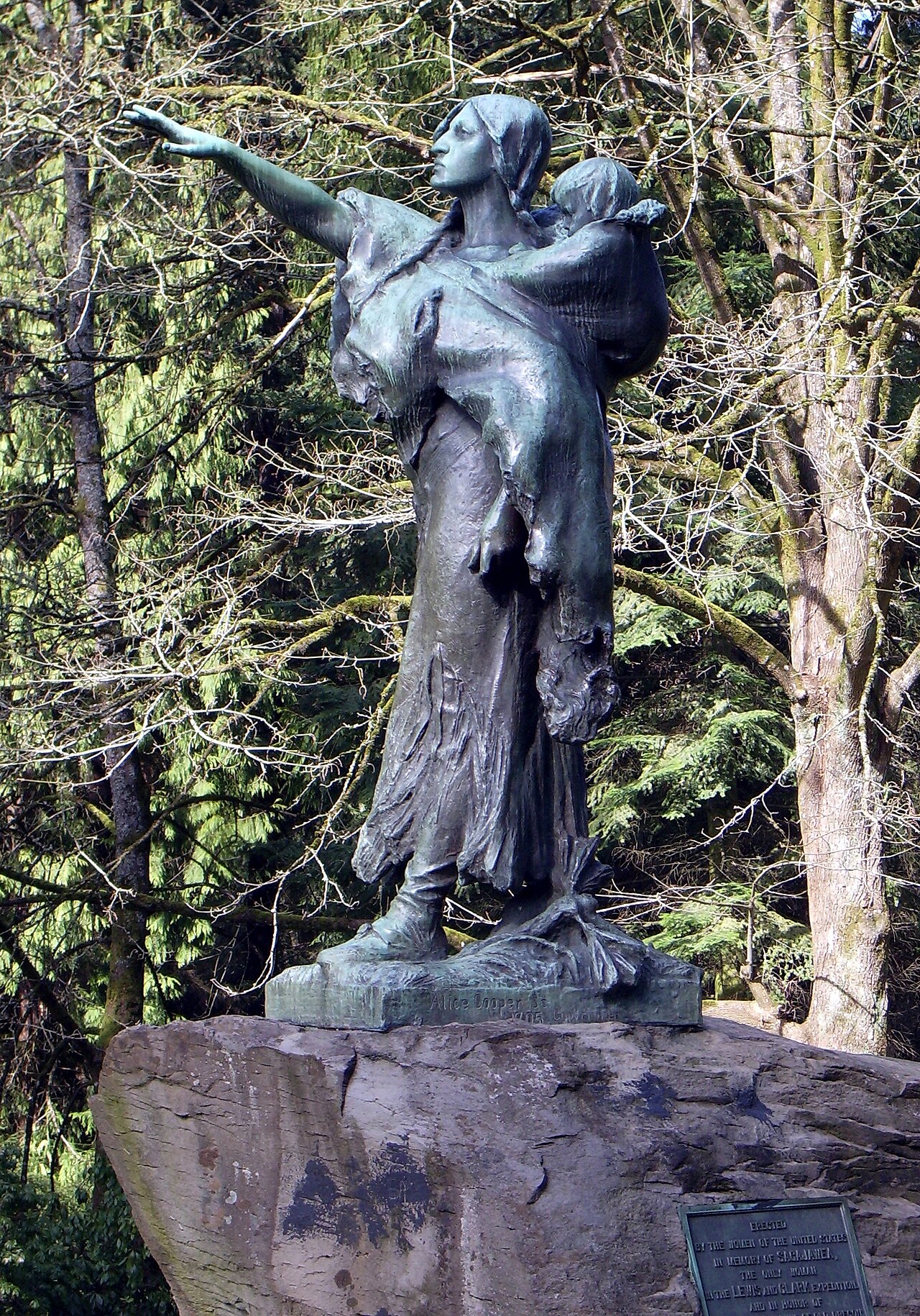
Sacajawea and Jean-Baptiste
Alice Cooper · 1905
 Sculpture
Secondary source
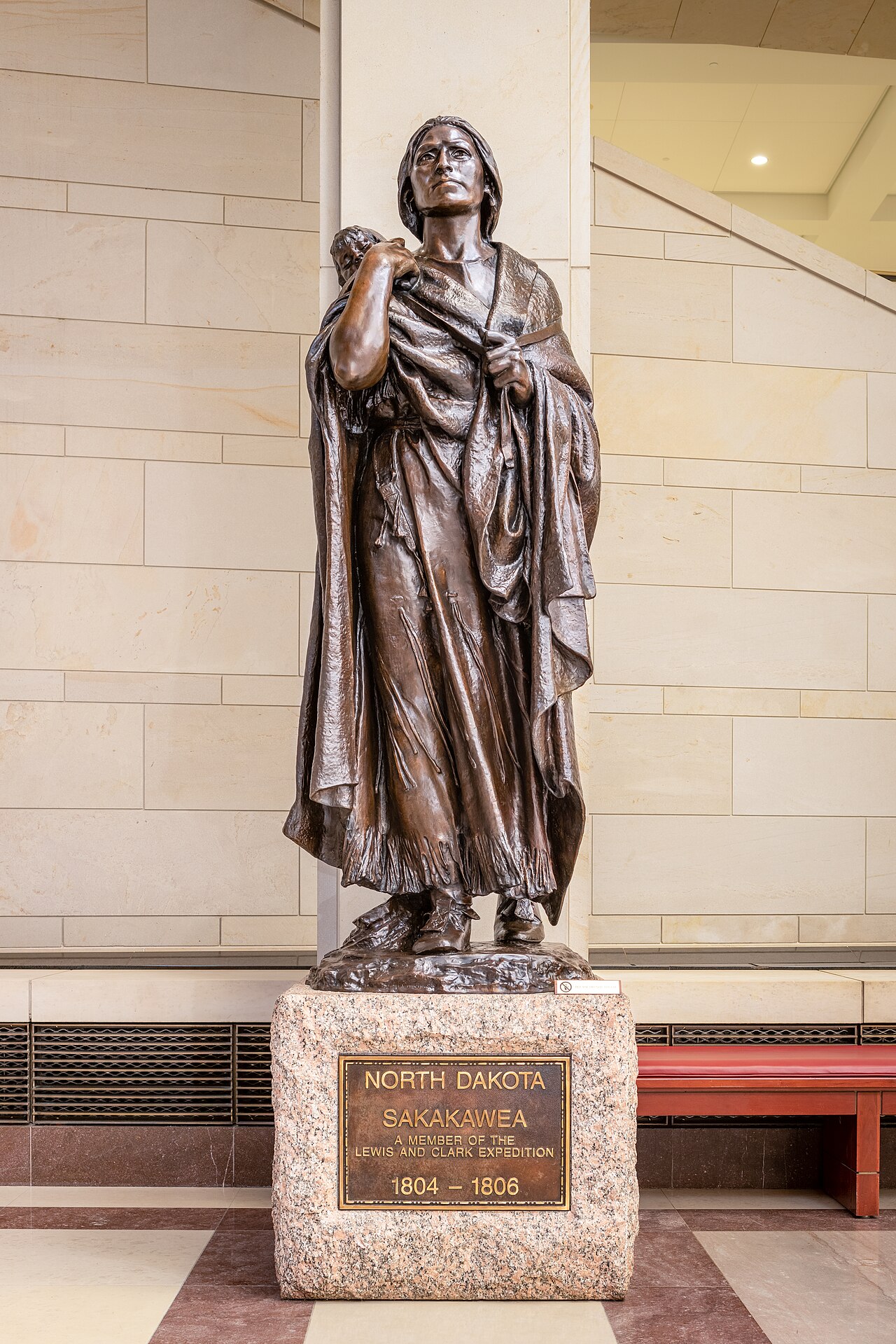
Sakakawea
Leonard Crunelle · 1914 (recast 2003)
Ready when you are
Start chatting with Sacajawea now.
20 messages free · No credit card · Available in 50+ languages.