


Secondary sourcePainting1260
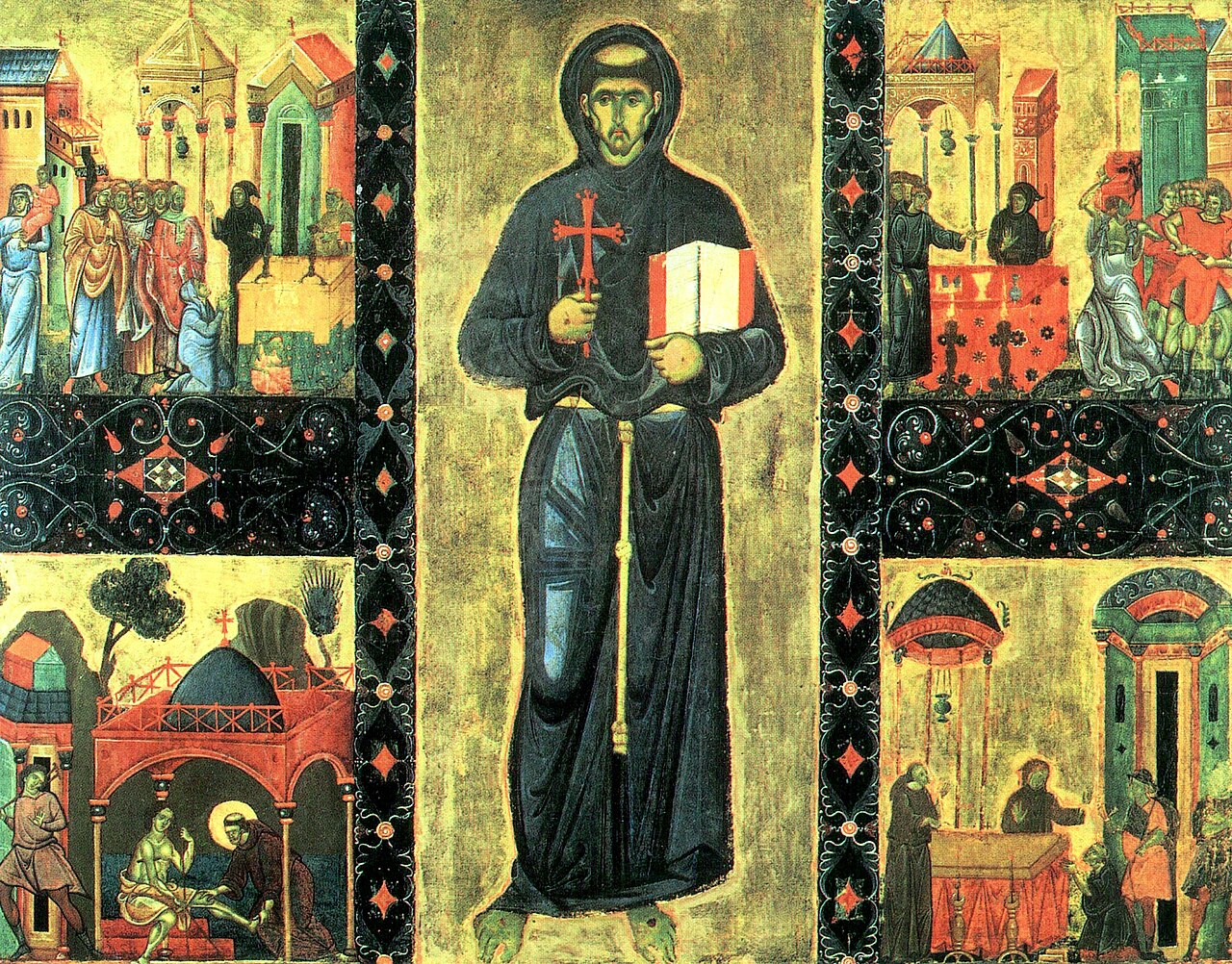
Saint Francis and Four Posthumous Miracles
Giunta Pisano · 1260
An early panel painting of Francis of Assisi, made about thirty years after his death, showing him with the stigmata and surrounded by miracle scenes.
One of the earliest known portraits of Francis, painted decades after his death to present him as a miracle-working saint.
About this source
What it is
This panel painting by Giunta Pisano shows Francis standing in a dark hooded habit, holding a red Tau cross and an open book, against a gold background. Around him are four smaller scenes showing miracles said to have happened after his death. It was painted around 1260 and is held today in the Pinacoteca Vaticana.
Why it matters
Painted only decades after Francis died, this is among the earliest surviving images of him and shows how the young Franciscan order wanted him remembered: as a holy man bearing Christ's wounds (the stigmata) and working miracles after death. It reveals how Francis's followers shaped his public image soon after his lifetime.
Look closer
- What details in the painting (the cross, the book, the stigmata) tell you what the painter wanted viewers to believe about Francis?
- Why might the surrounding miracle scenes have been included alongside the main figure?
- What does this painting leave out about Francis's actual life and choices?
This painting is part of the curated material that grounds the AI version of Saint Francis on Humy.ai — when students ask about related events, the AI can quote it and cite it.
More Saint Francis sources
Meet the AI Saint Francis →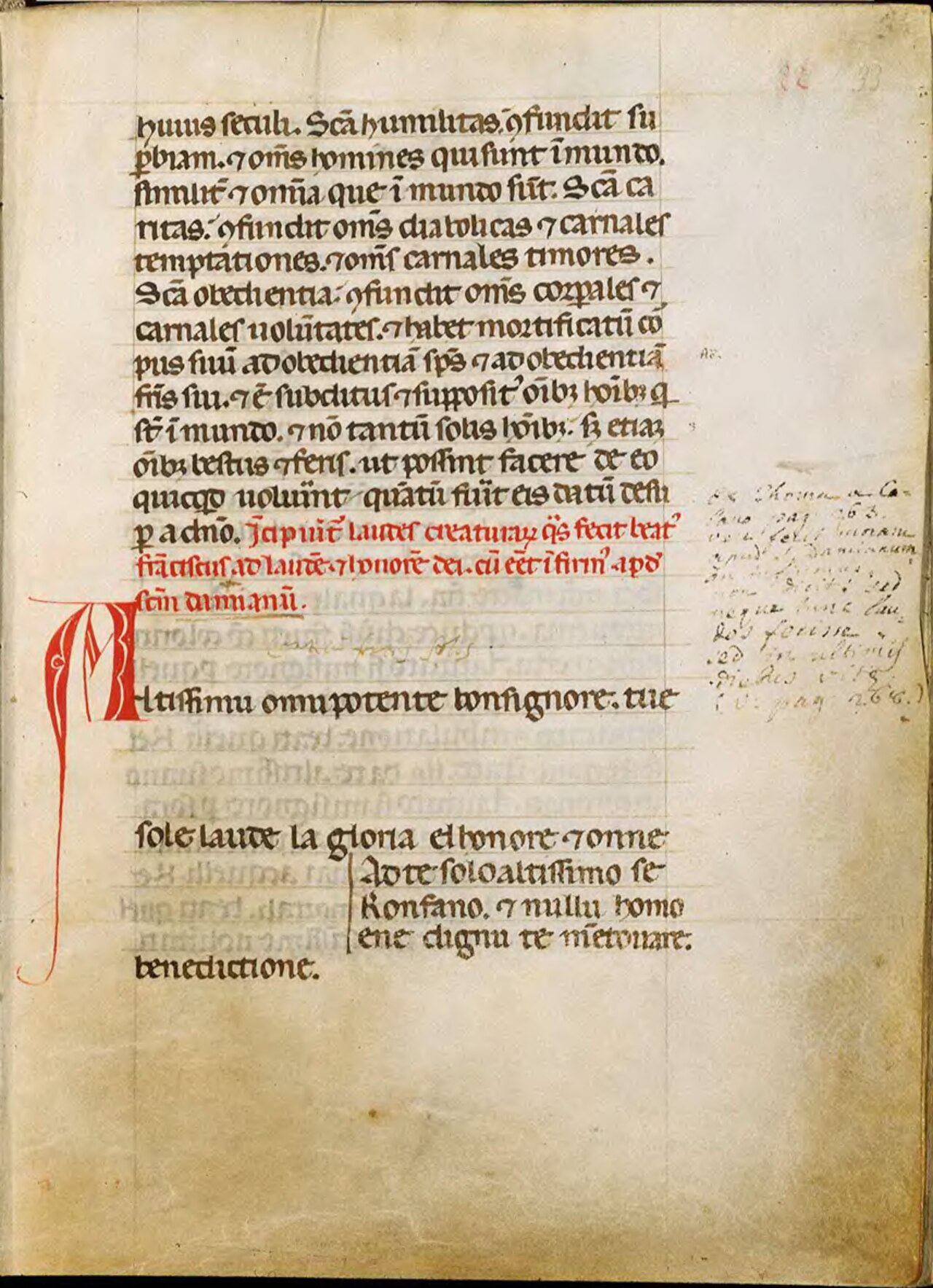 Book
Primary source
Canticle of the Sun
Francis of Assisi · 1226
 Document
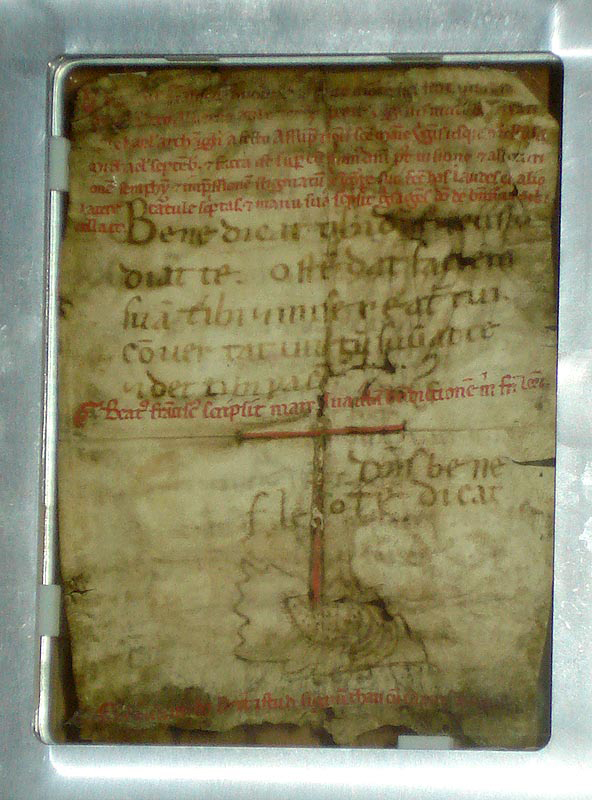
Primary source
Chartula fratri Leonis
Francis of Assisi · 1224
Secondary source
First Life of Saint Francis
Thomas of Celano · 1230
 Painting
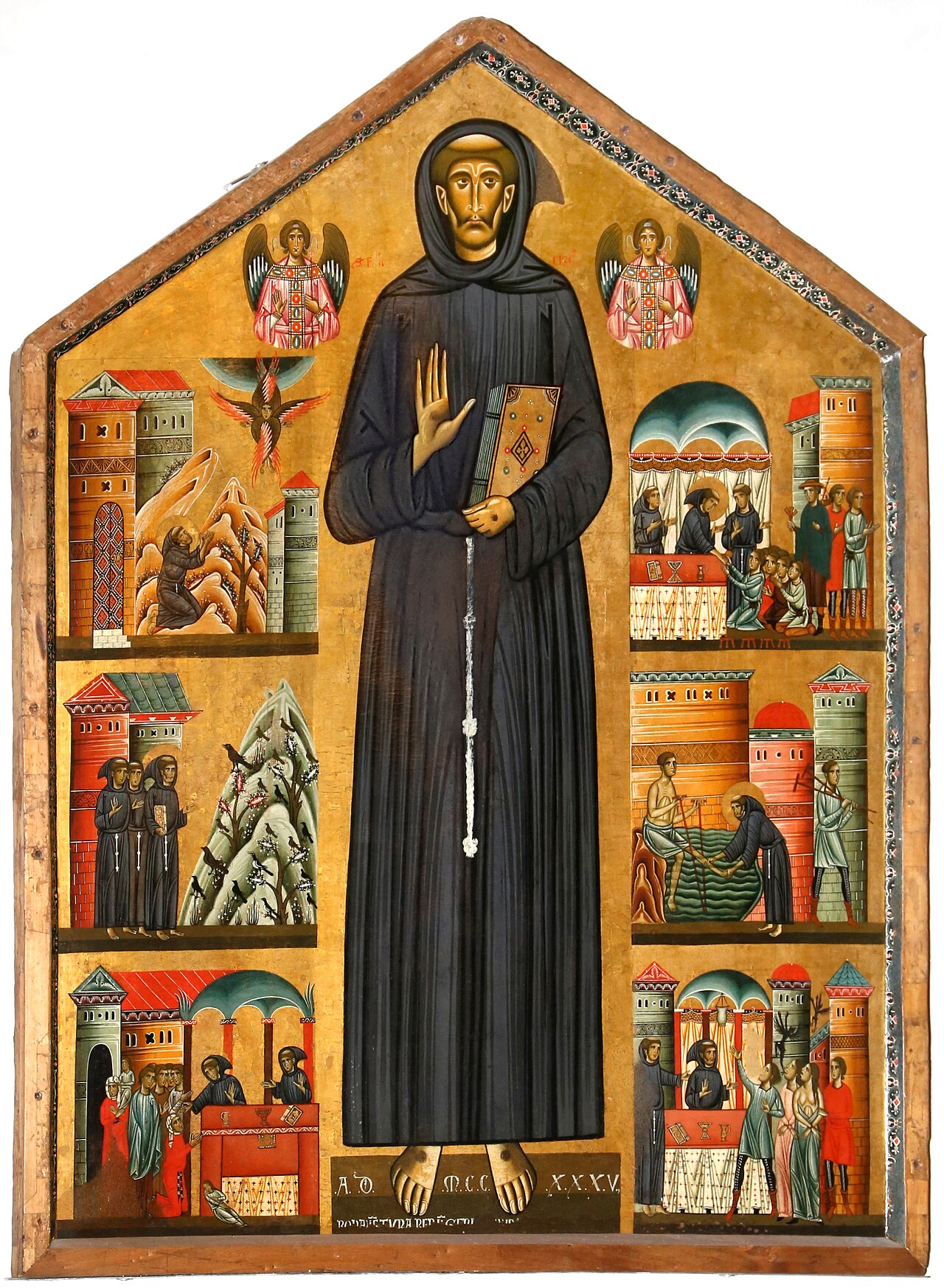
Secondary source
Saint Francis of Assisi and Scenes of His Life
Bonaventura Berlinghieri · 1235
 Artifact
Secondary source
Basilica of San Francesco d'Assisi
begun 1228
Ready when you are
Start chatting with Saint Francis now.
20 messages free · No credit card · Available in 50+ languages.