


Secondary sourceArtifact
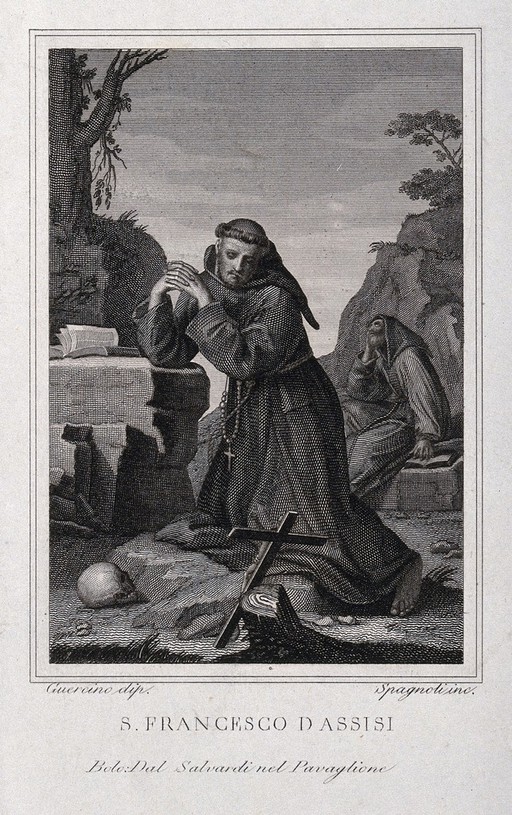
Saint Francis of Assisi (engraving after Guercino)
F. Spagnoli after Guercino
An engraving by F. Spagnoli after a painting by Guercino, held by the Wellcome Collection, showing Francis kneeling in a rocky landscape.
Shows how 17th-century artists, copying Guercino, portrayed Francis in prayer and penitence.
About this source
What it is
This is an engraving by F. Spagnoli, made after a painting by Guercino (G.F. Barbieri), and held by the Wellcome Collection. It shows Saint Francis of Assisi kneeling in a rocky landscape, hands clasped, wearing a brown hooded habit with a rosary. A skull lies beside a wooden cross, and an open book rests on a stone ledge. A second figure sits at right. The inscription names the saint and both artists.
Why it matters
An engraving copies a painting so that many people can own the image. Copies like this show how 17th-century artists, working from Guercino's painting, presented Francis as a figure of prayer and penitence. The image reflects the devotion of that period rather than Francis's own time.
Look closer
- Which details, such as the skull, cross and book, tell viewers how to understand Francis?
- Why would an engraver copy a painting, and who might buy such prints?
- What does the picture leave out about Francis's life of preaching and his work with the poor?
This artifact is part of the curated material that grounds the AI version of Saint Francis on Humy.ai — when students ask about related events, the AI can quote it and cite it.
More Saint Francis sources
Meet the AI Saint Francis →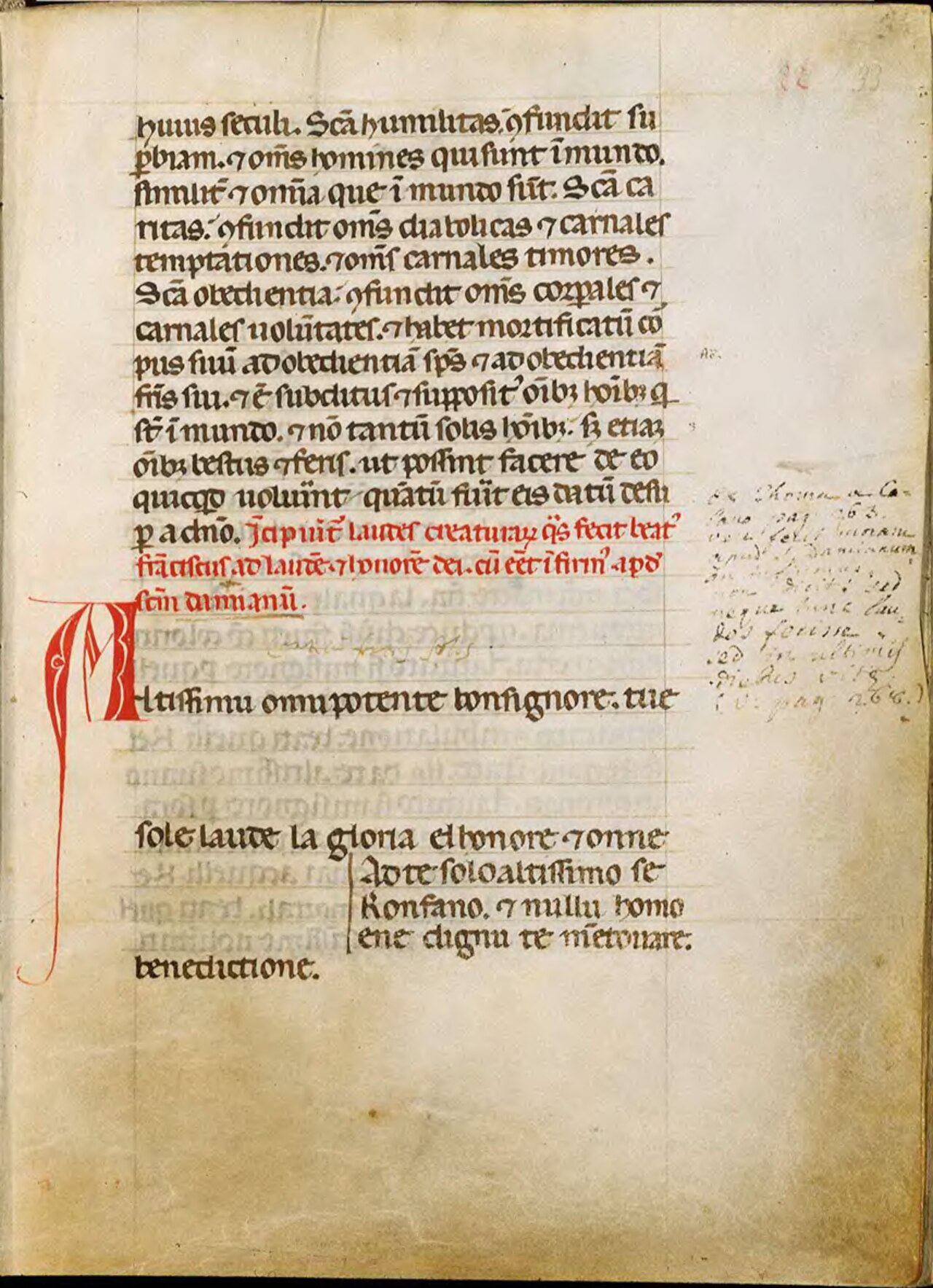 Book
Primary source
Canticle of the Sun
Francis of Assisi · 1226
 Document
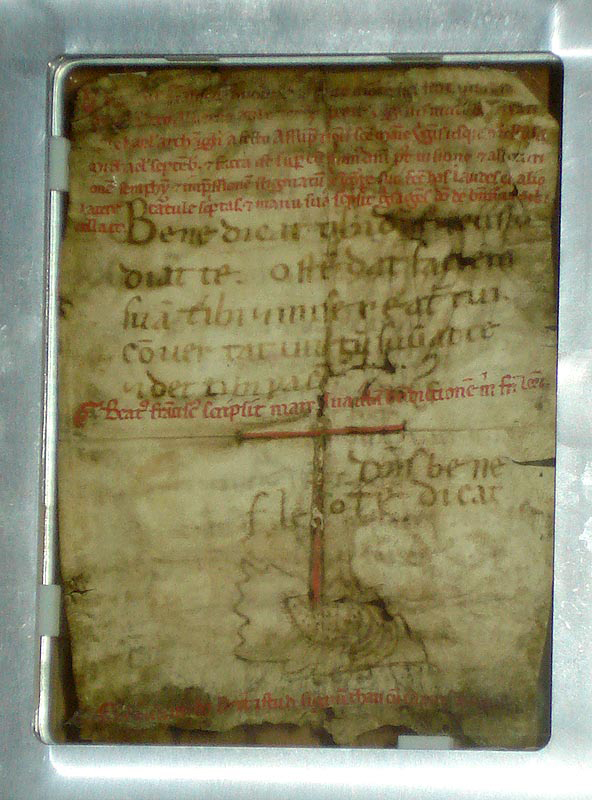
Primary source
Chartula fratri Leonis
Francis of Assisi · 1224
Secondary source
First Life of Saint Francis
Thomas of Celano · 1230
 Painting
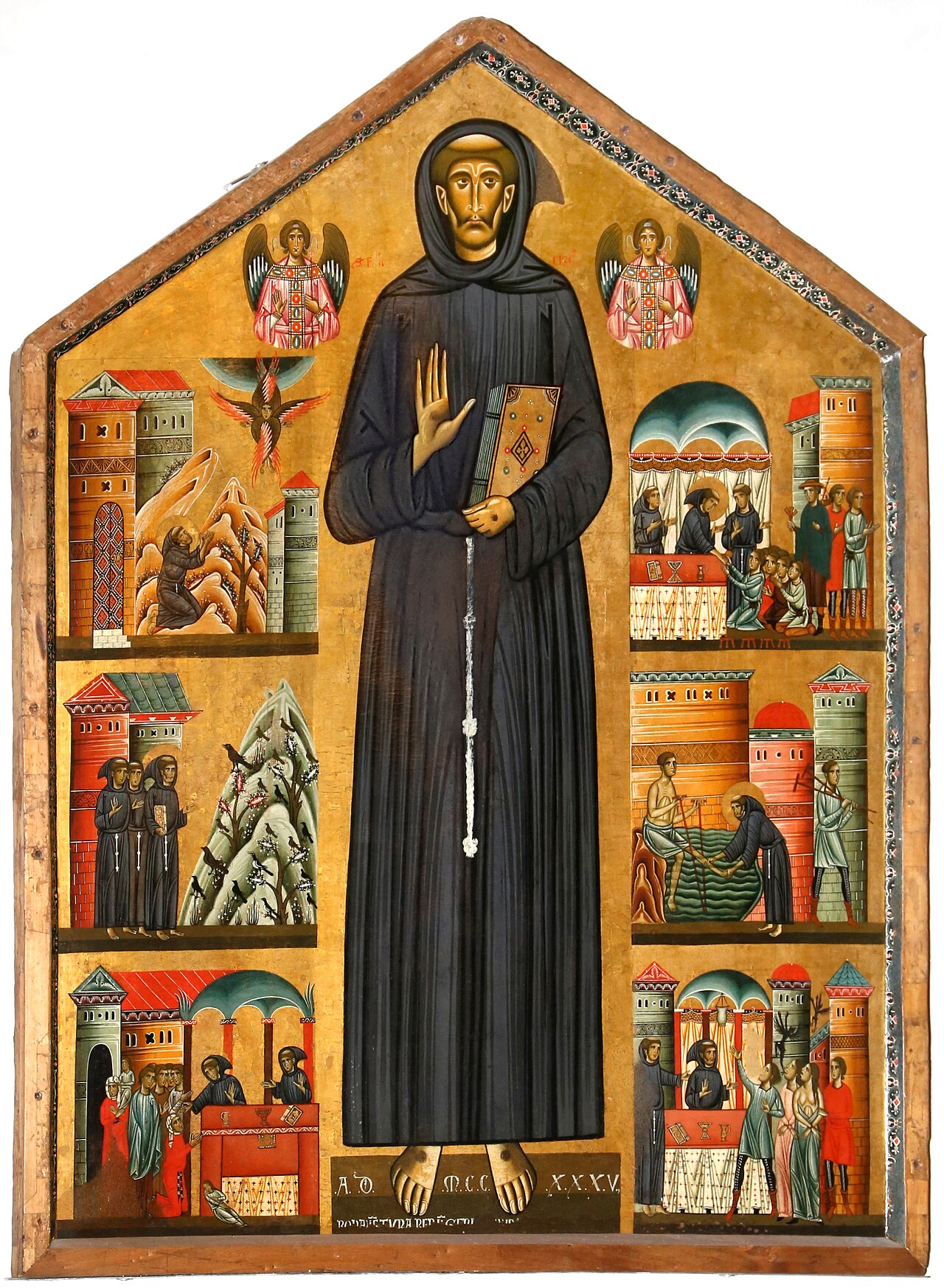
Secondary source
Saint Francis of Assisi and Scenes of His Life
Bonaventura Berlinghieri · 1235
 Artifact
Secondary source
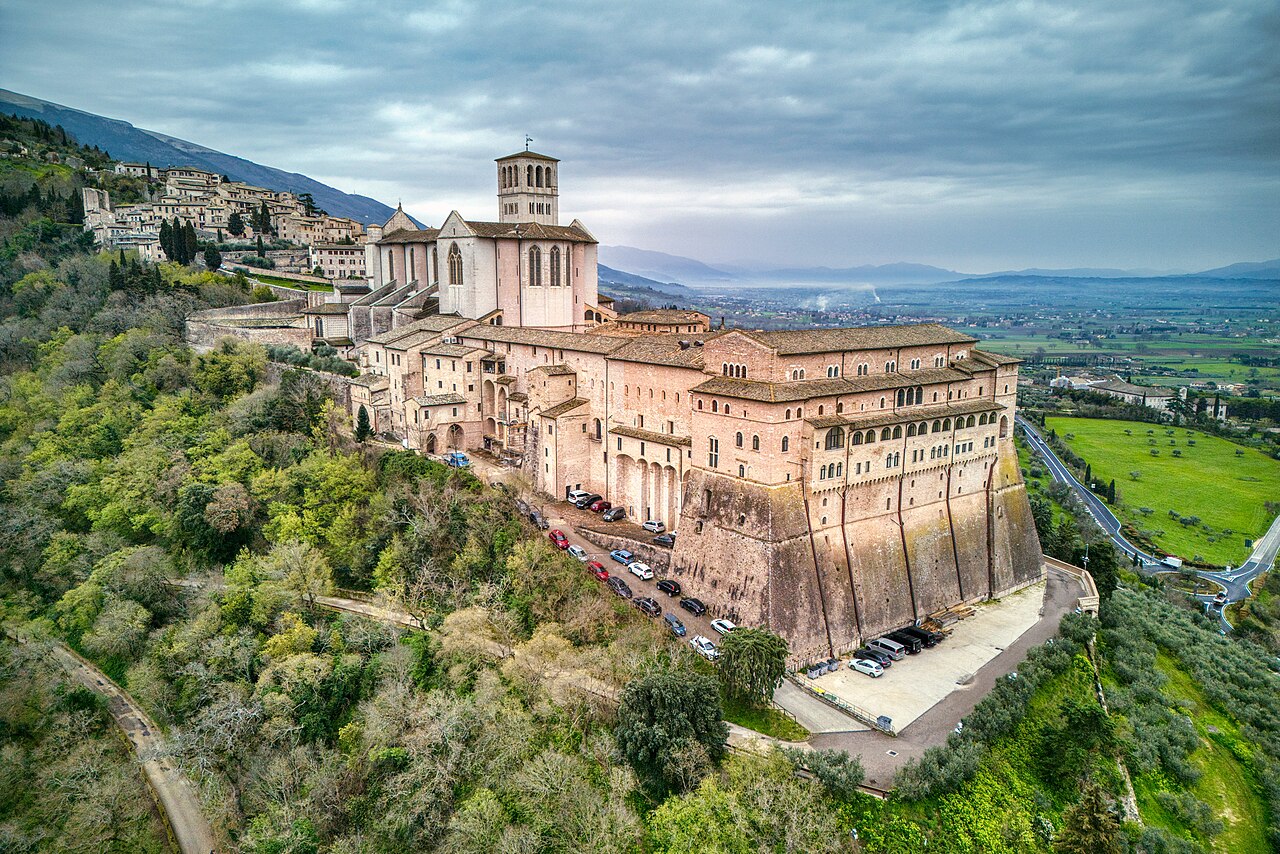
Basilica of San Francesco d'Assisi
begun 1228
Ready when you are
Start chatting with Saint Francis now.
20 messages free · No credit card · Available in 50+ languages.