


Secondary sourcePainting1631
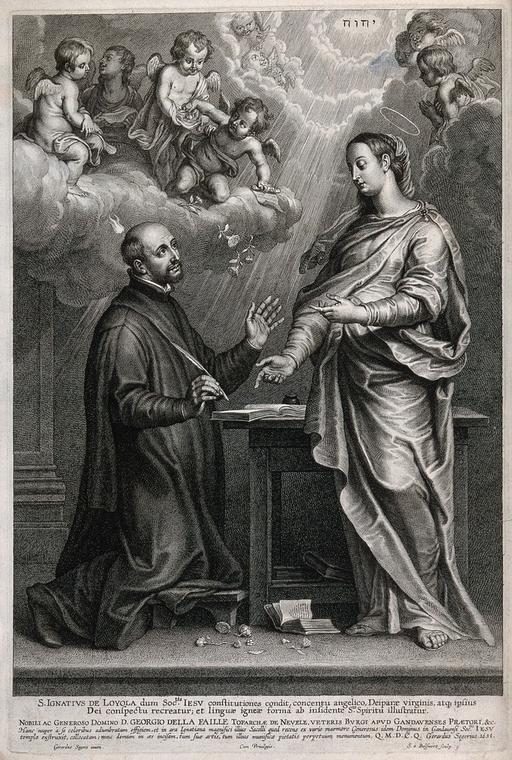
Saint Ignatius of Loyola, engraving after Seghers, 1631
S.A. Bolswert, after G. Seghers · 1631
A 1631 engraving after Gerard Seghers, showing a kneeling Ignatius writing before a haloed woman, likely depicting a vision.
A devotional image made soon after Ignatius's death, showing him receiving spiritual inspiration.
About this source
What it is
This line engraving by S.A. Bolswert, made in 1631 after a design by G. Seghers, shows a kneeling, bald, bearded man in a dark cloak holding a quill before a haloed woman seated at a table with an open book. Angels and clouds appear above, with a Latin inscription below. It is held by the Wellcome Collection.
Why it matters
Made not long after Ignatius's death, this engraving reflects how he was portrayed in devotional art soon after his canonisation. Such images, created by later artists like Seghers and engravers like Bolswert, helped spread his image and legend as a mystic and founder of the Jesuits across 17th-century Europe.
Look closer
- Who do you think the haloed woman represents, and what might the scene depict?
- Why would artists in the decades after Ignatius's death create images showing him receiving divine inspiration?
- What does the Latin inscription suggest about the intended audience?
This painting is part of the curated material that grounds the AI version of Ignatius of Loyola on Humy.ai — when students ask about related events, the AI can quote it and cite it.
More Ignatius of Loyola sources
Browse all 87 →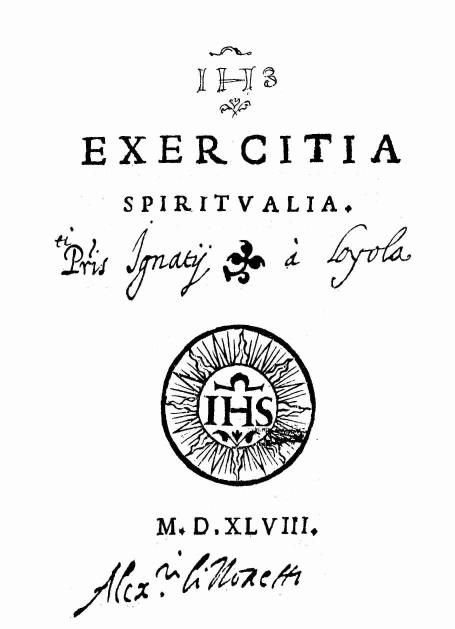 Book
Primary source
Spiritual Exercises
Ignatius of Loyola · 1548 (first printed edition)
 Document
Primary source
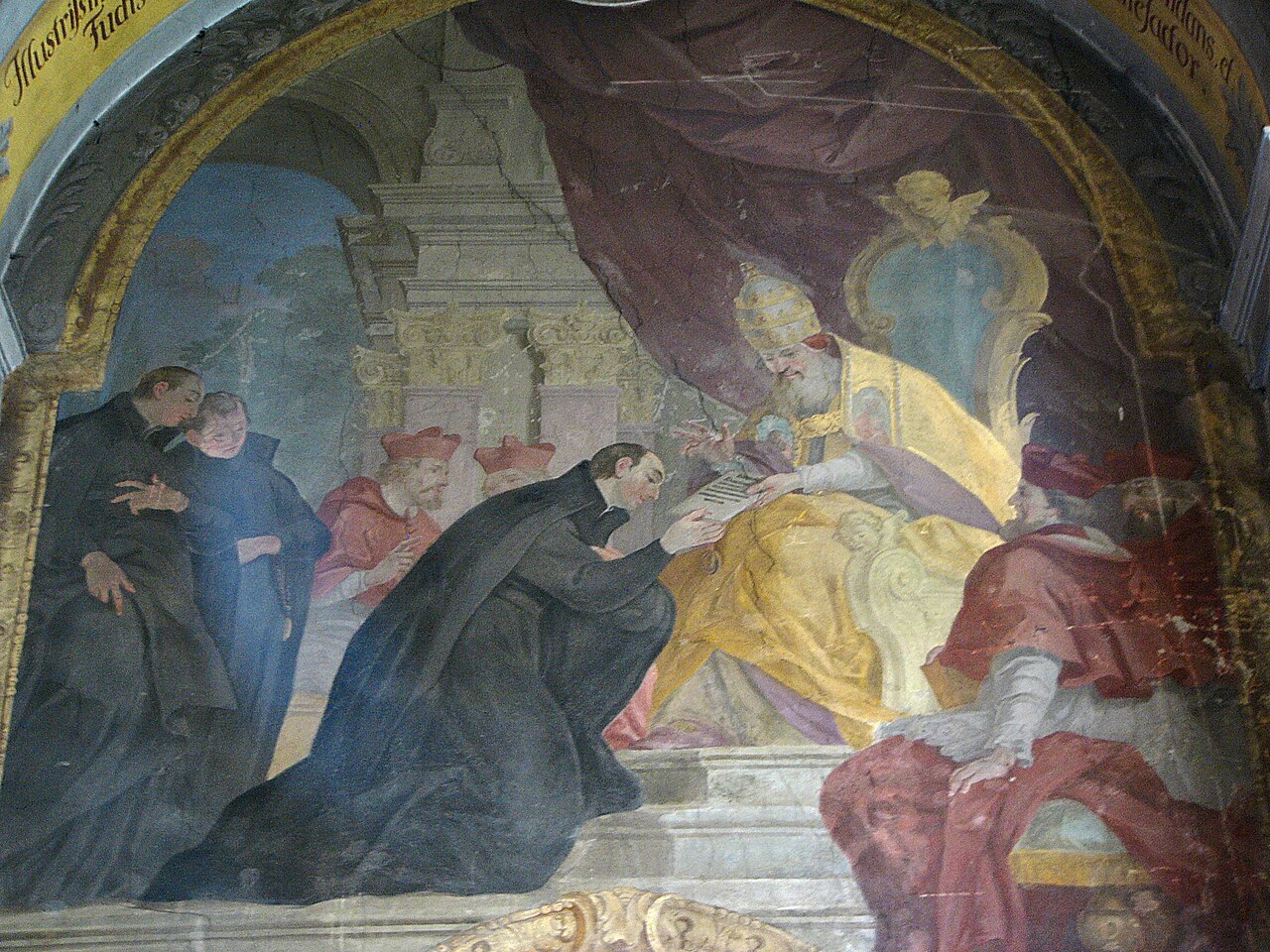
Regimini militantis Ecclesiae
Paul III · 27 September 1540
 Painting
Primary source
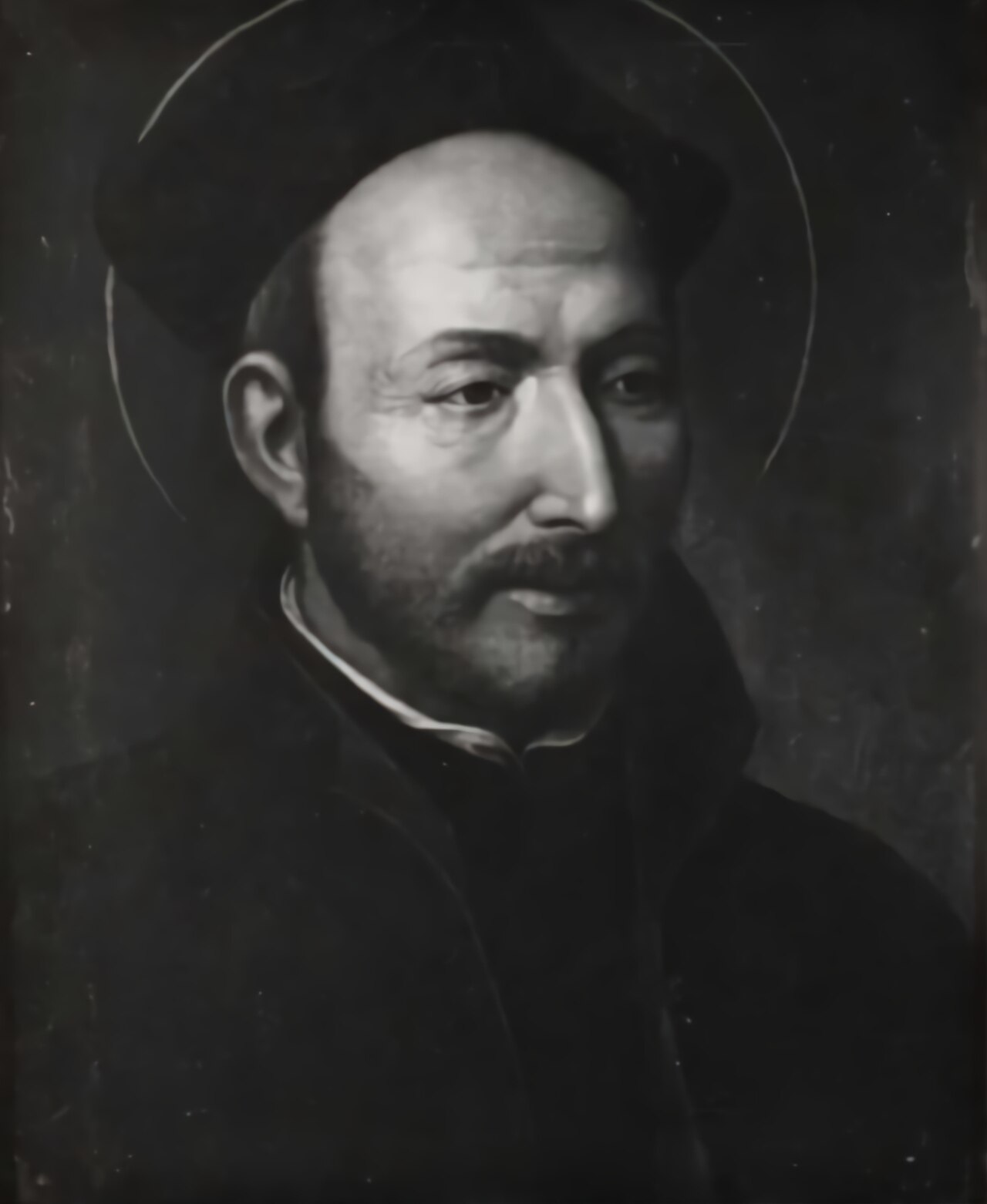
Portrait of Ignatius of Loyola
Jacopino del Conte · 1556
 Artifact
Primary source
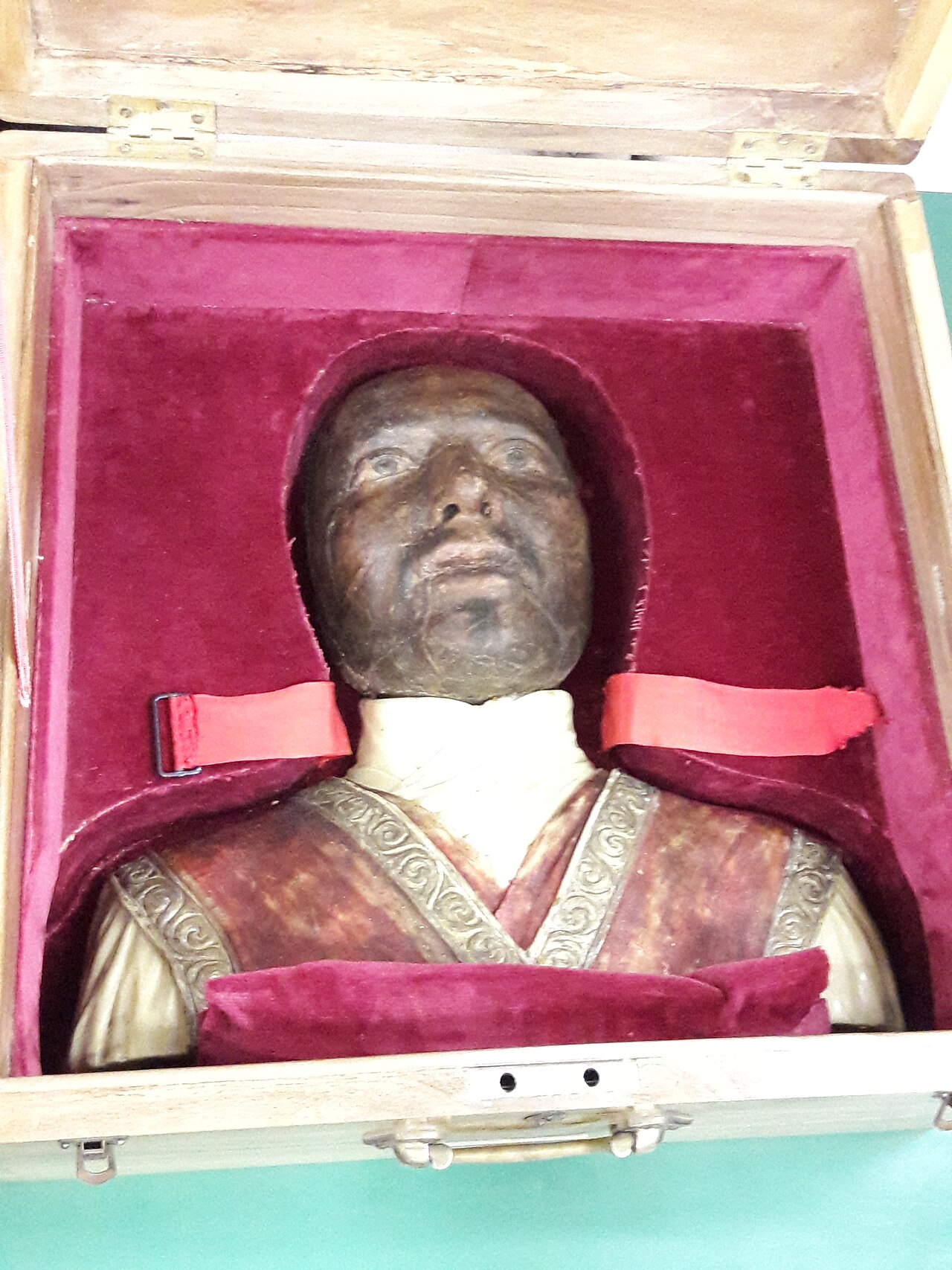
Death Mask of Ignatius of Loyola
Unknown · 1556
Free account
Read every Ignatius of Loyola source
Sign up free →
Ready when you are
Start chatting with Ignatius of Loyola now.
20 messages free · No credit card · Available in 50+ languages.