


Secondary sourceSculpture1610
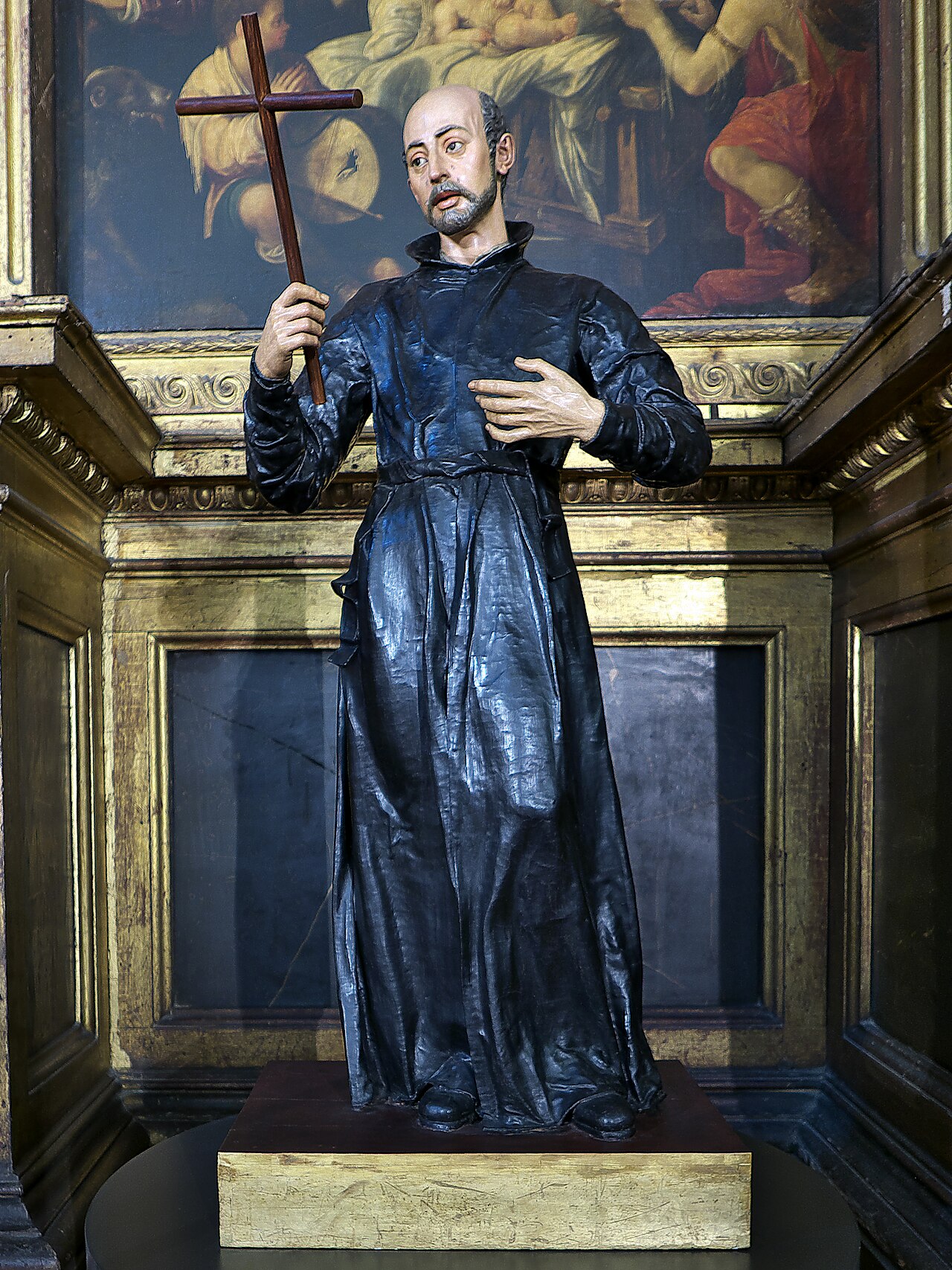
Saint Ignatius of Loyola statue
Juan Martínez Montañés · 1610
A polychrome wooden statue of Ignatius carved by Juan Martínez Montañés in 1610 for his beatification, a major work of Spanish devotional sculpture.
Carved for Ignatius's beatification in 1610, this statue shows how the Jesuits promoted devotion to their newly recognized founder.
About this source
What it is
This polychrome wooden statue of Ignatius of Loyola was carved by Juan Martínez Montañés in 1610, with painting by Francisco Pacheco, for the Society of Jesus to mark Ignatius's beatification. It is held at the University of Seville.
Why it matters
Created at the moment the Church formally recognized Ignatius as blessed, the statue shows how religious art was used to celebrate and promote new saints. Montañés was a leading sculptor of Spanish Golden Age religious art, and the work reveals how the Jesuits used striking, lifelike imagery to encourage devotion to their founder.
Look closer
- What does the cross he holds and the gesture toward his chest suggest about how he was meant to be seen by worshippers?
- Why would the Jesuits commission such a detailed, colorfully painted statue rather than a plain one?
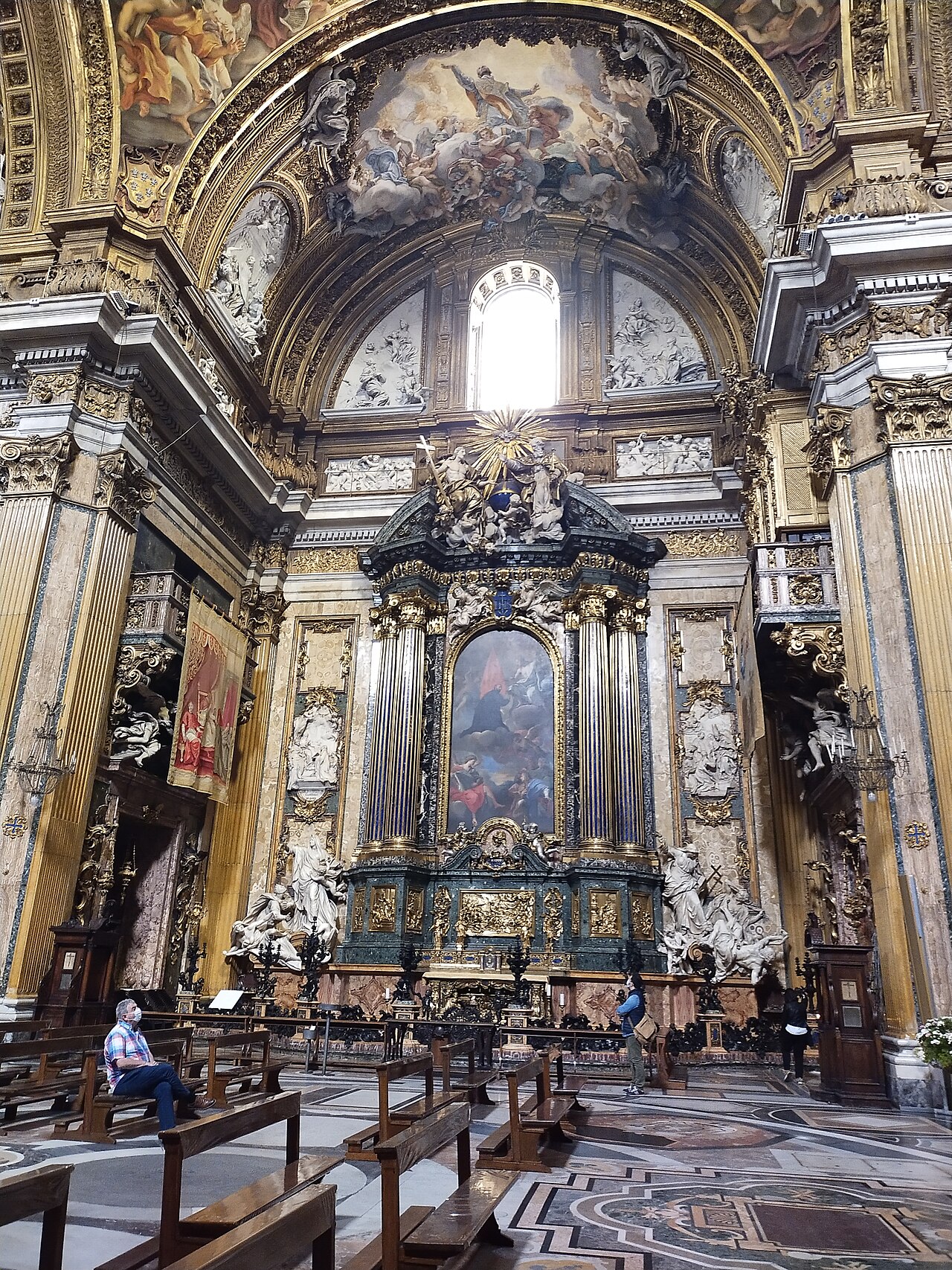
- What does the setting, against a gilded altarpiece, tell you about where and how this statue was used?
This sculpture is part of the curated material that grounds the AI version of Ignatius of Loyola on Humy.ai — when students ask about related events, the AI can quote it and cite it.
More Ignatius of Loyola sources
Browse all 87 →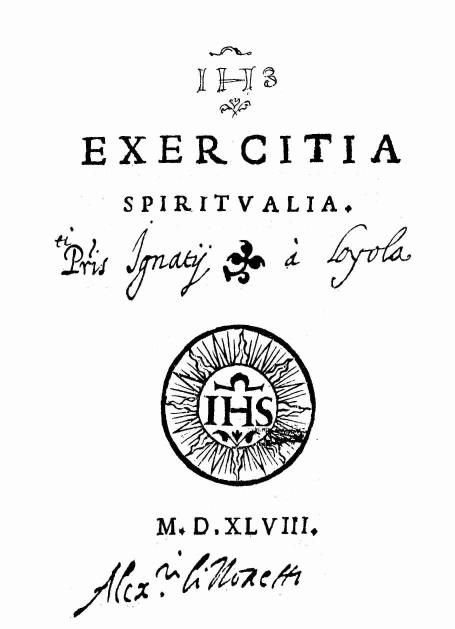 Book
Primary source
Spiritual Exercises
Ignatius of Loyola · 1548 (first printed edition)
 Document
Primary source
Regimini militantis Ecclesiae
Paul III · 27 September 1540
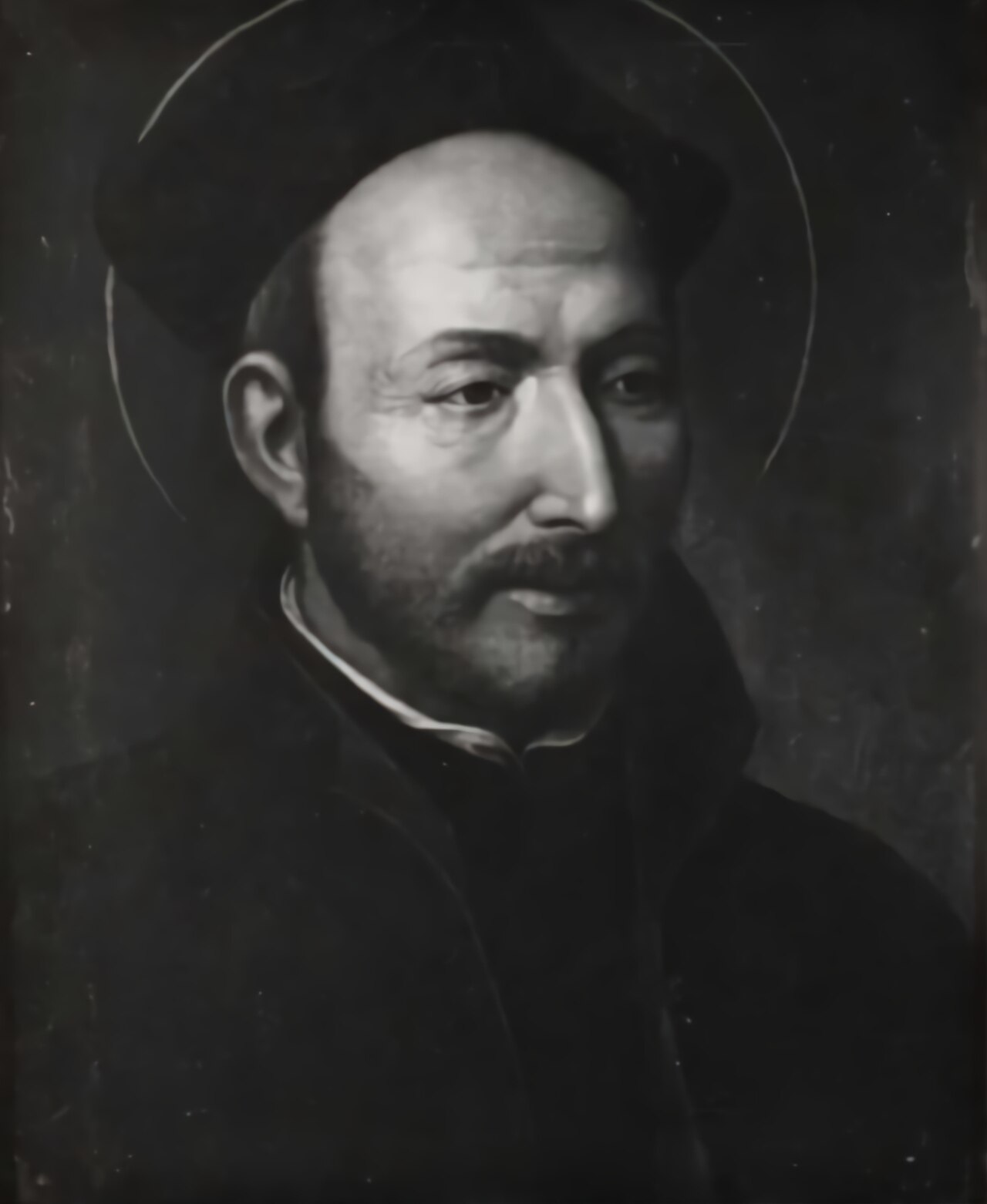 Painting
Primary source
Portrait of Ignatius of Loyola
Jacopino del Conte · 1556
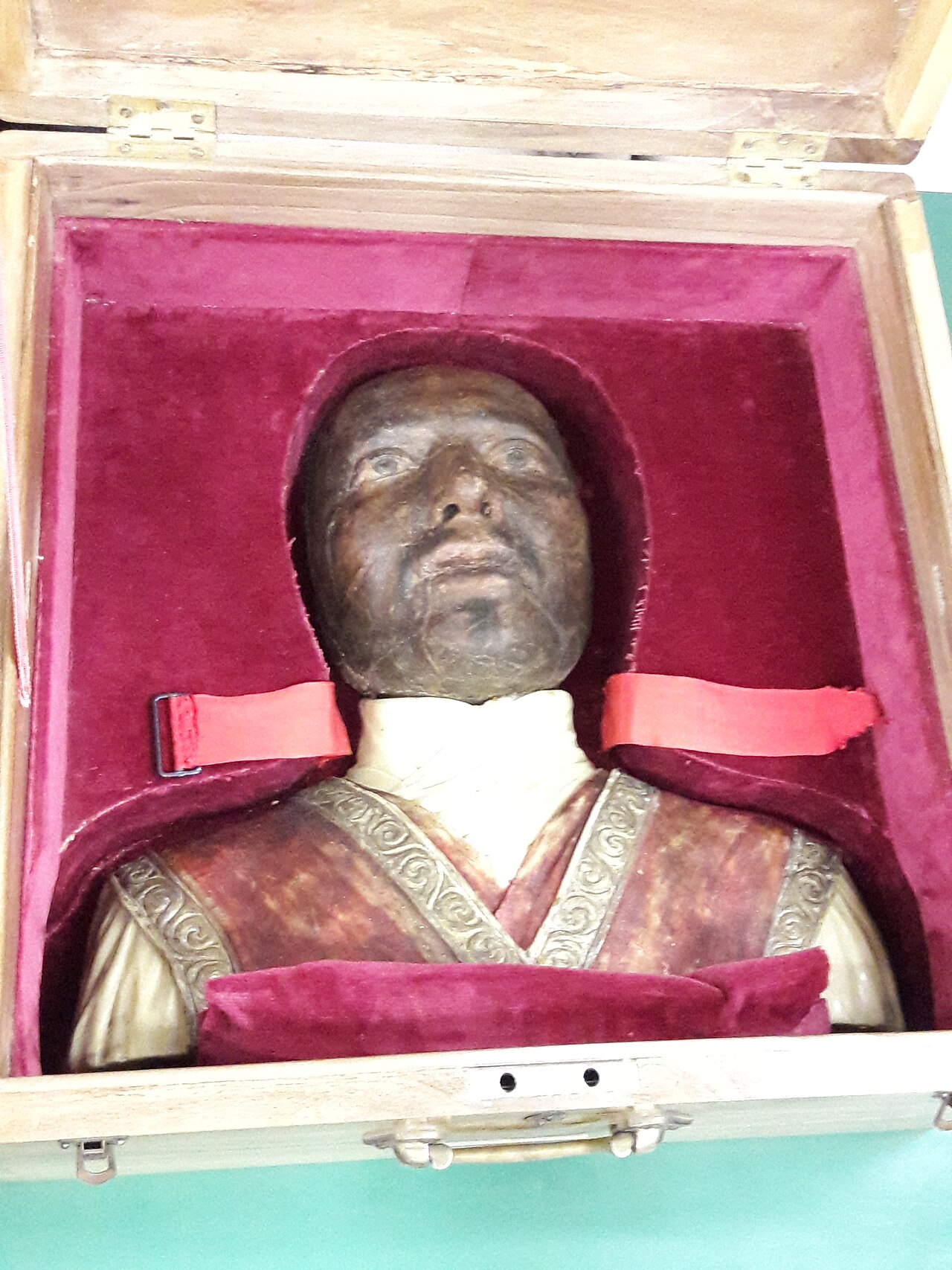 Artifact
Primary source
Death Mask of Ignatius of Loyola
Unknown · 1556


Free account
Read every Ignatius of Loyola source
Sign up free →
Ready when you are
Start chatting with Ignatius of Loyola now.
20 messages free · No credit card · Available in 50+ languages.